Enhancing categorization skills Normal Worksheets for Ages 3-9
4 filtered results
-
From - To
Discover our “Enhancing Categorization Skills Normal Worksheets” designed specifically for children aged 3-9. These engaging worksheets help young learners develop essential sorting and categorization abilities through fun activities that include matching, classifying, and grouping items. By utilizing colorful images and age-appropriate themes, these resources stimulate curiosity and reinforce critical thinking. Ideal for both classroom and at-home learning, our worksheets cater to diverse learning styles, making skill-building enjoyable. Each worksheet is crafted to encourage creativity and independent thinking, ensuring your child gains confidence in their ability to categorize various concepts effectively. Start enhancing your child's skills today with our enriching materials!
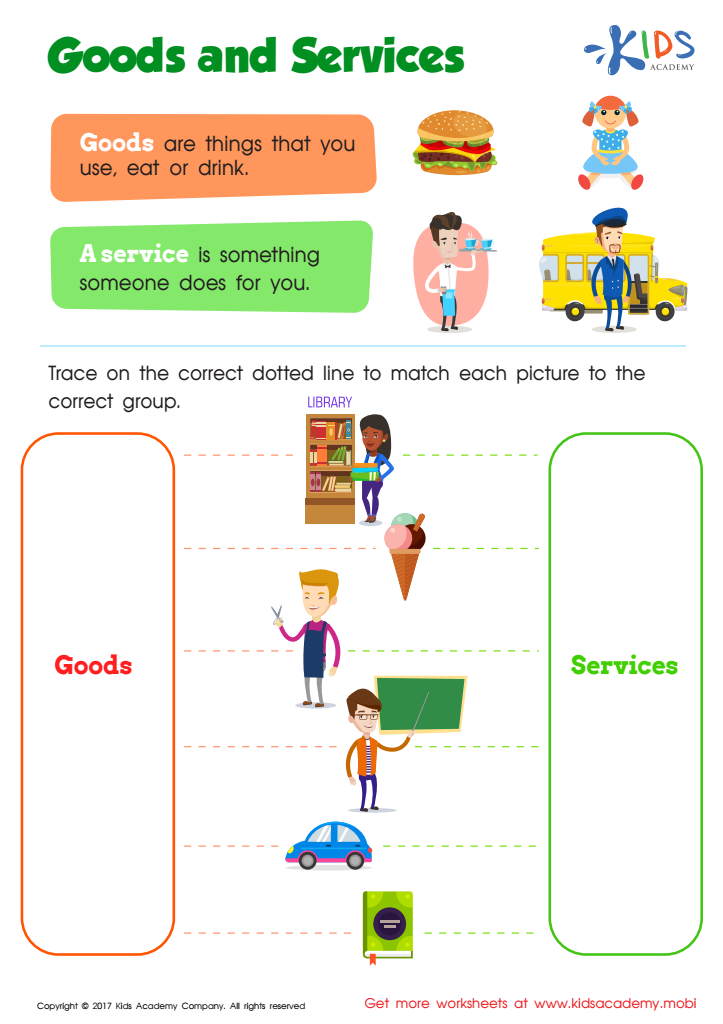
 Assign to My Students
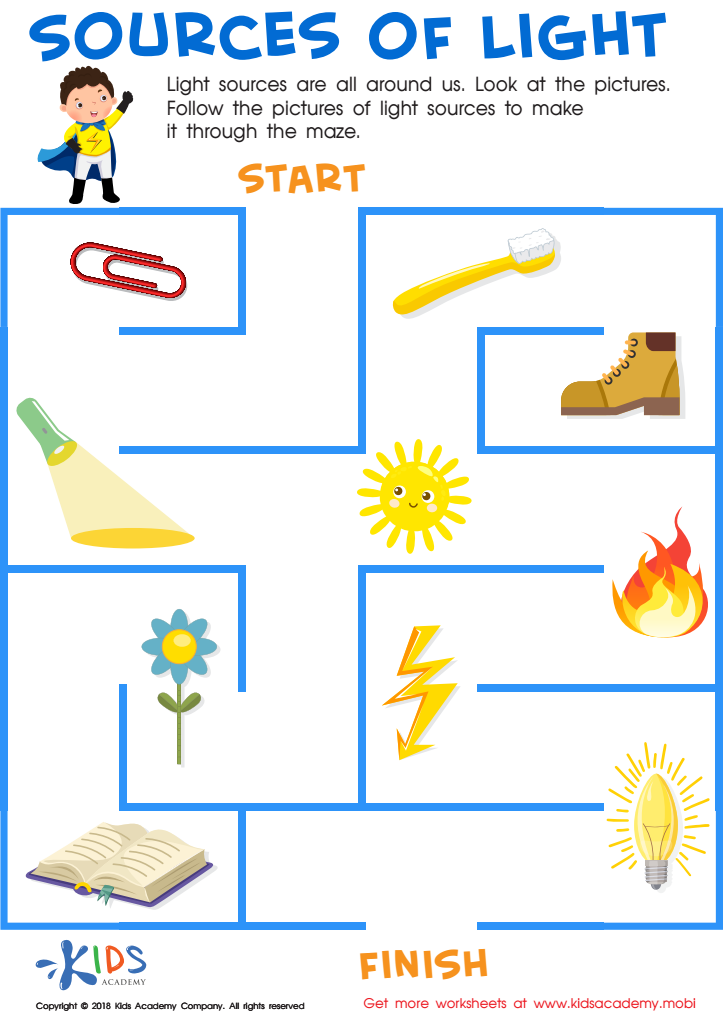
Sources of Light Worksheet
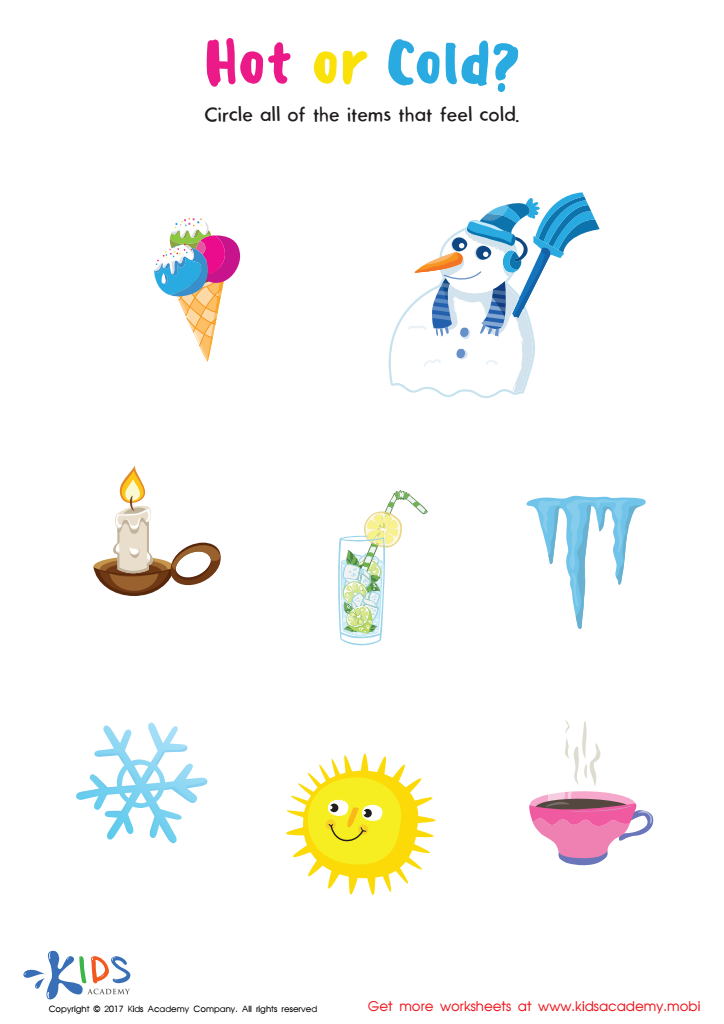
Hot or Cold Printable
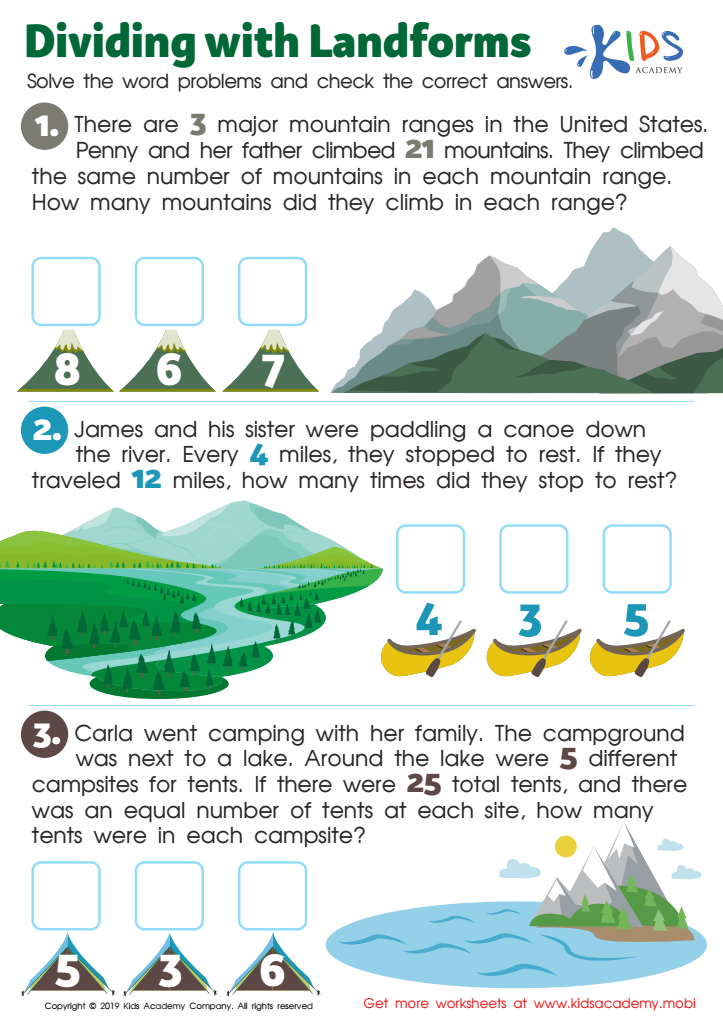
Dividing with Landforms






Enhancing categorization skills in children aged 3 to 9 is crucial for their cognitive and social development. First, categorization helps children organize their understanding of the world around them. By grouping similar items or concepts, children strengthen their critical thinking and problem-solving abilities, which are fundamental for academic success. For example, when children learn to categorize animals by their habitats, they increase their comprehension of both biology and geography.
Moreover, improved categorization skills contribute to effective language development. As children group words and objects, they expand their vocabulary and enhance their ability to communicate ideas clearly. This foundational skill also aids in reading development, as recognizing categories helps with identifying themes and context in texts.
Socially, categorization assists children in making connections with others. Understanding similarities and differences fosters empathy and collaboration, qualities essential for healthy peer relationships. For educators and parents, enhancing these skills leads to better classroom behavior and more engaged learning.
Overall, investing time in fostering categorization skills reaps long-term benefits, supporting children's overall development, confidence, and academic achievement, thus highlighting why this facet of education is essential for both parents and teachers.








