Historical Knowledge Normal Worksheets for Ages 3-9 - Page 2
27 filtered results
-
From - To
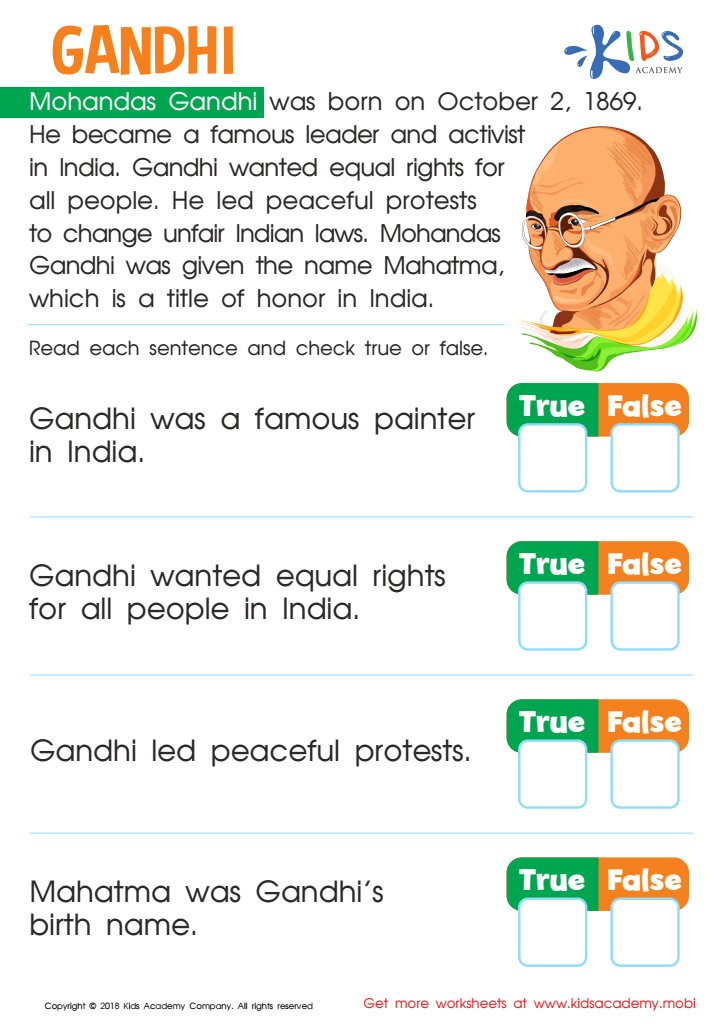
Gandhi Worksheet
 Assign to My Students
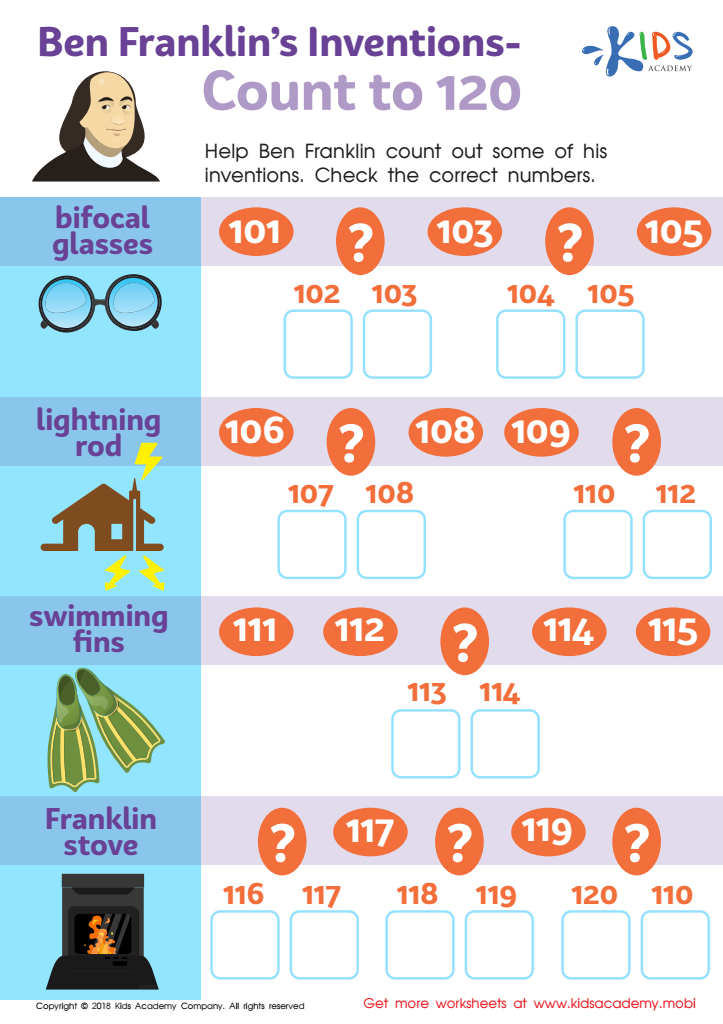
Ben Franklin’s Inventions – Count to 120 Worksheet
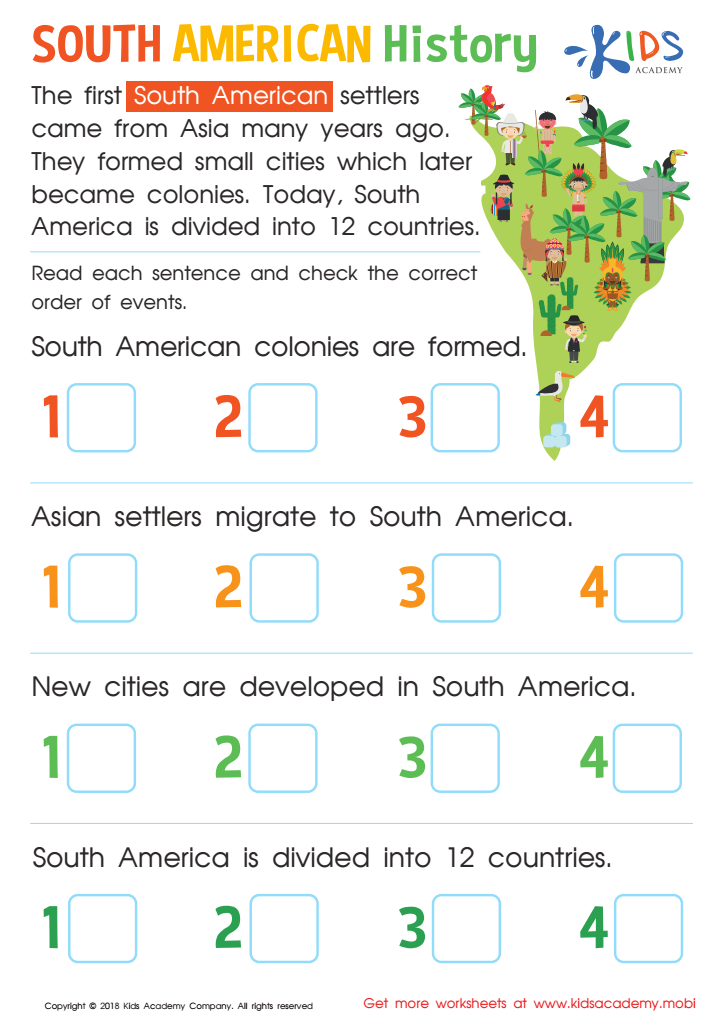
South American History Worksheet







Parents and teachers should care about historical knowledge for children ages 3-9 because it lays a foundation for lifelong learning and critical thinking. At this age, children are curious and absorb information rapidly. Introducing them to history helps them understand the world around them, fostering a sense of identity and perspective. It nurtures empathy as they learn about different cultures, practices, and experiences, helping them appreciate diversity.
Moreover, historical knowledge develops critical thinking and reasoning skills. When children learn about past events, they start to recognize cause and effect, understand change over time, and make connections between historical events and the present. These cognitive skills are crucial across all areas of learning and development.
Finally, history can be engaging and inspiring. Stories of heroism, innovation, and overcoming adversity can motivate children, ignite their imaginations, and cultivate a passion for learning. When history is taught in an age-appropriate and captivating manner, it becomes more than memorizing dates; it becomes about understanding human experiences and learning valuable lessons from the past.
Therefore, by prioritizing historical knowledge, parents and teachers help children build a well-rounded education, develop essential skills, and grow into informed, empathetic, and thoughtful individuals.








