Spatial awareness Normal Worksheets for Ages 3-9 - Page 2
29 filtered results
-
From - To
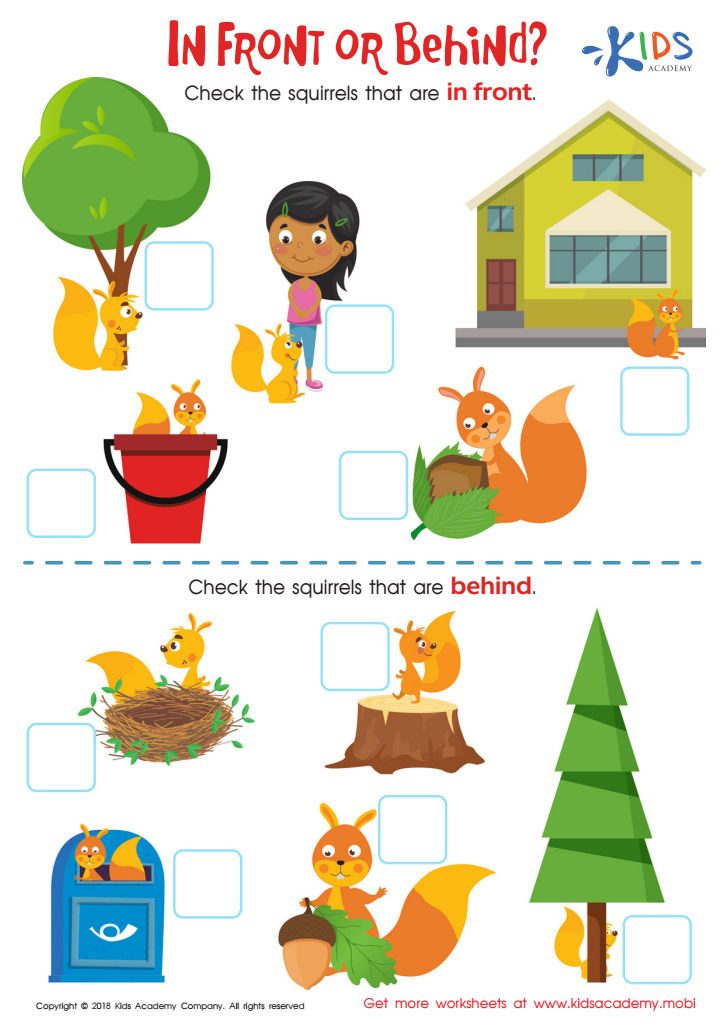
In Front or Behind: Part 2 Worksheet
 Assign to My Students
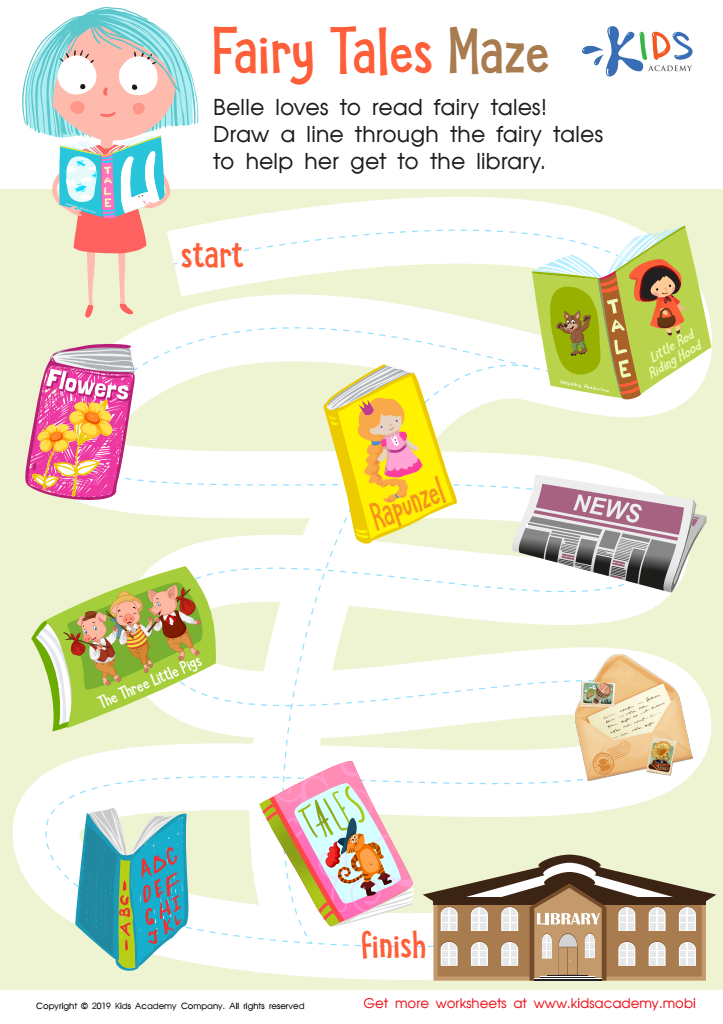
Fairy Tales Maze Worksheet
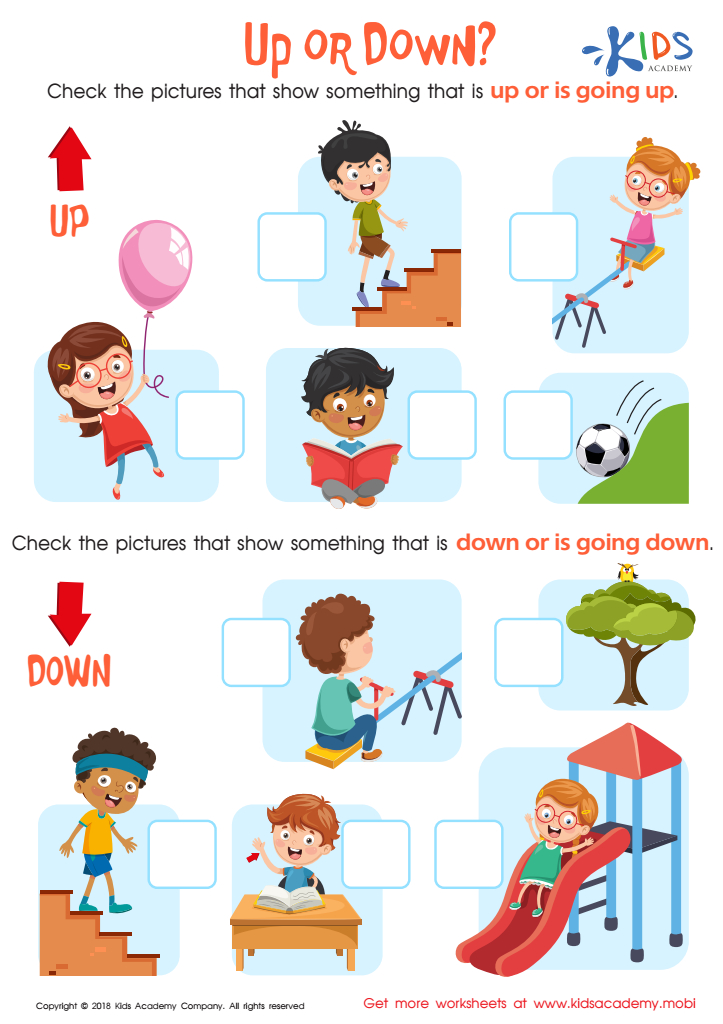
Up or Down Worksheet
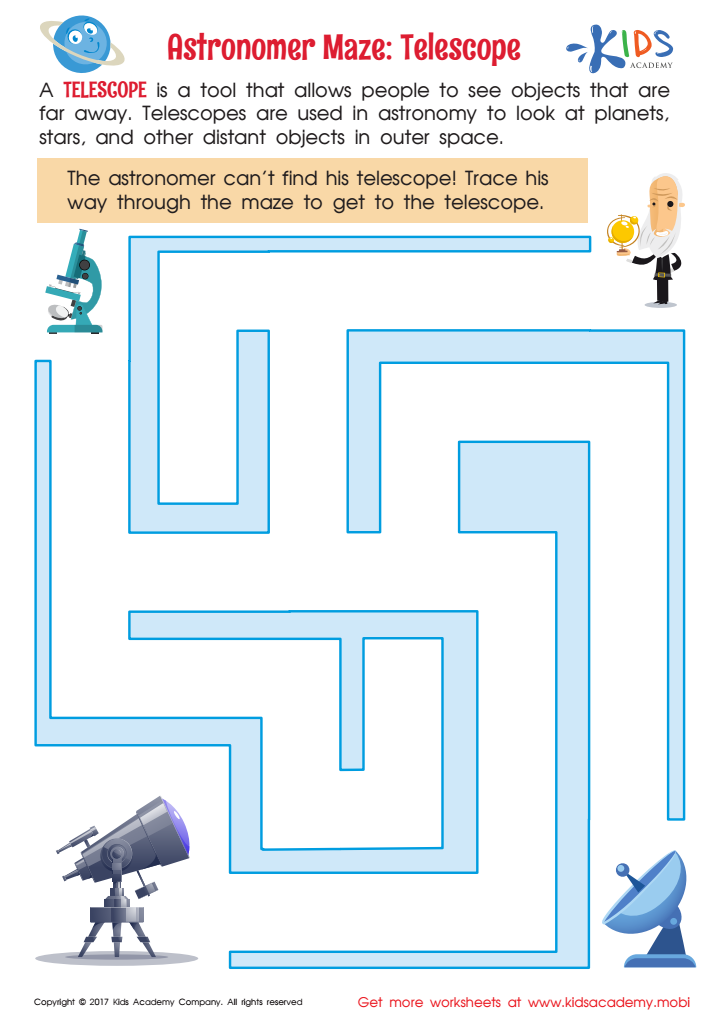
Astronomer Maze: Telescope Worksheet
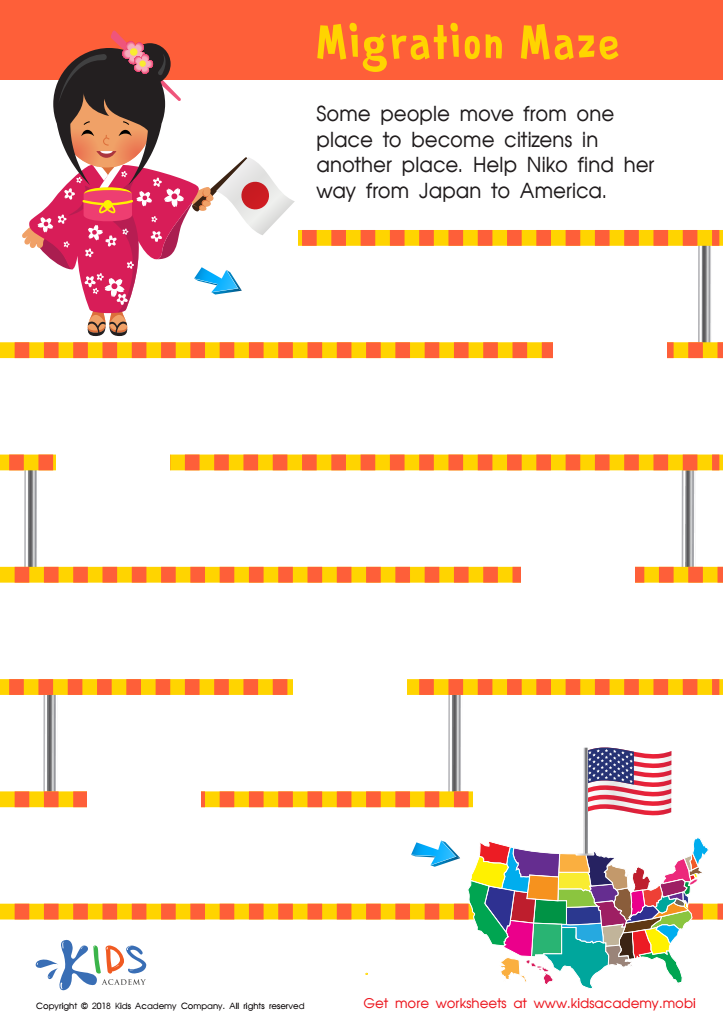
Migration Maze Worksheet








Spatial awareness is a crucial developmental skill for children aged 3-9, encompassing their ability to understand and manipulate the space around them. Parents and teachers should prioritize fostering this skill because it plays a significant role in cognitive and physical development. Children with strong spatial awareness perform better in subjects such as math and science, as these areas often require visualizing and organizing information spatially.
Moreover, spatial awareness enhances everyday skills, from simple tasks like navigating environments to complex activities like sports and arts. Children who develop this skill are better equipped to coordinate their movements, improve their problem-solving abilities, and engage in activities that require critical thinking and creativity.
Through engaging activities such as puzzles, building blocks, and outdoor play, parents and teachers can help nurture spatial awareness. Encouraging these activities not only boosts children's academic potential but also fosters confidence and independence as they learn to navigate their surroundings.
In summary, prioritizing spatial awareness in early childhood education is essential, as it lays the foundation for holistic development across various domains, enabling children to thrive both in and out of the classroom. It ultimately prepares them for future challenges in their educational journey and beyond.








