
Visual learning reinforcement Normal Worksheets for Ages 3-9
3 filtered results
Difficulty Level
Grade
Age
-
From - To
Subject
Activity
Standards
Enhance your child's learning journey with our Visual Learning Reinforcement Normal Worksheets, designed for ages 3-9. These engaging and colorful worksheets are tailored to support the development of essential skills through visual aids, making learning both enjoyable and effective. With a variety of activities that promote pattern recognition, shape identification, and visual memory, each sheet encourages critical thinking and problem-solving abilities. Our resources are perfect for parents and educators alike, providing a structured way to reinforce concepts in a fun and interactive manner. Download and print your worksheets today to empower young learners on their path to success!
Favorites
With answer key
Interactive
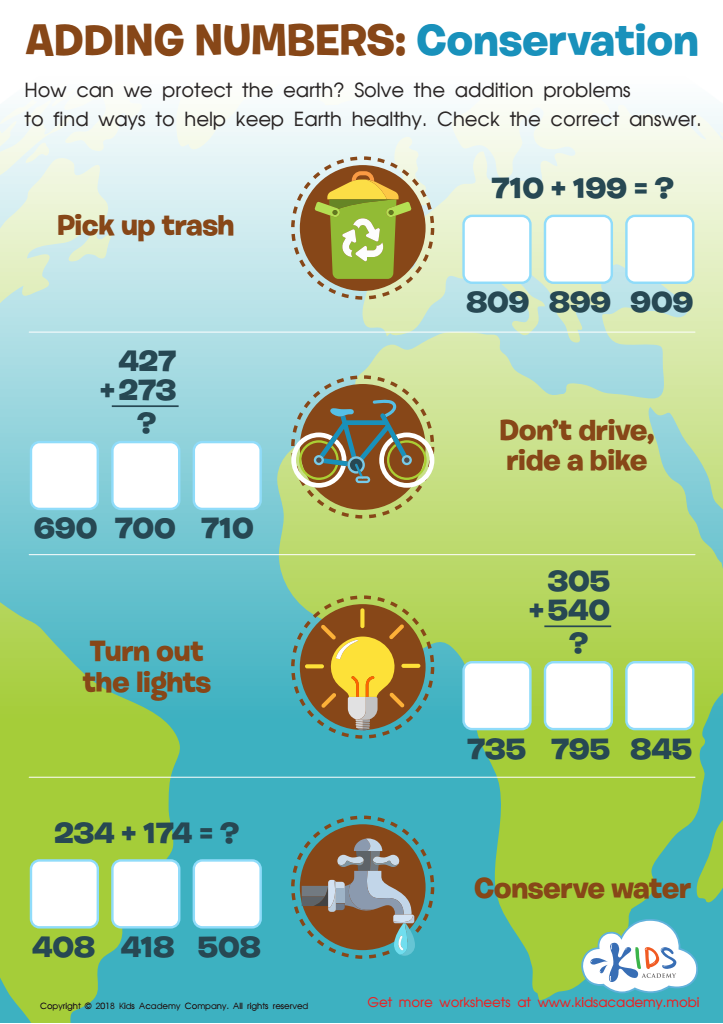
Adding Numbers: Conservation Worksheet
We all live on the Earth, which provides us with the vital necessities for survival. Unfortunately, we too often take advantage of this, causing pollution, water wastage and global warming. Help teach your kids how we can protect our planet - ask them to come up with good ideas and work together to find solutions. Challenge them to solve the subtraction problems to see what they can do to help keep the Earth healthy.
 Assign to My Students
Adding Numbers: Conservation Worksheet
Worksheet
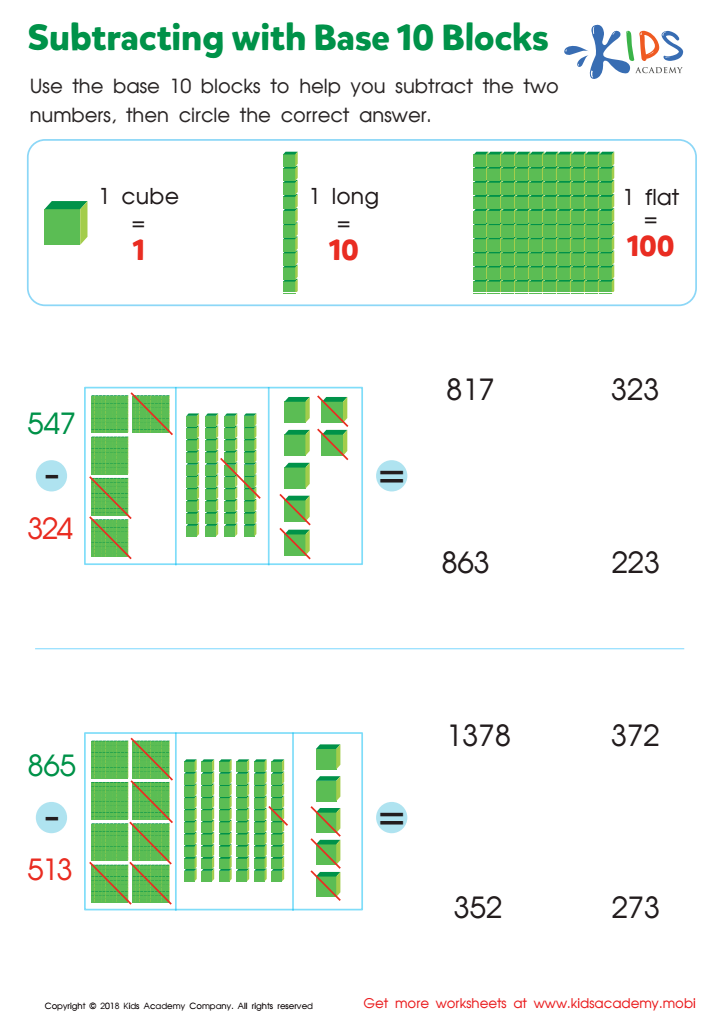
Subtracting with Base 10 Blocks Worksheet
Is your child having difficulty with 3-digit subtraction? They're not alone! Show your kid the idea behind subtracting with the help of Kids Academy's PDF worksheet. Colorful green base blocks are used to visualize the concept. Starting from the tens column, subtract each number and use the images for guidance. Allow your child to circle the correct answer for a comprehensive math lesson.
Subtracting with Base 10 Blocks Worksheet
Worksheet
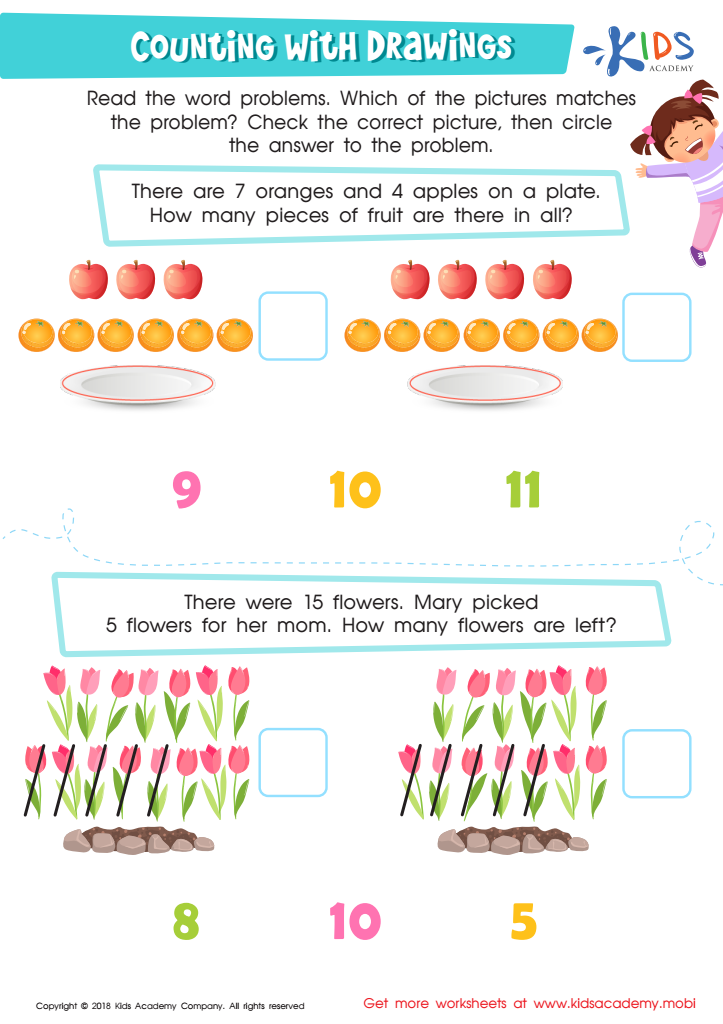
Counting with Drawings: Fruits & Chocolates Worksheet
Learning basic addition and subtraction has never been easier with this free worksheet! Young mathematicians can sort & count to get the right sum or difference for each problem. Plus, they'll practice fine motor skills by circling the correct answer. An ideal way to help kids build important visual recognition and discernment skills.
Counting with Drawings: Fruits & Chocolates Worksheet
Worksheet
Join Kids Academy for Free
Who is primarily going to use this learning content?


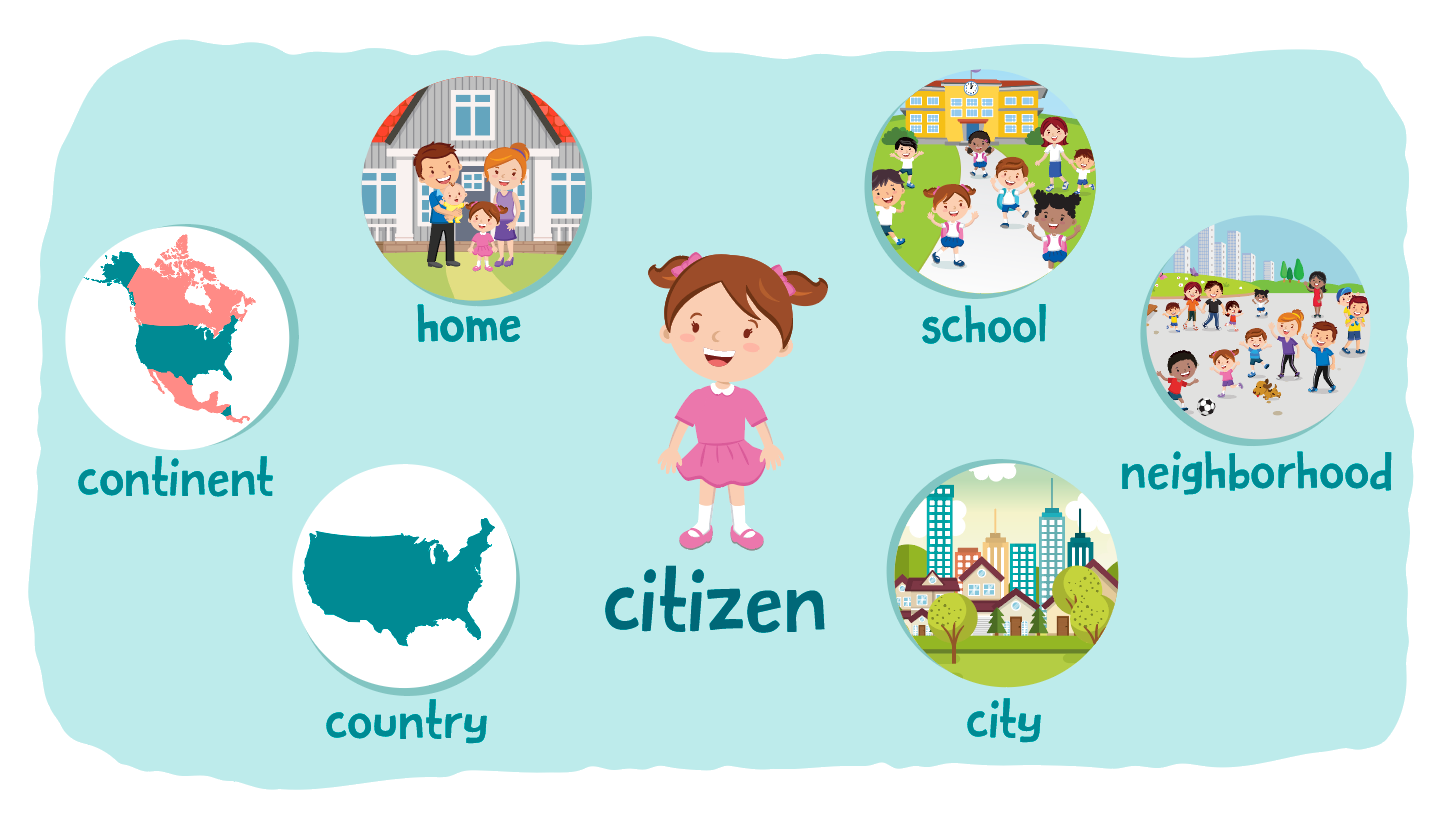





Visual learning reinforcement is vital for children aged 3-9 as it directly enhances their cognitive development, comprehension, and retention skills. At this stage, children are often concrete thinkers, meaning they learn best through tangible, visual stimuli. Utilizing visual aids, such as charts, pictures, and interactive activities, engages their senses and reinforces learning concepts in exciting and memorable ways.
For parents and teachers, recognizing the importance of visual learning can lead to more effective teaching strategies that cater to each child's learning style. Visual reinforcement promotes engagement, making lessons more dynamic and enjoyable, which can help combat the distractions commonly faced by children in today’s world.
Moreover, visual learning scaffolds language development, allowing children to associate images with words and ideas, crucial for building vocabulary and communication skills. Children who are visually engaged typically demonstrate improved concentration and may develop higher levels of creativity.
Ultimately, prioritizing visual learning reinforcement fosters a supportive and stimulating educational environment that nurtures a child's natural curiosity and enthusiasm for learning, laying a strong foundation for academic success and lifelong learning. By embracing these techniques, parents and educators play a pivotal role in shaping well-rounded, confident learners.








