Vocabulary Building Normal Worksheets for Ages 3-9 - Page 3
51 filtered results
-
From - To
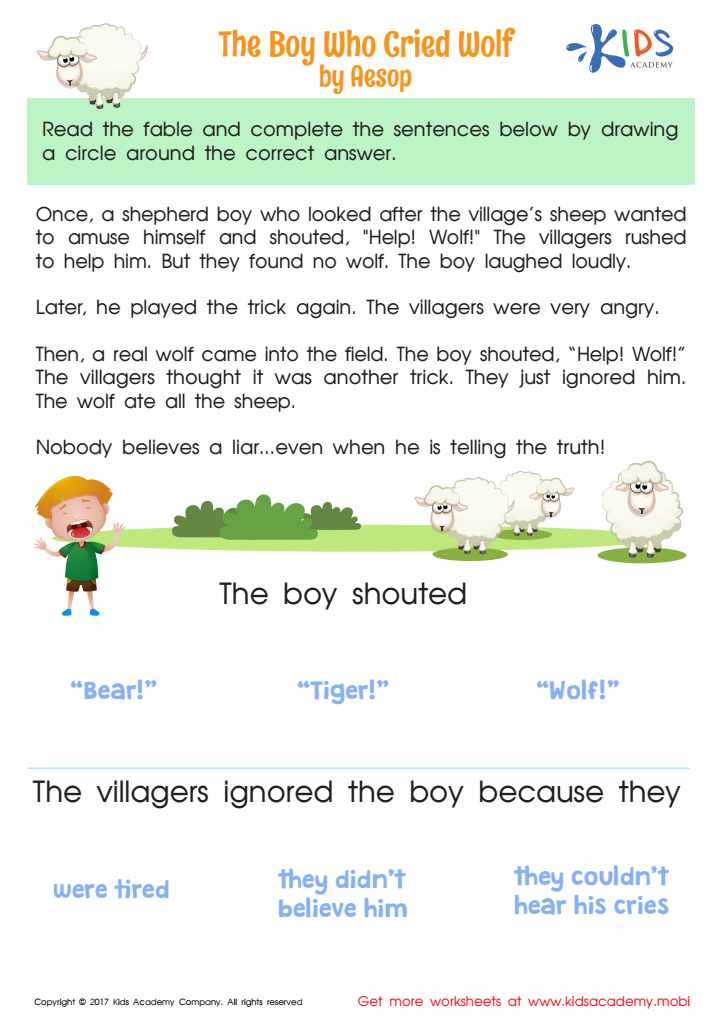
The Boy Who Cried Wolf Worksheet
 Assign to My Students
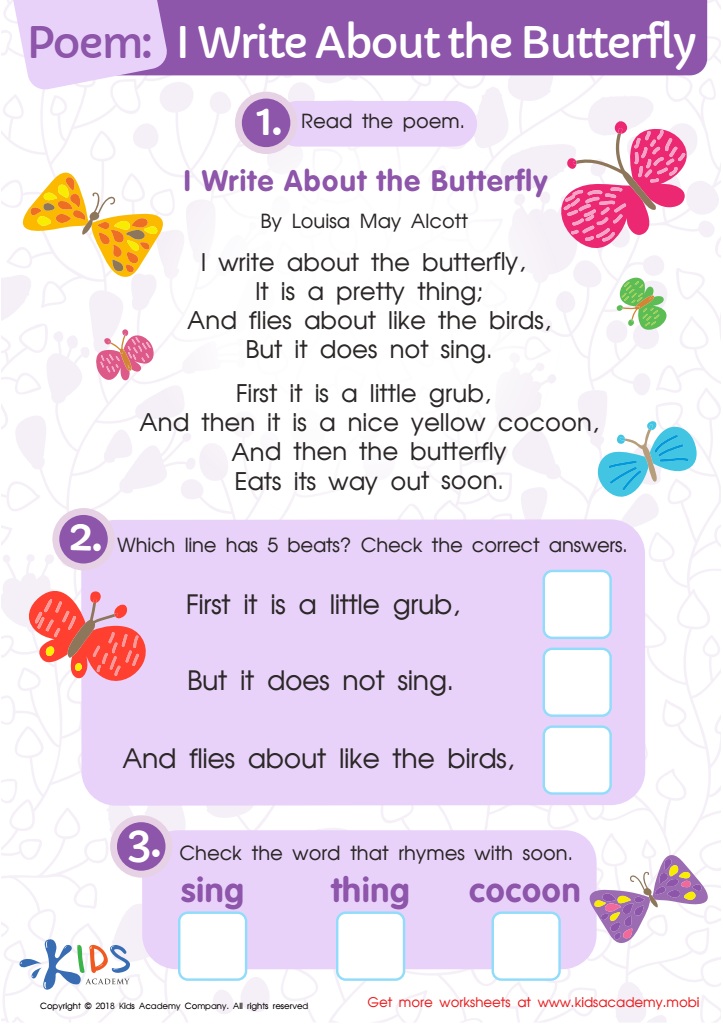
Poem: I Write About The Butterfly Worksheet
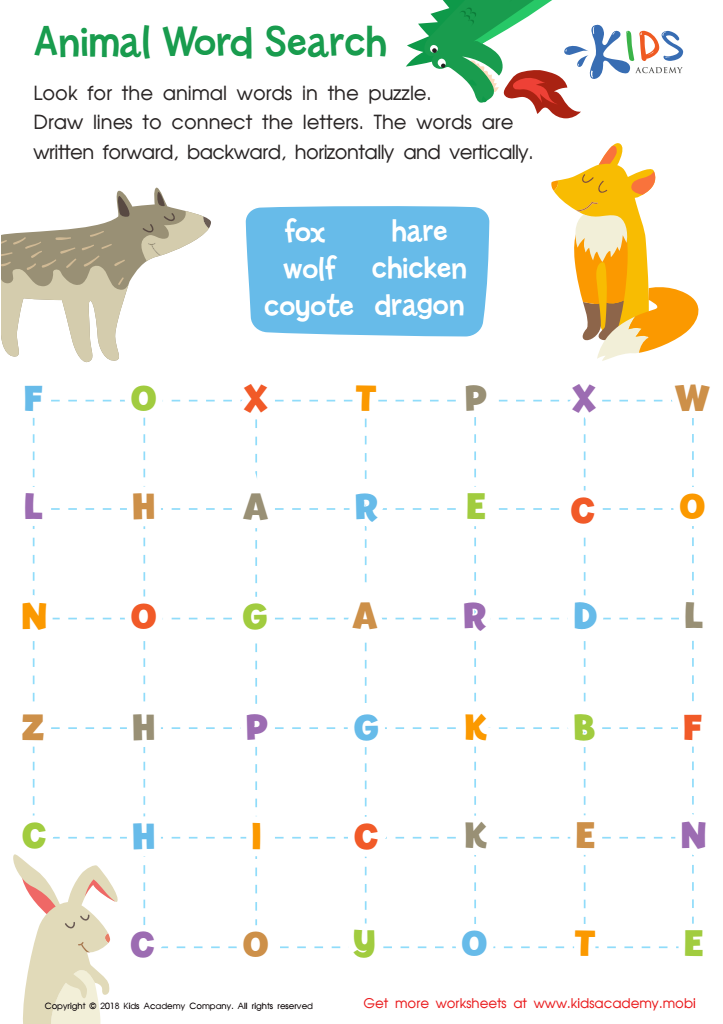
Animal Word Search Worksheet


.jpg)
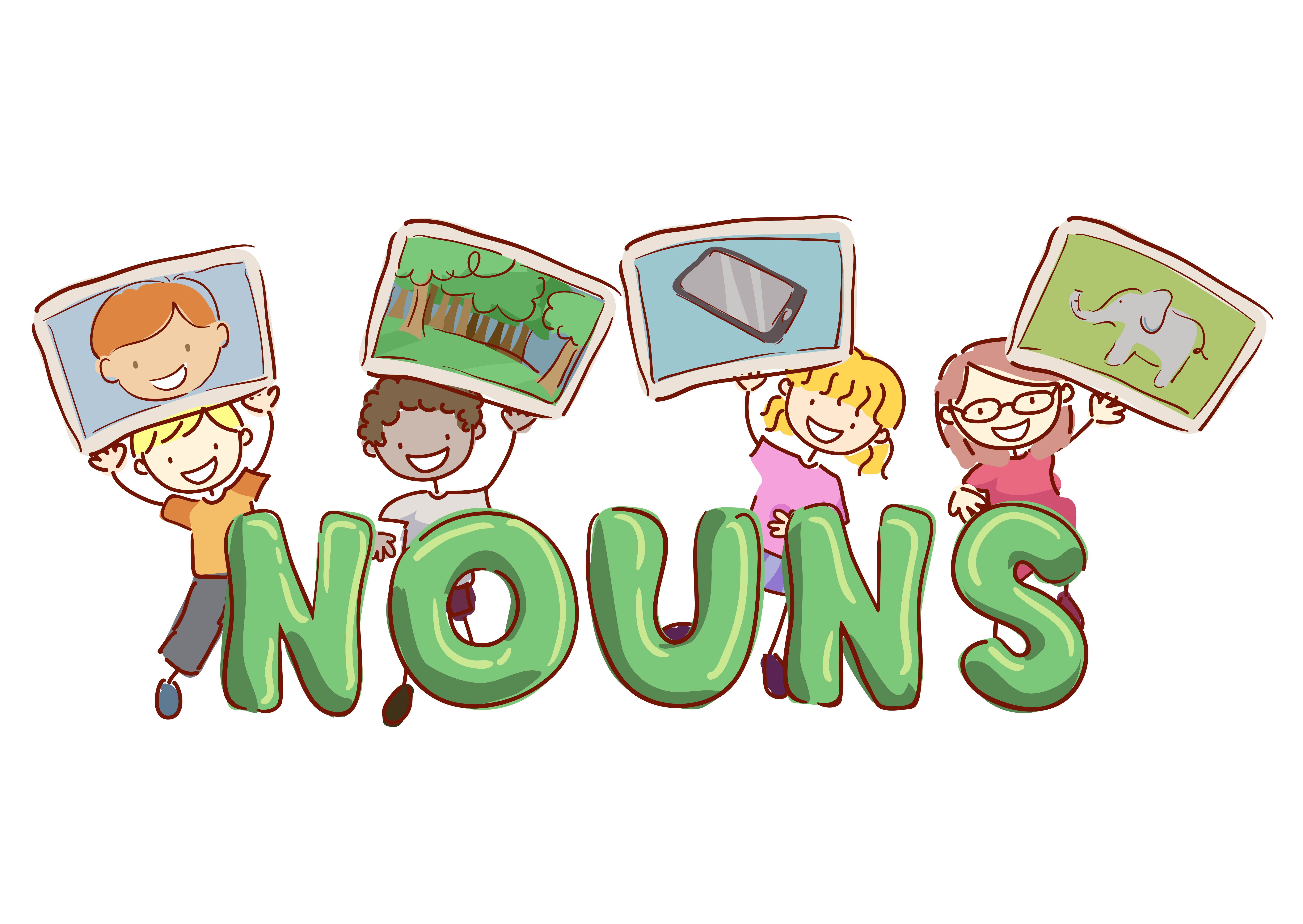




Vocabulary building for children ages 3-9 is crucial for several reasons, making it a top priority for both parents and teachers. First, a robust vocabulary is foundational for effective communication. Children with a rich vocabulary can express their thoughts and feelings clearly, facilitating better interactions with peers and adults. Additionally, strong vocabulary skills are closely linked to literacy development. Children who have a strong command of words tend to excel in reading and writing, skills that are vital for academic success.
Furthermore, vocabulary acquisition enhances cognitive development. Learning new words fosters critical thinking and helps children understand and classify their experiences and knowledge more effectively. Exposure to a diverse vocabulary also promotes curiosity and a love for learning, encouraging children to ask questions and seek out new ideas.
Moreover, vocabulary is essential for social-emotional development. A well-developed vocabulary enables children to articulate their emotions, leading to more effective conflict resolution and stronger relationships with others. In essence, investing in vocabulary building at such a formative age lays the groundwork for lifelong communication skills, critical thinking abilities, and academic achievement. Therefore, both parents and teachers should prioritize vocabulary enrichment as a vital component of early childhood education.








