
Mathematical reasoning Normal Addition Facts Worksheets for Ages 3-9
3 filtered results
Difficulty Level
Grade
Age
-
From - To
Subject
Activity
Standards
Discover our engaging "Mathematical Reasoning Normal Addition Facts Worksheets" designed for ages 3-9. These worksheets make mastering addition facts fun and effective, enhancing critical thinking and problem-solving skills. Each sheet is thoughtfully crafted to support young learners in building a solid mathematical foundation. With colorful visuals and varied exercises, children can practice addition in a way that keeps them interested and motivated. Perfect for both home and classroom use, our worksheets cater to different learning paces and styles, helping every child unlock their potential and develop confidence in their math abilities. Explore our collection today!
Favorites
With answer key
Interactive
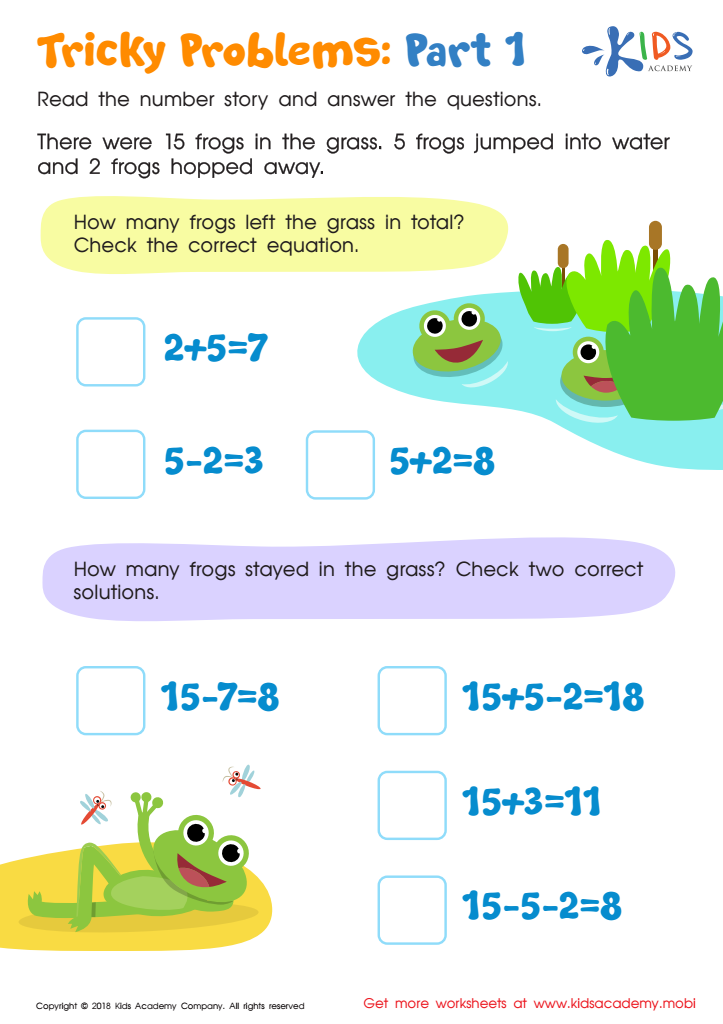
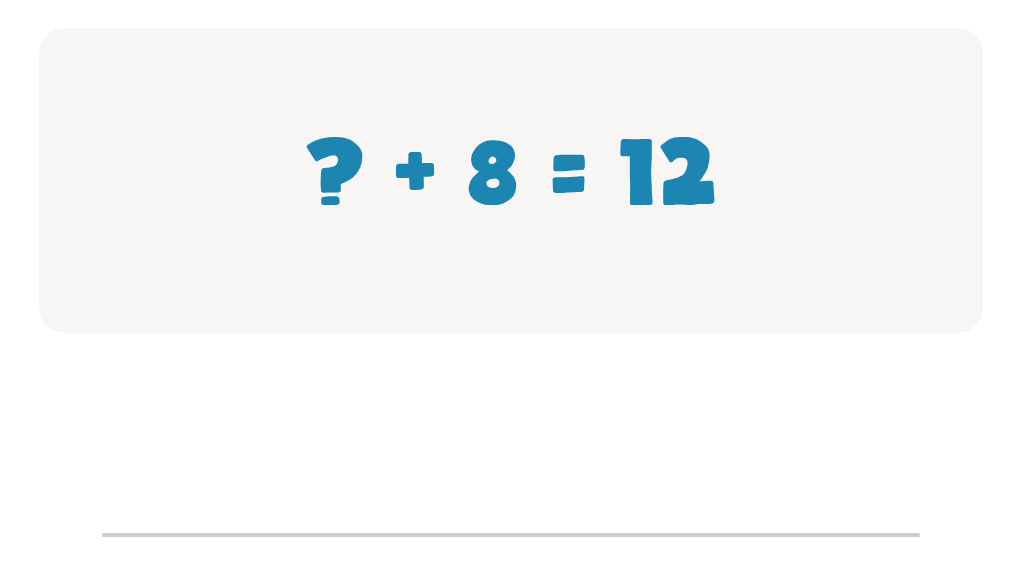
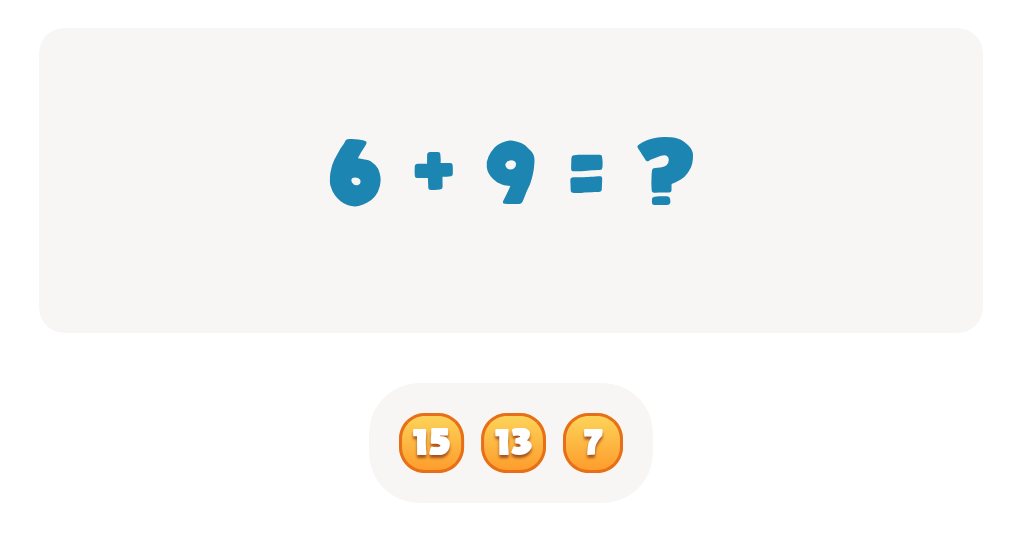
Tricky Problems Worksheet: Part 1
Visualizing word problems can help students solve them. This fun PDF worksheet encourages students to create mental images using math facts, then check boxes to match the equations for basic addition problems. It's a great way to build confidence in solving math.
 Assign to My Students
Tricky Problems Worksheet: Part 1
Worksheet


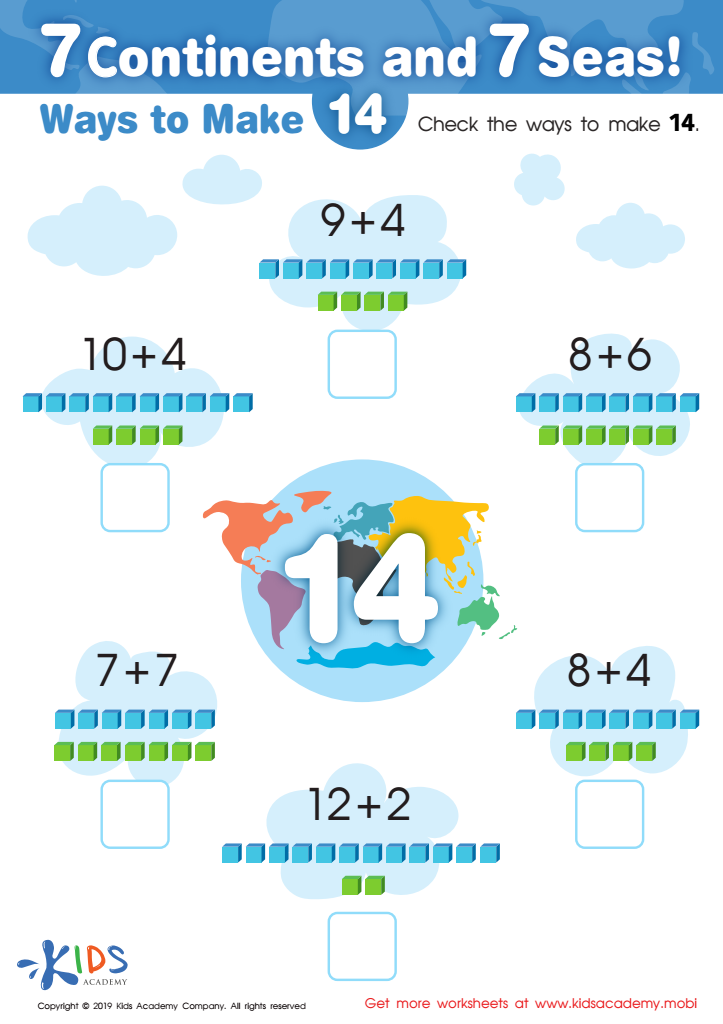
7 Continents and 7 Seas Worksheet
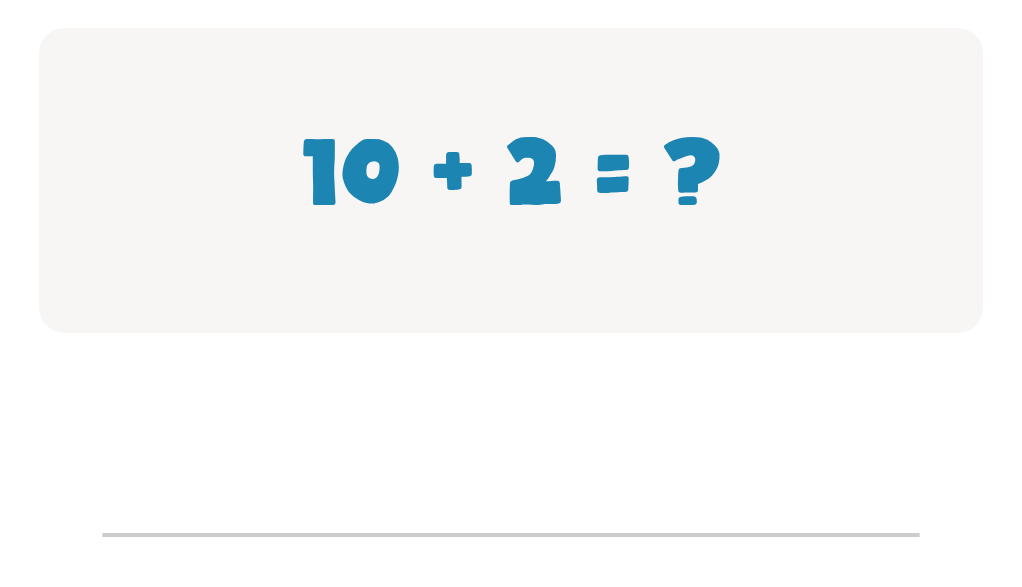
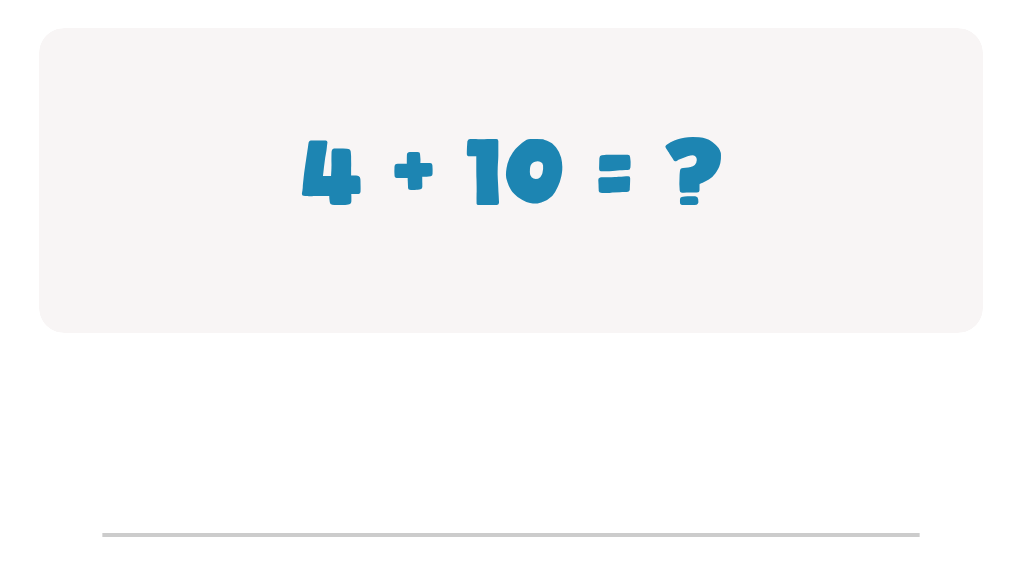
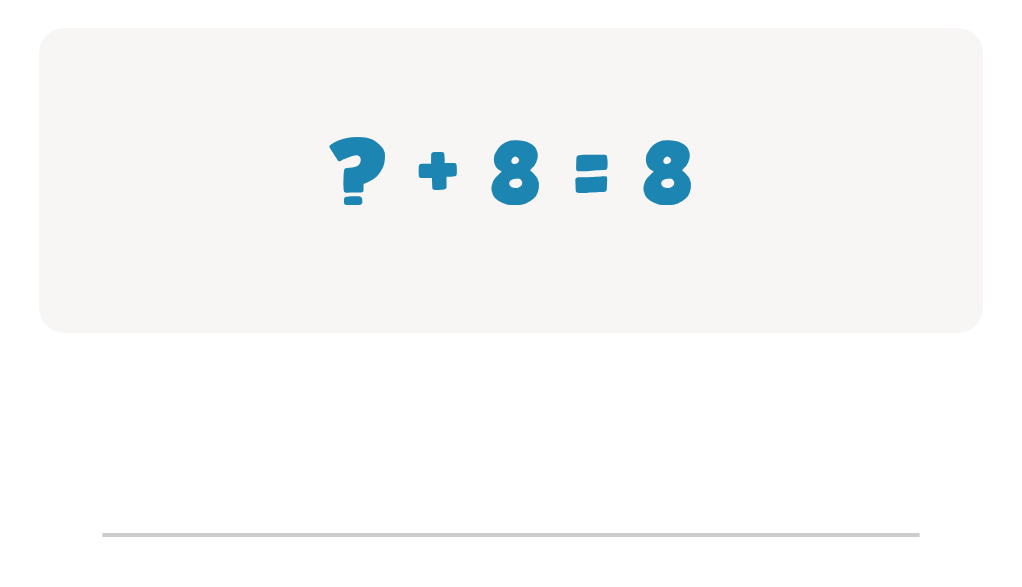
Remind kids of the continents and show them how different numbers can add up to the same figure. Give examples, like 2+2 =4, and 3+1 =4. Ask if they can provide other examples, then work through the simple additions in this worksheet with them. Ask them to circle all equations that make 14.
7 Continents and 7 Seas Worksheet
Worksheet
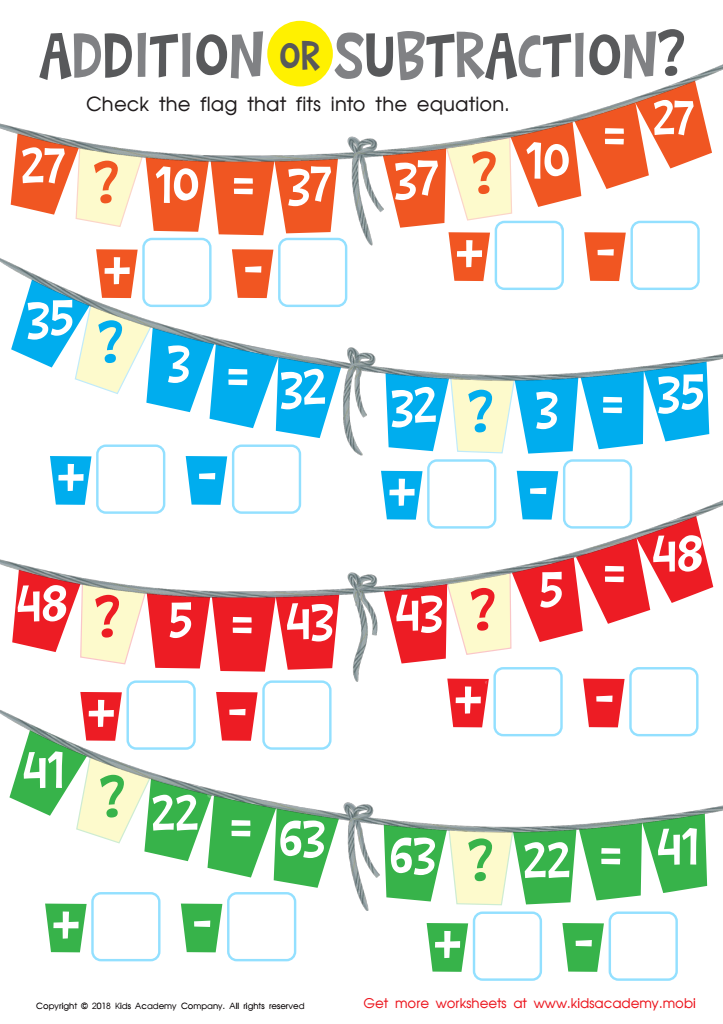
Addition or Subtraction? Worksheet
Help your math whiz's number skills advance with these colorful flag equations! With the free PDF, they'll learn to solve addition and subtraction facts by following the correct orders of operation. And the best part? They'll develop a deeper understanding of how the different operations work together within equations. Give it a try and watch their skills soar!
Addition or Subtraction? Worksheet
Worksheet
Join Kids Academy for Free
Who is primarily going to use this learning content?








Mathematical reasoning and mastering basic addition facts are pivotal for children aged 3-9 because they lay the essential groundwork for future mathematical learning and cognitive development. At these formative ages, children are like sponges, absorbing information rapidly and developing foundational skills that shape their academic success.
Firstly, understanding and fluently using normal addition facts helps children grasp more complex mathematical concepts as they progress in their education. Addition is the building block for higher math topics, such as multiplication, fractions, and algebra. When children can quickly and confidently recall addition facts, they're more likely to engage in math activities with enthusiasm and less frustration.
Furthermore, early mastery of addition contributes to the development of problem-solving skills and logical thinking. It sharpens memory, enhances focus, and improves the ability to follow multistep processes. Children with strong mathematical reasoning skills often demonstrate better performance in other areas such as science, technology, and even literacy, where sequential reasoning and pattern recognition are valuable.
Parents and teachers play a crucial role in fostering a positive attitude towards math by incorporating fun, engaging methods to teach addition, like games, manipulatives, and real-life scenarios. By supporting children in developing these fundamental math skills early on, we equip them with the confidence and competence needed for both academic success and everyday life.








