Addition Practice Normal Addition & Subtraction Worksheets for Ages 3-9 - Page 2
30 filtered results
-
From - To
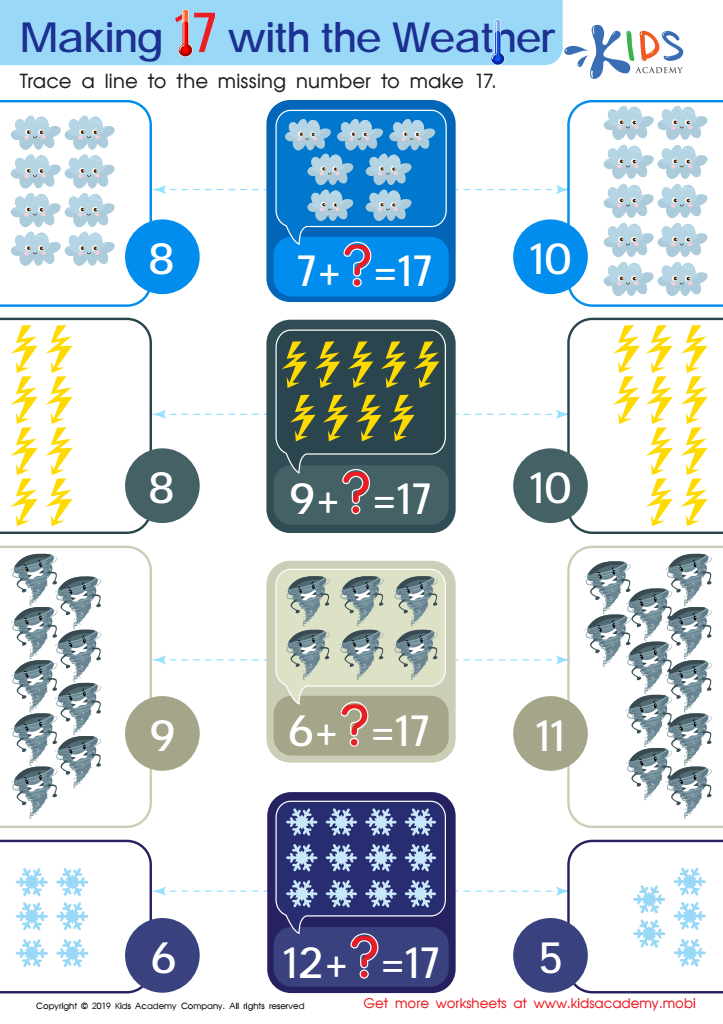
Making 17 with the Weather Worksheet
 Assign to My Students
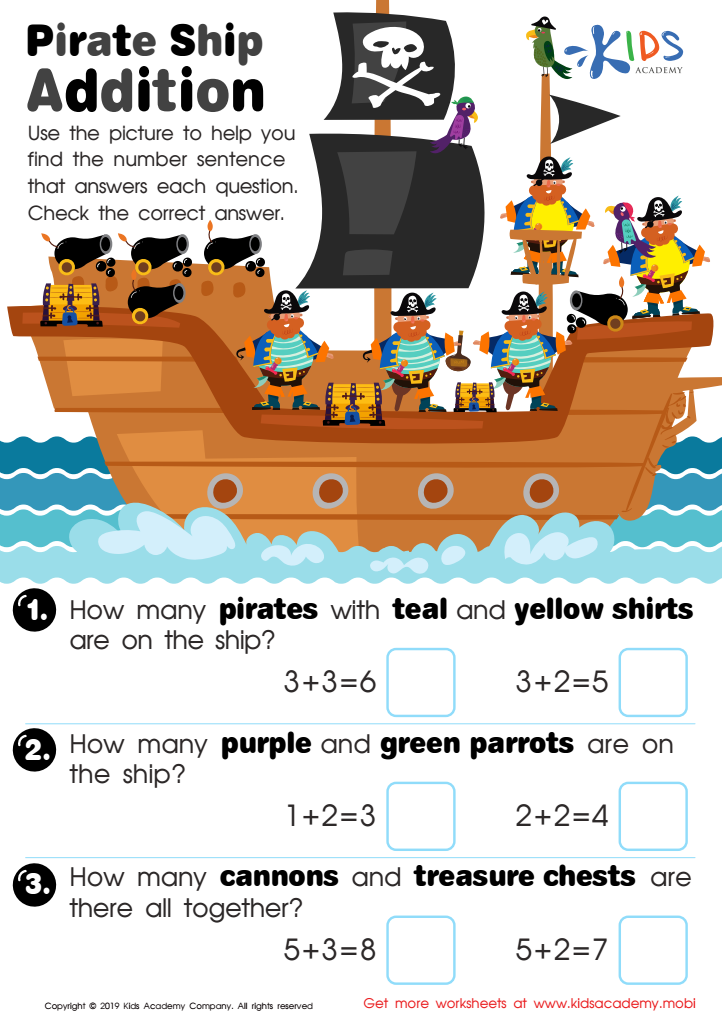
Pirate Ship Addition Worksheet
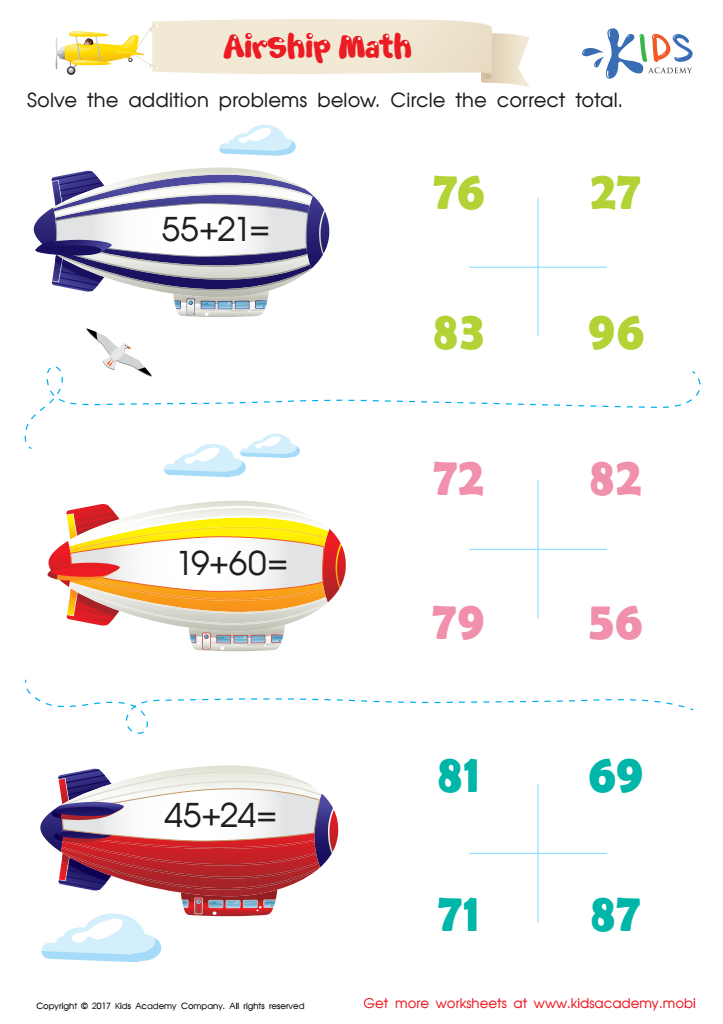
Airship Math Addition Printable
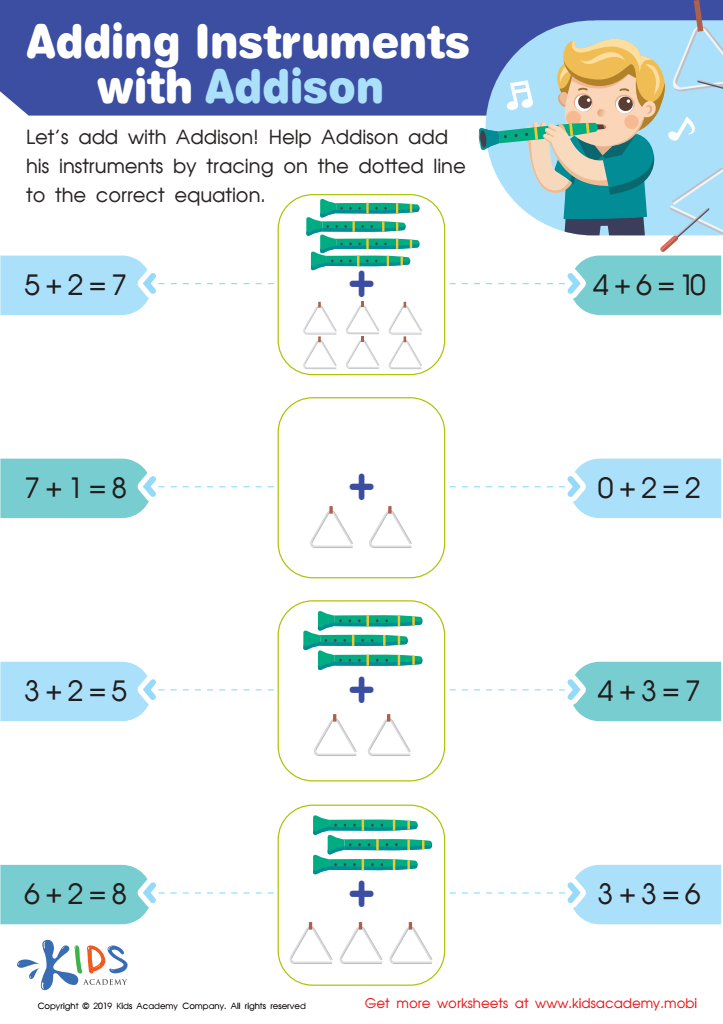
Adding Instruments with Addison Worksheet
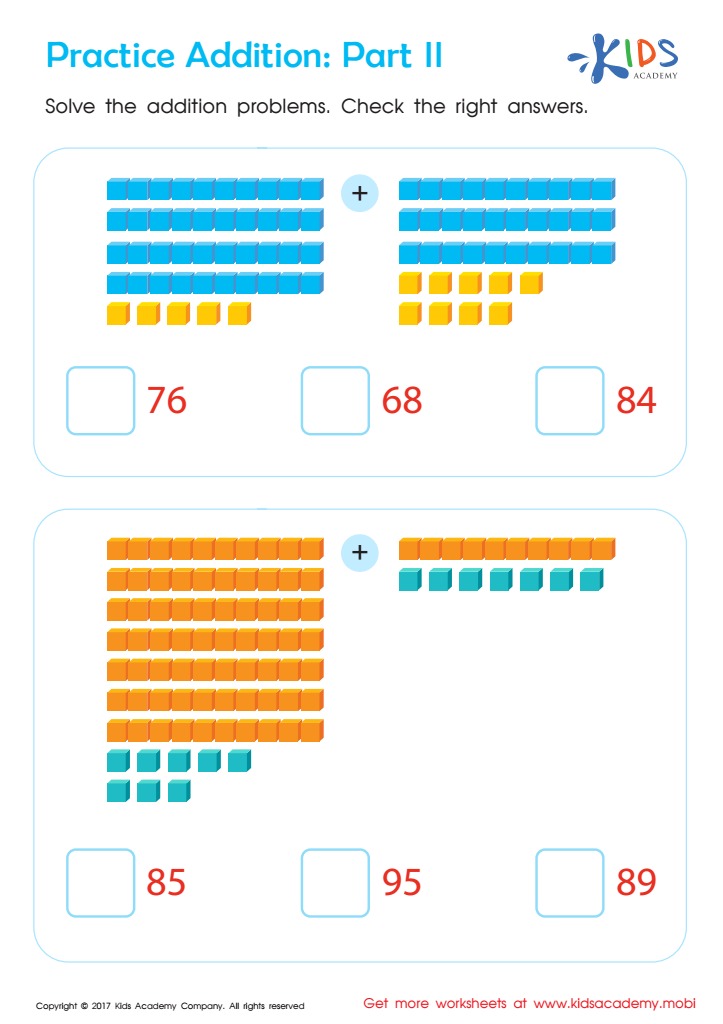
Practice Addition: Part 2 Worksheet
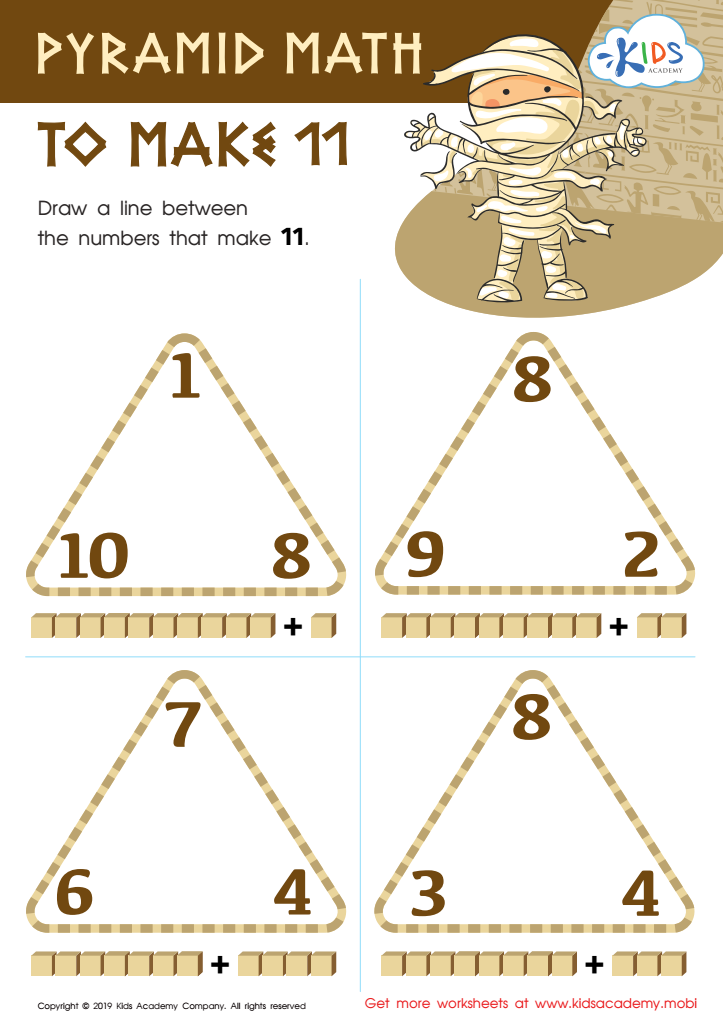
Pyramid Math to Make 11 Worksheet








Addition and subtraction are foundational skills that establish the cornerstone for a child's future learning in mathematics and beyond. For parents and teachers working with children aged 3-9, it is crucial to prioritize normal addition and subtraction practice for several reasons.
First, these skills enhance cognitive development. Young learners develop critical thinking and problem-solving abilities while engaging with numbers, translating to stronger analytical skills later in life.
Second, early mastery fosters confidence. As children become comfortable with basic arithmetic, they are more likely to take risks in their learning and tackle more complex mathematical concepts down the line.
Additionally, normal addition and subtraction practice encourages the development of essential life skills such as budgeting and decision-making. Understanding numbers aids children in making informed choices.
Lastly, academic success is strongly tied to a solid math foundation. Proficiency in addition and subtraction makes transition to multiplication, division, and more advanced operations smoother. Furthermore, recognizing patterns and relationships in numbers leads to improved logical reasoning.
In summary, emphasizing addition and subtraction practice from an early age equips children with the necessary skills and confidence for both academic achievement and everyday challenges, making it a vital focus for parents and educators.








