Enhances addition skills Normal Addition & Subtraction Worksheets for Ages 3-9
3 filtered results
-
From - To
Discover our engaging collection of Normal Addition & Subtraction Worksheets designed specifically for children aged 3-9. These worksheets focus on enhancing addition skills through age-appropriate exercises and activities. With a variety of interactive challenges, young learners will enjoy practicing basic addition and subtraction concepts in a fun, supportive environment. Our thoughtfully crafted worksheets encourage mastery of essential math skills while fostering confidence and critical thinking. Ideal for homeschooling or supplemental learning, these resources are a fantastic way to nurture a strong mathematical foundation. Explore our capabilities to help your child thrive in their early math journey with effective and enjoyable worksheets!
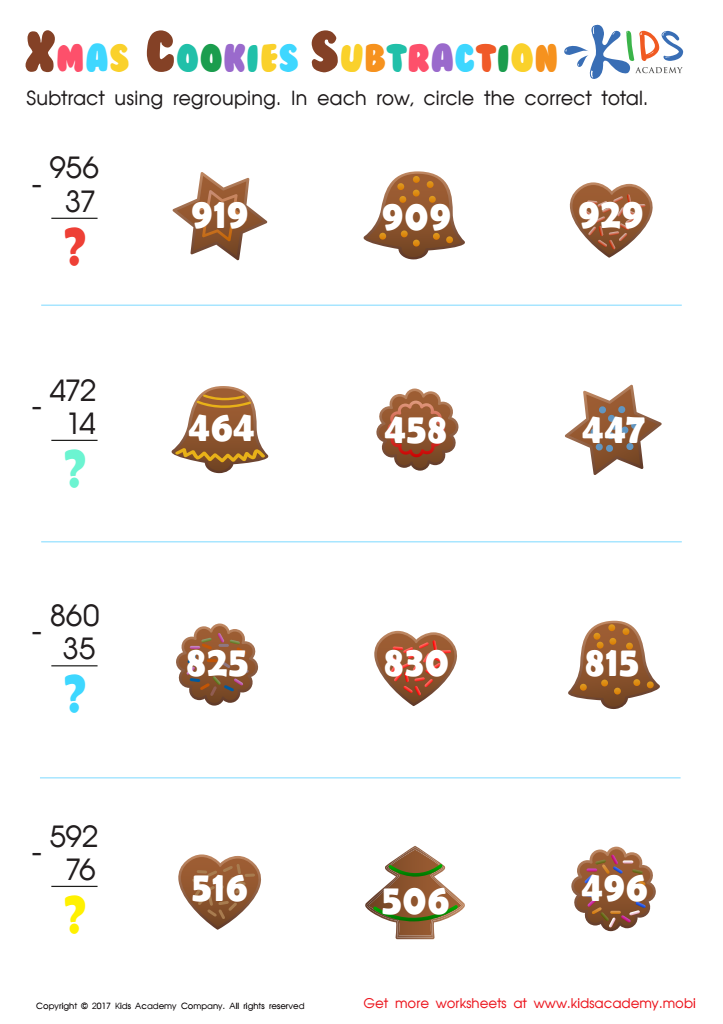
Three Digits Addition with Regrouping Worksheet
 Assign to My Students
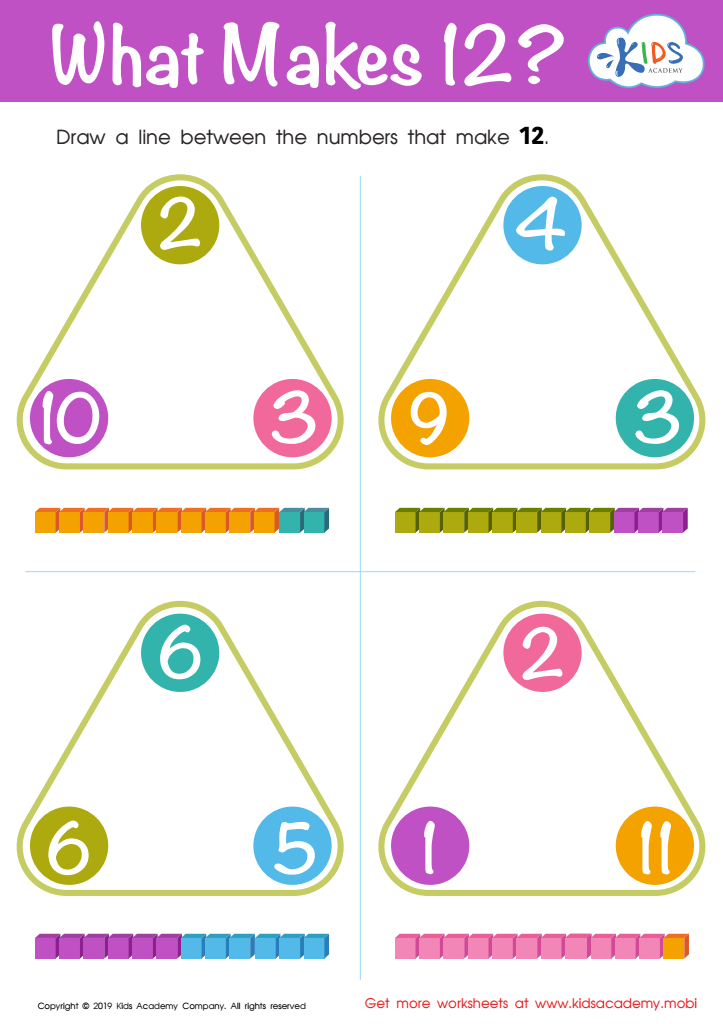
What Makes 12? Worksheet
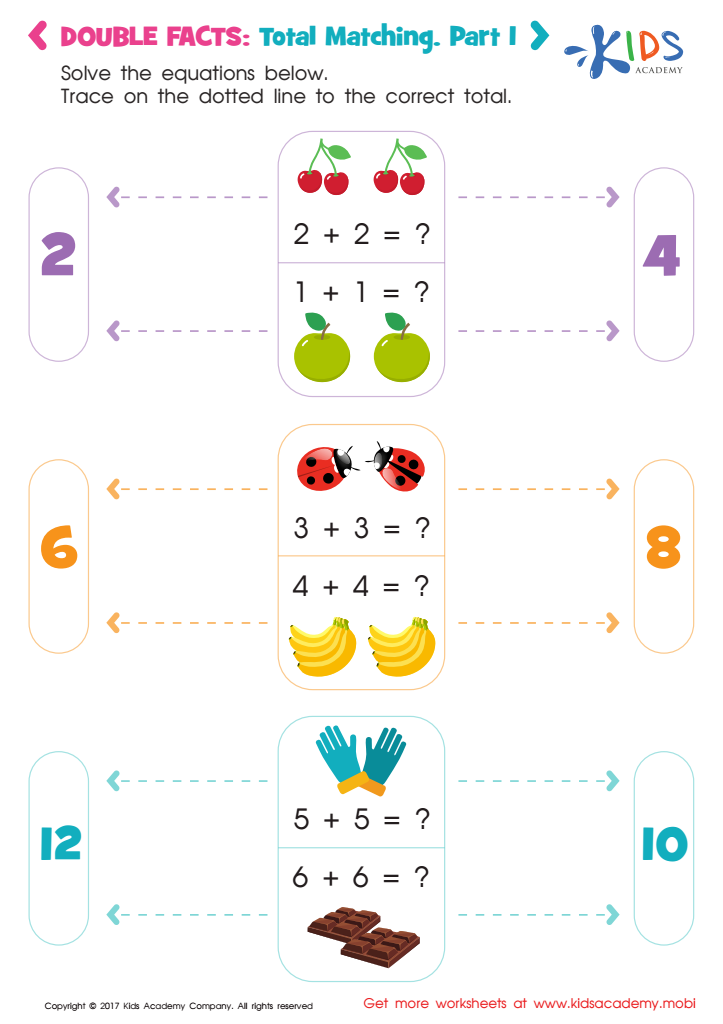
Double Facts: Total Matching Worksheet: Part 1








Enhancing addition and subtraction skills in children aged 3-9 is crucial for several reasons. First, these fundamental math skills provide a strong foundation for future learning. Early mastery of basic addition and subtraction fosters confidence and encourages a positive attitude toward math, making it less daunting as children progress to more complex topics.
Second, mathematical skills are integral to daily life, involving activities like counting money, telling time, and measuring ingredients for cooking. Building these skills early equips children with the ability to navigate real-world situations. Additionally, basic math concepts support the development of critical thinking and problem-solving abilities, essential skills that children will need throughout their lives, regardless of their career paths.
Third, practicing addition and subtraction within this age range can be engaging and fun, creating positive experiences around learning that can instill lifelong habits. Effective teaching methods, such as games and hands-on activities, can enhance learning while keeping children interested.
Lastly, fostering these skills supports overall cognitive development, enhancing memory and concentration. For teachers and parents, investing time in enhancing these skills is vital in nurturing not just mathematically proficient children, but also thoughtful, capable individuals ready to tackle future challenges.








