
Mental math skills Normal Multiplication Worksheets for Ages 3-9
3 filtered results
Difficulty Level
Grade
Age
-
From - To
Subject
Activity
Standards
Unlock the power of mental math with our Normal Multiplication Worksheets designed for children ages 3-9! These engaging worksheets are tailored to boost computational skills through fun, interactive exercises. Perfect for young learners, our resources encourage quick thinking and problem-solving using straightforward multiplication concepts. Children can practice at their own pace, building confidence in their abilities and laying a strong mathematical foundation. With colorful illustrations and age-appropriate tasks, these worksheets not only make learning enjoyable but also foster a love for math. Join us in nurturing your child's mental math prowess with our thoughtfully crafted multiplication worksheets!
Favorites
With answer key
Interactive
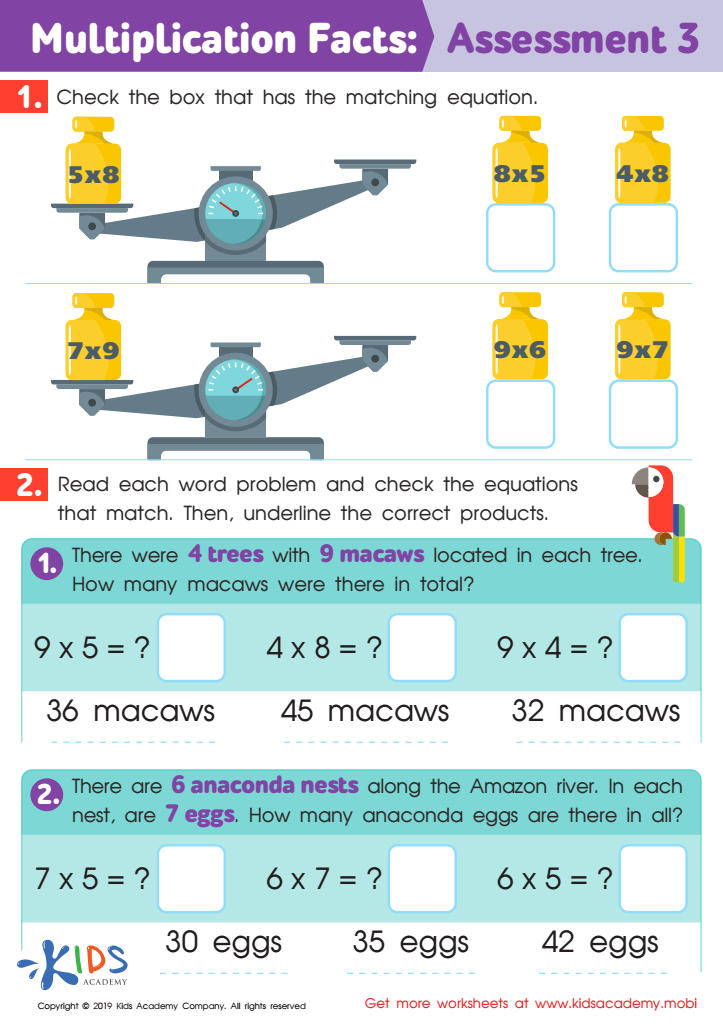
Multiplication Facts: Assessment 3 Worksheet
Test your kid's maths skills with this easy to use worksheet! Help them check the box that matches the equation in the first part, then read each word problem and underline the right answers to the second part. Assess your child's muliplication knowledge and find out where they need extra help.
 Assign to My Students
Multiplication Facts: Assessment 3 Worksheet
Worksheet
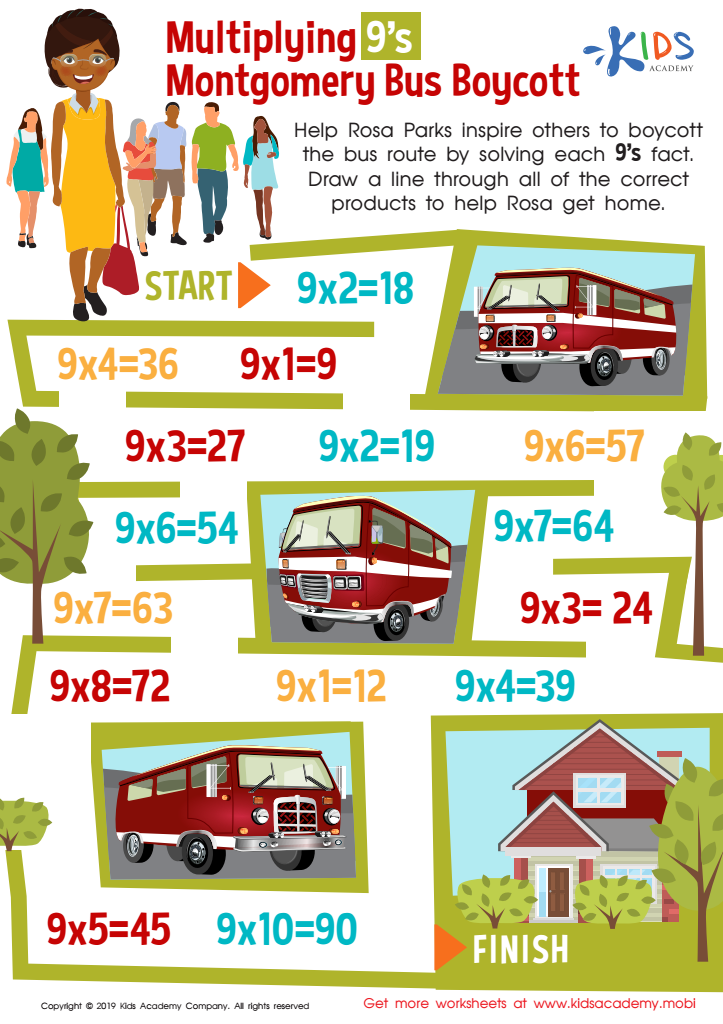
Multiplying 9’s Montgomery Bus Boycott Worksheet
As your students learn math, the numbers get bigger. This worksheet is great for learning the nine times table. Help Rosa Park get home - ask them to solve each multiplication fact, then draw a line through the correct products. Encourage your students to stand up for what's right!
Multiplying 9’s Montgomery Bus Boycott Worksheet
Worksheet
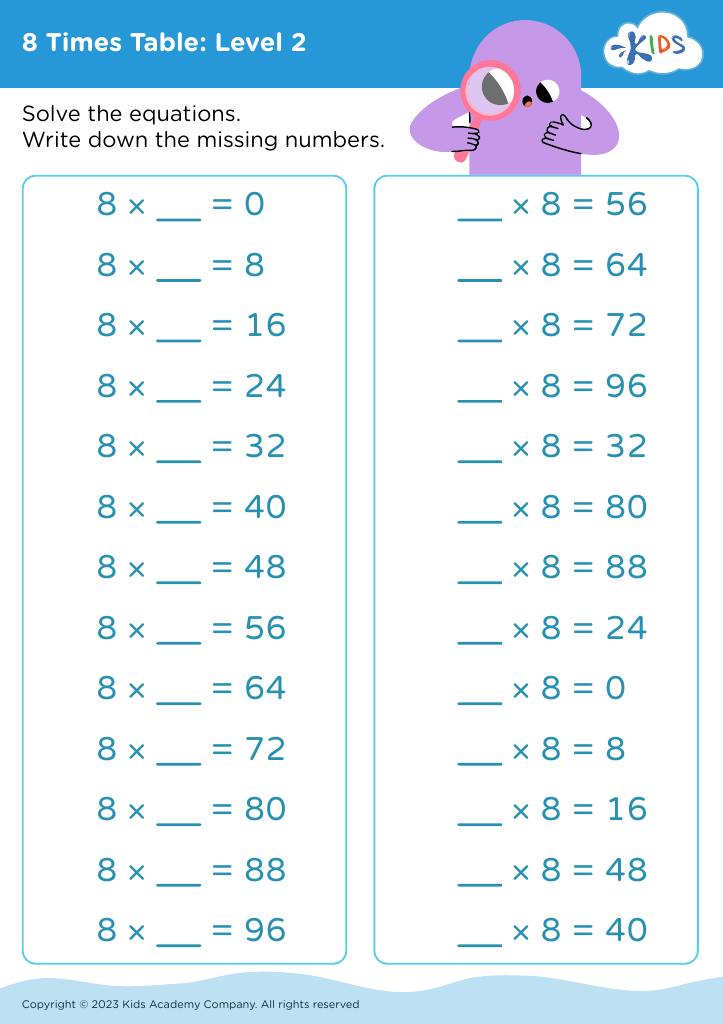
Join Kids Academy for Free
Who is primarily going to use this learning content?



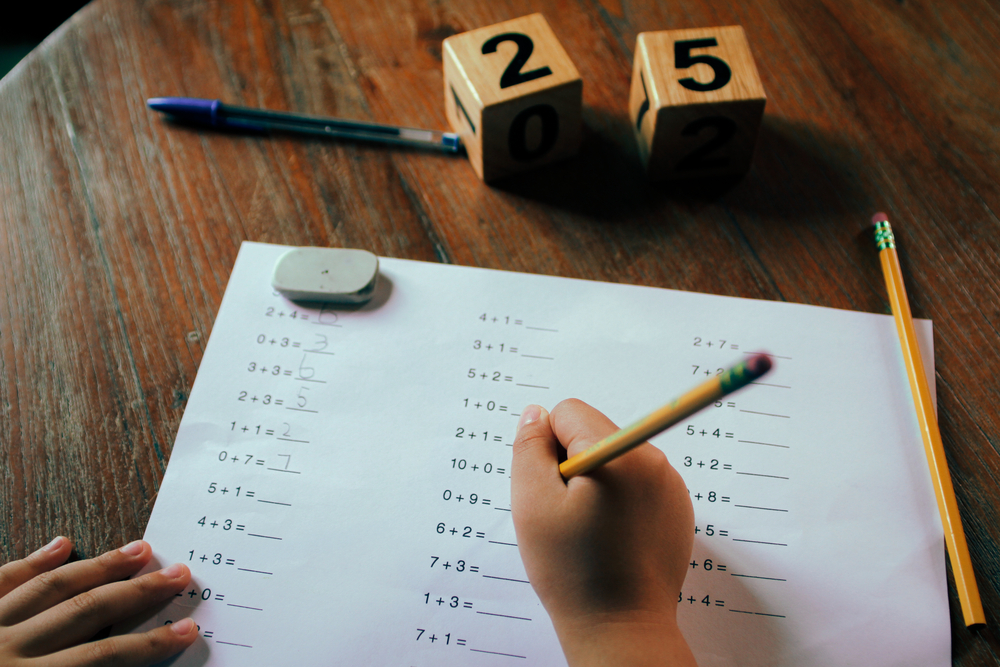




Parents and teachers should prioritize mental math skills like normal multiplication for children aged 3-9 because these abilities lay a strong foundation for future mathematical understanding. Early development of mental math promotes cognitive skills, allowing children to quickly process and solve math problems without relying on paper or calculators. This enhances their problem-solving skills, critical thinking, and encourages them to become more confident in their numerical abilities.
Additionally, fostering mental math can enhance children’s overall academic performance. A strong grasp of multiplication aids in understanding more complex concepts in later grades, including fractions, division, and word problems. Engaging in mental math also encourages curiosity and a growth mindset; children learn that they can tackle challenges through practice and perseverance.
When children frequently practice mental math, they also develop greater estimation skills, which are valuable for real-life applications. This not only helps them in academic settings but also equips them with essential life skills for everyday calculations. Finally, prioritizing these skills can ignite a passion for mathematics, making it an enjoyable and rewarding subject rather than one filled with fear or anxiety. Thus, mental math skills should be a key focus in early education to set children up for lifelong success in mathematics.








