Reading skills development Normal Building Vocabulary Worksheets for Ages 3-9
3 filtered results
-
From - To
Unlock your child's potential with our engaging Building Vocabulary Worksheets, designed specifically for ages 3-9! These worksheets focus on essential reading skills development, helping young learners expand their vocabulary in a fun and interactive way. With a variety of activities tailored to different age groups, children will enjoy exploring new words through games, matching exercises, and illustrations. Our user-friendly resources support early literacy, making it easier for you to foster a love for reading in your child. Visit us today to access these invaluable tools and set your little ones on a path to reading success!
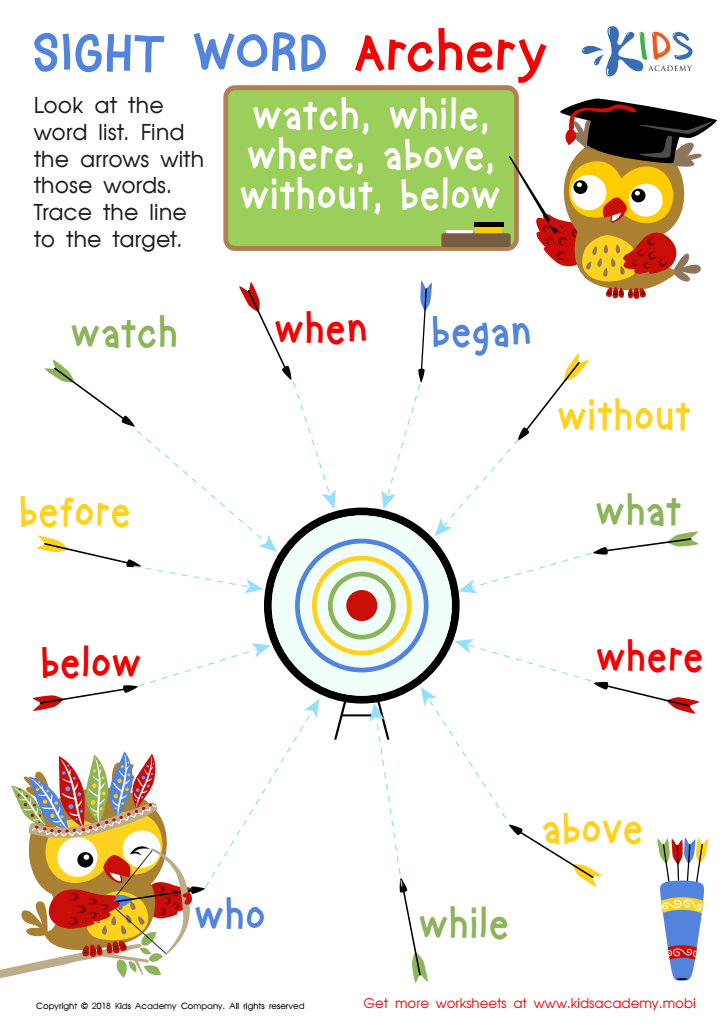
Sight Word Archery Worksheet
 Assign to My Students











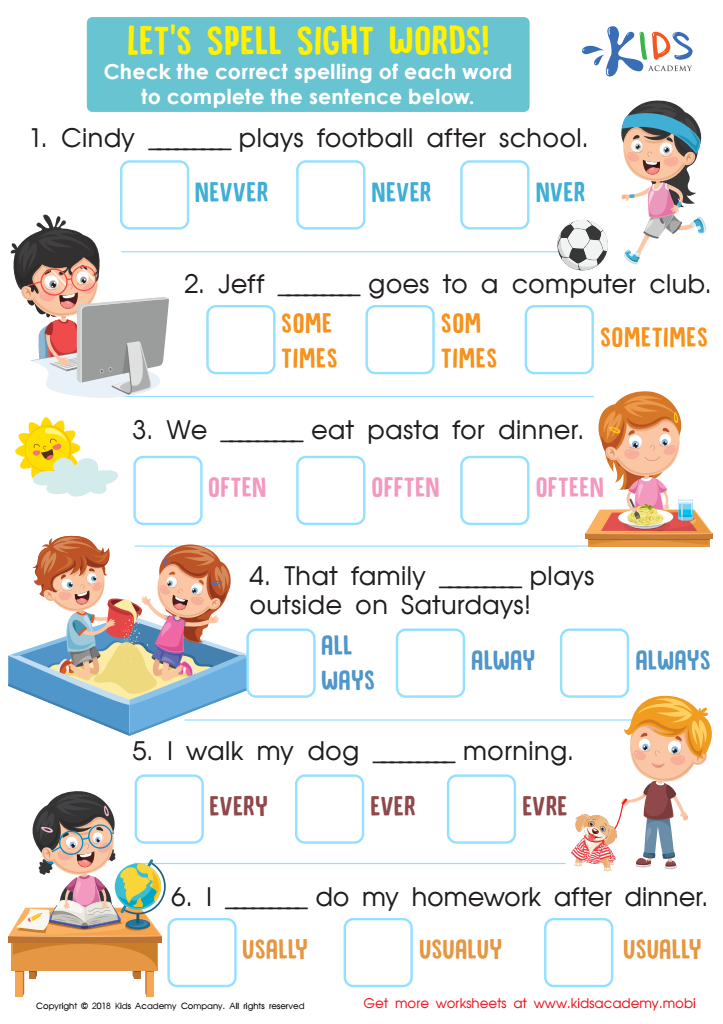
Let's Spell Sight Words Worksheet
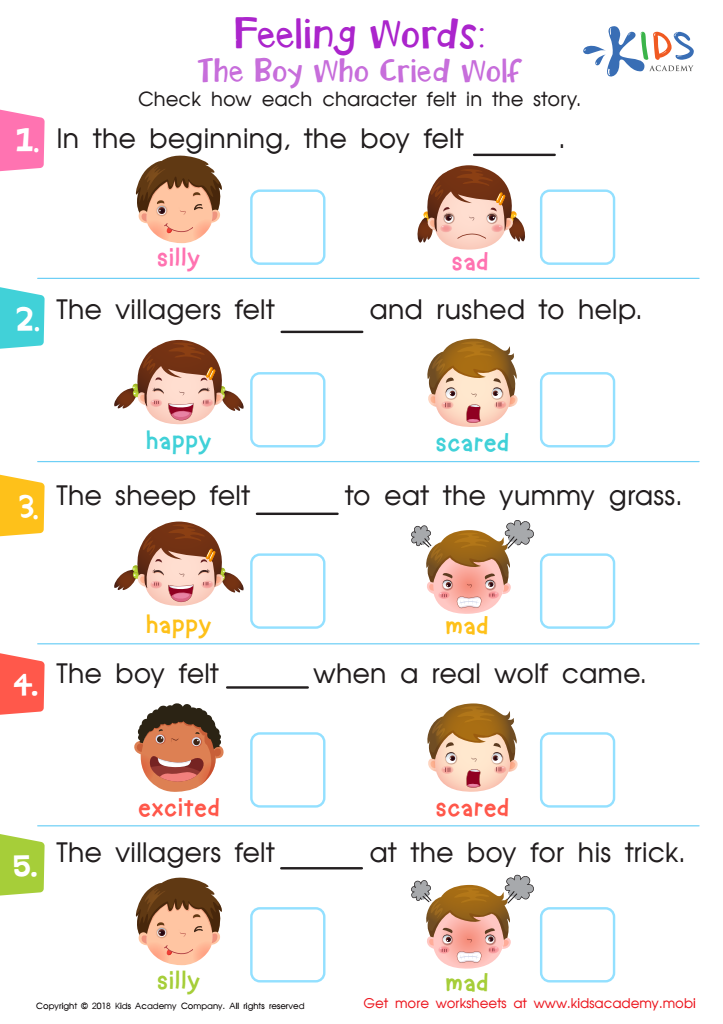
Feeling Words: The Boy Who Cried Wolf Worksheet



.jpg)




Parents and teachers should prioritize reading skills development and vocabulary building for children ages 3 to 9, as these foundational abilities are crucial for lifelong learning and success. Early exposure to reading enriches language acquisition, enabling children to communicate effectively and express their thoughts. During these formative years, children are particularly receptive to new words and concepts, making it an ideal time for vocabulary expansion.
Moreover, strong reading skills foster cognitive development, as children learn to think critically and analyze information. A robust vocabulary aids comprehension, allowing children to understand and engage with more complex texts as they progress in school. This, in turn, leads to better academic performance across subjects, not just in literacy.
Additionally, building vocabulary through reading strengthens children’s social-emotional skills. Books can introduce diverse perspectives and experiences, helping children to empathize with others and navigate their social world. By encouraging a love for reading and vocabulary exploration, parents and teachers lay the groundwork for confident, articulate individuals.
In summary, investing time in developing reading skills and vocabulary in young children is essential for their intellectual growth, academic success, and social-emotional development, ultimately setting them up for a prosperous future.








