Counting practice Normal Reading Worksheets for Ages 3-9
4 filtered results
-
From - To
Discover our engaging Counting Practice Normal Reading Worksheets, designed for children ages 3-9. These worksheets blend fun counting activities with reading exercises to develop early math skills alongside literacy. Each worksheet features vibrant illustrations and interactive tasks tailored to different learning stages. Perfect for home or classroom use, these activities help enhance number recognition, sequencing, and basic arithmetic through age-appropriate reading practice. Ideal for young learners, our resources make counting enjoyable and educational, fostering confidence and proficiency in both math and reading. Visit now to support your child's learning journey with our expertly crafted worksheets.
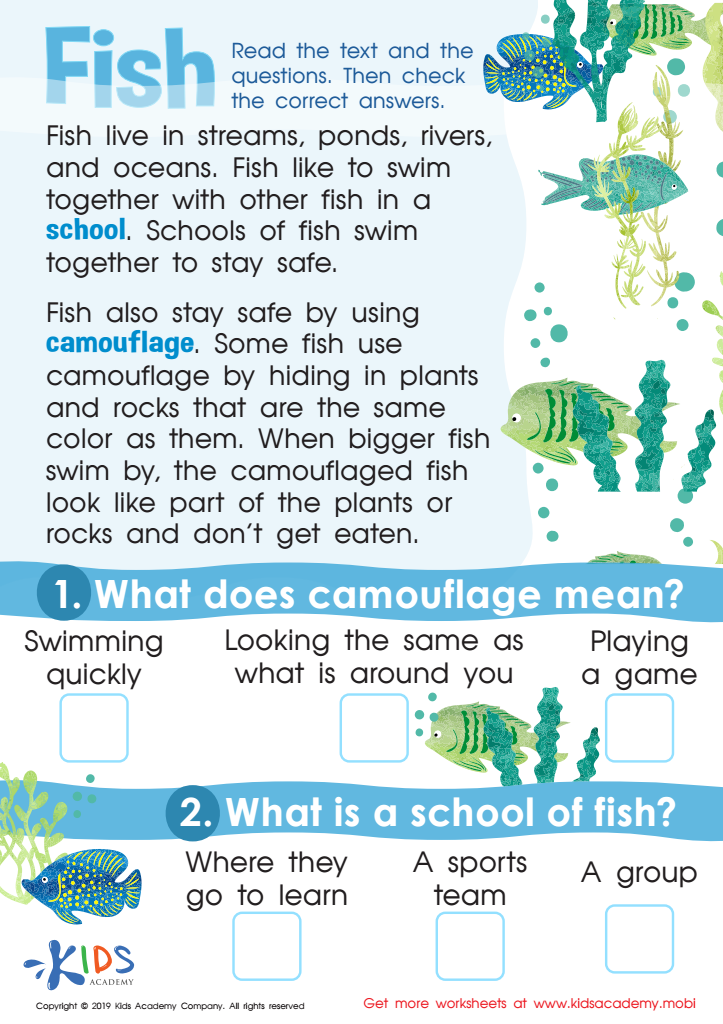
Fish Worksheet
 Assign to My Students
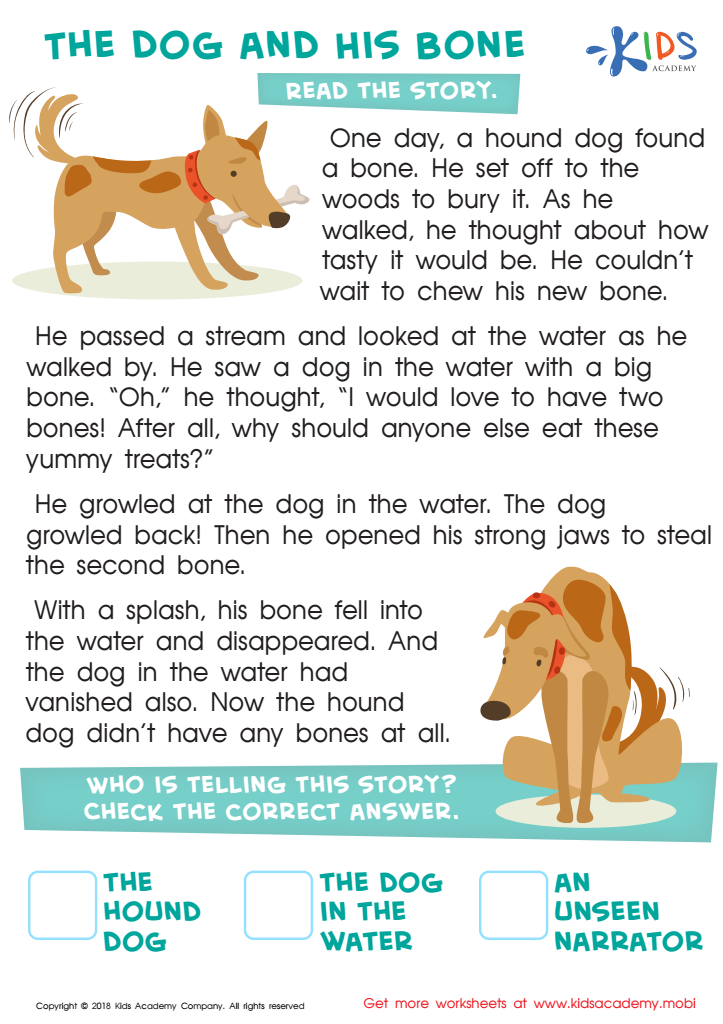
The Dog and His Bone Worksheet
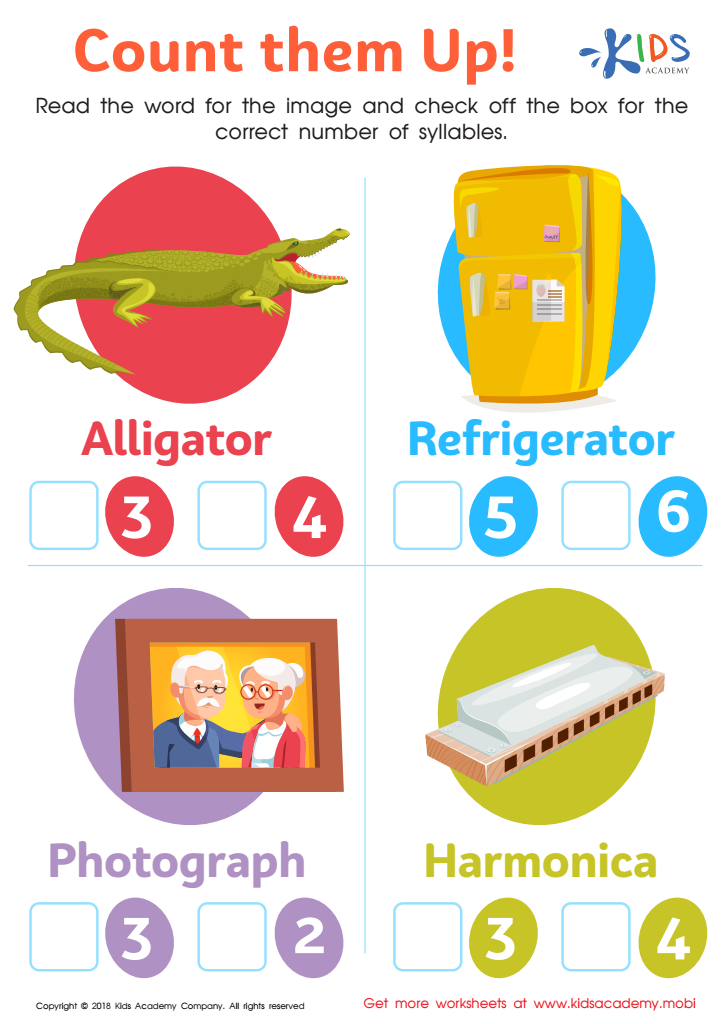
Count Them Up Worksheet
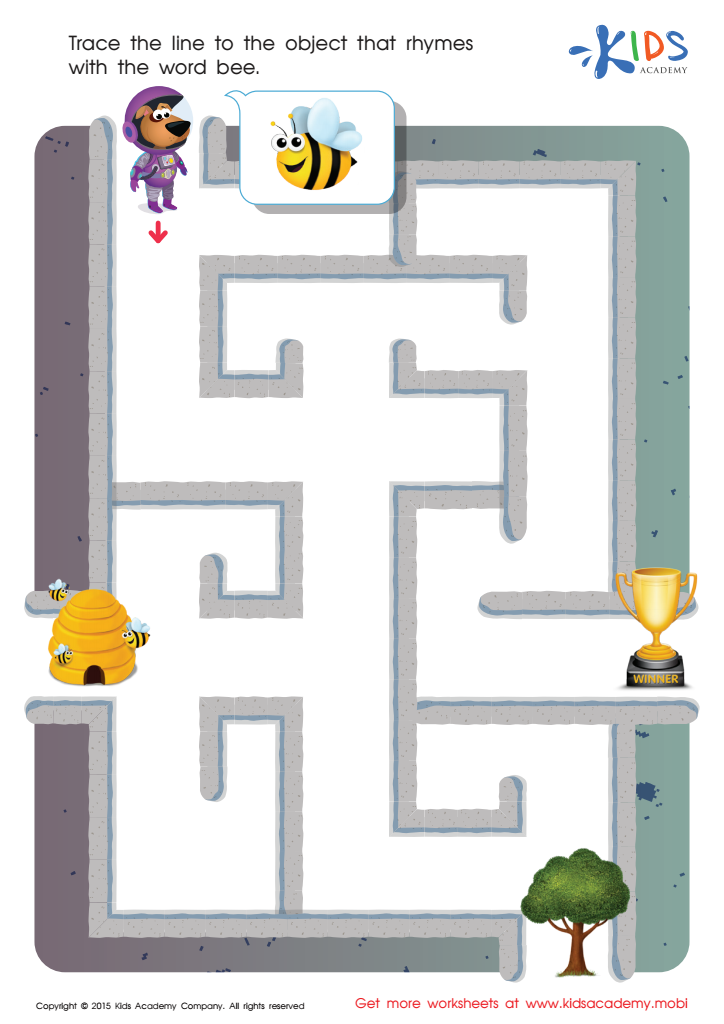
Bee Rhyming Words Worksheet


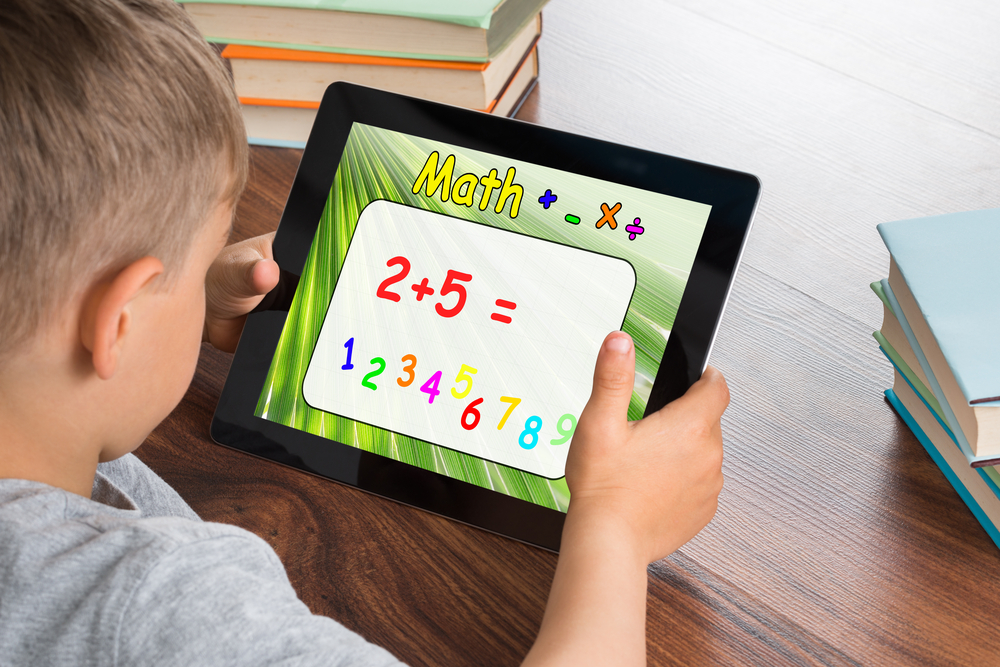





Counting practice and normal reading for children aged 3-9 are vitally important for several reasons, laying foundational skills that support lifelong learning and cognitive development.
First, counting practice enhances numerical literacy, helping children understand number sequences, quantities, and basic arithmetic concepts. This foundational math skill is essential not only for academic success but also for daily activities, from managing time to handling money. Consistent counting exercises can build confidence, precision, and a positive attitude toward mathematics from an early age.
Normal reading routines are equally crucial, burgeoning literacy skills such as comprehension, vocabulary, and critical thinking. Reading activates a child’s imagination, exposing them to different worlds, ideas, and cultures, fostering empathy and creativity. Phonemic awareness and decoding skills developed through reading are paramount for fluent reading and effective communication.
Moreover, interactive counting and reading contribute to the holistic development of children by improving fine motor skills through turning pages or using counters, and enhancing focus, patience, and perseverance. These activities are often shared experiences that strengthen bonds between parents, teachers, and children, providing a sense of security and belonging.
Thus, prioritizing counting and reading practices grants children a robust educational foundation, encouraging a love for learning that pays dividends throughout their academic journey and beyond.








