Identifying story elements Normal Reading Worksheets for Ages 3-9
3 filtered results
-
From - To
Explore our engaging "Identifying Story Elements" Normal Reading Worksheets designed for kids ages 3-9! These interactive resources support young readers in recognizing key components of a story, including characters, setting, plot, and themes. By using fun activities and colorful illustrations, children will enhance their comprehension skills while developing a love for reading. Perfect for classroom use or homeschooling, our worksheets are tailored to meet the developmental needs of early learners. Boost your child's literacy skills and confidence with our creative worksheets, making learning an enjoyable adventure. Visit our site to access these valuable educational tools today!
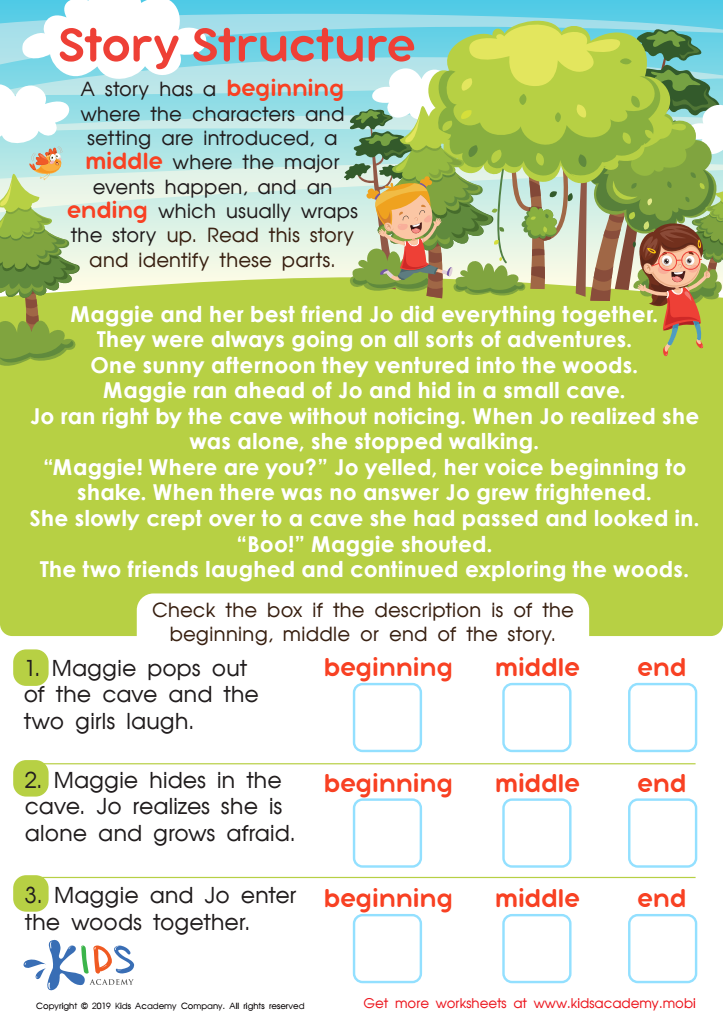
Story Structure Worksheet
 Assign to My Students
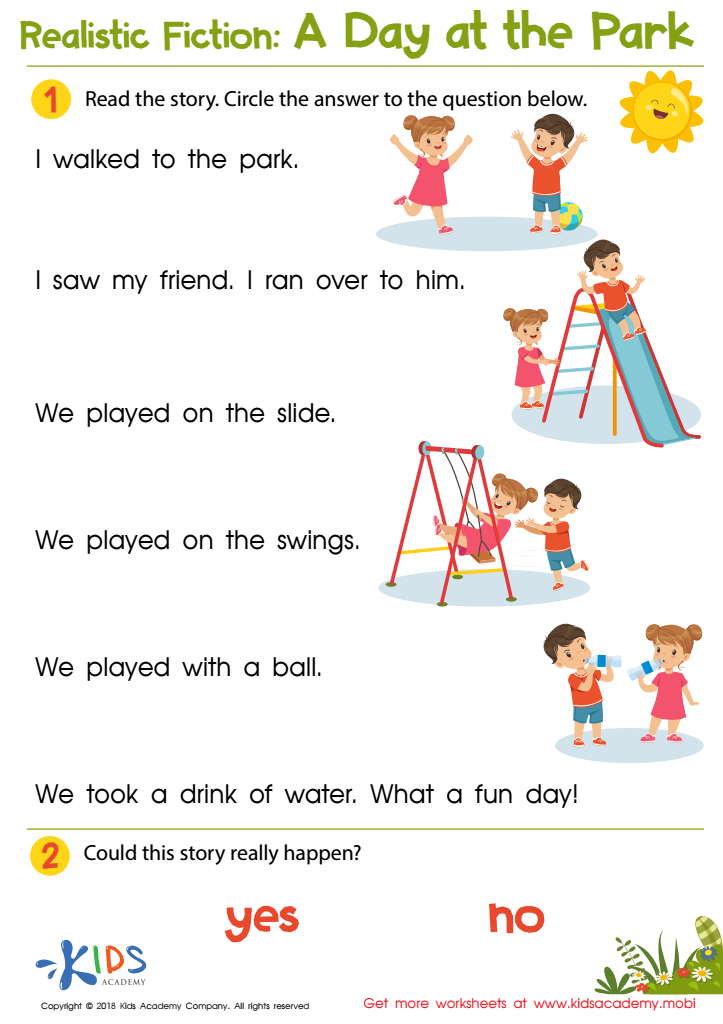
A Day at the Park Worksheet
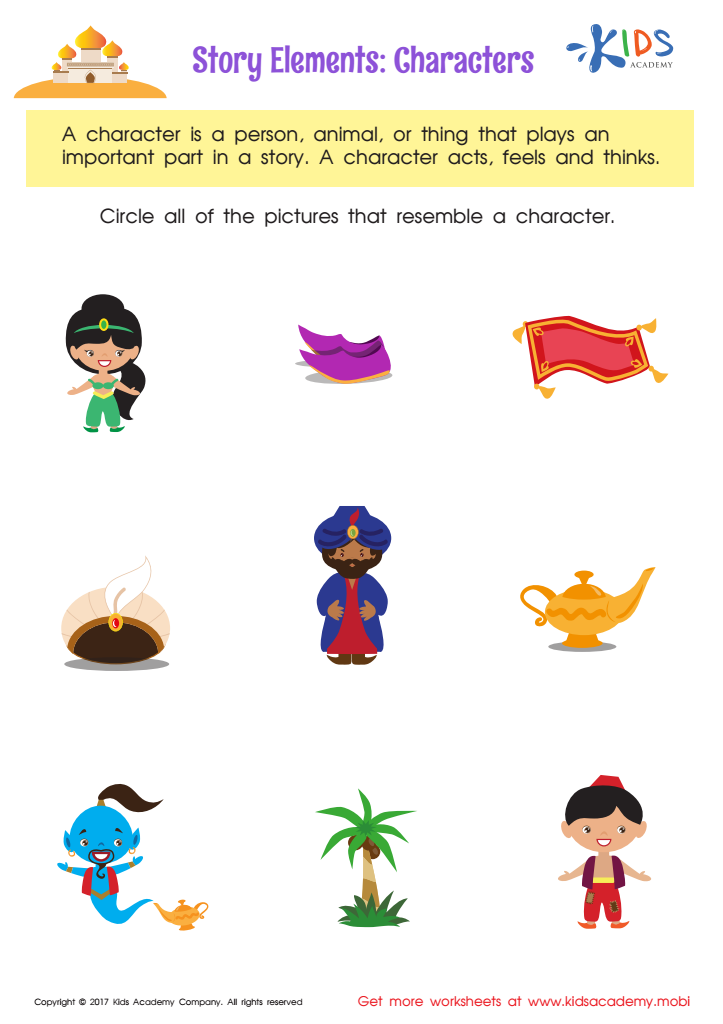
Story Elements Printable



.jpg)




Identifying story elements is crucial for children aged 3-9 as it lays the foundation for literacy development and comprehension skills. Understanding basic story elements such as characters, setting, plot, conflict, and resolution helps children engage with narratives more deeply. Familiarity with these components enriches their reading experiences, allowing them to predict outcomes, infer meanings, and connect personally with the story.
When parents and teachers emphasize narrative elements, they foster critical thinking and analytical skills, enabling kids to dissect and understand the structure of stories. This practice nurtures creativity, as children become inspired to craft their own narratives, enhancing their writing skills. Additionally, working through these elements promotes discussion and enhances vocabulary, as children learn to articulate their thoughts about stories.
Incorporating story elements into reading activities can transform learning into an enjoyable and interactive experience. Parents and teachers who actively participate in this process help develop a child's love for reading, fostering a lifelong habit. Ultimately, recognizing story elements not only supports literacy but also encourages social-emotional learning as children relate to characters and conflicts, teaching empathy and understanding of diverse perspectives. Investing time in this area is vital for developing well-rounded, articulate readers.








