Vocabulary development Normal Reading Worksheets for Ages 3-9
20 filtered results
-
From - To
Unlock your child's reading potential with Kids Academy's Vocabulary Development Normal Reading Worksheets for Ages 3-9! Our expertly crafted worksheets are designed to enhance your child's language skills, expanding their vocabulary through engaging and age-appropriate activities. Perfect for early learners, these interactive exercises promote critical thinking and comprehension, setting the foundation for successful reading. Whether practicing at home or supplementing classroom lessons, our worksheets make learning fun and effective. Help your child discover the joy of reading and build a robust vocabulary with Kids Academy's high-quality resources. Elevate their literacy journey today!
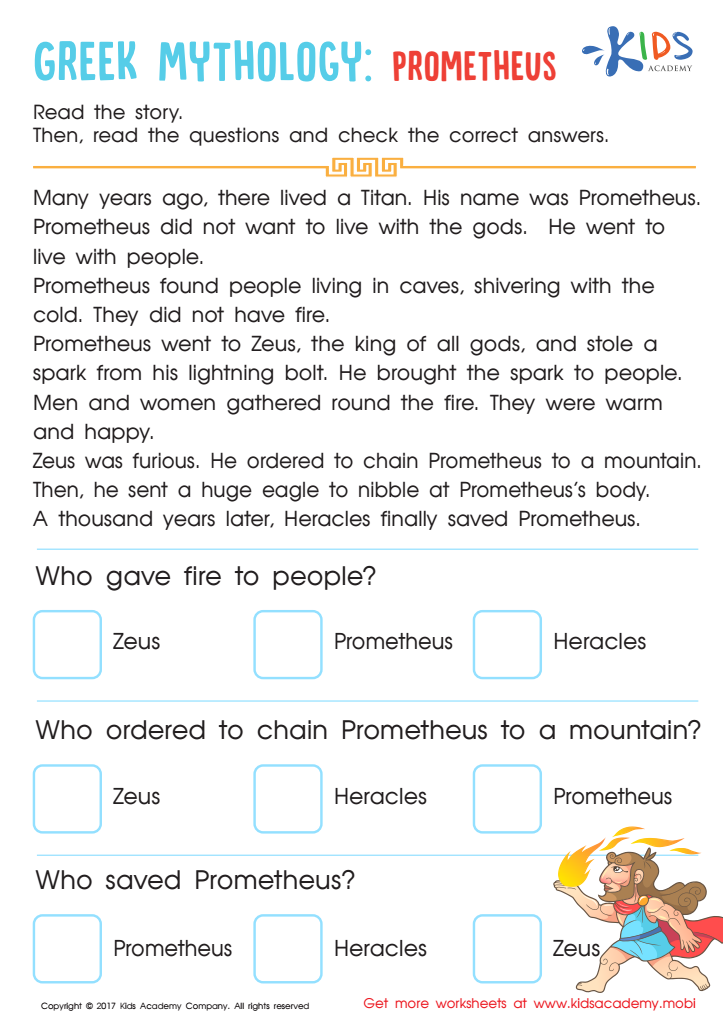
Prometheus Story Worksheet
 Assign to My Students
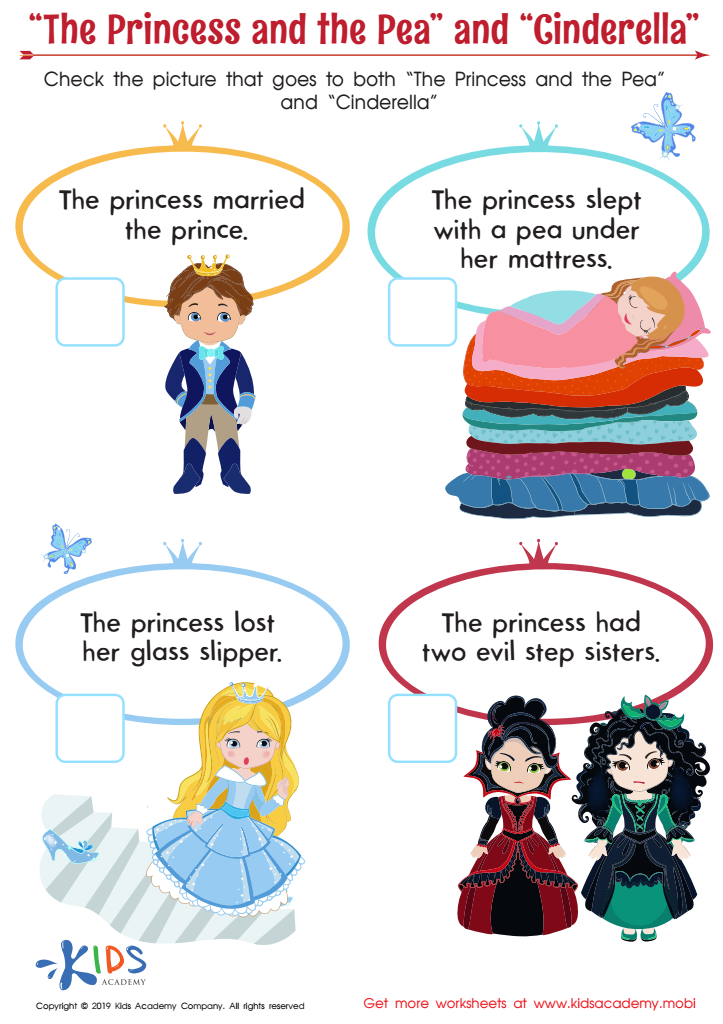
“The Princess and the Pea” and “Cinderella” Worksheet
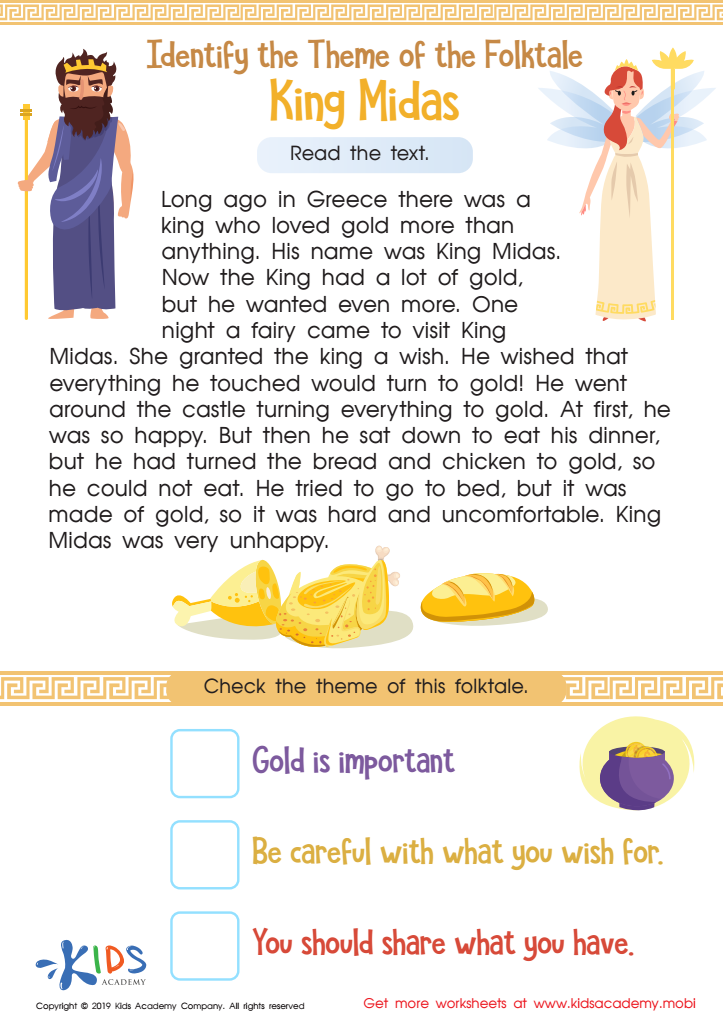
King Midas Worksheet
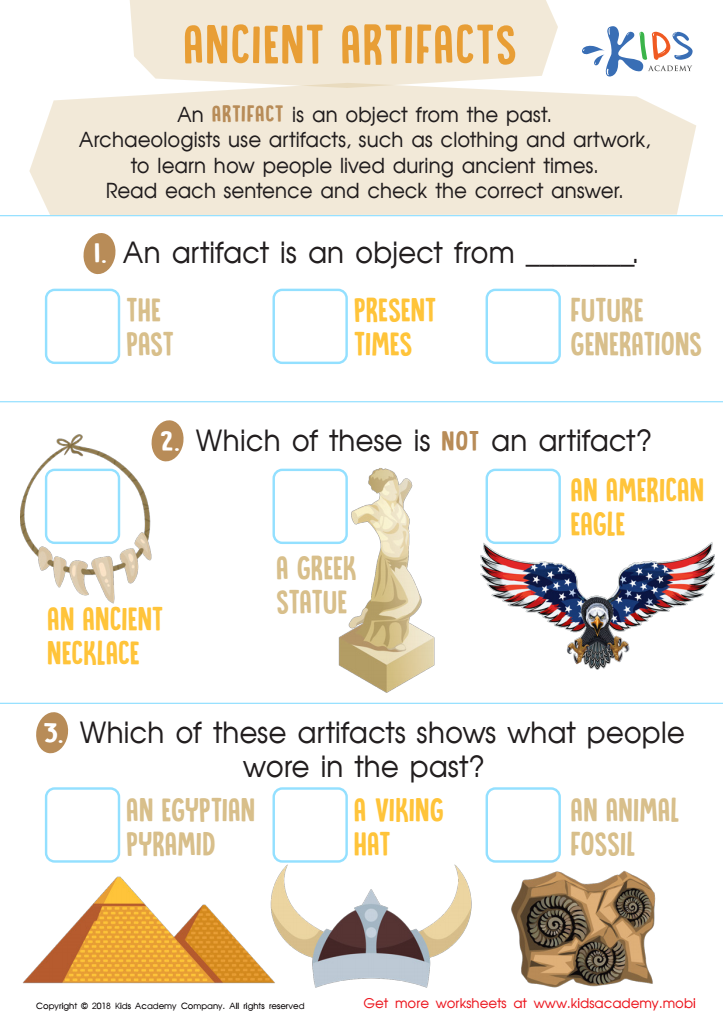
Ancient Artifacts Worksheet
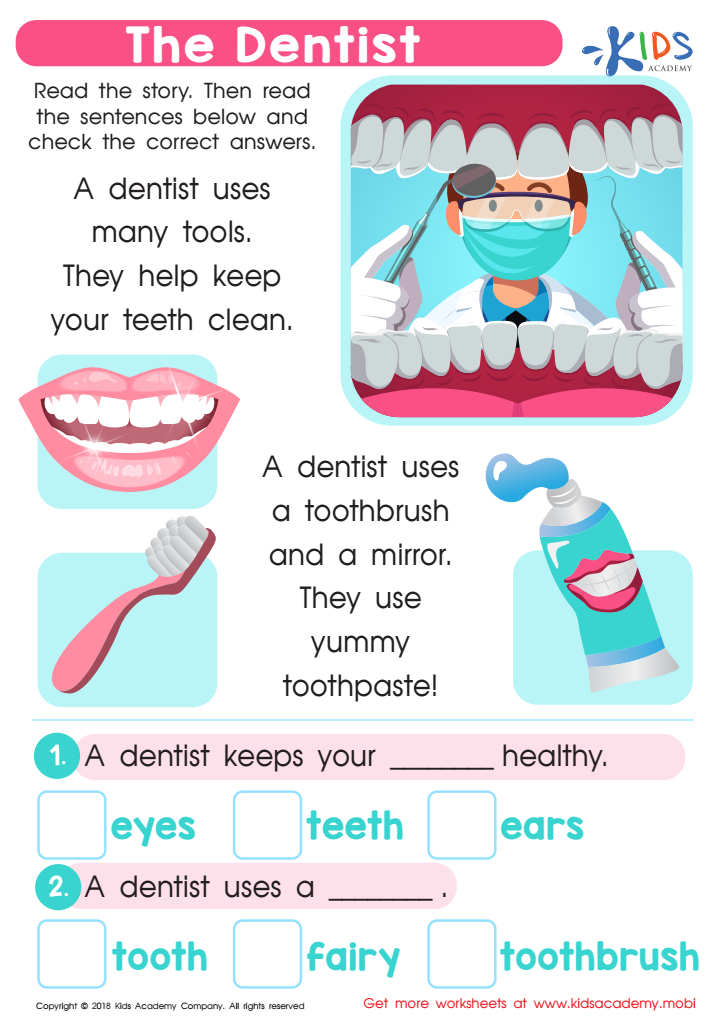
The Dentist Worksheet
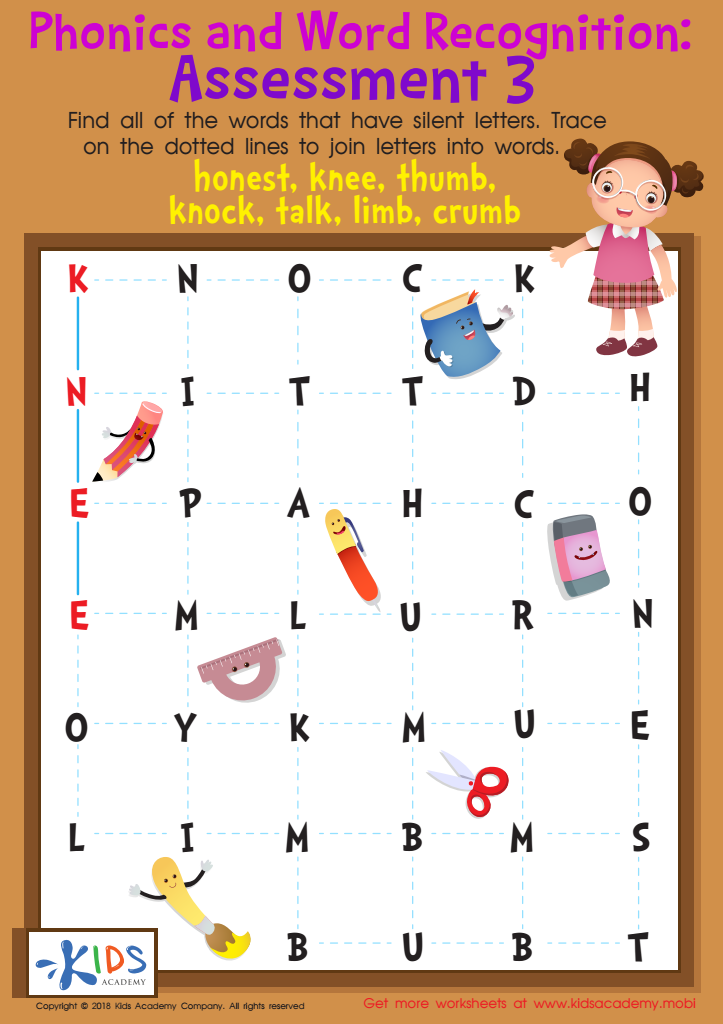
Phonics and Word Recognition: Assessment 3 Worksheet
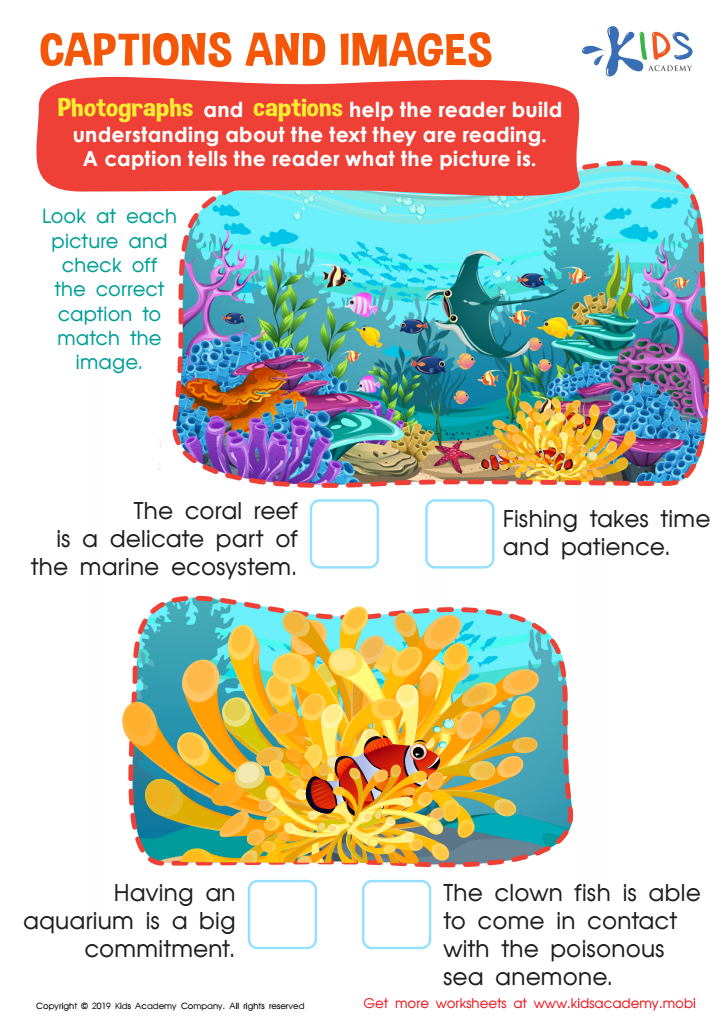
Captions and Images Worksheet
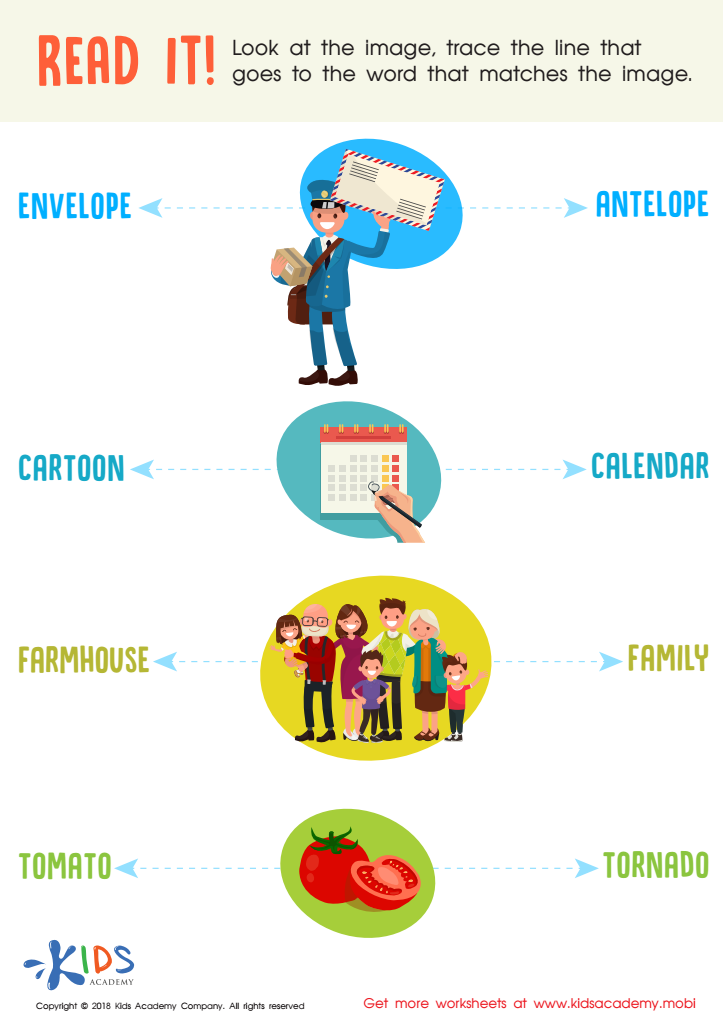
Read It! Worksheet
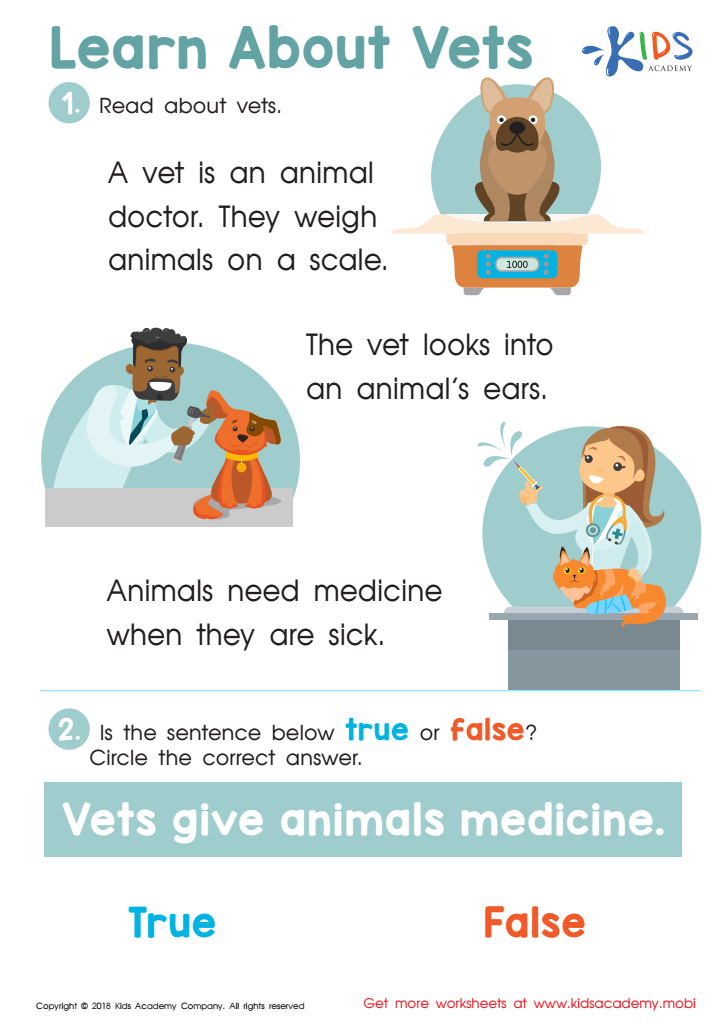
Learn About Vets Worksheet
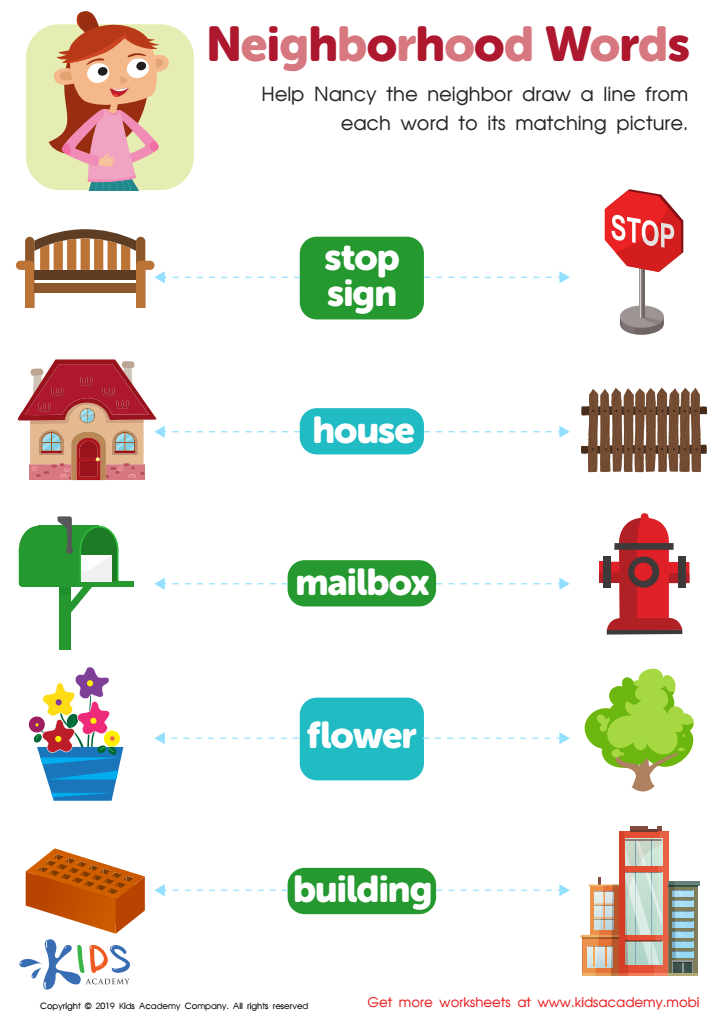
Neighborhood Words Worksheet
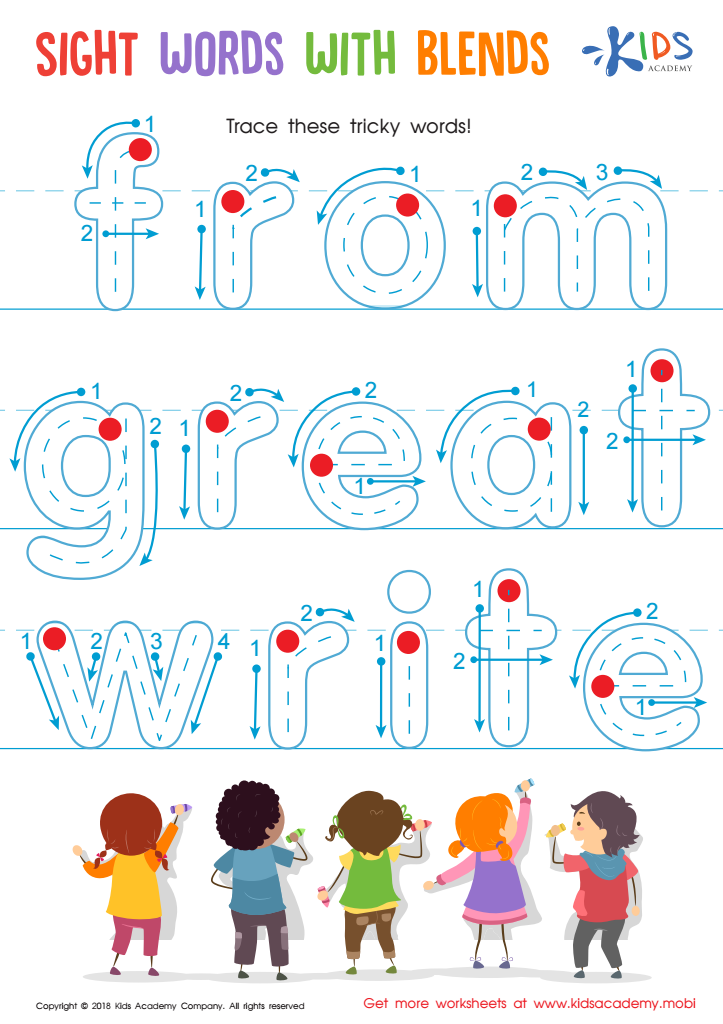
Sight Words with Blends Worksheet
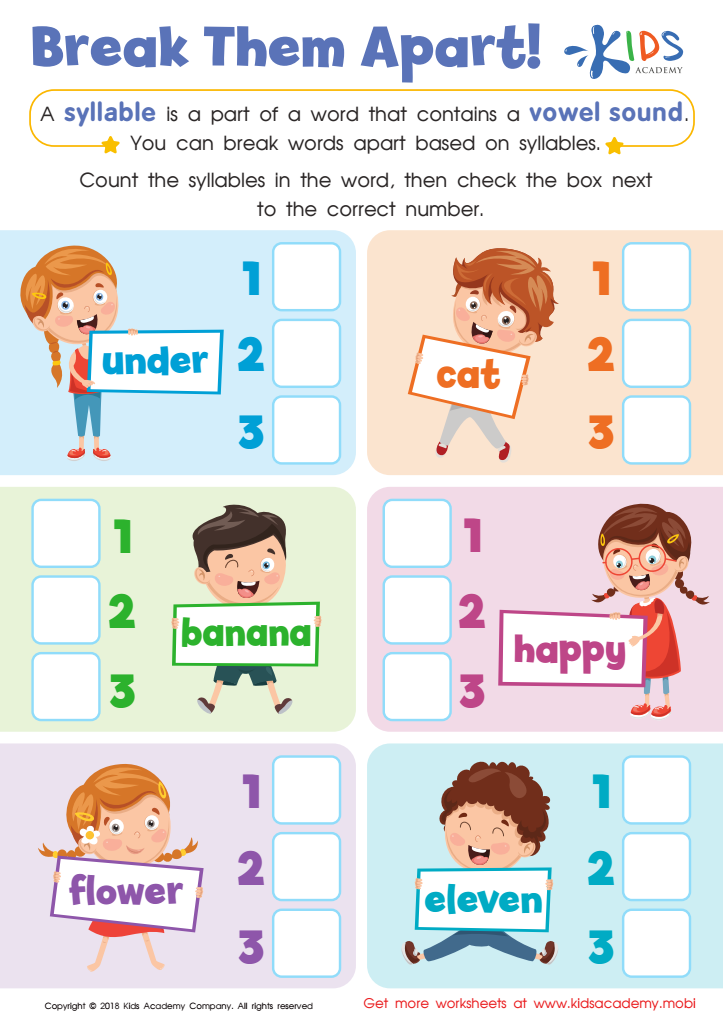
Reading: Break Them Apart Worksheet
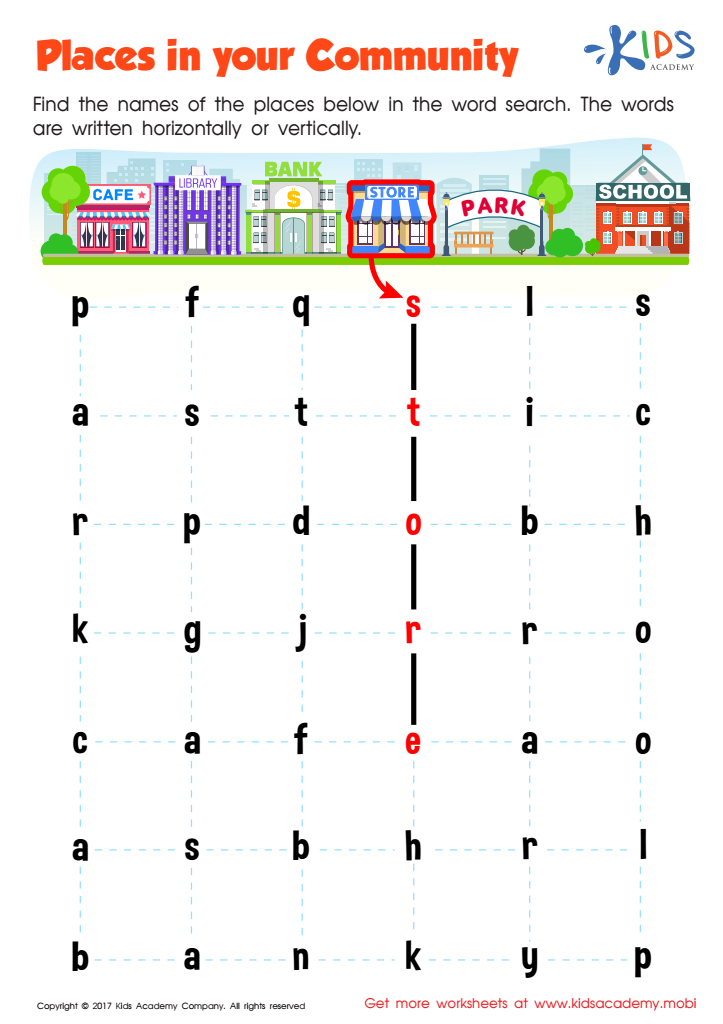
Places in Your Community Worksheet
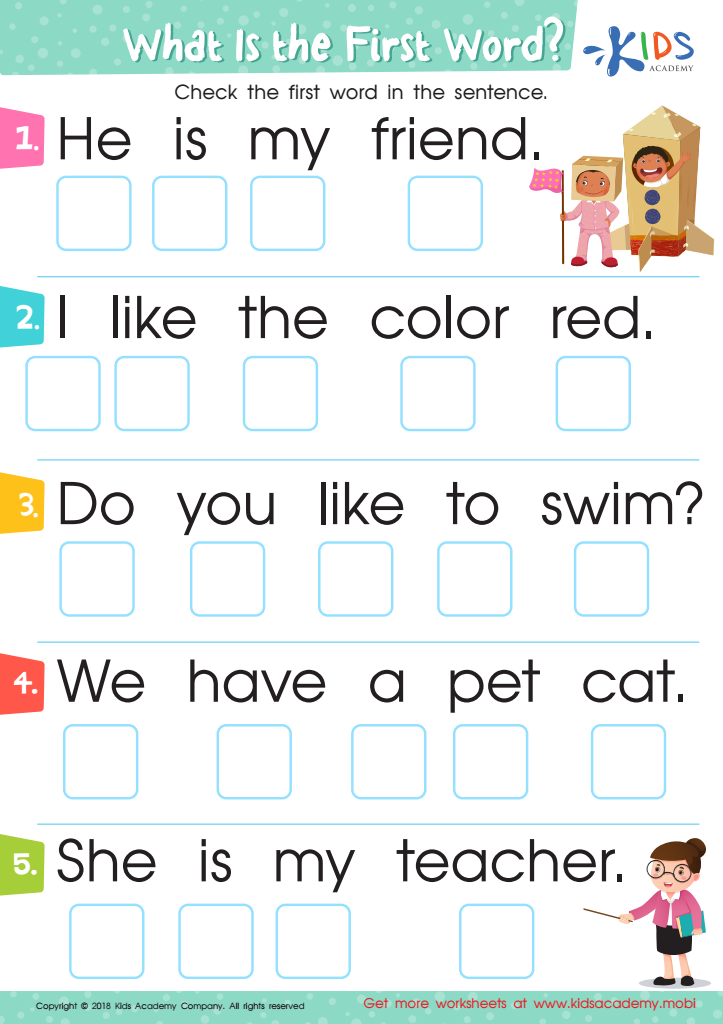
What is the First Word? Worksheet
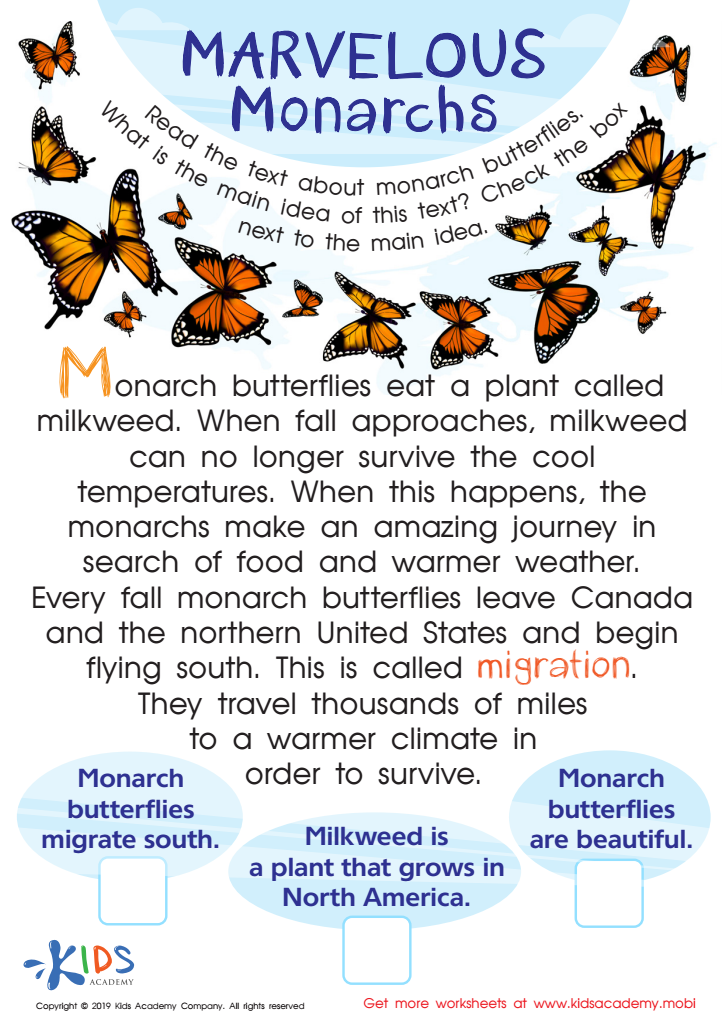
Marvelous Monarchs Worksheet
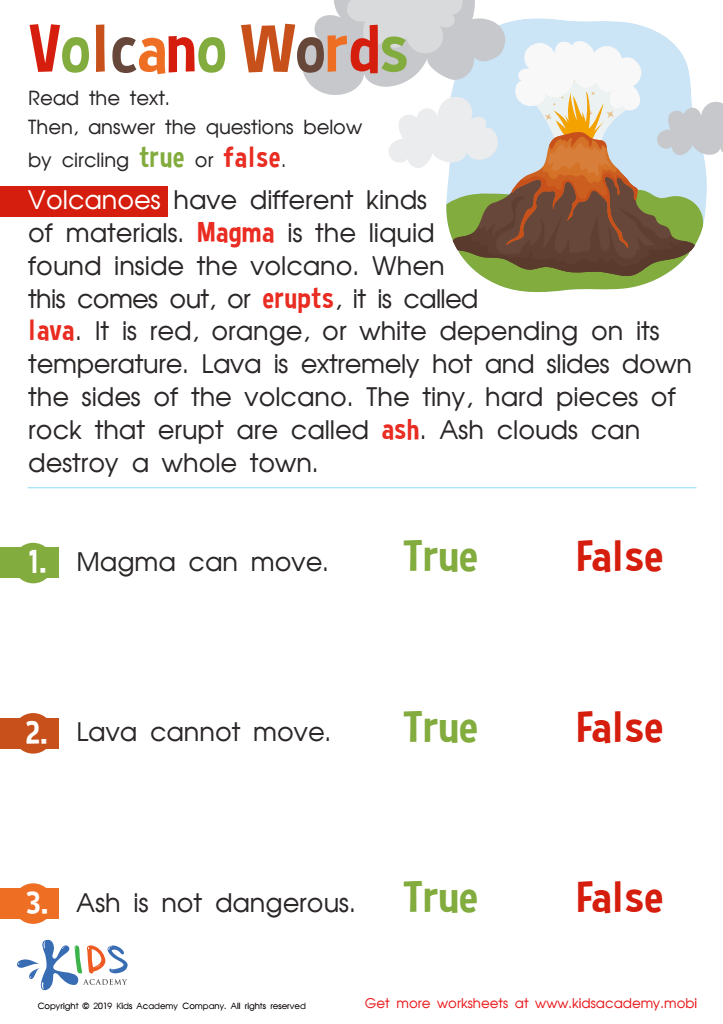
Volcano Words Worksheet
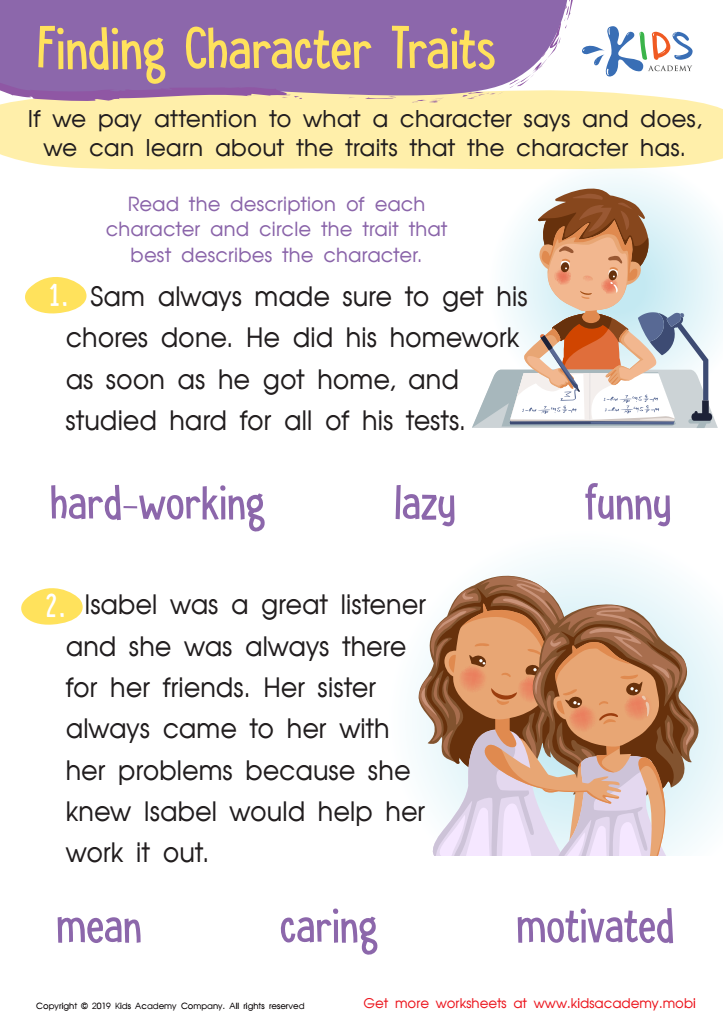
Finding Character Traits Worksheet
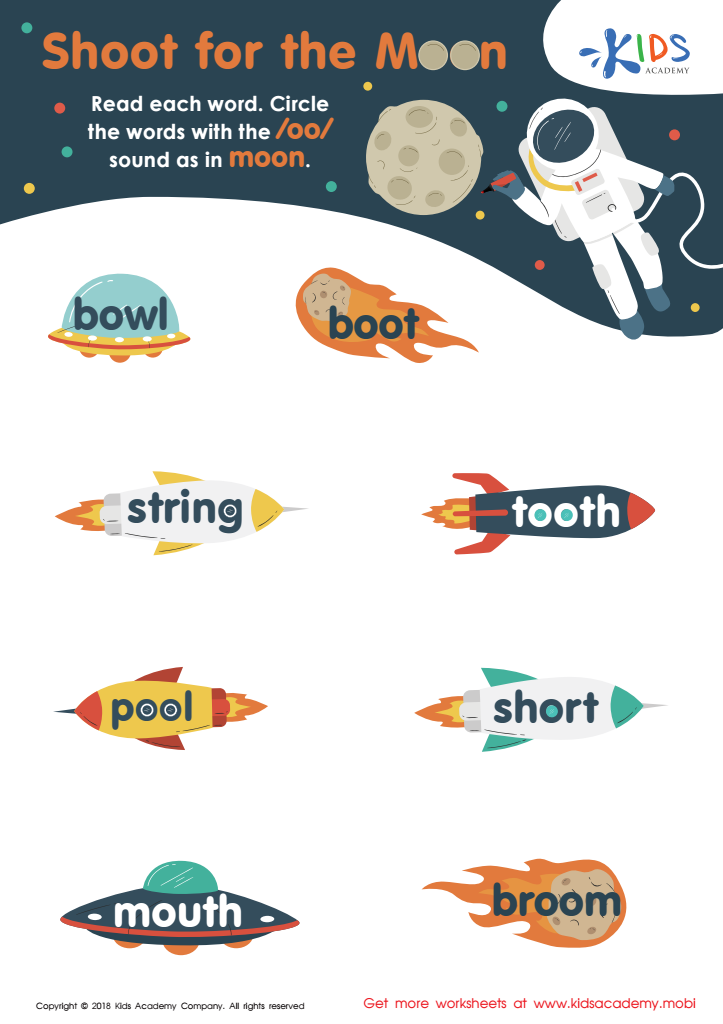
Reading: Shoot for the Moon Worksheet
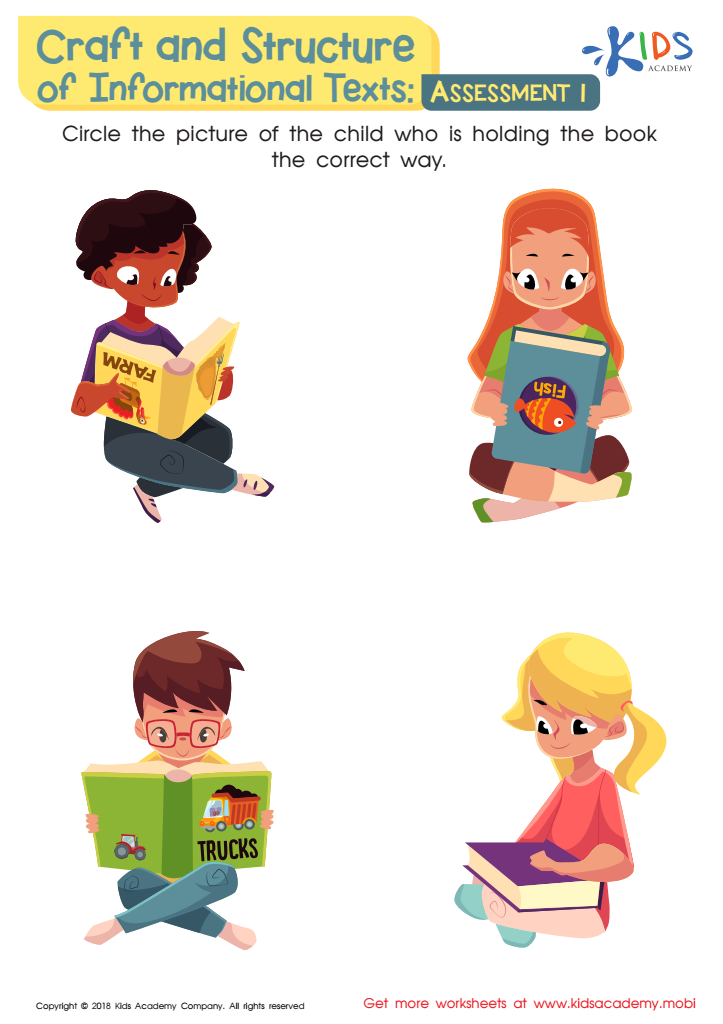
Craft and Structure of Informational Texts: Assessment 1 Worksheet
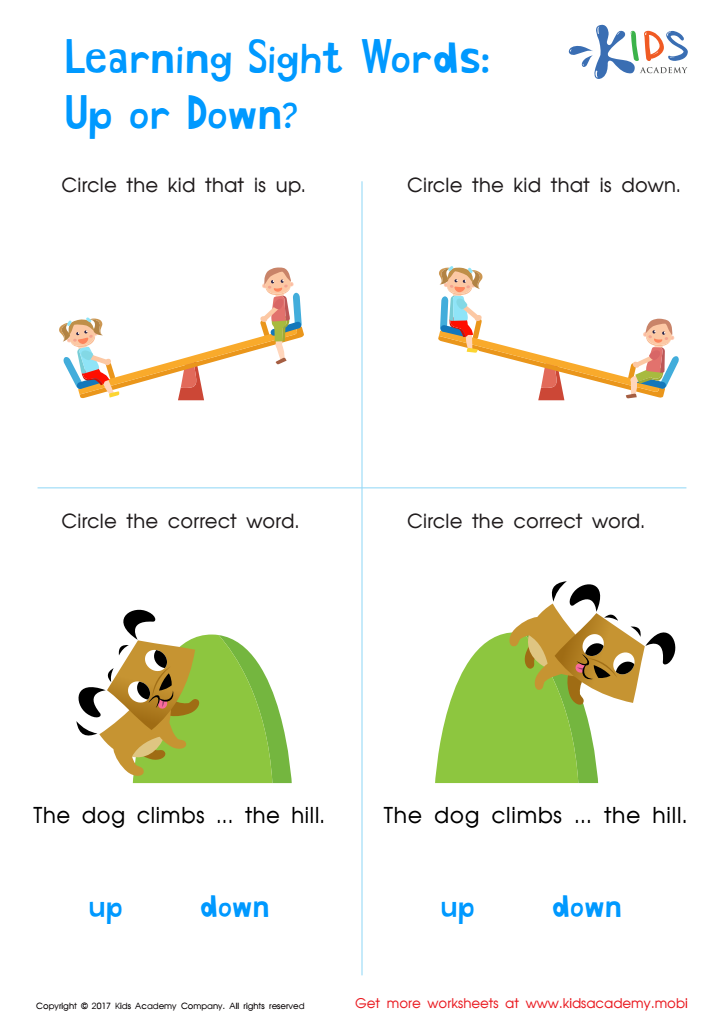
Up or Down Printable Sight Words Worksheet






Vocabulary development is crucial for children ages 3-9 as it forms the foundation for effective communication, reading proficiency, and overall cognitive development. During these formative years, children experience a period of rapid brain growth and are particularly receptive to learning new words. Parents and teachers play a pivotal role in this process by providing rich language experiences and stimulating environments.
A robust vocabulary enhances reading skills, as kids with a larger word bank find it easier to decode and understand new texts. This fosters a love for reading, which is essential for lifelong learning. Furthermore, a strong vocabulary is linked to better academic performance across subjects, as it aids in comprehension, critical thinking, and the ability to follow complex instructions.
Socially, children with a good vocabulary are better equipped to express their thoughts, emotions, and needs effectively, gaining confidence and developing stronger relationships. This sets the stage for positive interactions throughout their lives.
Thus, a focus on vocabulary development during early childhood is instrumental in shaping a child's educational journey and personal growth. Parents and teachers should incorporate diverse and engaging language experiences, such as reading together, playing word games, and having meaningful conversations, to nurture this critical aspect of development.








