Analytical thinking Normal Reading Comprehension Worksheets for Ages 3-9
6 filtered results
-
From - To
Unlock your child's potential with our Analytical Thinking Normal Reading Comprehension Worksheets, designed for ages 3-9! These engaging worksheets help cultivate critical thinking and comprehension skills while making learning fun. Each activity challenges young minds to analyze text, infer meanings, and connect ideas, ensuring they grasp the core message of the stories. Perfect for parents and educators alike, our worksheets support early literacy and promote independent thinking. Explore a variety of themes and formats to keep your child excited about reading. Dive into a world where analytical skills flourish, setting a solid foundation for your child's future academic success!
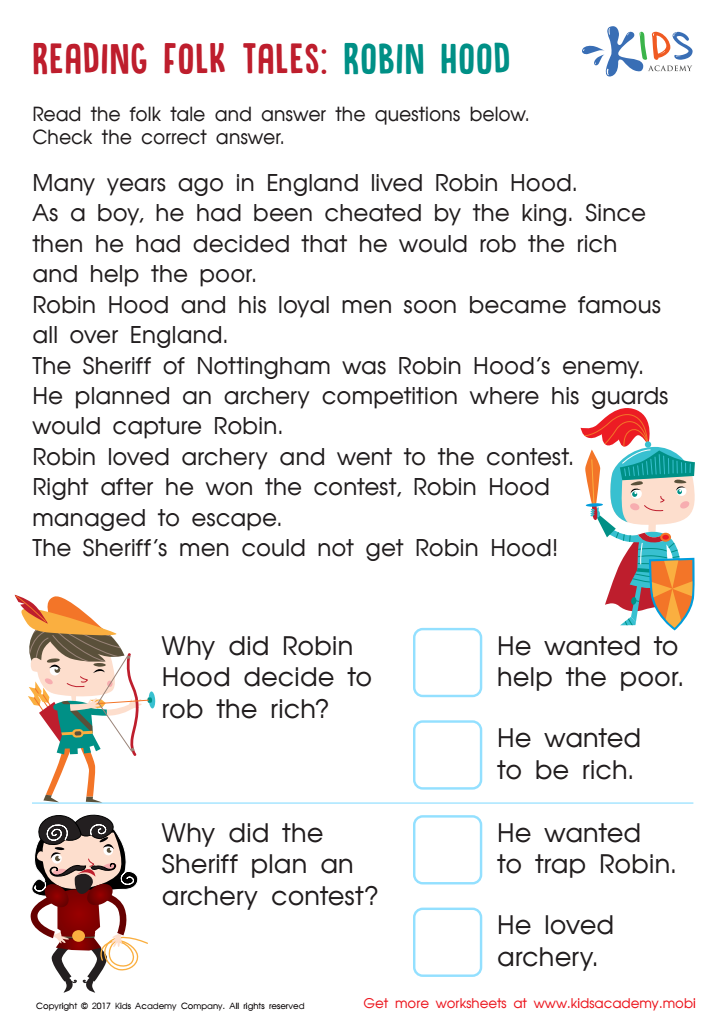
Robin Hood Folktale Worksheet
 Assign to My Students
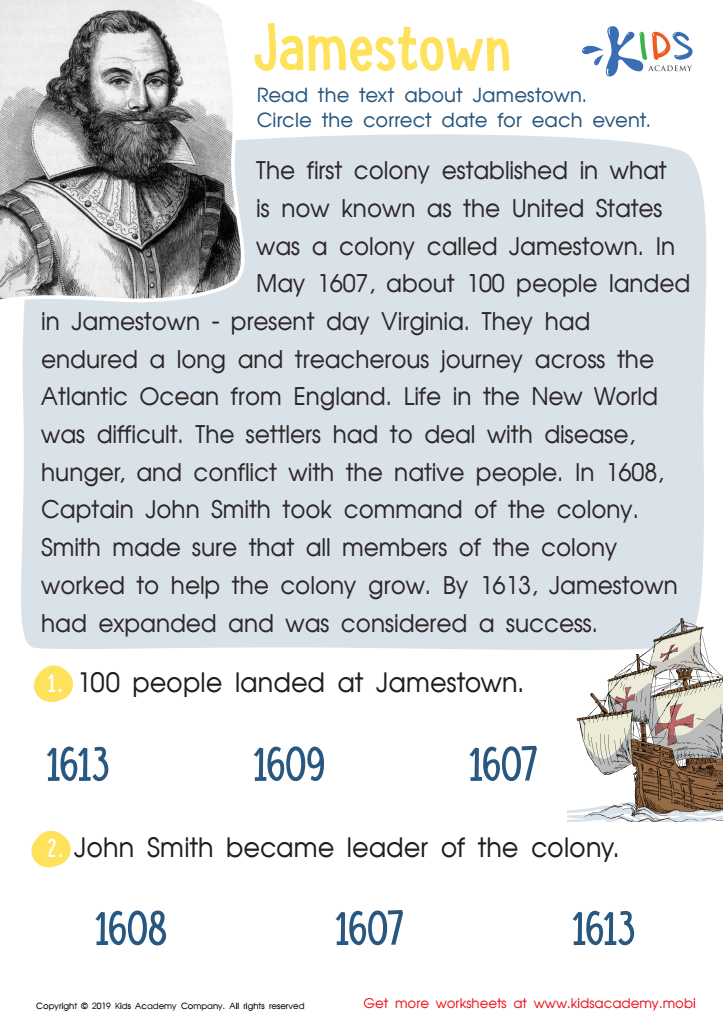
Jamestown Worksheet
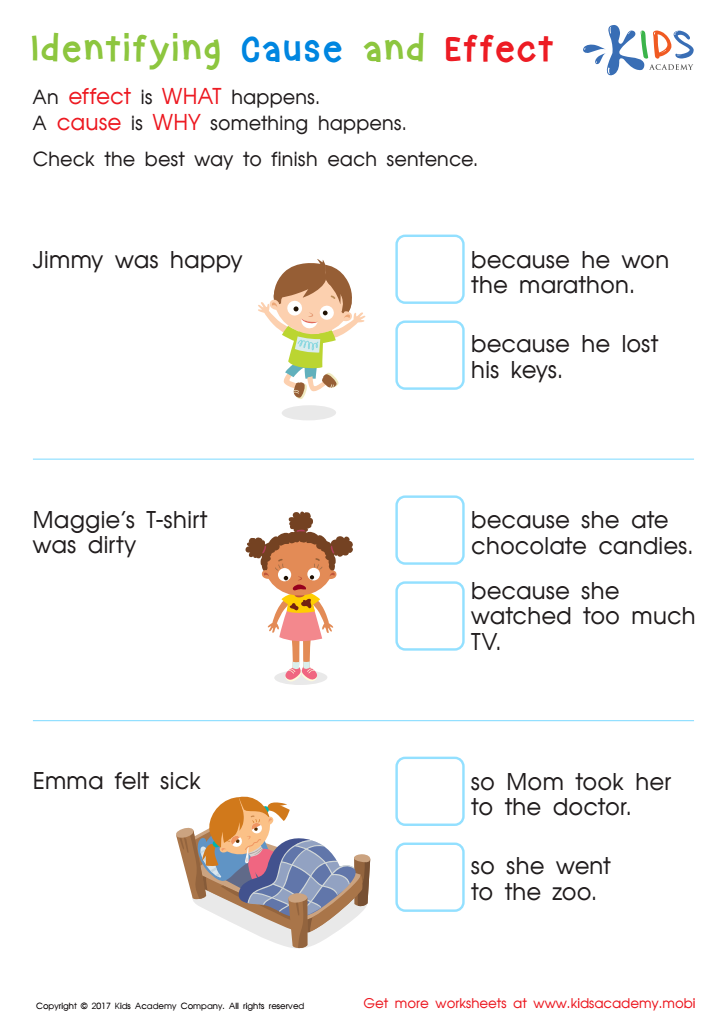
Indentifying Cause and Effect Worksheet
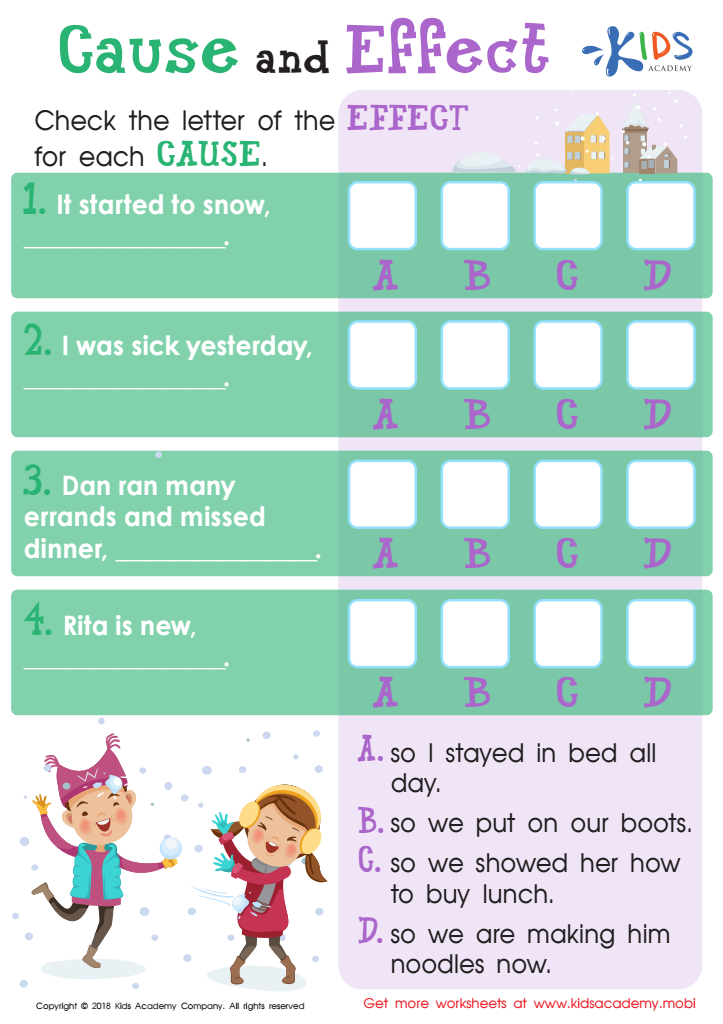
Cause and Effect Worksheet
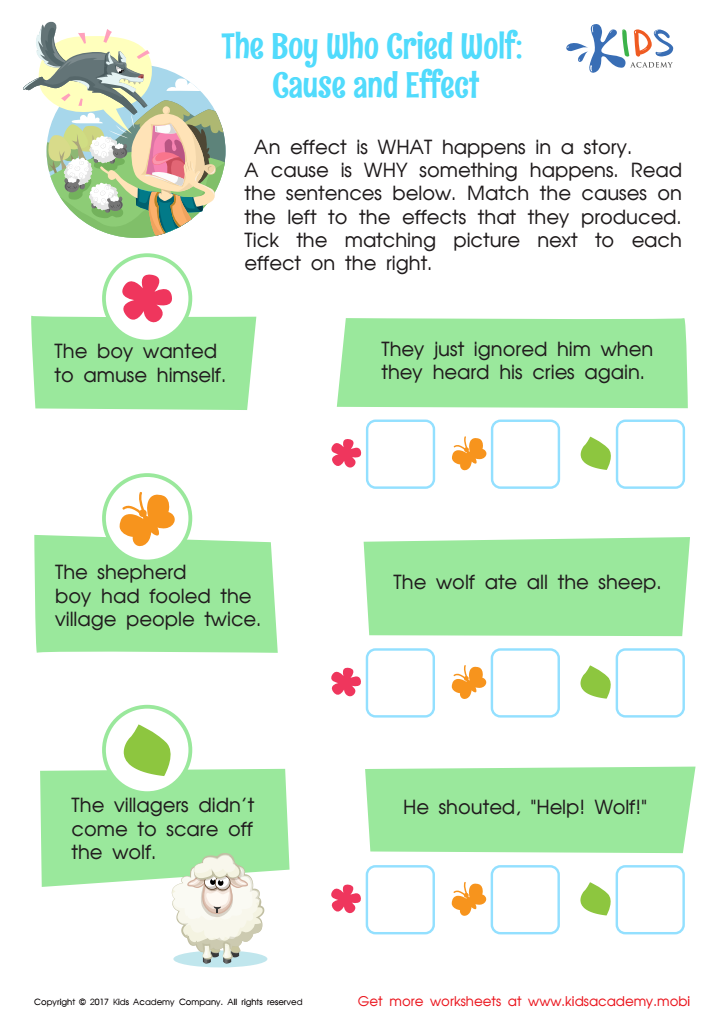
The Boy Who Cried Wolf: Cause and Effect Worksheet
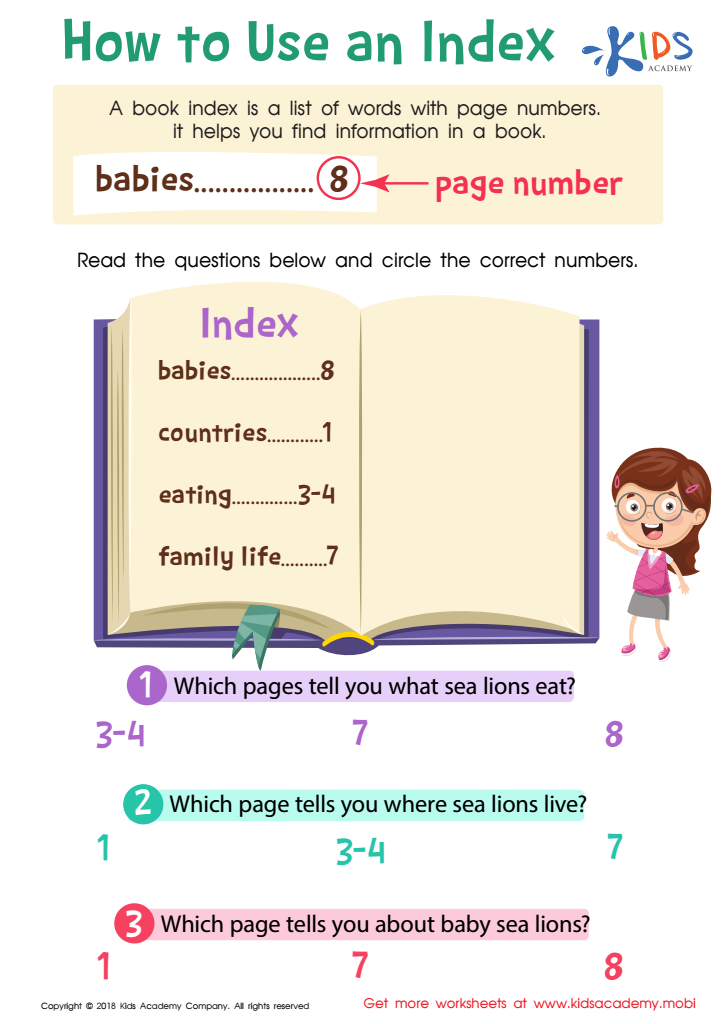
How Use Index Worksheet






.jpg)

Analytical thinking is a crucial skill that young children develop as they navigate their early educational journeys. For parents and teachers, fostering this ability in children aged 3-9 is essential for several reasons. First, analytical thinking encourages problem-solving, helping children approach challenges methodically. It nurtures curiosity, as kids learn to ask questions, evaluate information, and explore concepts in depth.
Moreover, analytical thinking enhances reading comprehension, allowing children to better understand and interpret texts. As proficient readers, they can connect ideas, identify main themes, and draw inferences from stories, which significantly enriches their learning experiences. This skill is foundational for academic success across subjects, laying a groundwork for critical thinking, creativity, and effective communication.
Supporting analytical thinking during these formative years also contributes to emotional and social development. Children learn to express their thoughts clearly and engage in constructive discussions. By prioritizing these skills, parents and teachers prepare children not only for future academic challenges but for real-life problem-solving and decision-making.
In essence, nurturing analytical thinking and comprehension skills transforms early education into a pathway for lifelong learning, empowering children to become confident, insightful, and adaptable individuals in an ever-changing world.








