Fine Motor Skills Normal Reading Comprehension Worksheets for Ages 3-9
5 filtered results
-
From - To
Discover a wide range of Fine Motor Skills Normal Reading Comprehension Worksheets designed specifically for children aged 3-9. Our expertly-crafted worksheets assist in cultivating essential fine motor skills while enhancing reading comprehension capabilities. These activities are packed with engaging illustrations and simple exercises to ensure young learners remain captivated and motivated. As kids color, trace, and write, they develop dexterity and control. Furthermore, by tackling comprehension questions based on short stories, children improve their ability to understand and analyze text. Visit our page and equip your child with the tools needed for academic success while fostering crucial developmental skills.
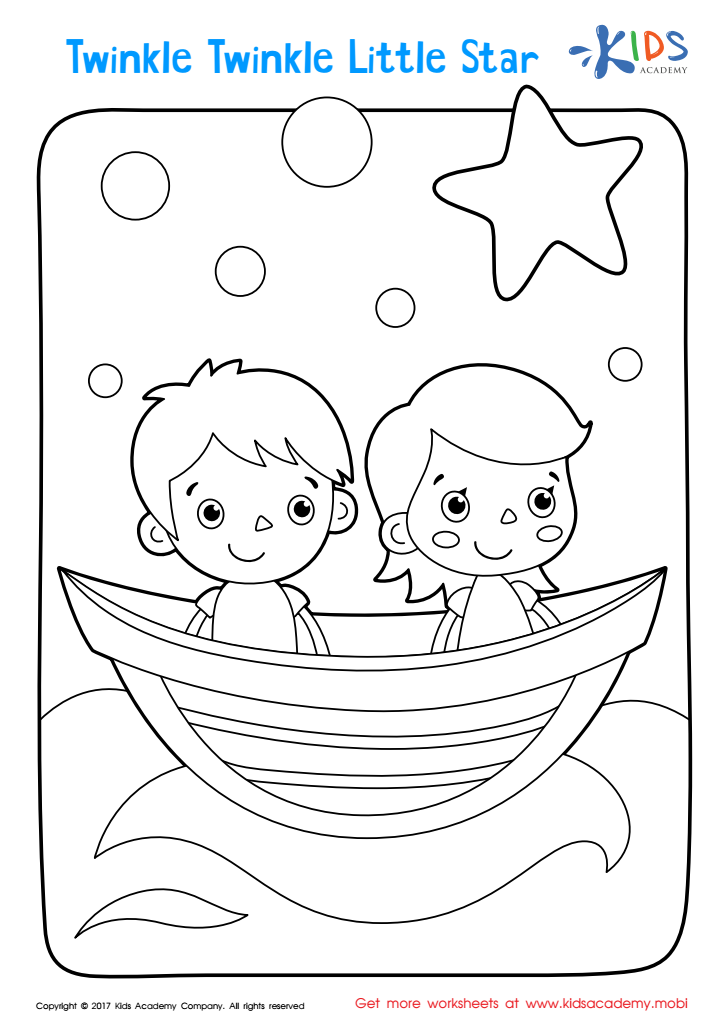
Twinkle Twinkle Little Star Coloring Page
 Assign to My Students
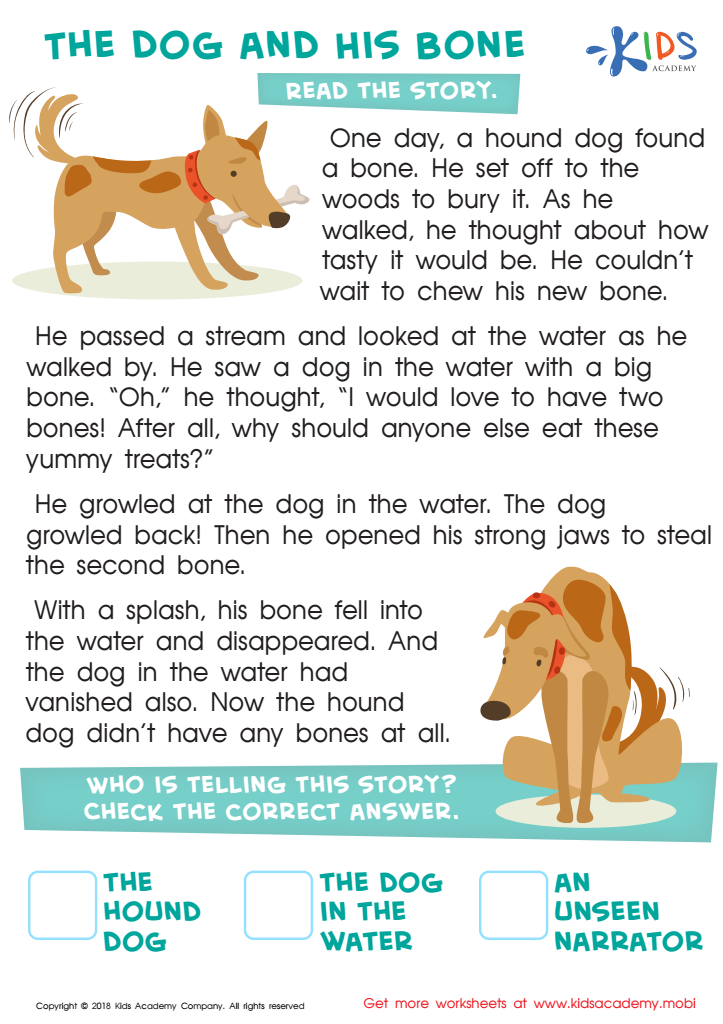
The Dog and His Bone Worksheet
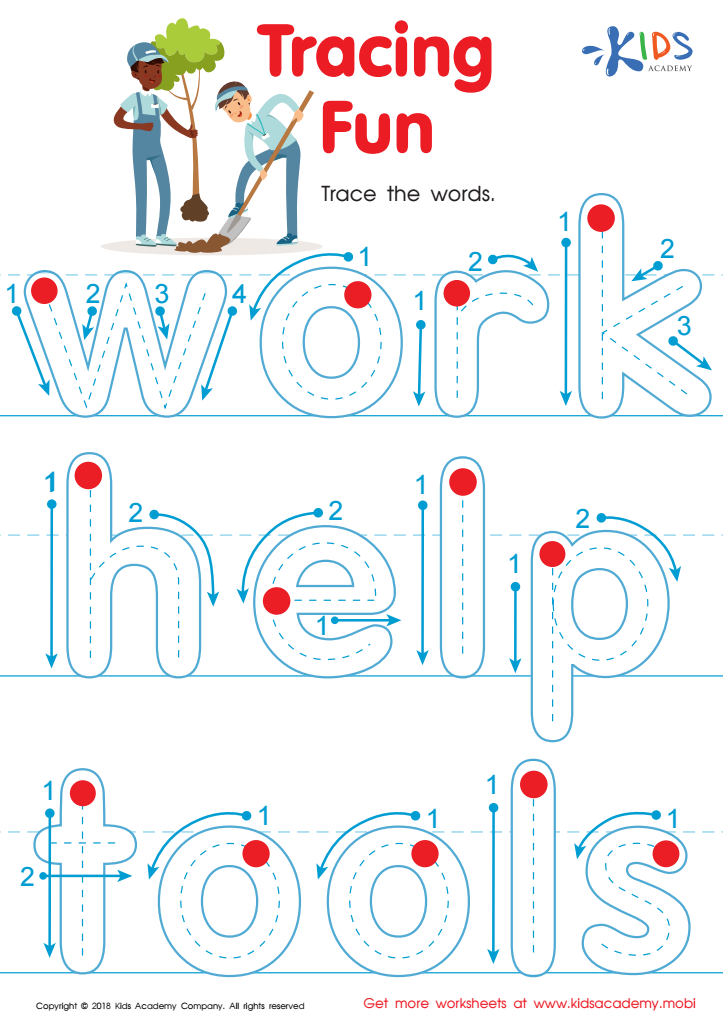
Tracing Fun Worksheet
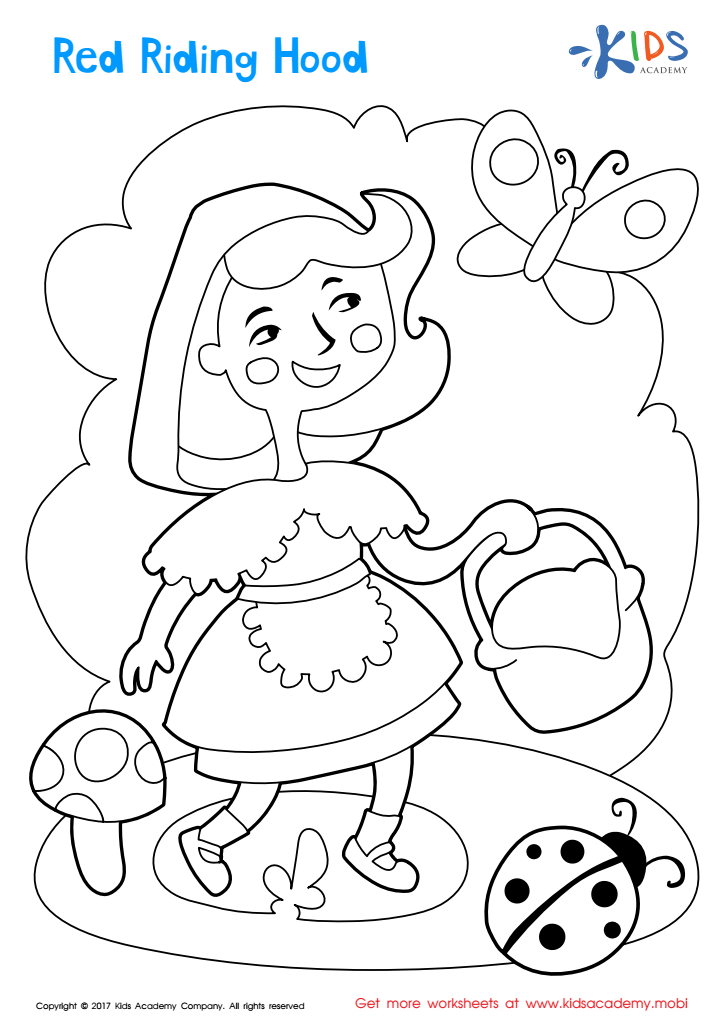
Red Riding Hood Coloring Page
Assign to My Students
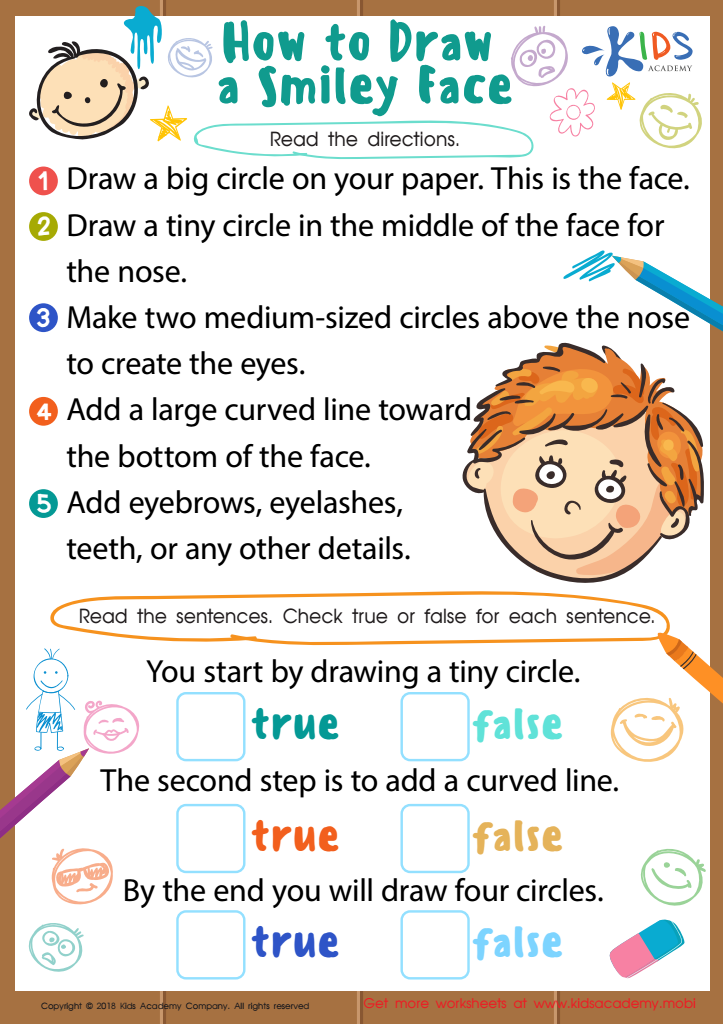
How to Draw a Smiley Face Worksheet








Parents and teachers should prioritize the development of fine motor skills and normal reading comprehension for children aged 3-9 because these foundational abilities are critical for success in school and everyday activities. Fine motor skills, involving the coordination of small muscles in the hands and fingers, are essential for tasks such as writing, cutting, and manipulating objects, which are pervasive in classroom activities. Without well-developed fine motor skills, children may struggle to keep up with their peers, leading to frustration and a potential lack of confidence in their abilities.
Reading comprehension, the ability to understand and interpret what is read, is equally crucial at this stage. From ages 3-9, children transition from "learning to read" to "reading to learn." Strong reading comprehension skills enable children to grasp subject matter across all academic areas, enhancing their overall learning experience. Moreover, good readers are often better communicators, both in verbal and written forms, supporting their ability to express thoughts and ideas clearly.
Investing time and resources in developing these skills can set children up for long-term academic success and lifelong learning. For both parents and teachers, fostering these abilities requires a mix of structured activities (like practice worksheets or story time) and playful engagement (like puzzles or drawing), creating a balanced and enriching environment for young learners.








