Logical Reasoning Normal Reading Fiction Worksheets for Ages 3-9
5 filtered results
-
From - To
Explore our engaging Logical Reasoning Normal Reading Fiction Worksheets, designed specifically for children aged 3-9! These worksheets help budding readers develop critical thinking and logical reasoning skills through fun and relatable fictional stories. Each activity encourages creativity and comprehension, allowing kids to connect with the narrative while enhancing their analytical abilities. With colorful illustrations and age-appropriate content, these worksheets keep young learners motivated and eager to participate. Perfect for home or classroom use, our resources provide educators and parents with the tools to foster essential cognitive skills. Download your worksheets today and ignite a love for reading and learning in your child!
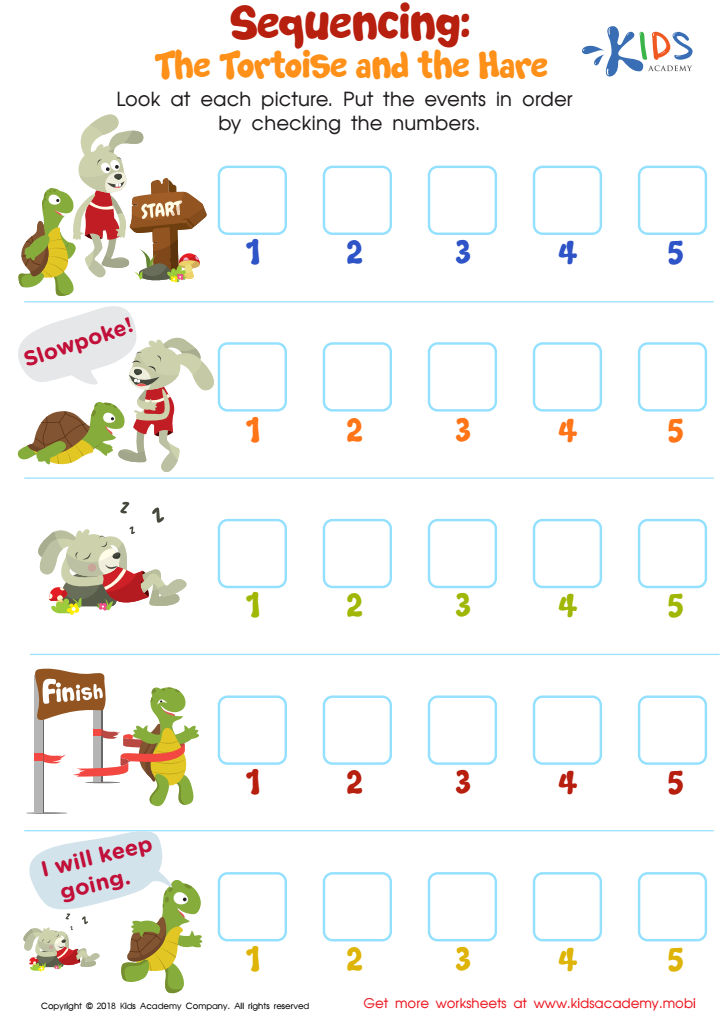
Sequencing: The Tortoise and the Hare Worksheet
 Assign to My Students
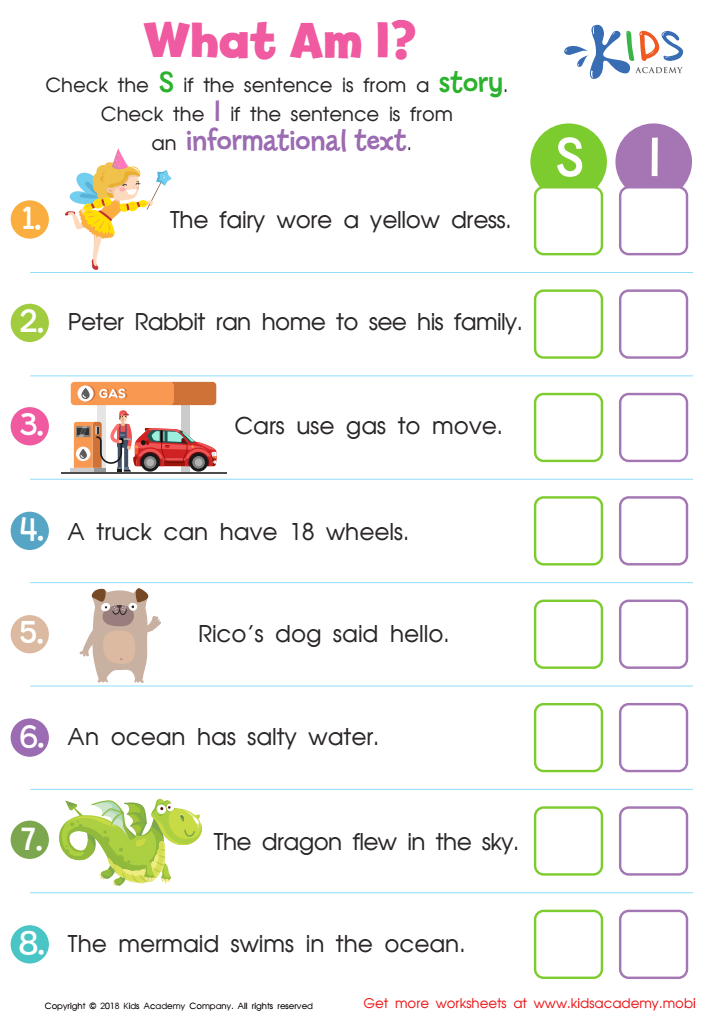
What Am I? Worksheet
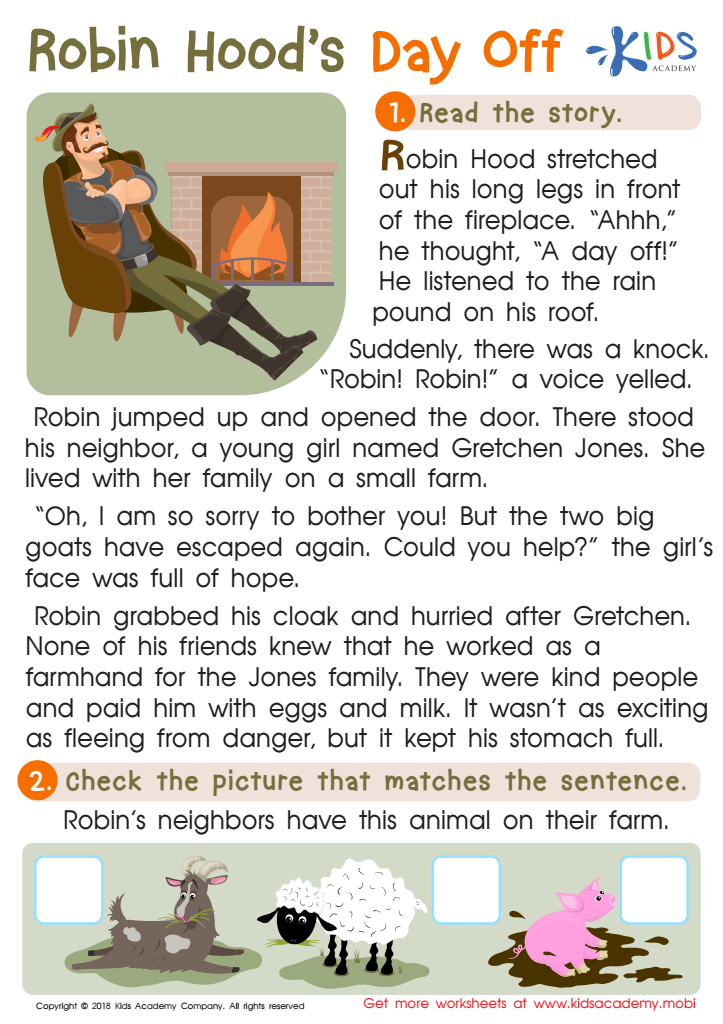
Robin Hood's Day Off Worksheet
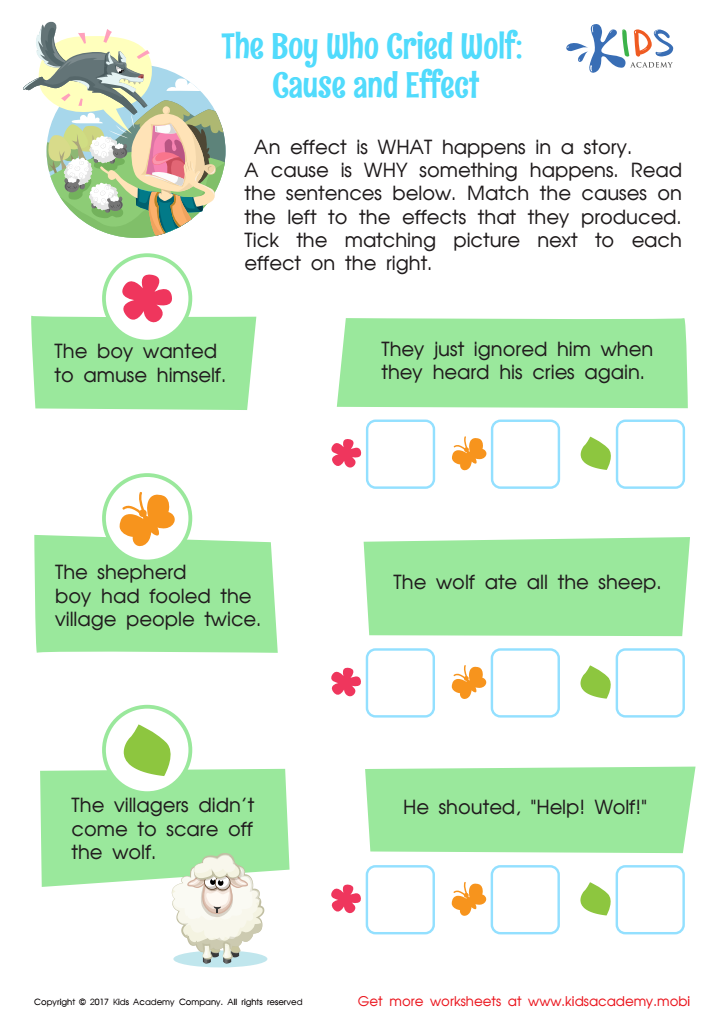
The Boy Who Cried Wolf: Cause and Effect Worksheet
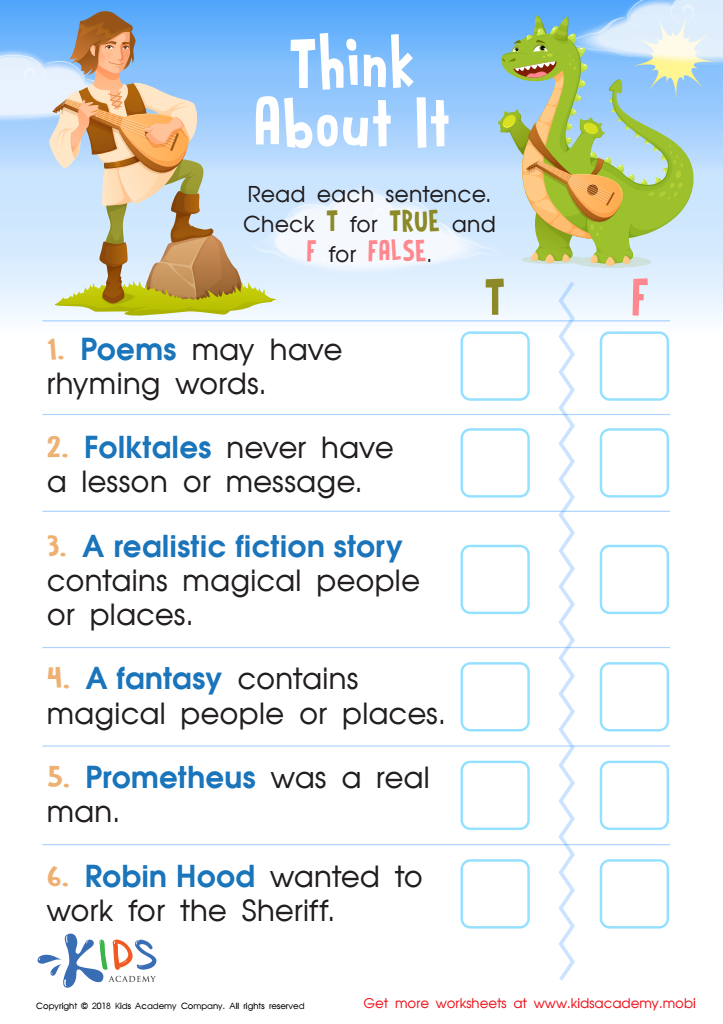
Think About It: Assessment Worksheet


.jpg)




.jpg)
Parents and teachers should care about encouraging logical reasoning skills in children aged 3-9 because these skills are foundational for cognitive development and lifelong learning. Logical reasoning encompasses critical thinking, problem-solving, and the ability to make connections between ideas. Reading fiction plays a vital role in this process, as stories engage young minds, foster imagination, and introduce complex scenarios that require reasoning and empathy.
When children encounter plots with challenges or character dilemmas, they learn to analyze situations and predict outcomes. This not only enhances comprehension but also nurtures their ability to think critically about the world around them. Furthermore, reading together enables discussions about characters' motivations and possible solutions to problems, promoting deeper understanding and reasoning skills.
Moreover, nurturing logical reasoning through fiction supports emotional and social growth. As children empathize with characters, they develop social skills and moral reasoning, essential for their overall development.
In short, integrating logical reasoning into reading fiction enhances literacy, cognitive abilities, and emotional intelligence, making it crucial for parents and educators to promote these experiences. Investing time in logical reasoning through engaging stories enriches children's learning journey and prepares them for future academic and life challenges.







