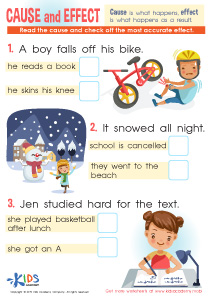
Vocabulary development Normal Reading Non-Fiction Worksheets for Ages 3-9
6 filtered results
-
From - To
Discover the "Vocabulary Development Normal Reading Non-Fiction Worksheets for Ages 3-9" at Kids Academy. Our meticulously crafted worksheets are designed to enhance young readers' vocabulary through engaging non-fiction content. Suitable for children aged 3-9, these worksheets foster a love for reading while promoting essential language skills. Each worksheet offers fun activities that help students understand and retain new words, boosting their confidence in reading and comprehension. Perfect for parents and educators aiming to support early literacy development, these resources make learning new vocabulary enjoyable and effective. Explore our collection and watch your child's vocabulary grow!
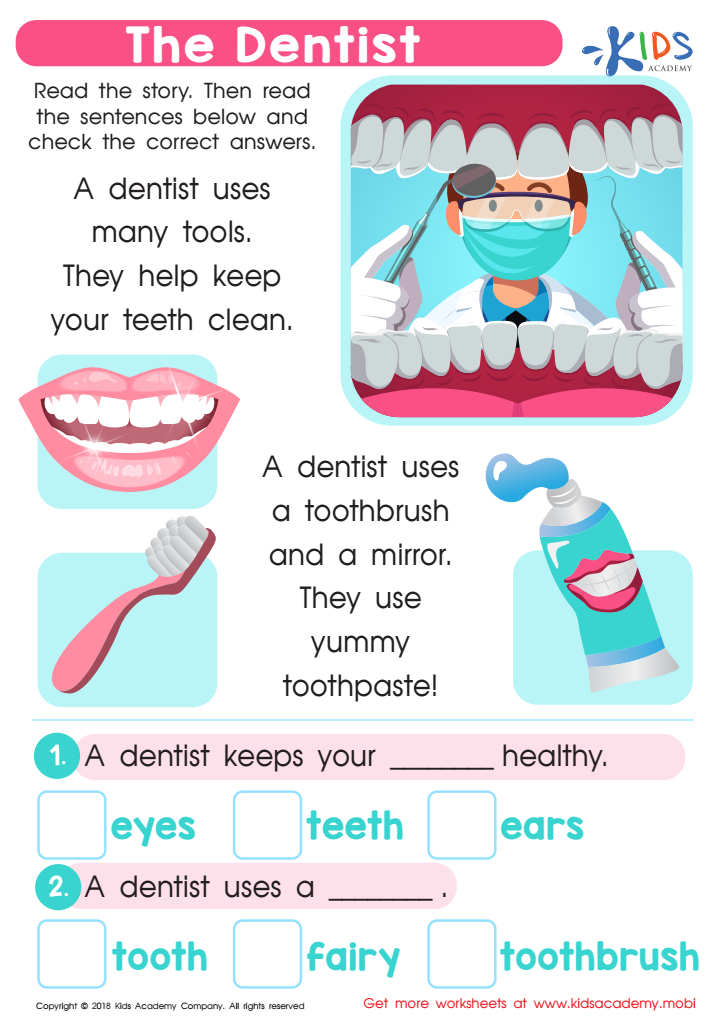
The Dentist Worksheet
 Assign to My Students
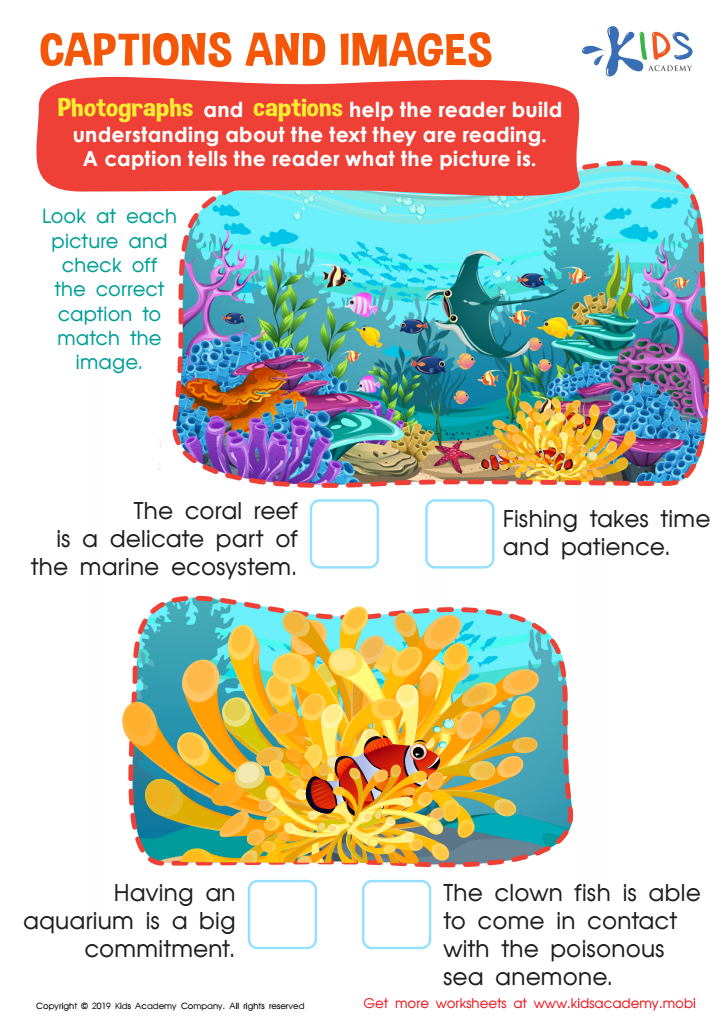
Captions and Images Worksheet
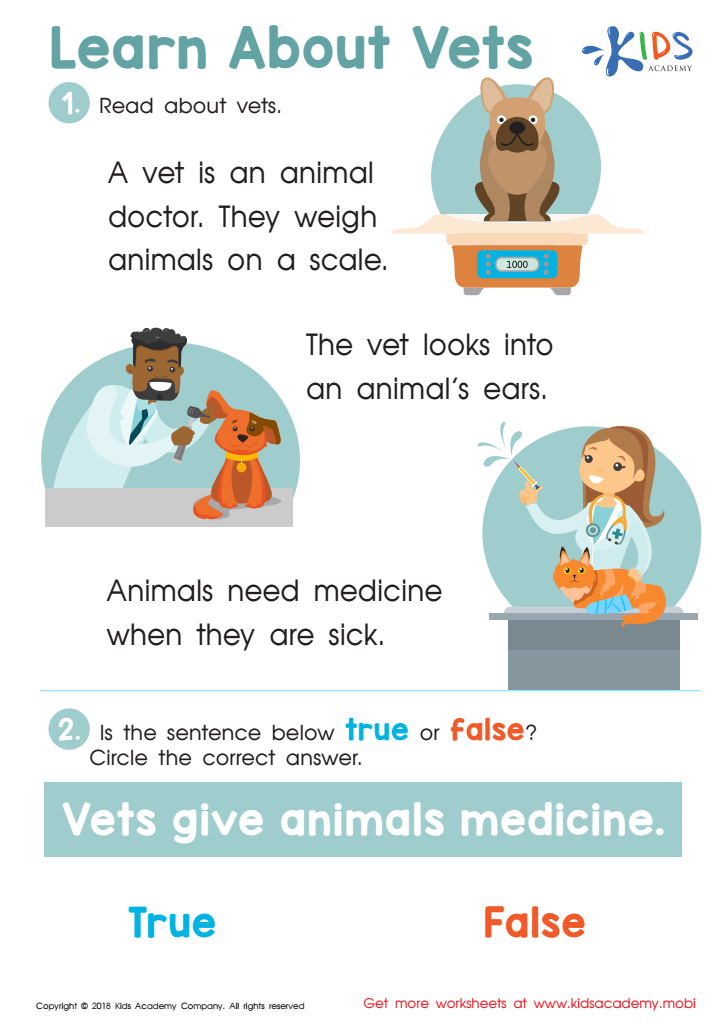
Learn About Vets Worksheet
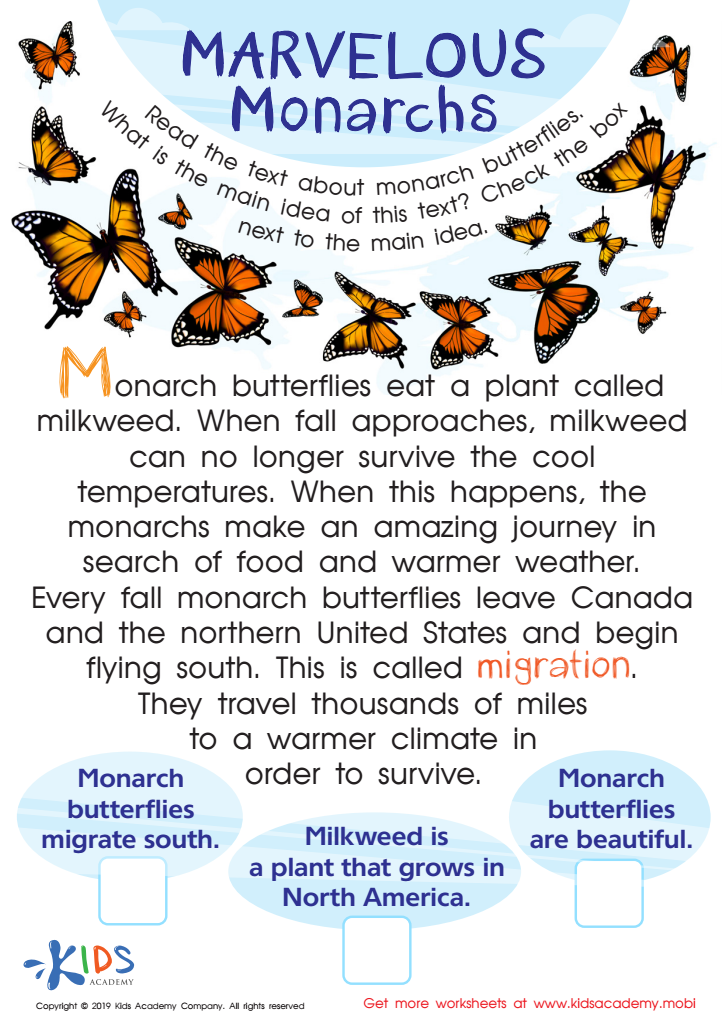
Marvelous Monarchs Worksheet
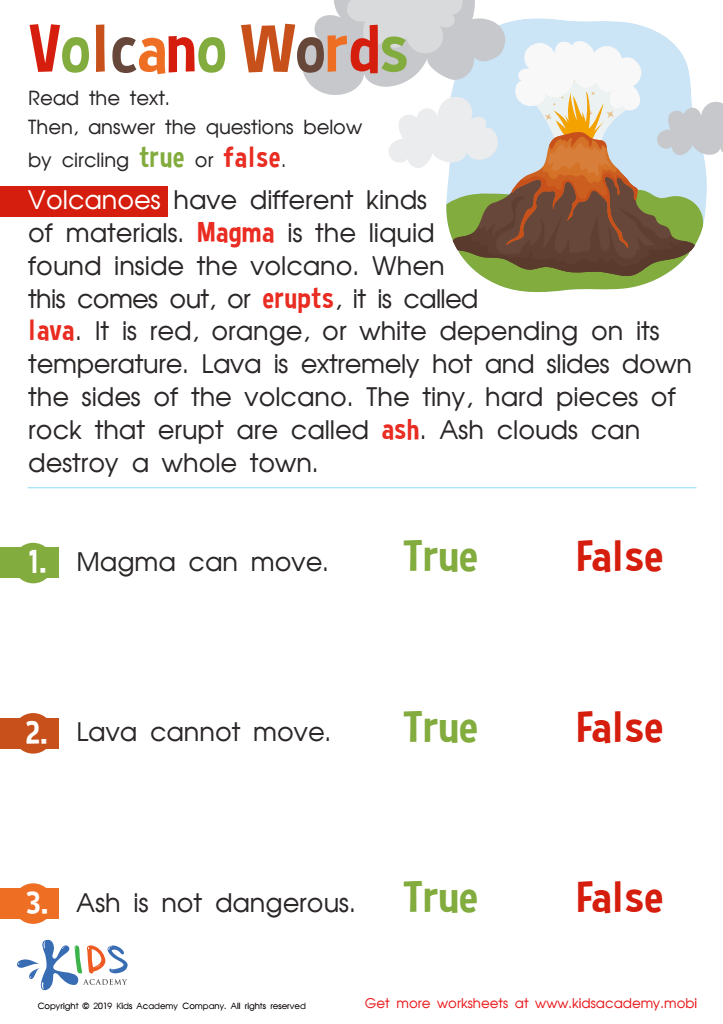
Volcano Words Worksheet
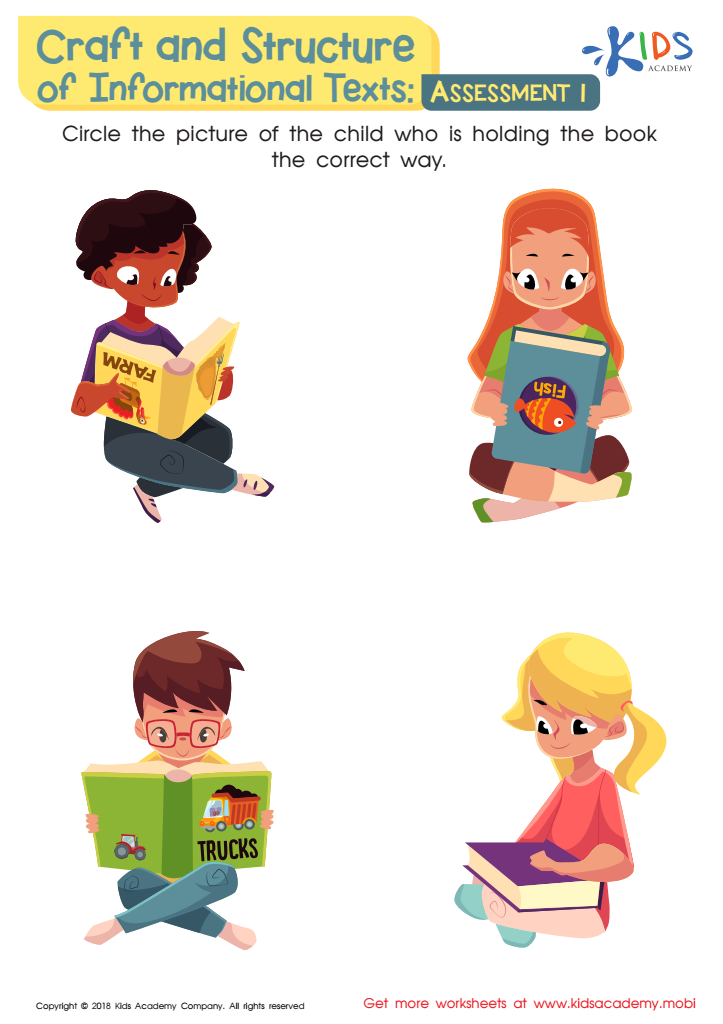
Craft and Structure of Informational Texts: Assessment 1 Worksheet








Vocabulary development is fundamental for children aged 3-9 as it lays the groundwork for effective communication and academic success. Early exposure to a rich and varied vocabulary boosts linguistic skills, enabling children to express their thoughts, emotions, and ideas more clearly. This age range is critical for cognitive development; the words children encounter and understand will significantly influence their thinking and comprehension abilities.
Reading non-fiction material is particularly beneficial. It exposes children to precise and descriptive language that differs from the narrative and often imaginative content found in fiction. Non-fiction books introduce terms related to various subjects like science, history, and geography, thereby broadening their knowledge base and stimulating curiosity about the world. This also aids in developing analytical and critical-thinking skills, as children learn to process and understand factual information.
Furthermore, a strong vocabulary is linked to improved reading comprehension. As children progress through their education, the ability to grasp complex texts becomes increasingly important. Those with a robust vocabulary typically perform better in these areas, enjoy reading more, and have higher overall academic achievement. Parents and teachers should therefore prioritize reading diverse non-fiction texts to support holistic cognitive and linguistic development in young learners.