Enhancing research skills Normal Science Worksheets for Ages 3-9
3 filtered results
-
From - To
Discover our "Enhancing Research Skills Normal Science Worksheets" designed specifically for kids aged 3 to 9. These engaging worksheets help young learners develop foundational research skills through fun, interactive activities. Focused on exploring the scientific method, observation, and inquiry, our materials encourage curiosity and critical thinking. Kids will delight in hands-on experiments and thought-provoking questions that promote exploration of the natural world. Our easy-to-use resources empower educators and parents to nurture a love for science while enhancing analytical skills. Perfect for classrooms or home learning, these worksheets make early science education exciting and memorable. Start your child's research journey today!
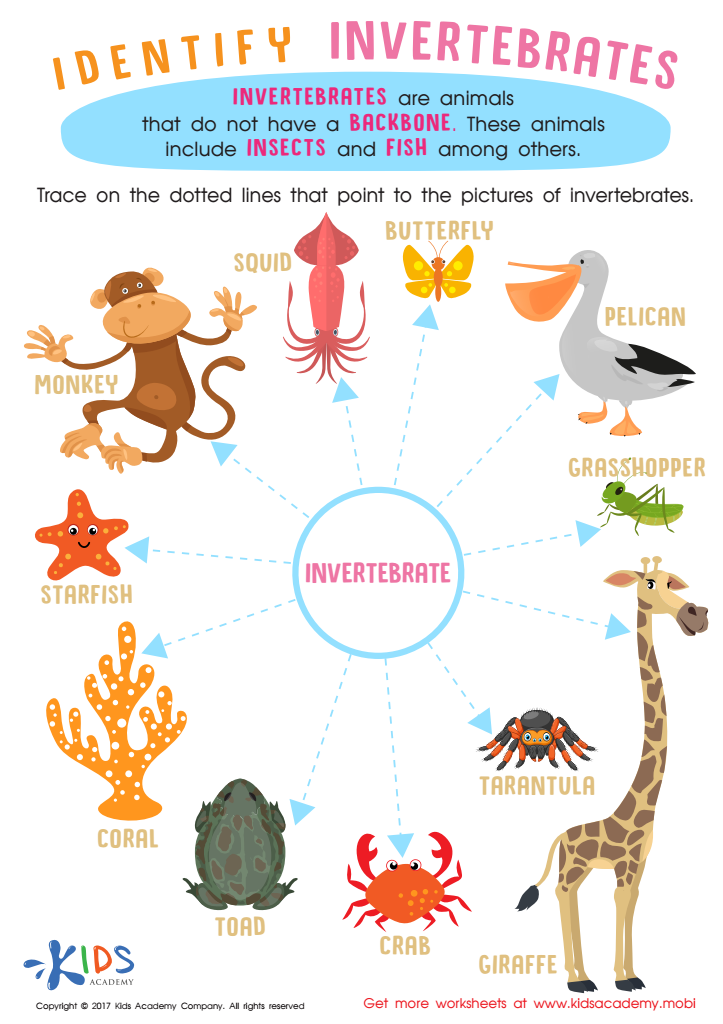
Invertebrates Worksheet for Grade 3
 Assign to My Students
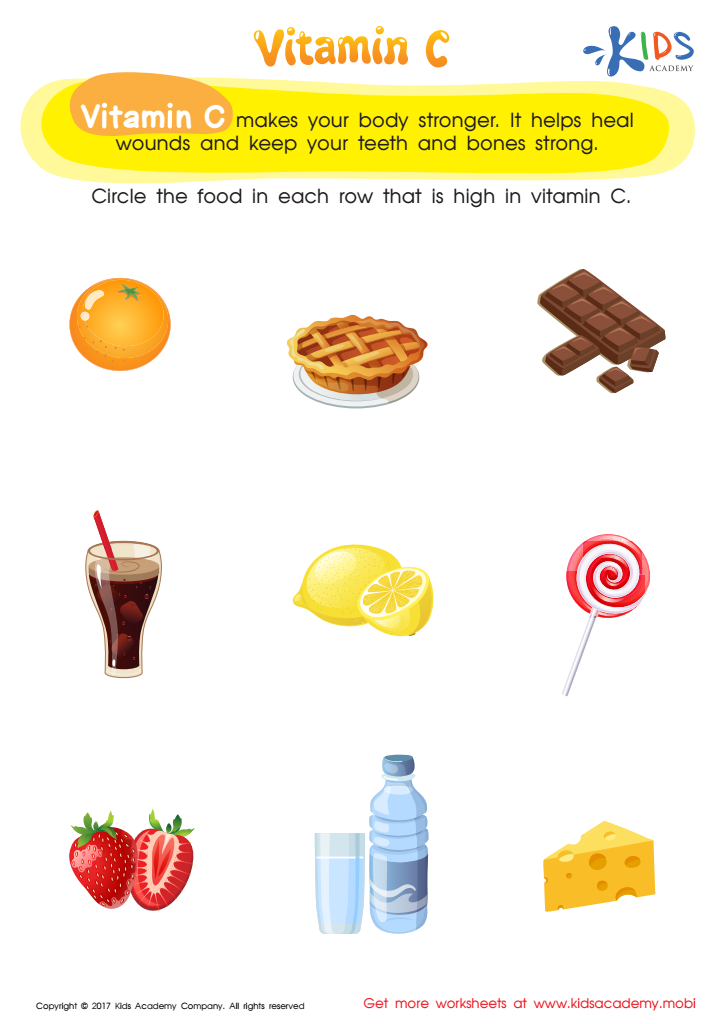
Vitamin C Worksheet
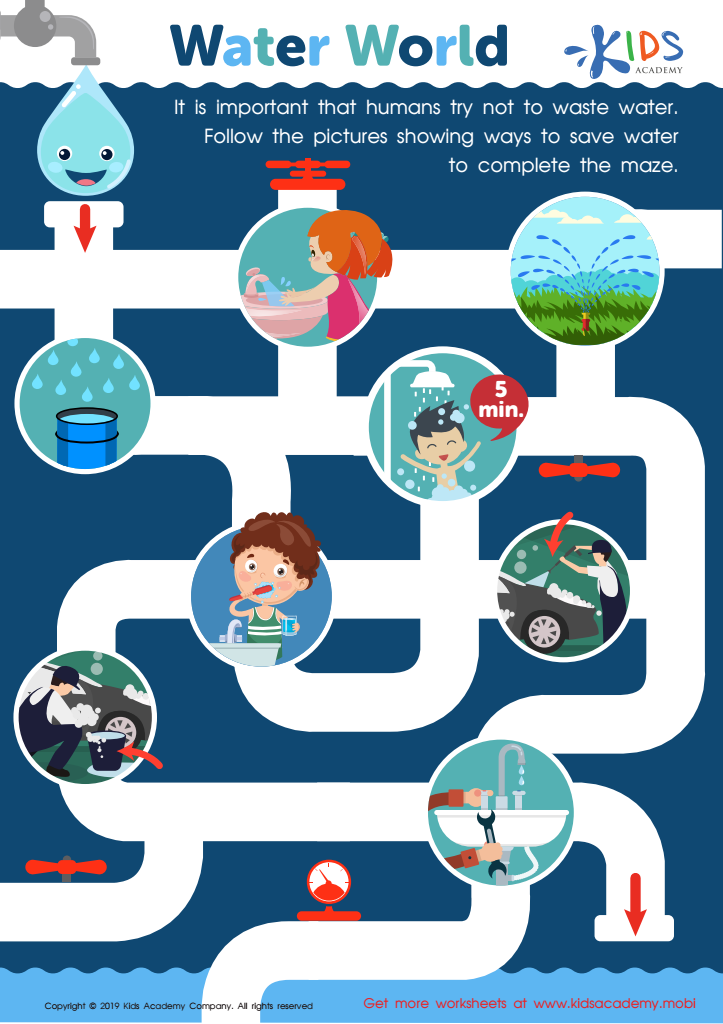
Water World Worksheet



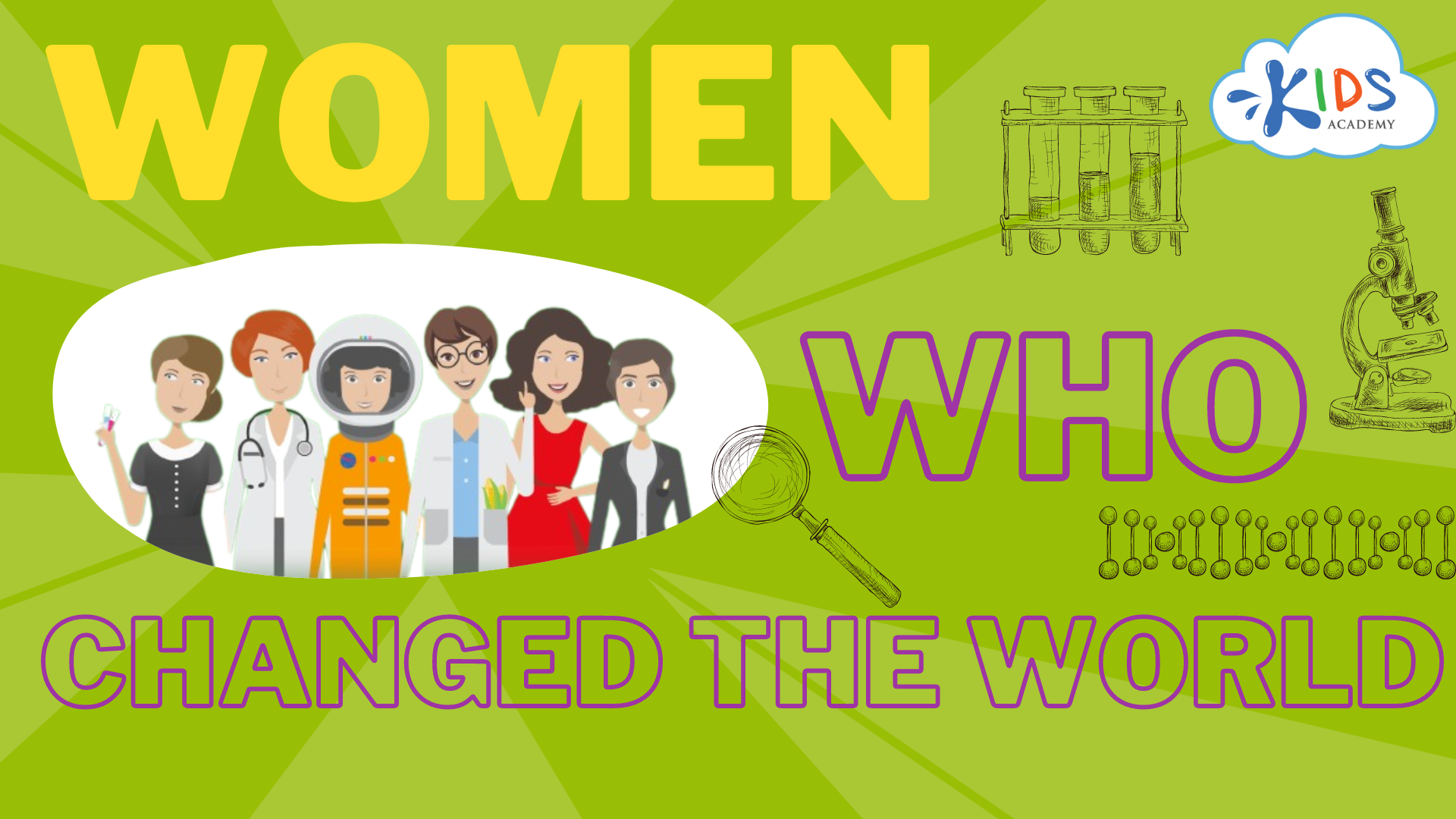



%20(1).jpg)
Enhancing research skills in young children aged 3-9 is crucial for several reasons. First, cultivating research skills fosters critical thinking and inquisitiveness, laying a solid foundation for lifelong learning. At this age, children are naturally curious, and teaching them how to seek answers effectively nurtures their desire to learn and explore.
Secondly, research skills promote independence and self-confidence. When children learn to gather information through exploration, observation, and inquiry, they begin to trust their ability to understand the world around them. Moreover, enhancing these skills aligns with fundamental learning standards, filling any gaps and enhancing educational outcomes.
Furthermore, early exposure to scientific research methods, such as formulating questions or using simple investigative strategies, equips children with essential skills as they progress through their educational journey. This not only benefits their academic performance in subjects like science but also teaches them to approach problems methodically.
Lastly, parents and teachers who foster these skills create a stimulating learning environment, encouraging a collaborative culture of inquiry at home and in the classroom. Ultimately, encouraging research skills in young learners paves the way for future generations of thoughtful, informed citizens who can navigate an increasingly complex world.







