Improving vocabulary Normal Science Worksheets for Ages 3-9
3 filtered results
-
From - To
Enhance your child's vocabulary with our engaging Normal Science Worksheets designed for ages 3-9! These worksheets incorporate fun, interactive activities that promote science learning while expanding language skills. Children will explore various scientific concepts such as plants, animals, and the environment, all while learning essential vocabulary. Our carefully crafted exercises offer opportunities for creativity and critical thinking, ensuring a well-rounded educational experience. Ideal for parents and educators seeking to enrich early childhood education, these worksheets are easy to use at home or in the classroom. Foster a love for science and words, and set the foundation for future learning success!
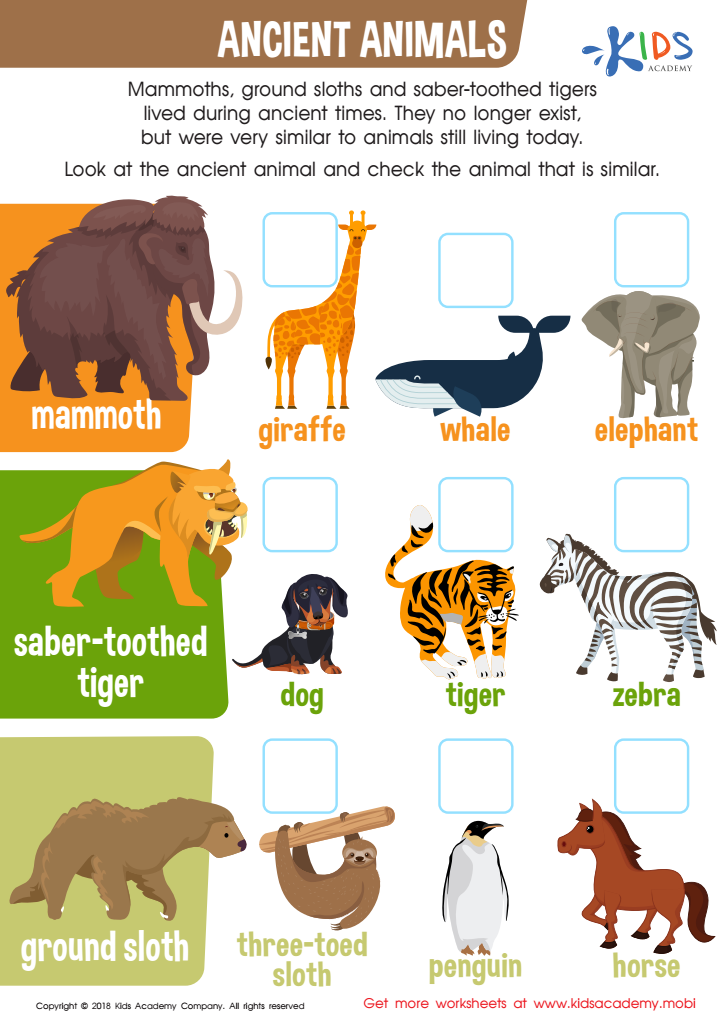
Ancient Animals Worksheet
 Assign to My Students
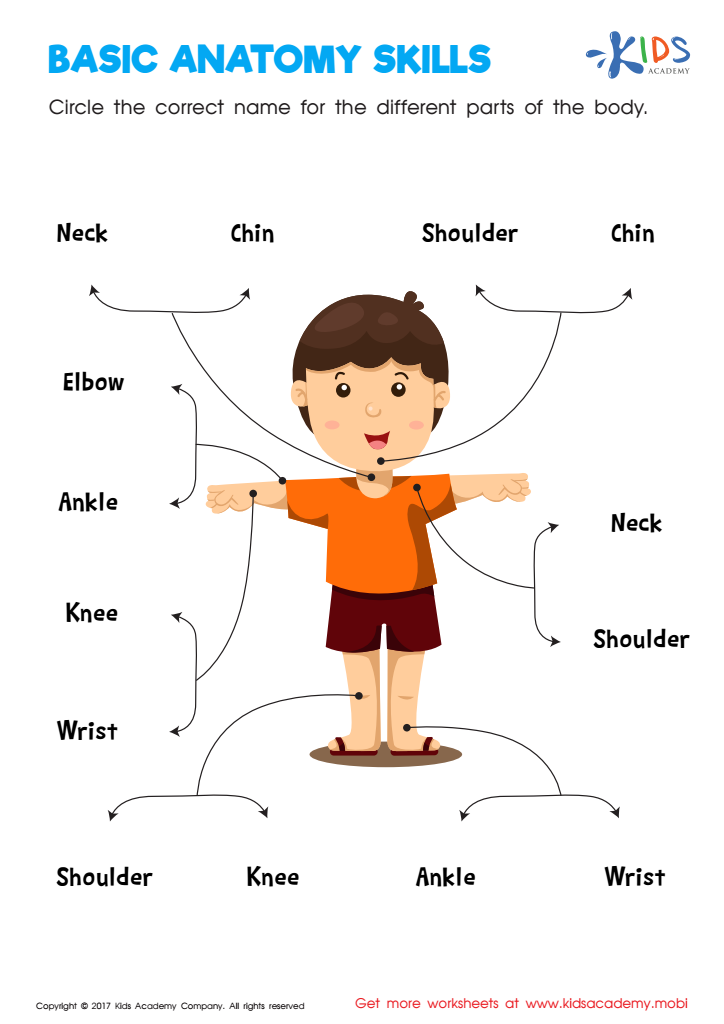
Basic Anatomy Skills Printable
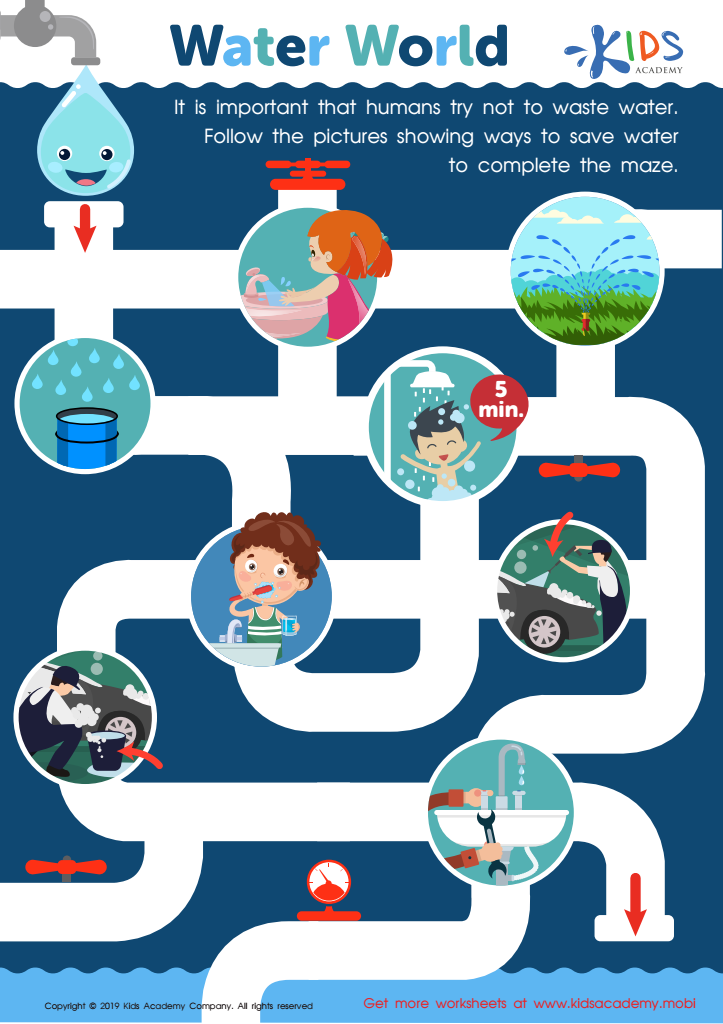
Water World Worksheet





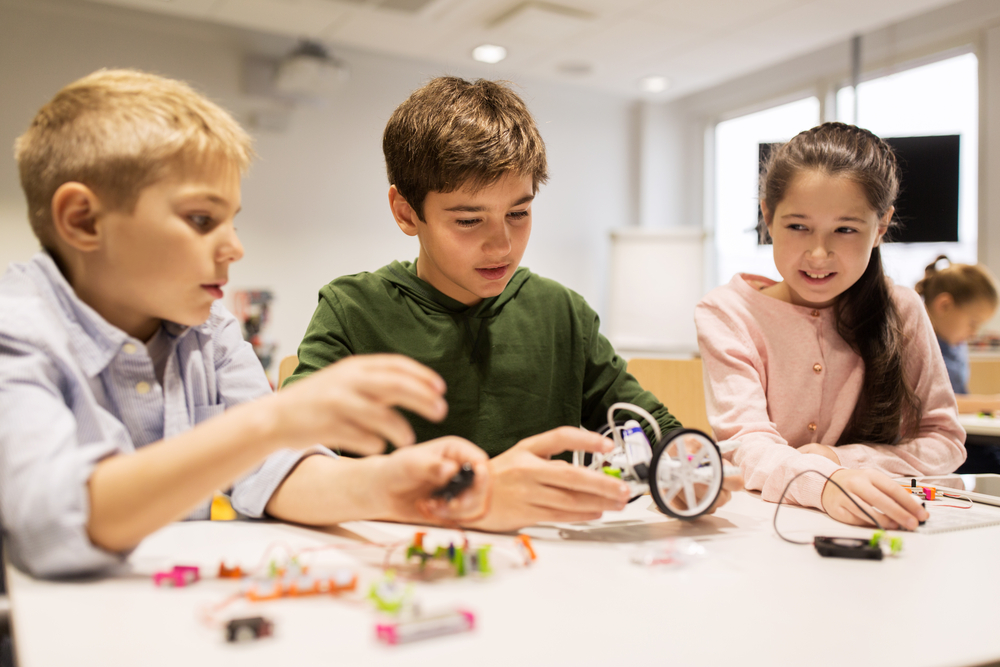


Improving vocabulary in the realm of Normal Science for children aged 3-9 is critical for several reasons. First, a robust vocabulary enhances communication skills, allowing children to articulate their thoughts and discoveries clearly. For young learners, this means they can better describe their observations during activities like nature walks, experiments, or simple discussions about the world around them.
Additionally, a strong vocabulary foundation supports cognitive development. Children learn to categorize, compare, and connect concepts, fostering critical thinking and deeper understanding of scientific principles. Moreover, understanding the language of science helps children develop inquiry skills, as they become familiar with terms related to processes, properties, and relationships in their environment.
Furthermore, engaging with vocabulary related to Normal Science promotes a lifelong curiosity and appreciation for learning. When children are equipped with the right terminology, they are more likely to engage in discussions, ask questions, and explore scientific concepts beyond the classroom, reinforcing their learning experiences.
Parents and teachers play a pivotal role in nurturing this growth. By incorporating vocabulary building through conversation, reading, and hands-on experiences, they help set children on a path for academic success and inspire the next generation of innovators and thinkers in the scientific field.







