Analyzing data Normal Our Planet and Environment Worksheets for Ages 3-9
5 filtered results
-
From - To
Welcome to our "Analyzing Data: Our Planet and Environment Worksheets" tailored for ages 3-9! These worksheets are designed to introduce young learners to essential data analysis skills through engaging, age-appropriate activities focused on our planet and its environment. Students will explore various topics, such as ecosystems, weather patterns, and conservation efforts, while developing critical thinking and analytical abilities. Integrating fun visuals and relatable scenarios, these worksheets foster curiosity about the world around them. Perfect for classroom or home use, they empower children to make observations, draw conclusions, and become informed stewards of our Earth. Start exploring today!
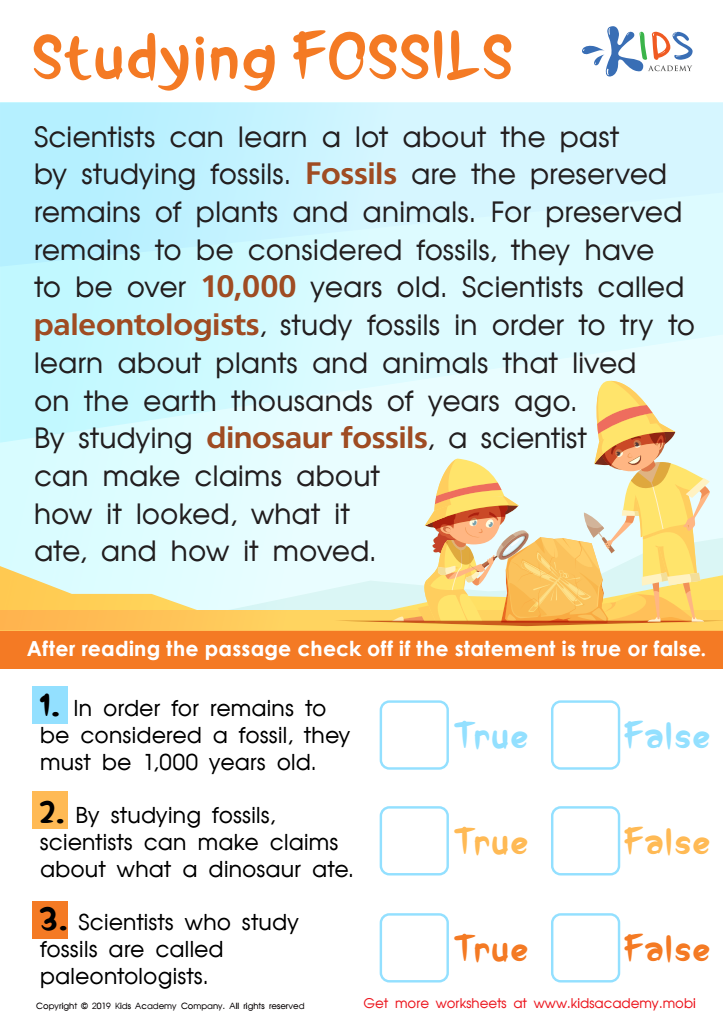
Studying Fossils Worksheet
 Assign to My Students
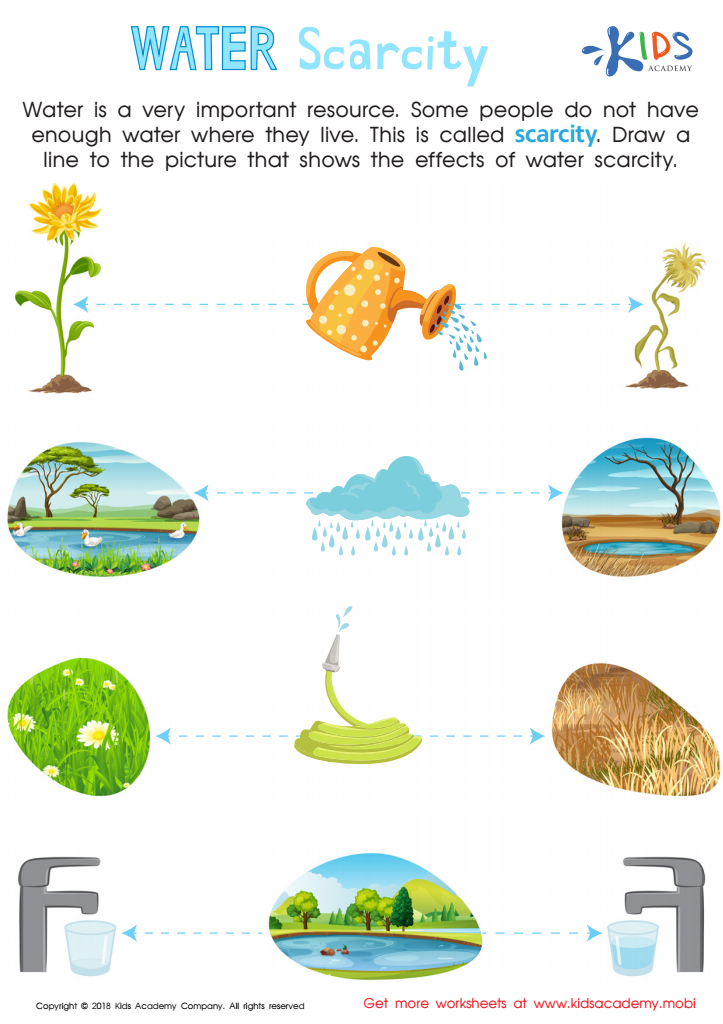
Water Scarcity Worksheet
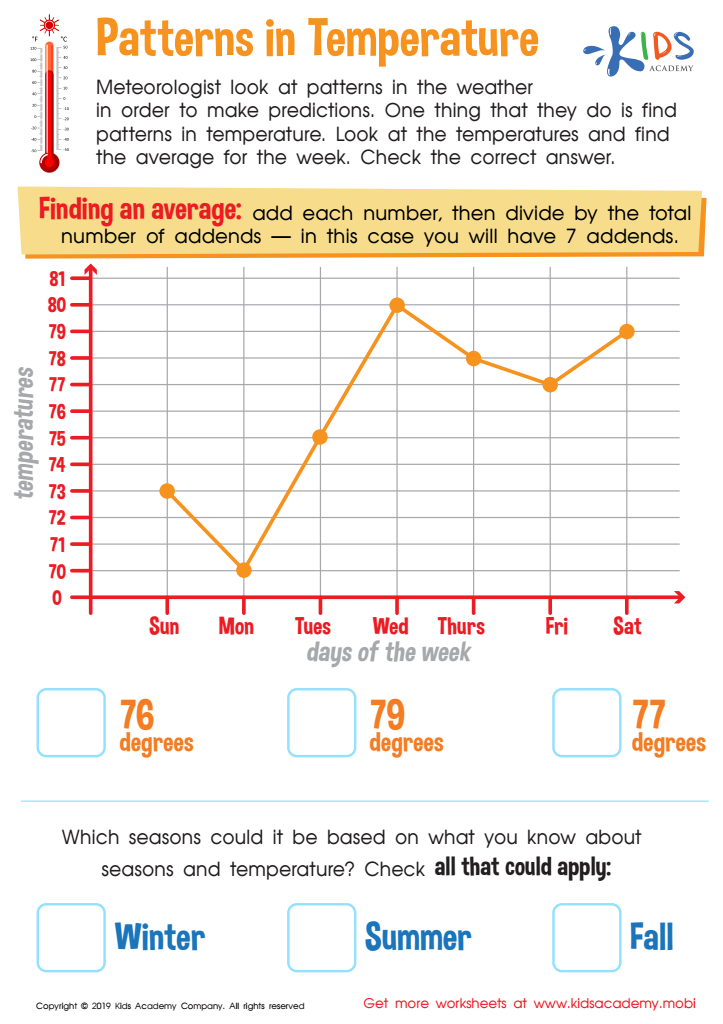
Patterns in Temperature Worksheet
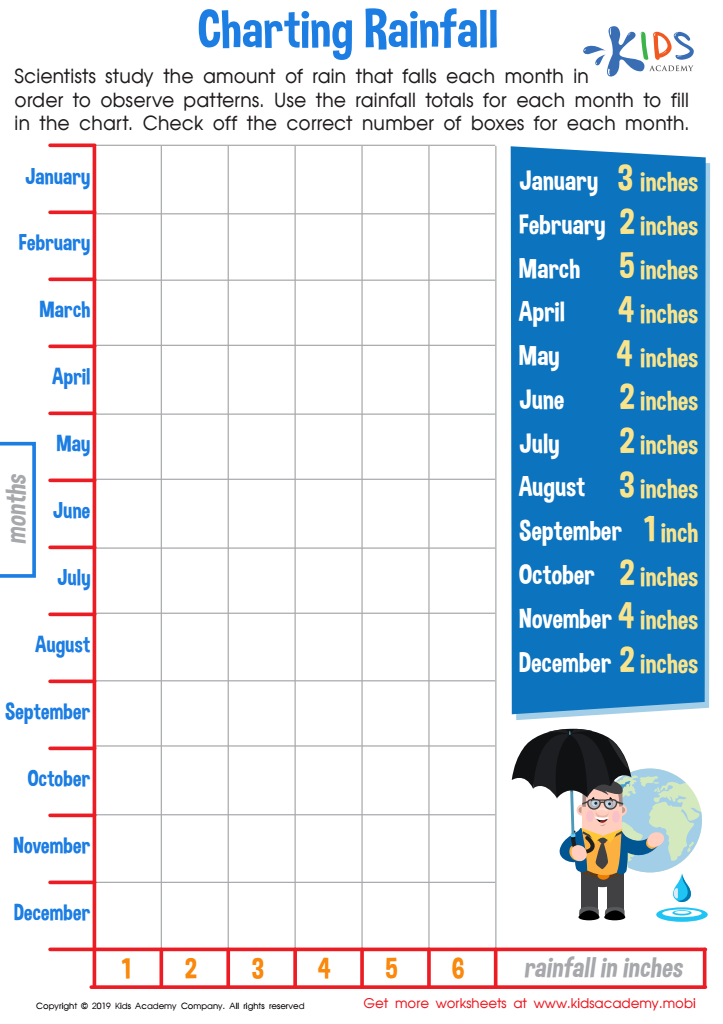
Charting Rainfall Worksheet
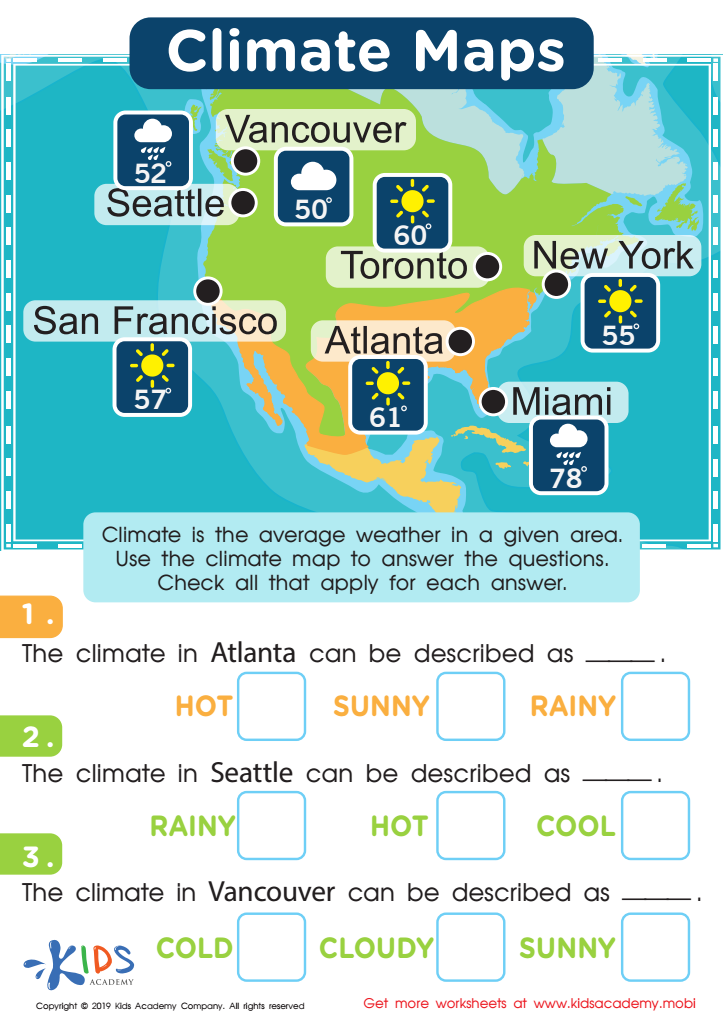
Climate Maps Worksheet






Analyzing data related to our planet and environment is crucial for parents and teachers of children ages 3-9 for several reasons. Firstly, this age group is at a foundational stage in their learning and understanding of the world around them. Introducing concepts of environmental stewardship can instill a sense of responsibility and curiosity about nature early on. By engaging with data, children can learn about critical issues such as climate change, biodiversity loss, and conservation in an age-appropriate manner.
Furthermore, analyzing data helps develop a variety of skills, including critical thinking, problem-solving, and data literacy. Children can grasp the importance of making informed decisions based on evidence, which will serve them well in the future. Engaging with environmental data allows them to visualize trends and patterns, fostering a deeper understanding of ecological systems and human impact.
Involving parents in the analyses enhances family discussions about sustainability, encouraging consistent values at home and reinforcing school teachings. This collaborative approach can further empower children, making them more likely to take action towards improving their environment. Ultimately, understanding our planet's data creates informed, compassionate citizens who can participate in global solutions to pressing ecological challenges.







