Vocabulary Building Normal Plants and Animals Worksheets for Ages 3-9
5 filtered results
-
From - To
Enhance your child’s vocabulary with our engaging "Vocabulary Building: Normal Plants and Animals" worksheets designed for ages 3-9. These printable resources are perfect for young learners eager to explore the fascinating world of botany and zoology. Featuring vibrant illustrations and age-appropriate activities, each worksheet encourages children to identify, describe, and relate to various plants and animals, fostering a deeper understanding of nature. Our carefully crafted exercises improve language skills while making learning enjoyable. Ideal for classrooms or home schooling, these worksheets will support your child's educational journey while igniting their curiosity about the environment. Download now and watch their vocabulary flourish!
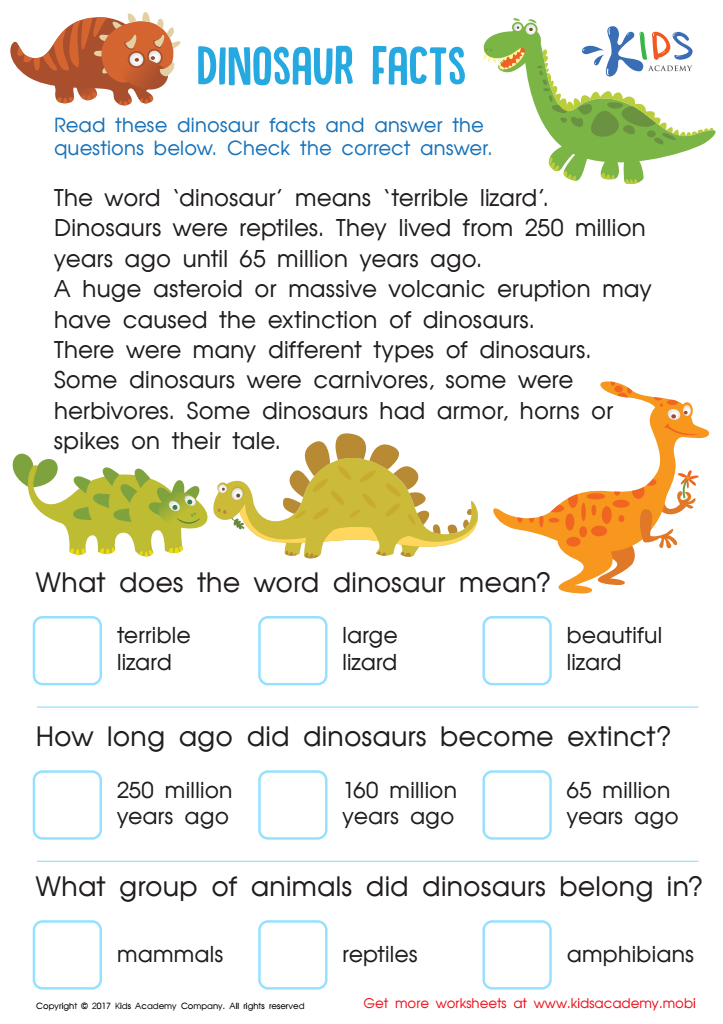
Dinosaur Facts Worksheet
 Assign to My Students











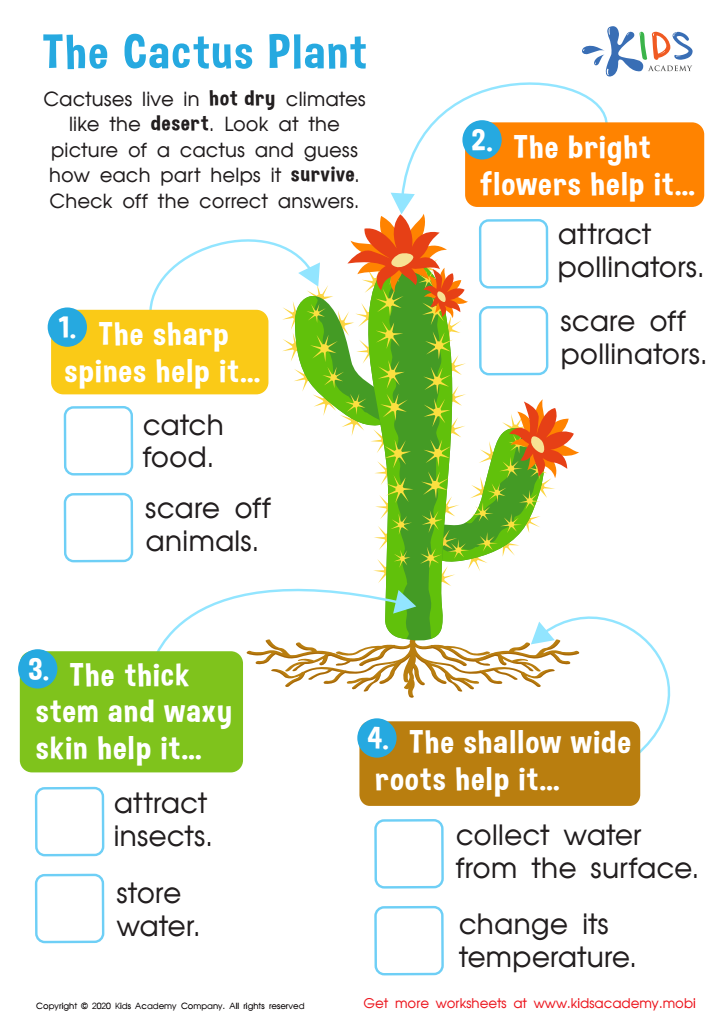
The Cactus Plant Worksheet
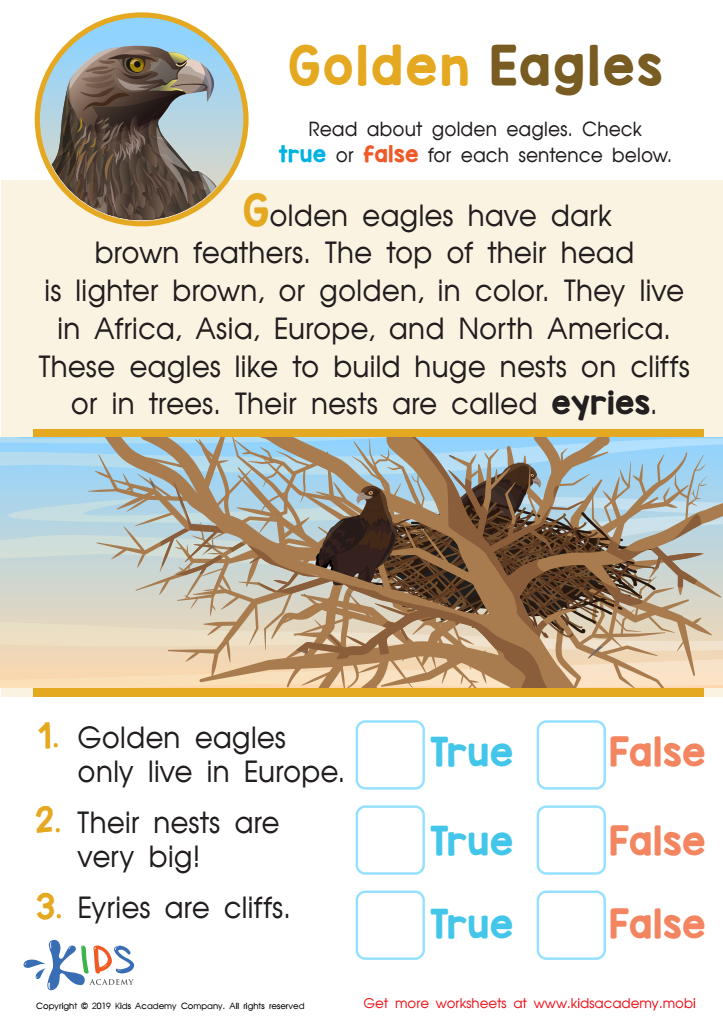
Golden Eagles Worksheet
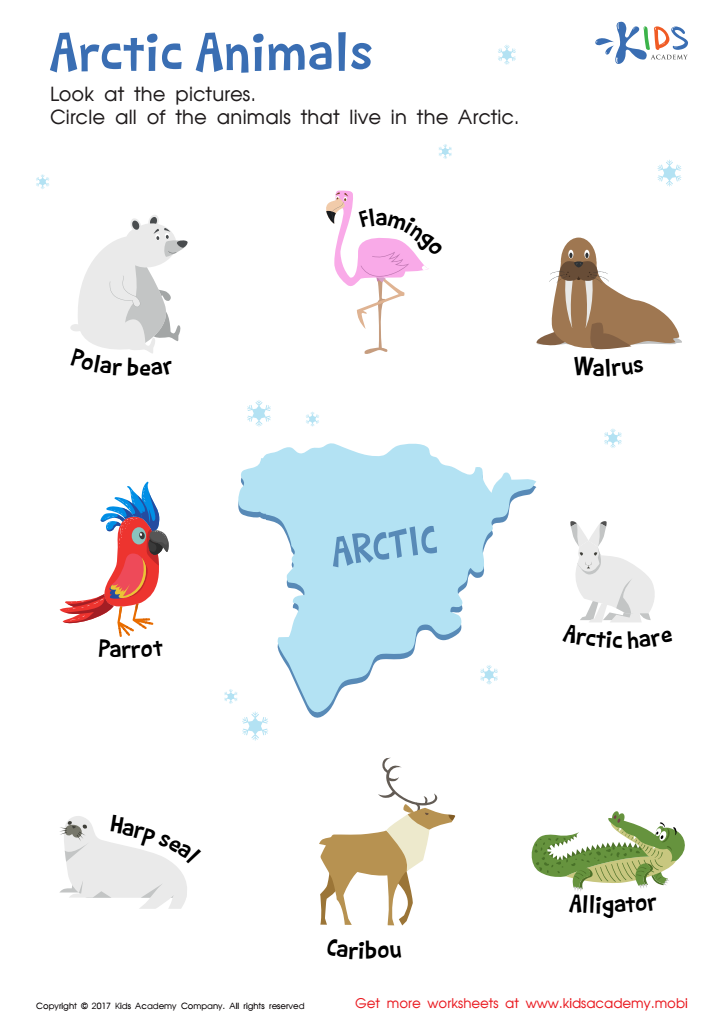
Arctic Animals Worksheet
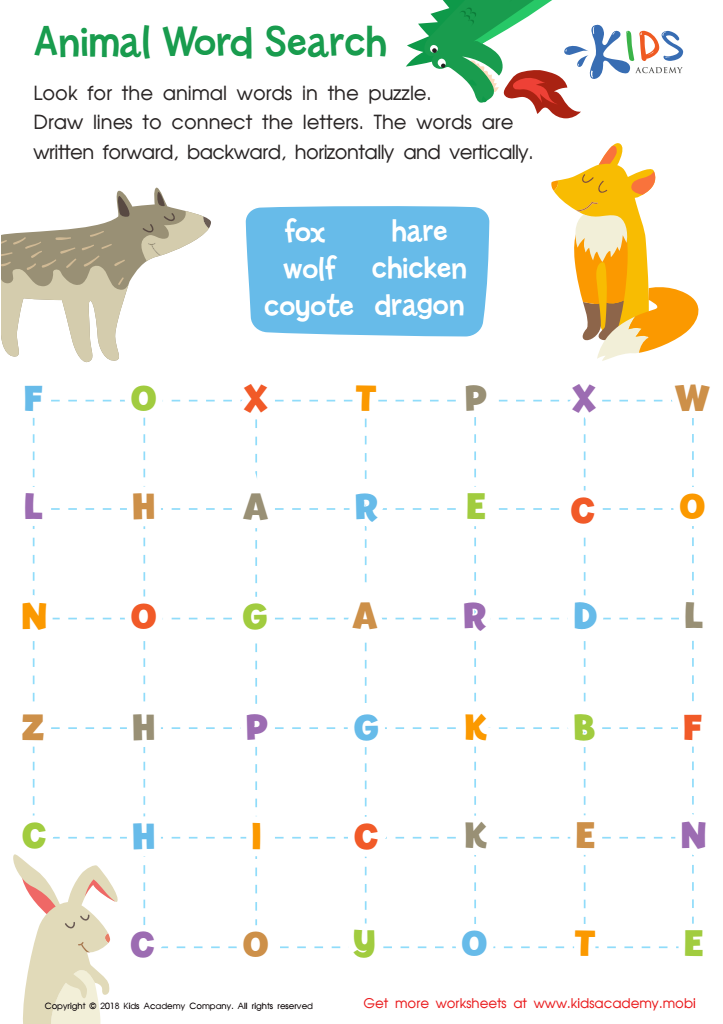
Animal Word Search Worksheet








Vocabulary building in young children, particularly concerning normal plants and animals, is crucial for several reasons. First, language development is fundamental to cognitive growth. Ages 3-9 are foundational years where children expand their vocabulary, which directly impacts their ability to express thoughts, engage in conversations, and understand complex concepts later in life.
Introducing vocabulary related to plants and animals helps children connect with the natural world, fostering curiosity and appreciation for their environment. Familiarity with terms like “tree,” “flower,” “dog,” or “bird” enables them to explore and describe their surroundings, enhancing observational skills. This knowledge helps children develop a richer language base, allowing for better storytelling and communication.
Additionally, building this vocabulary supports scientific understanding as they learn about ecosystems, life cycles, and the roles of different organisms. Such knowledge encourages critical thinking and inquiry, essential components of early education.
Furthermore, parents and teachers can utilize these vocabulary lessons to create engaging activities, promoting social interaction among peers. Through group activities centered around plants and animals, children not only learn new words but also develop teamwork and communication skills. Therefore, prioritizing vocabulary building around normal plants and animals is vital for a child's overall development.







