Geography skills Normal Geography Worksheets for Ages 3-9
3 filtered results
-
From - To
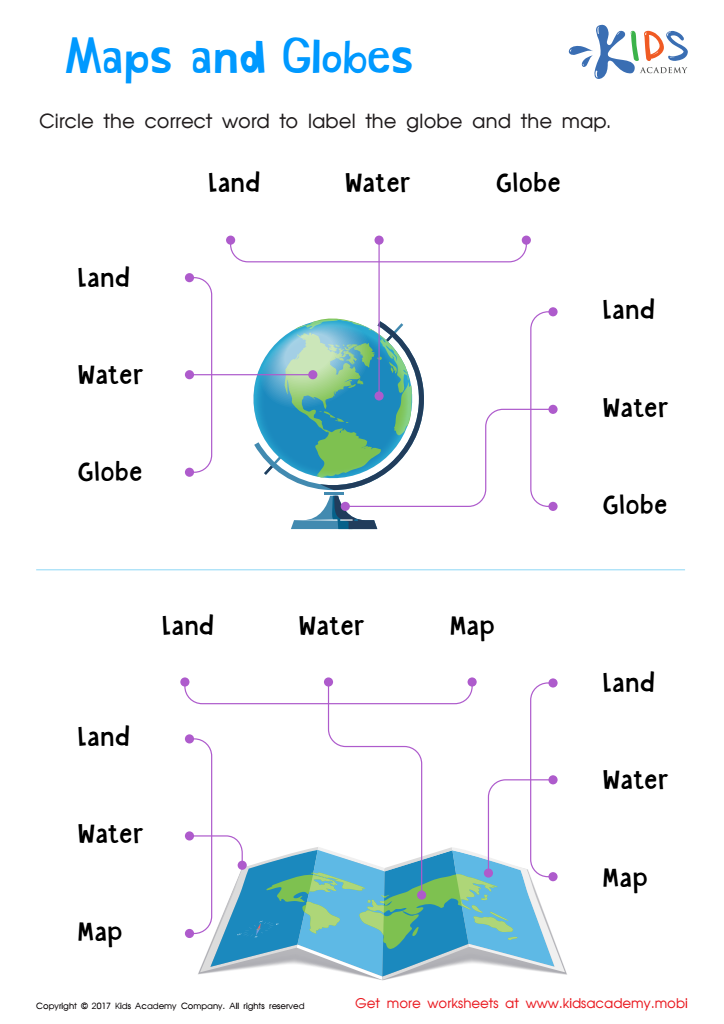
Discover our engaging Geography Skills worksheets designed for children ages 3-9! Our resources provide an enjoyable way for young learners to explore basic geographic concepts, such as maps, landforms, and directions. With a variety of activities tailored to different skill levels, these worksheets promote critical thinking and spatial awareness while encouraging creativity. Perfect for both classroom and at-home learning, our printables make geography accessible and fun. Help your child develop essential skills in understanding their world while reinforcing their love for learning! Dive into our collection of Normal Geography Worksheets today and watch your child flourish in their geographic understanding.
 Assign to My Students
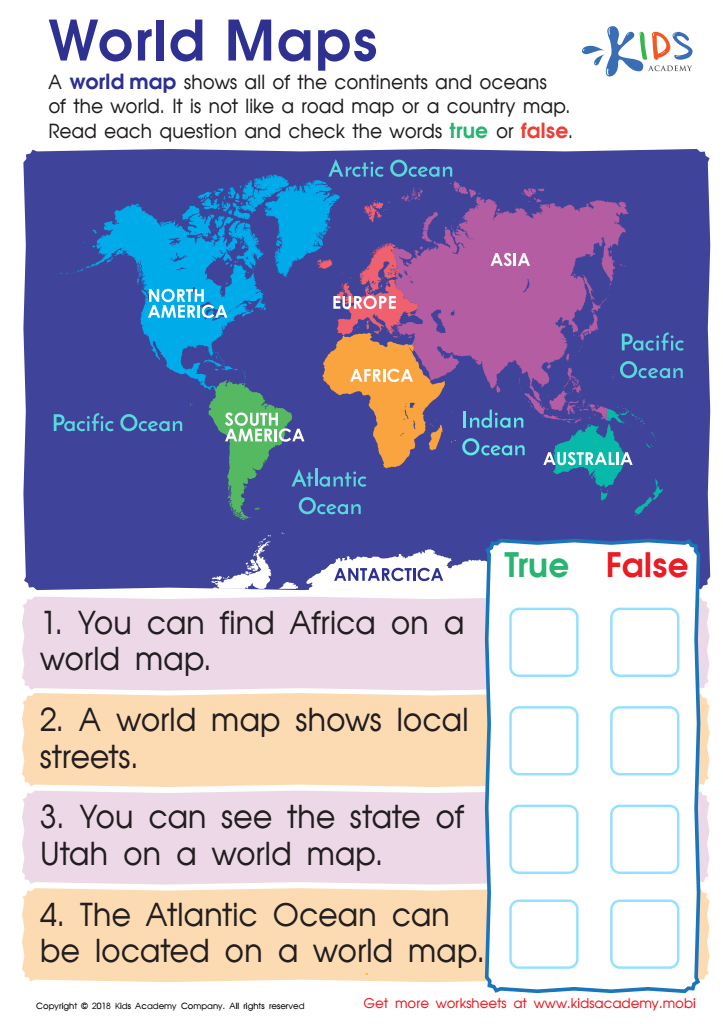
World Maps Worksheet
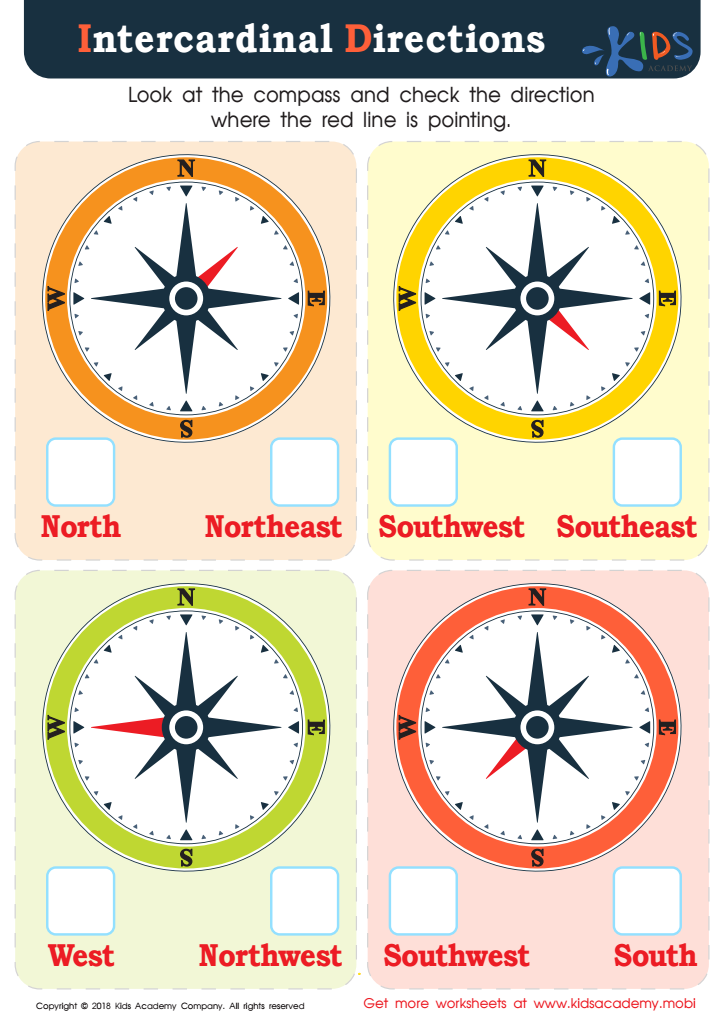
Intercardinal Directions Worksheet



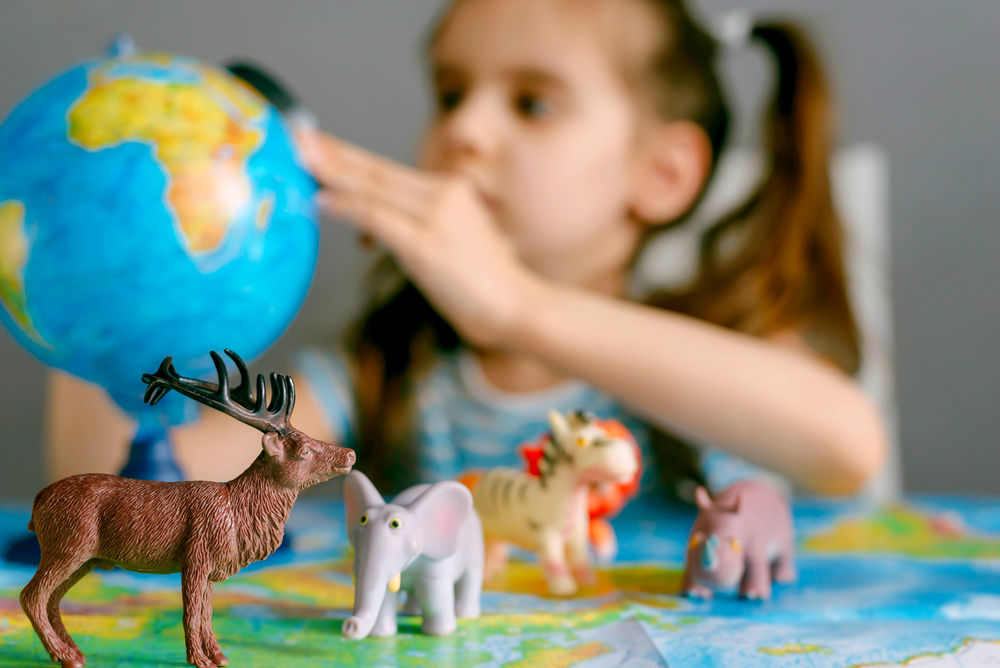



Teaching geography skills to children aged 3-9 is vital for several reasons. First, early geographic education helps develop critical thinking and spatial awareness. Children begin to understand their place in the world, learn about different habitats, cultures, and communities, and recognize how geography influences lifestyle. These skills foster curiosity and open-mindedness, encouraging children to appreciate diversity.
Moreover, developing geographic skills at a young age supports foundational literacy and numeracy skills. When children engage with maps, globes, and location-based activities, they enhance their ability to read symbols and understand scales, all of which are vital skills as they progress in their education.
Parents and teachers play a crucial role in nurturing these skills by integrating geographic concepts into daily activities—such as reading stories that involve various locations, organizing nature walks, or exploring community geography. By fostering these interests early, adults can help children problem-solve and connect with their environment, which is increasingly important in a globalized world. Understanding geography can also inspire a sense of responsibility toward environmental stewardship, as children learn about ecosystems, resources, and sustainability. Overall, a strong foundation in geography equips children for lifelong learning and civic engagement.