Reading comprehension Normal Punctuation Worksheets for Ages 3-9
5 filtered results
-
From - To
Discover our engaging Reading Comprehension Normal Punctuation Worksheets designed specifically for children aged 3-9! These worksheets aim to improve reading skills while teaching the essential principles of punctuation. Through fun and interactive exercises, young learners will explore sentence structure, meaning, and how punctuation affects readability. Our age-appropriate activities promote critical thinking and comprehension, making reading a delightful adventure. Perfect for home or classroom use, these worksheets cater to various learning styles and help build a solid foundation for effective communication. Boost your child's reading skills today with our well-crafted materials that make learning punctuation exciting and accessible for every learner!
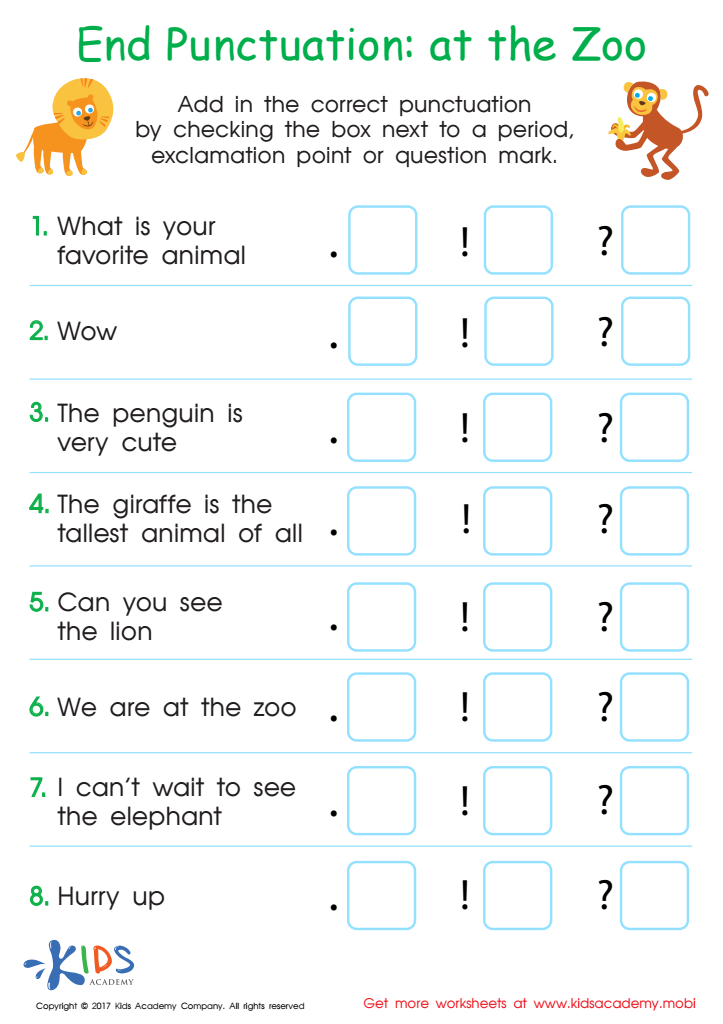
End Punctuation: At the Zoo Worksheet
 Assign to My Students
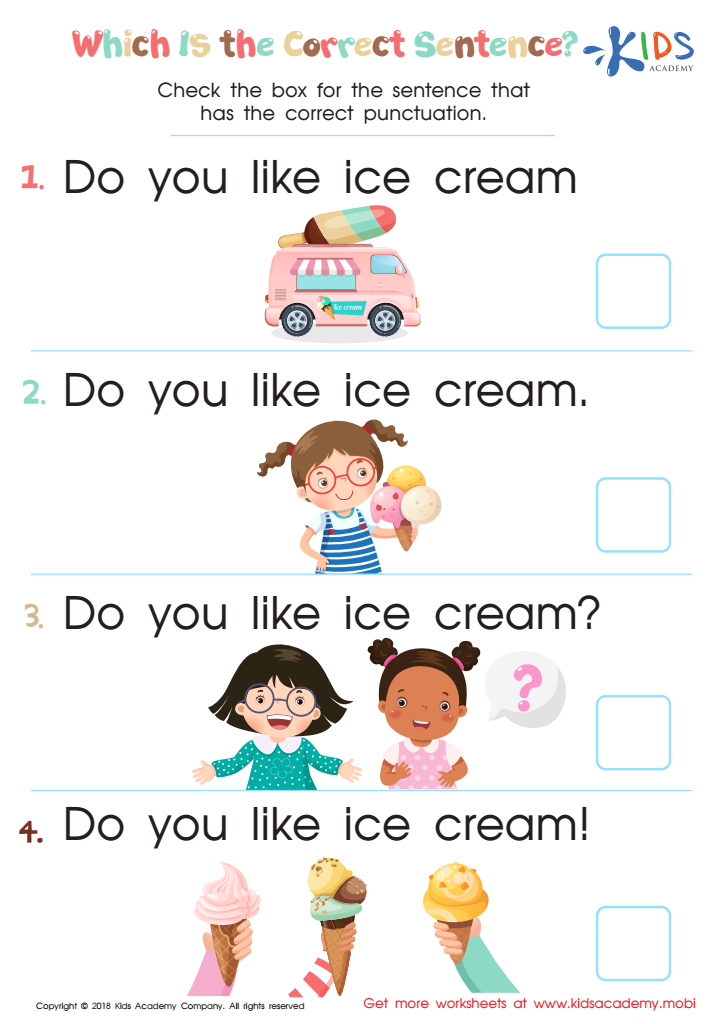
Which is the Correct Sentence? Worksheet
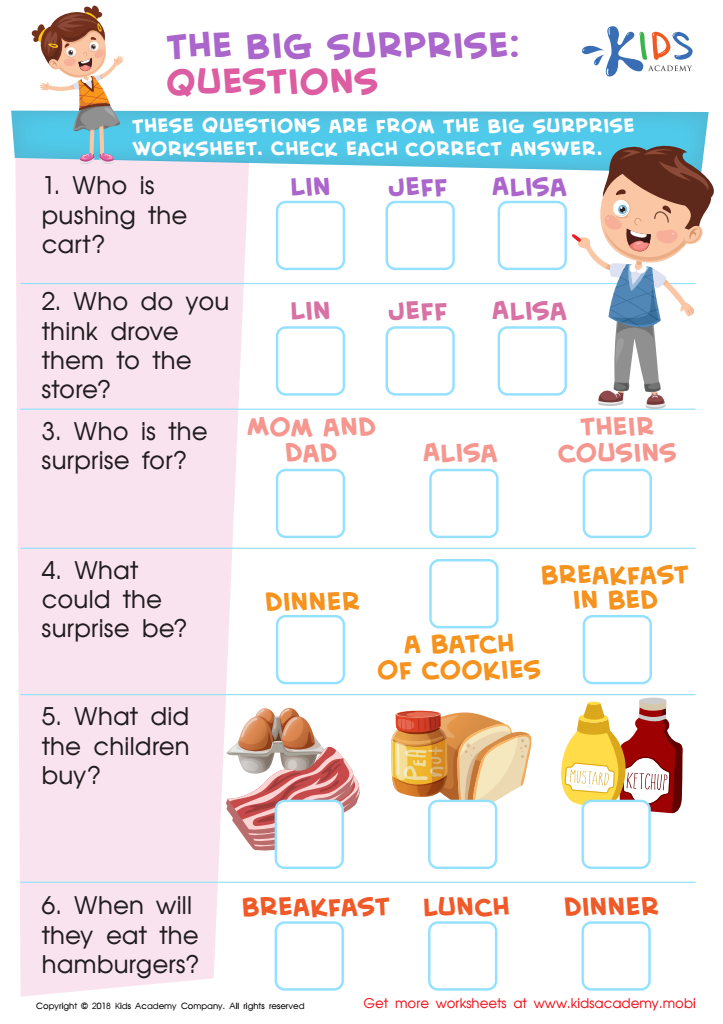
The Big Surprise: Questions Worksheet
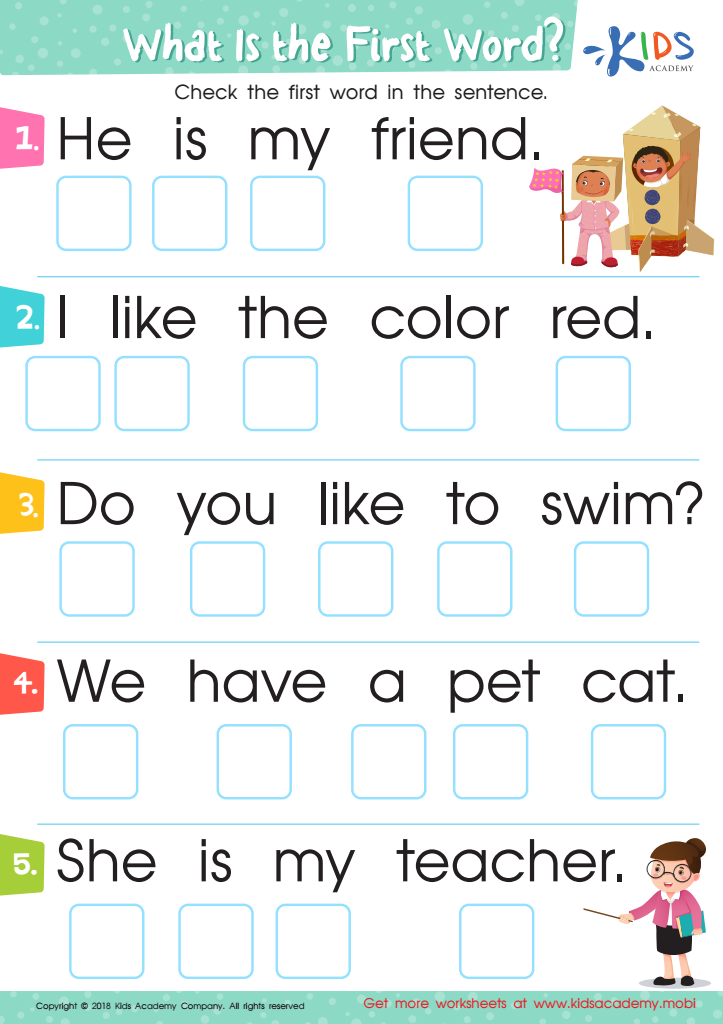
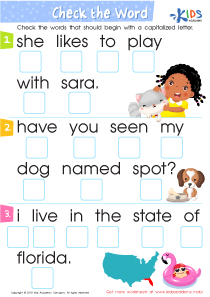
What is the First Word? Worksheet
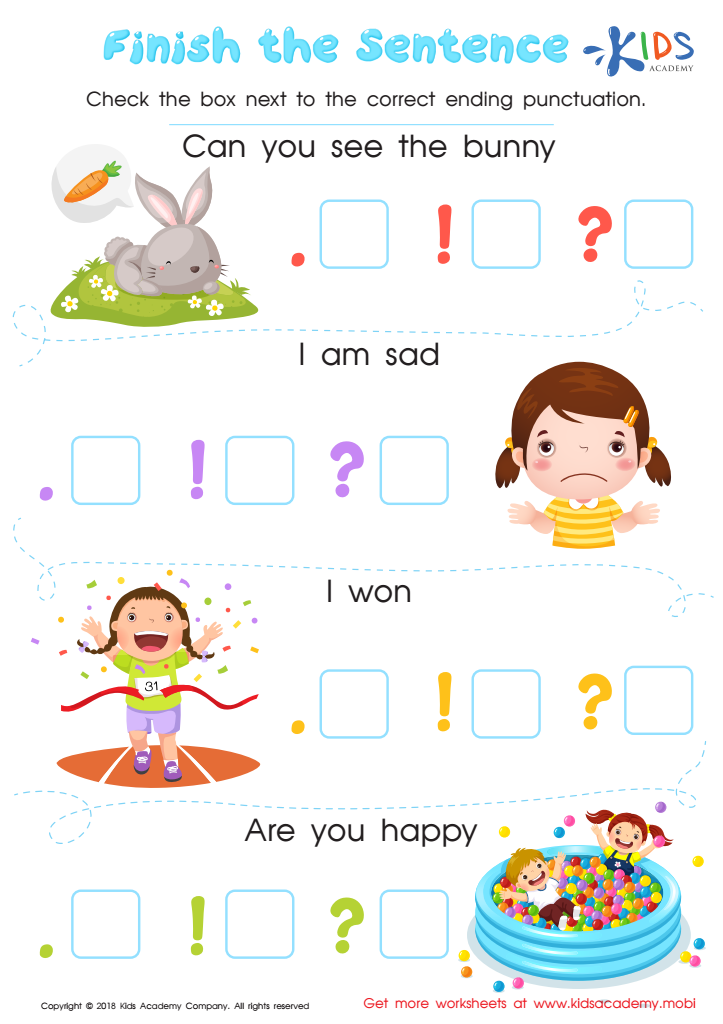
Finish the Sentence Worksheet





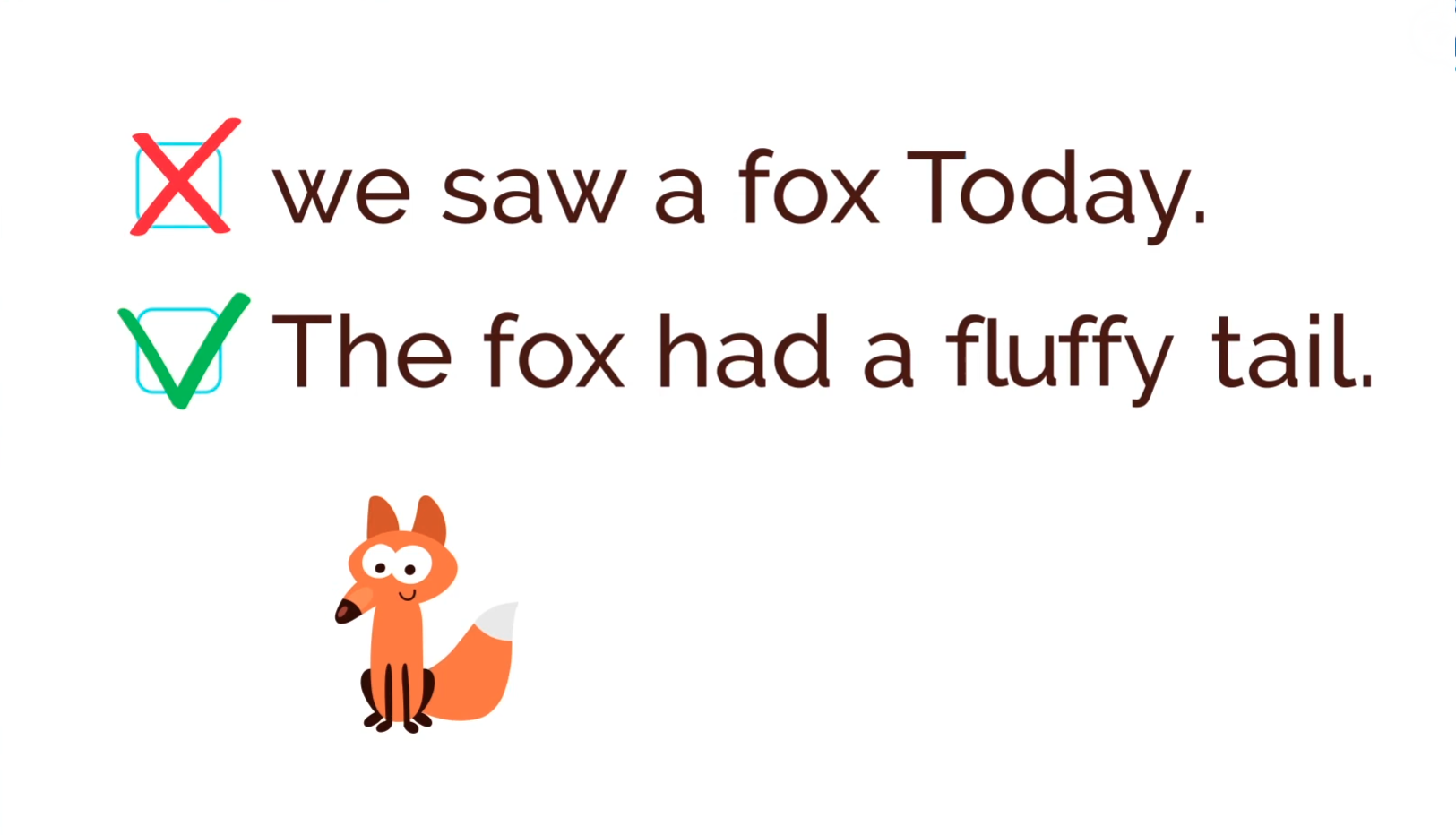


Reading comprehension is vital for children ages 3-9, as it forms the foundation for their educational success and lifelong learning. At this age, kids are not only learning to read but also reading to learn. Strong reading comprehension skills go beyond mere decoding of words; they encompass understanding, interpreting, and engaging with the text. This capability supports children in grasping new concepts across various subjects, enhancing their critical thinking and creativity.
Parents and teachers should care about reading comprehension because it profoundly impacts a child's confidence and motivation. When children effectively comprehend what they read, they are more likely to enjoy the process and continue reading independently. This enjoyment fosters a love for learning that is essential during these formative years.
Moreover, proficient reading comprehension is linked to better academic performance and long-term language development. By emphasizing the importance of reading comprehension early on, parents and teachers can help children develop essential skills that contribute to effective communication, empathy, and cultural awareness. With strong support and guidance, children can become fluent readers and lifelong learners, navigating their world with curiosity and understanding. Fostering these skills during ages 3-9 sets the stage for future success in school and life.