Alphabetical order understanding Normal ABC Letters Worksheets for 3-Year-Olds
3 filtered results
-
From - To
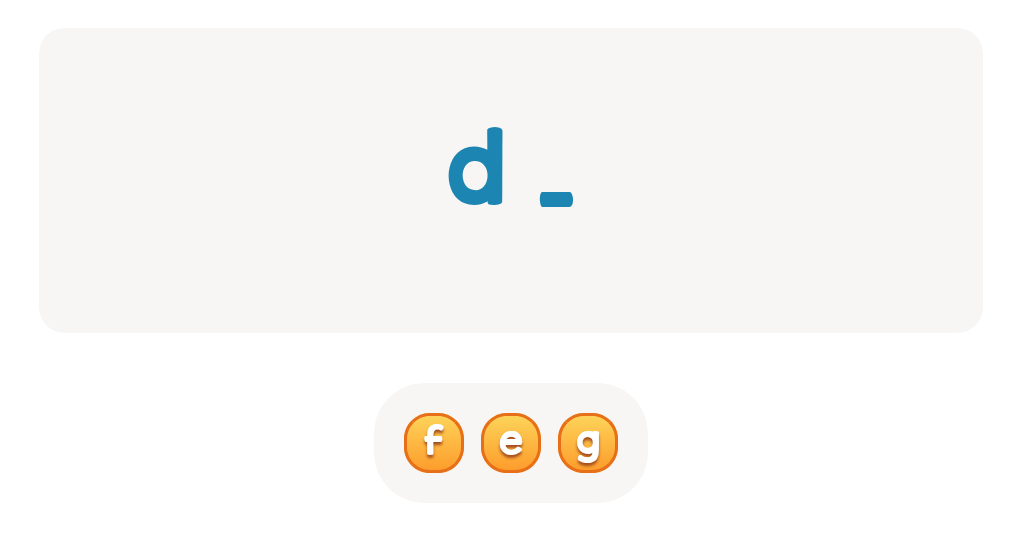
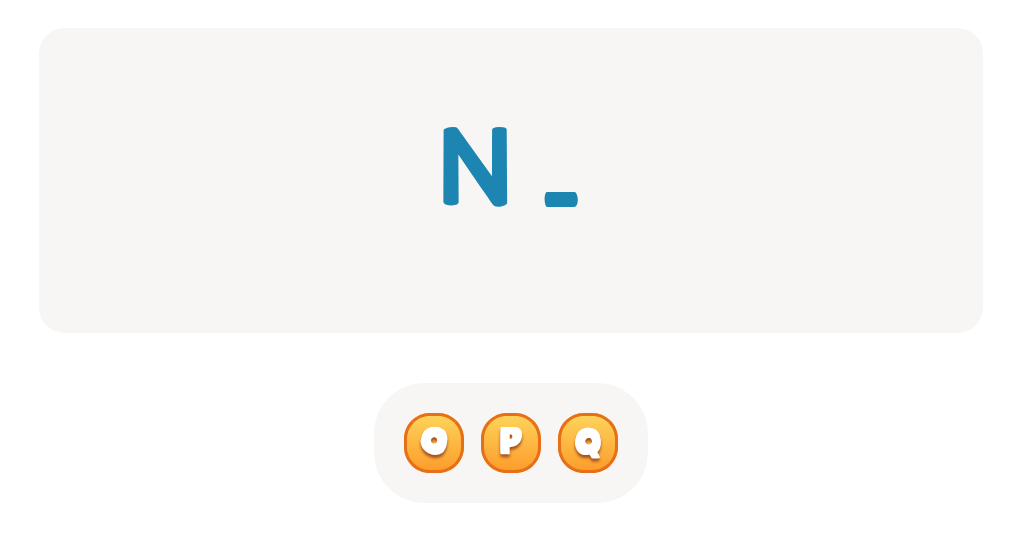
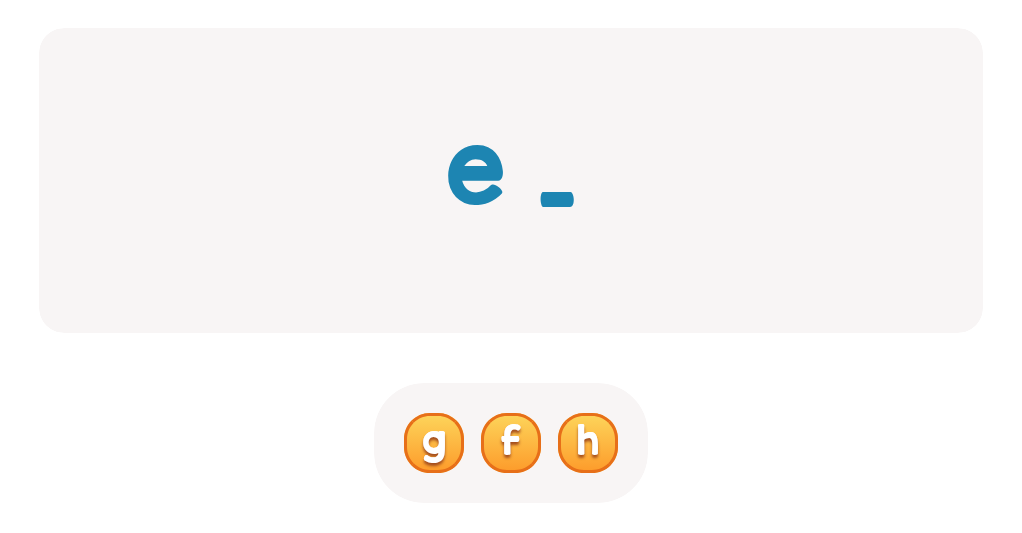
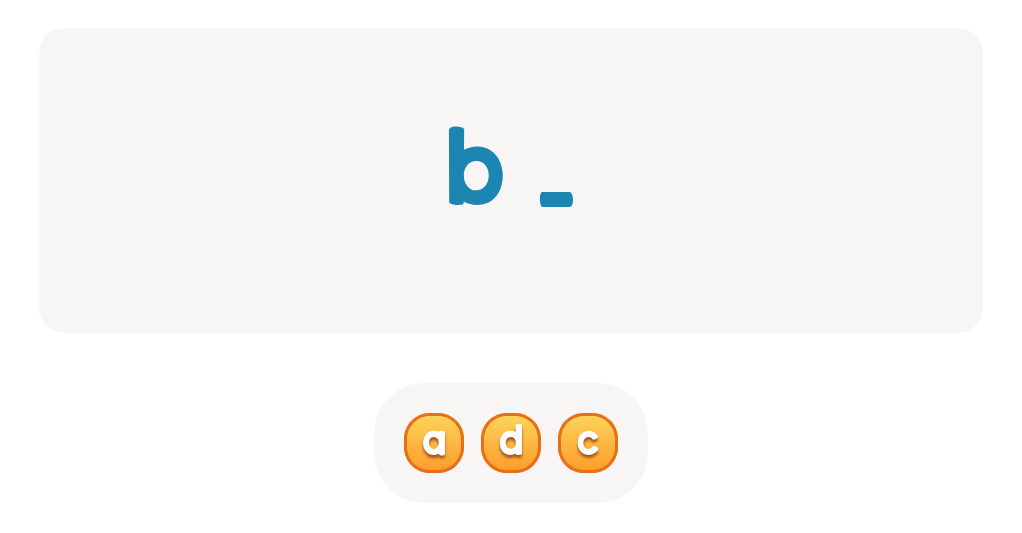
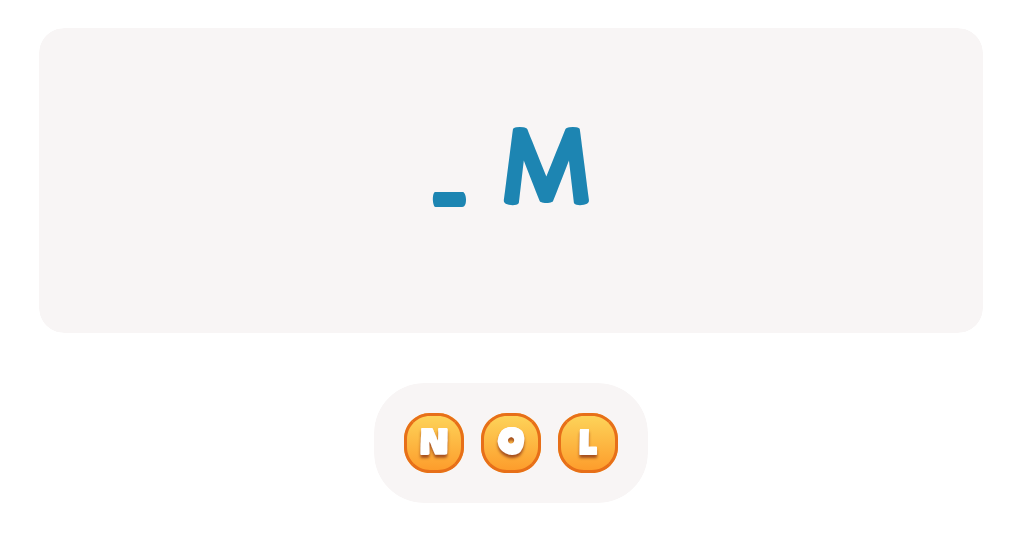
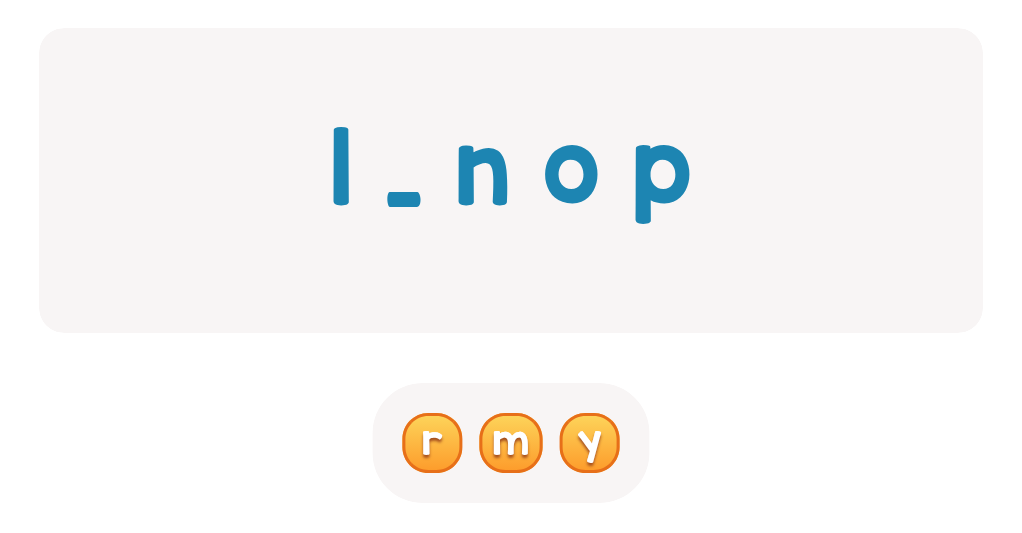
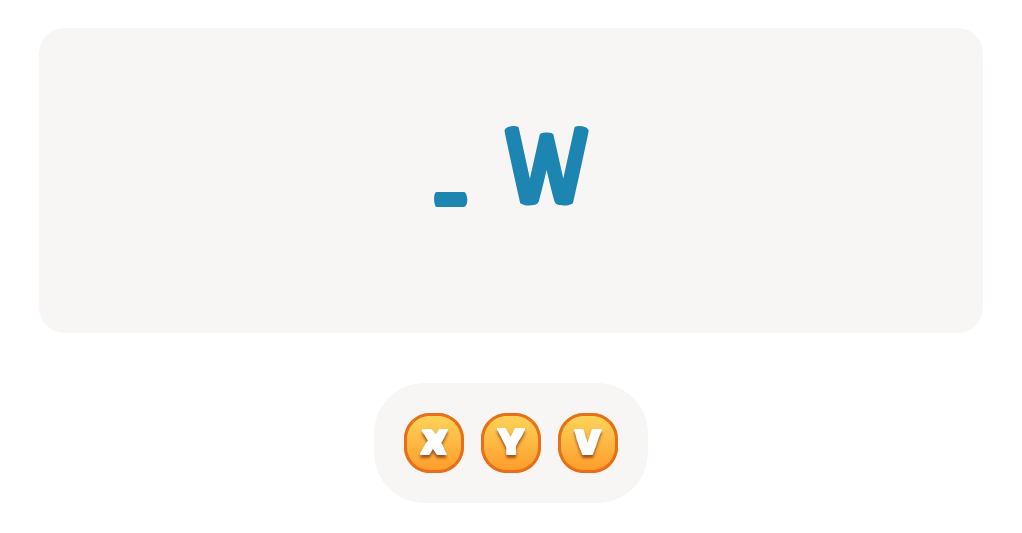
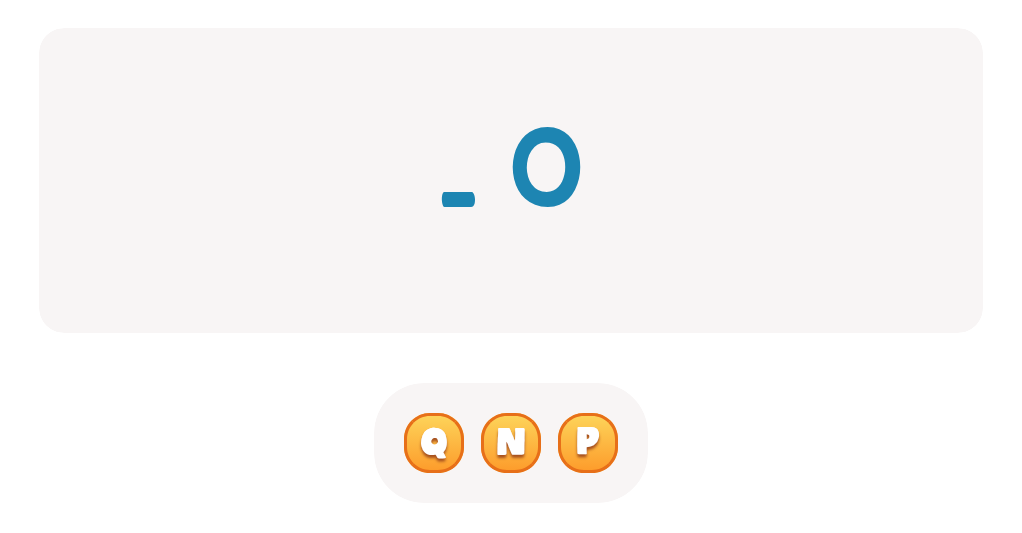
Explore our engaging "Alphabetical Order Understanding Normal ABC Letters Worksheets" designed specifically for 3-Year-Olds! These worksheets foster essential early literacy skills by introducing young learners to the concept of alphabetical order. Through fun activities, children will practice recognizing and arranging letters in a sequence, enhancing their understanding of the alphabet. Each worksheet is colorful and child-friendly, promoting interactive learning to keep your little ones excited about letters. Perfect for at-home learning or classroom use, these resources help form a strong foundation for reading and writing. Unlock your child's potential with our delightful and educational worksheets tailored for early learners!

Letter G Tracing Page

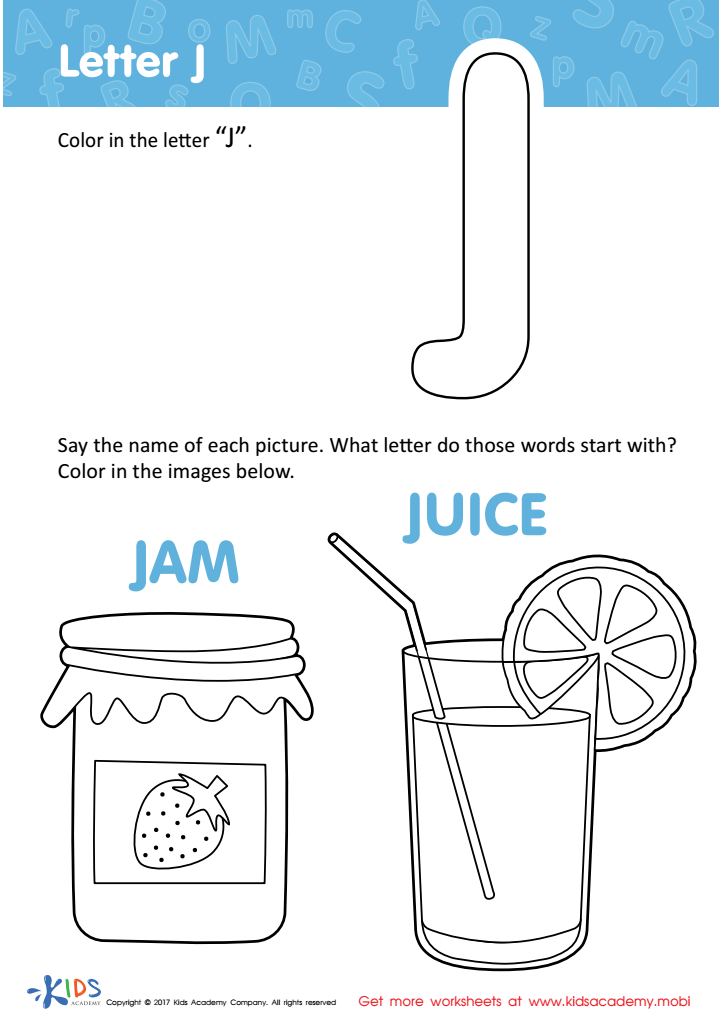
Letter J Coloring Sheet
 Assign to My Students
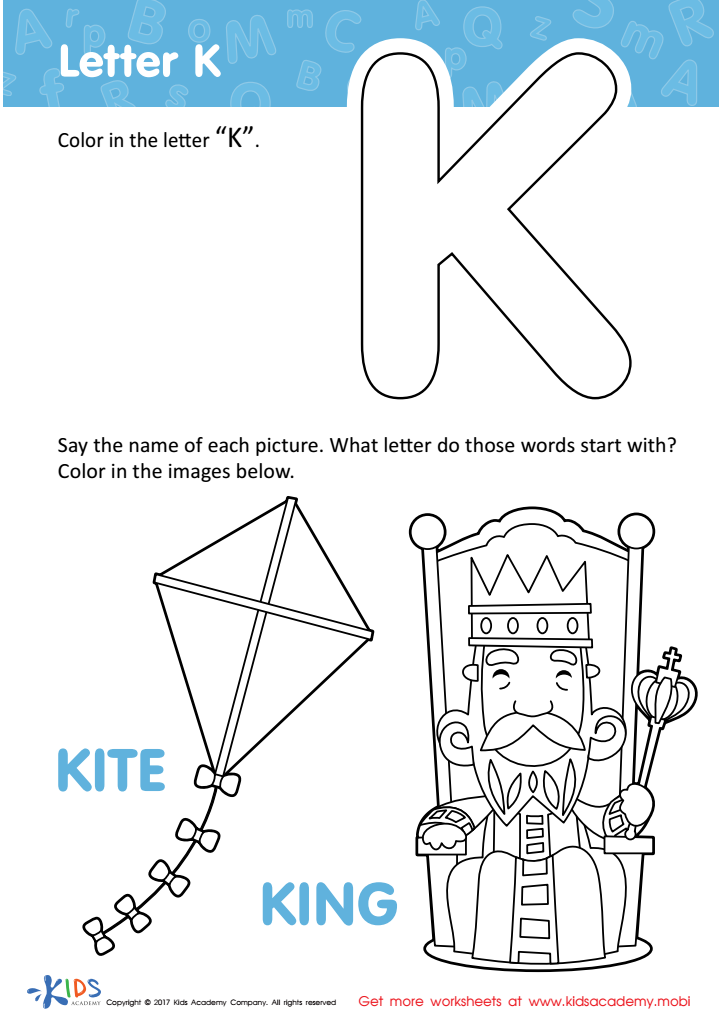
Letter K Coloring Sheet
Assign to My Students







Understanding alphabetical order is crucial for 3-year-olds as it lays the foundation for literacy development. At this age, children are beginning to recognize letters and sounds, and learning to arrange letters in the conventional order enhances their ability to read and write. When they grasp the ABC sequence, children can more easily learn the names of letters, their sounds, and how to form words. This understanding fosters phonemic awareness, a key pre-reading skill that allows children to manipulate sounds and spells words more effectively.
Parents and teachers who emphasize the importance of alphabetical order can support children's cognitive and language development. It encourages memory skills and introduces them to categorization and organization, which are valuable skills across all subjects. Engaging children in fun activities, like singing the ABC song or using Montessori-style toys, makes this learning process enjoyable, promoting a positive attitude towards learning.
Additionally, knowing the ABCs helps children when they start exploring books and learning materials, making it easier to locate familiar words and understand basic text structures. Ultimately, this early comprehension is vital for ensuring future academic success and a lifelong love for reading.







