Motor skills development Normal ABC Letters Worksheets for 3-Year-Olds
3 filtered results
-
From - To
Enhance your child's motor skills with our engaging Normal ABC Letters Worksheets, specifically designed for 3-year-olds! These fun and interactive worksheets incorporate colorful illustrations and simple exercises to help young learners practice letter recognition and fine motor skills. As toddlers trace the alphabet, they develop hand-eye coordination, strengthen their pencil grip, and improve their writing abilities. Our worksheets are a perfect blend of learning and play, ensuring your child builds a strong foundation in literacy while honing essential motor skills. Download and print our worksheets today to support your child's early development and make learning enjoyable!
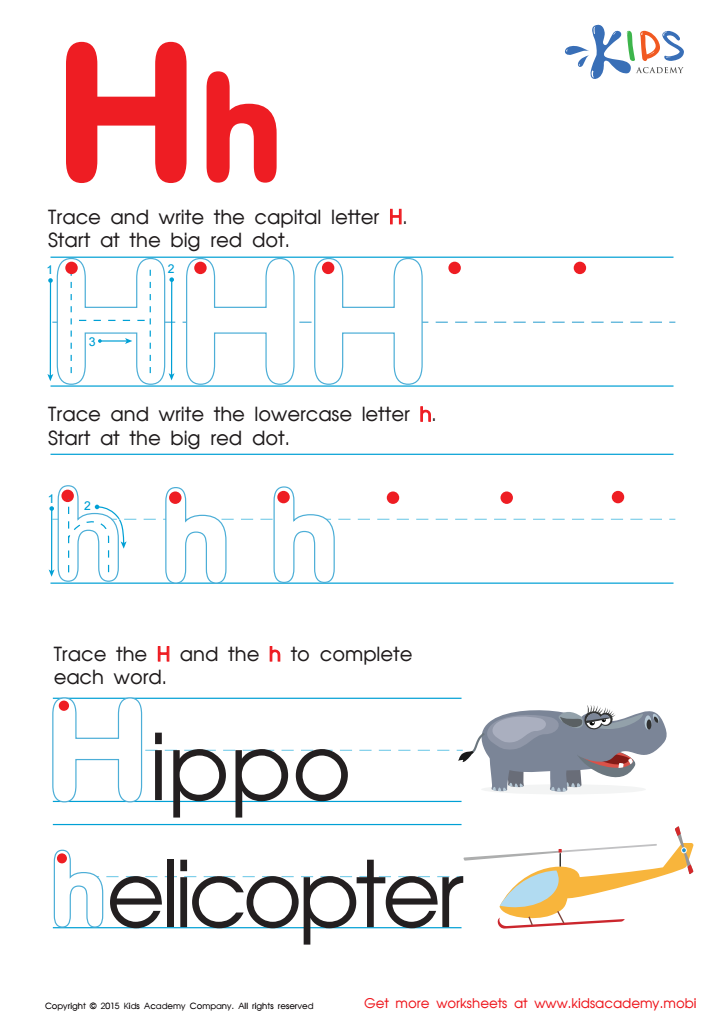
Letter H Tracing Page






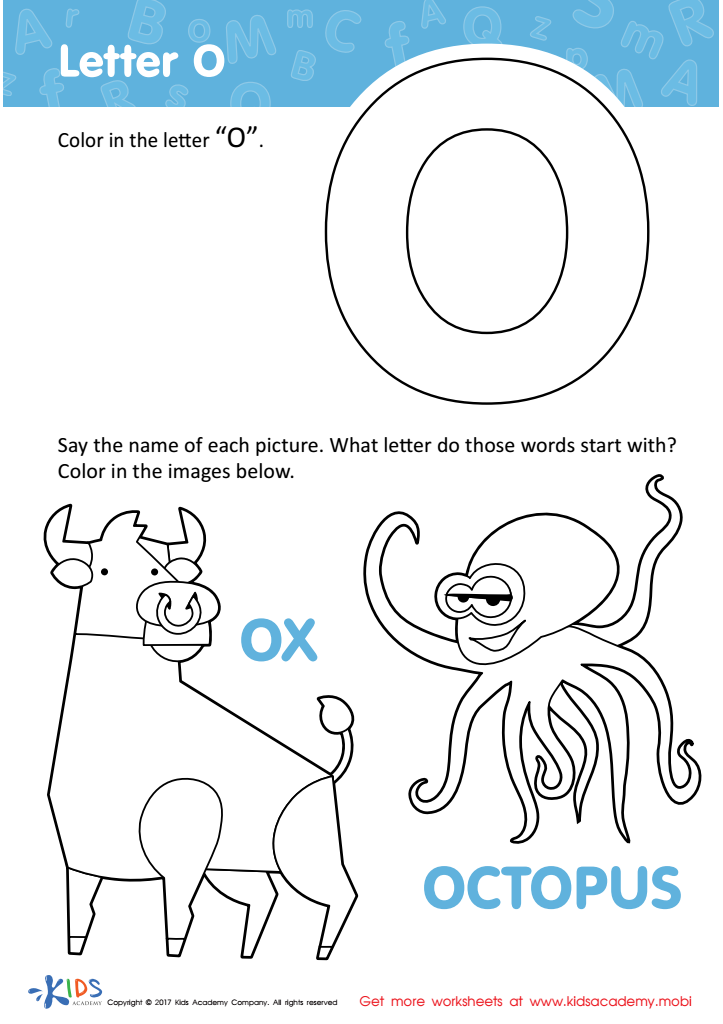
Letter O Coloring Sheet
 Assign to My Students
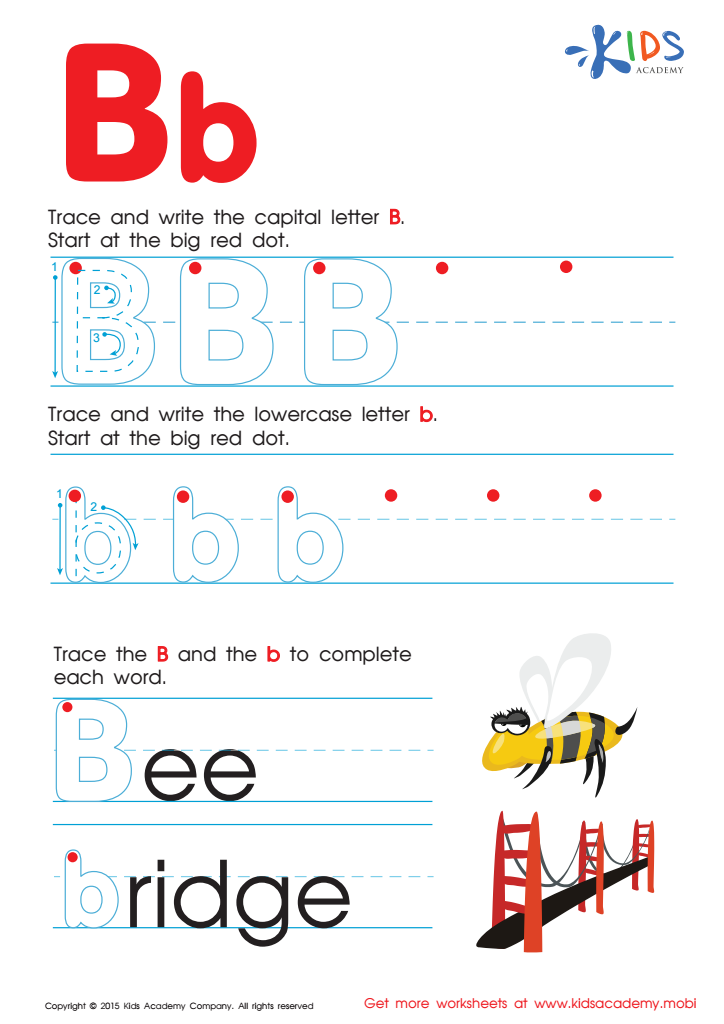
Letter B Tracing Page








Motor skills development is crucial for 3-year-olds as it lays the foundation for overall growth and learning. Both fine and gross motor skills are essential during this stage, enabling children to interact effectively with their environment. Parents and teachers should be particularly mindful of normal ABC letter formation because it not only impacts a child’s ability to write but also strengthens cognitive skills, hand-eye coordination, and spatial awareness.
When children engage in activities that promote motor skills, such as tracing letters, coloring, or manipulating small objects, they are simultaneously enhancing their physical capabilities and stimulating brain development. Proper letter formation aids in establishing a framework for more advanced literacy skills. It encourages children to recognize shapes, build memory retention, and understand the relationship between spoken and written language.
Moreover, attention to motor skills development fosters confidence and independence in young learners. When kids can correctly form letters, they feel more empowered in what they communicate on paper. Teachers and parents can also strengthen their bond with children through encourage-and-praise interactions, making learning fun and engaging. Therefore, prioritizing motor skills development in early childhood sets the stage for lifelong learning and academic success.







