Alphabet tracing Normal Letter Recognition Worksheets for 3-Year-Olds
5 filtered results
-
From - To
Welcome to our Alphabet Tracing Normal Letter Recognition Worksheets designed specifically for 3-year-olds! These engaging worksheets encourage early literacy skills through fun tracing activities. Kids will enhance their letter recognition and fine motor skills while gaining confidence in their writing abilities. Each worksheet features vibrant designs and gentle prompts that captivate young learners’ interest. As children trace each letter, they will become more familiar with the alphabet, paving the way for future reading success. Discover an enjoyable learning experience that nurtures every child's curiosity and growth—perfect for homeschooling, preschool, or supplementary activities at home. Explore our worksheets today!
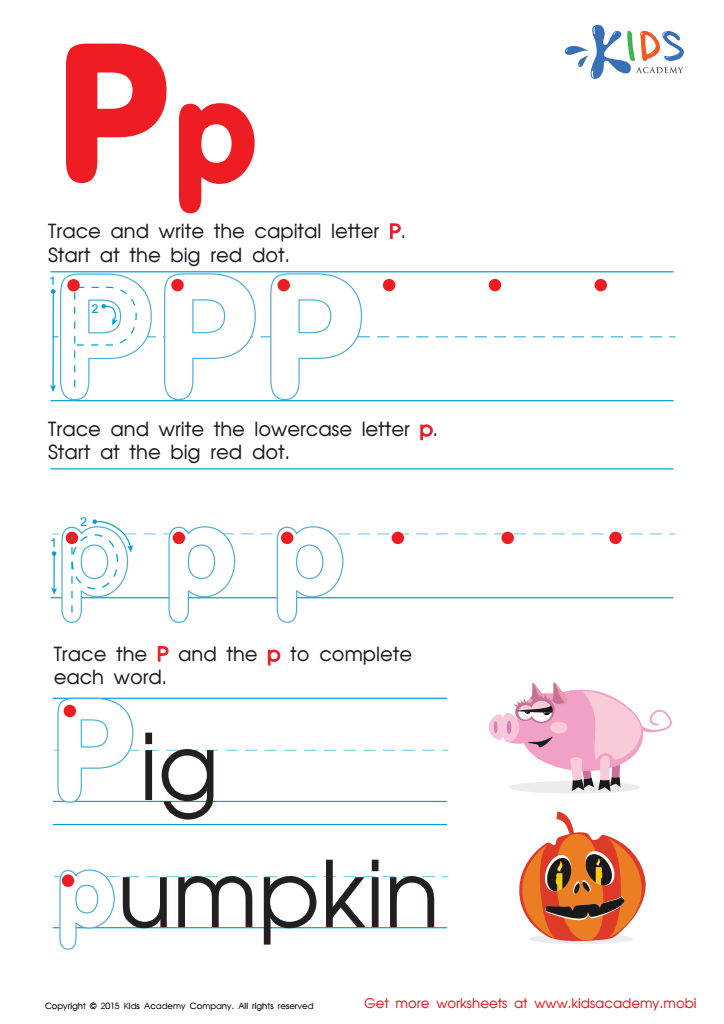
Letter P Tracing Page
 Assign to My Students
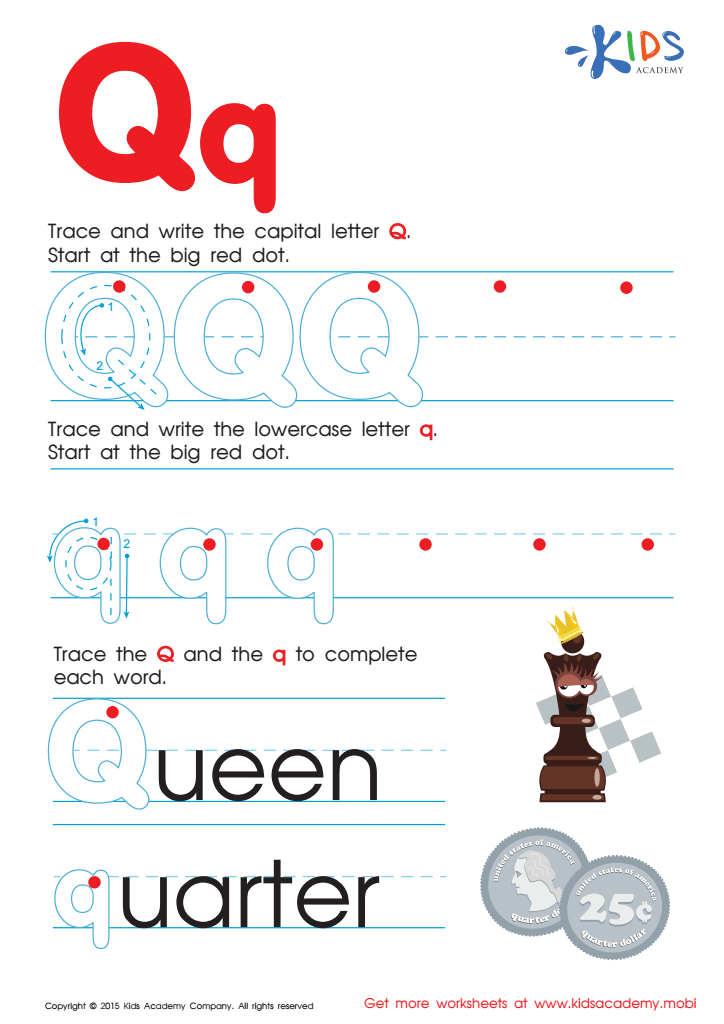
Letter Q Tracing Page

Letter H Tracing Page
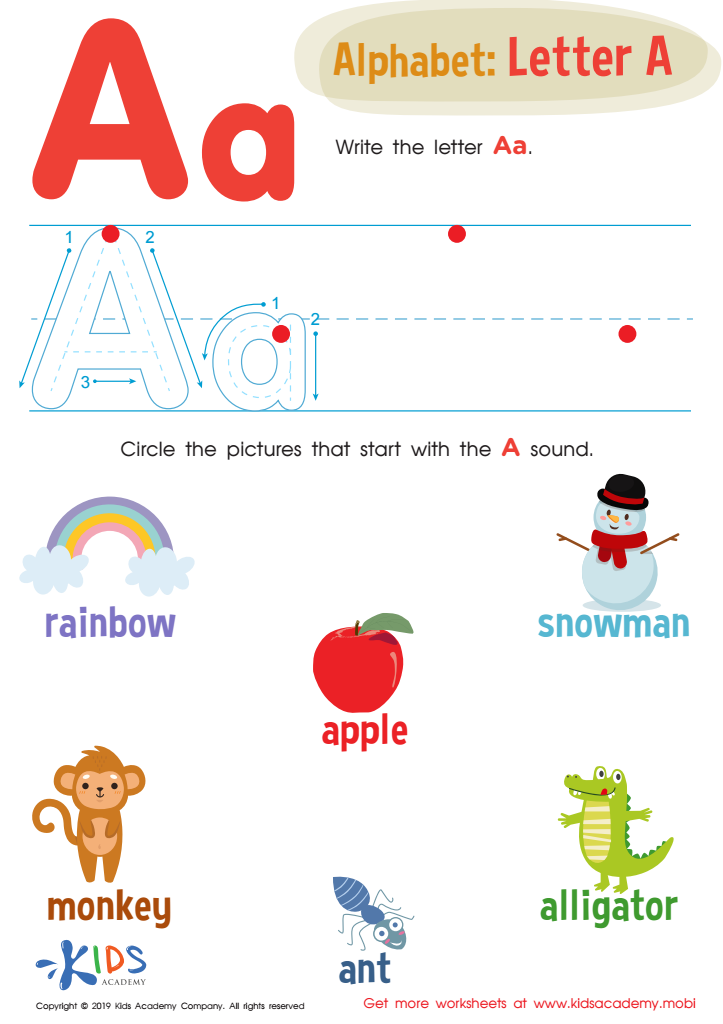
Letter A Tracing Worksheet

Letter D Tracing Page








Alphabet tracing and normal letter recognition are foundational skills for early childhood education, especially for 3-year-olds. Engaging in these activities helps develop fine motor skills, which are crucial for tasks like writing and drawing. As children trace letters, they practice using their fingers and develop hand-eye coordination, setting the stage for future writing abilities.
Moreover, recognizing letters is vital for literacy development. Early exposure to letters helps children understand the sounds associated with them, fostering phonemic awareness. This is essential as children progress to reading and spelling. Familiarity with letters through tracing reinforces memory and builds confidence, making later learning experiences more enjoyable and less daunting.
From a social-emotional perspective, when parents and teachers prioritize these skills, they create a nurturing environment that promotes learning and curiosity. It encourages children to take risks and experiment with language, setting a strong foundation for communication skills.
Ultimately, focusing on alphabet tracing and letter recognition equips children with the tools they need to succeed academically and beyond. By investing time in these activities, parents and teachers play a significant role in shaping young learners, preparing them for future educational opportunities and life challenges.








