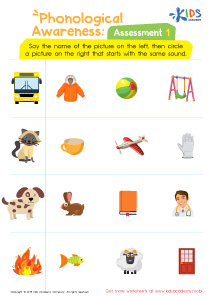
Reading comprehension Normal Vowels Worksheets for 3-Year-Olds
3 filtered results
-
From - To
Our Reading Comprehension Normal Vowels Worksheets for 3-Year-Olds are designed to engage and educate young learners as they embark on their reading journey. These colorful and interactive worksheets help children recognize and understand vowel sounds through fun activities and exercises. By focusing on normal vowels, kids can build a strong foundational understanding of basic phonics, boosting their reading comprehension skills. Our activities are tailored to this age group, ensuring that learning is enjoyable and effective. Perfect for preschool educators and parents, these worksheets are a valuable resource for nurturing early literacy in young readers. Start exploring and learning today!
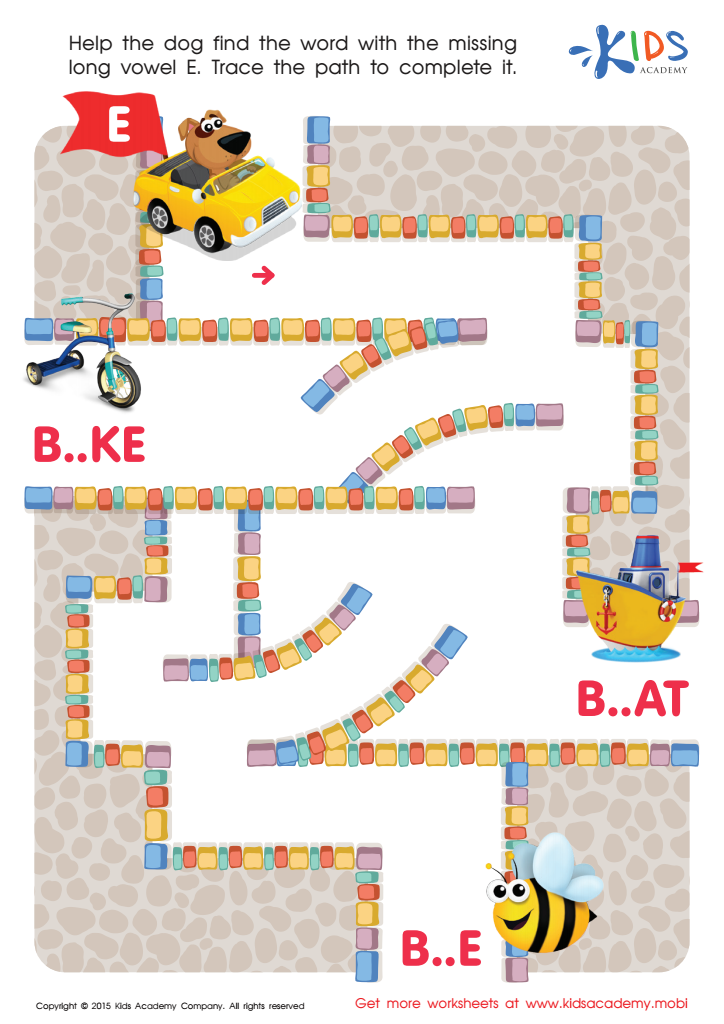
Long Vowel Sound E Worksheet

Long and Short E Worksheet
 Assign to My Students
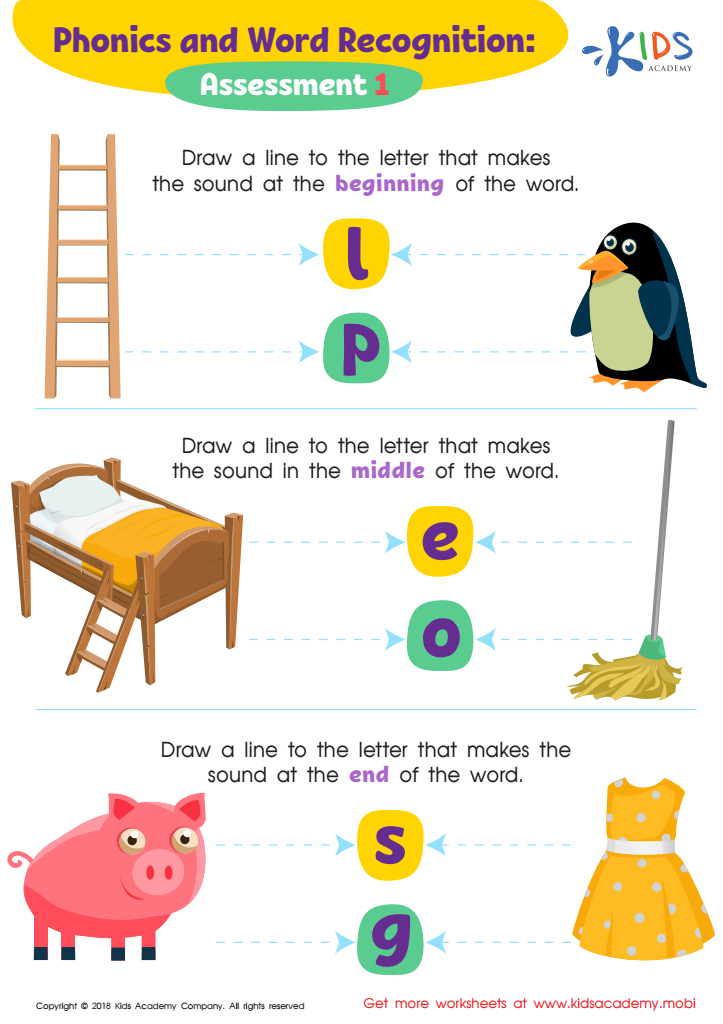
Phonics and Word Recognition: Assessment 1 ELA Worksheet





Reading comprehension and an understanding of normal vowels are foundational aspects of early literacy, and their importance cannot be overstated for 3-year-olds. At this tender age, children's brains are remarkably receptive to language development, which sets the stage for future academic success. Parents and teachers should particularly focus on reading comprehension and vowel recognition because these skills are building blocks for effective communication and critical thinking.
Reading comprehension at this age encompasses the ability to understand and interpret simple stories, fostering a love for reading and storytelling. This enhances vocabulary acquisition, improves listening skills, and stimulates imagination. Encouraging children to comprehend what they read aids in developing their ability to follow instructions and contextualize information.
Equally vital is the recognition of normal vowels, as these are fundamental components of phonemic awareness. A strong grasp of vowel sounds helps children decode words phonetically, paving the way for fluent reading. By recognizing and pronouncing vowels correctly, children can more easily blend sounds, promoting accurate spelling and writing as they progress.
Overall, prioritizing reading comprehension and vowel recognition fosters a robust literacy foundation. It is a springboard for complex language and cognitive skills, making it crucial for parents and teachers to engage 3-year-olds in activities that promote these competencies, ensuring a successful journey in learning.