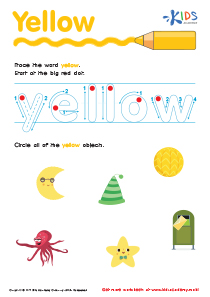
Handwriting practice Normal English for Beginners Worksheets for 3-Year-Olds - Page 2
26 filtered results
-
From - To
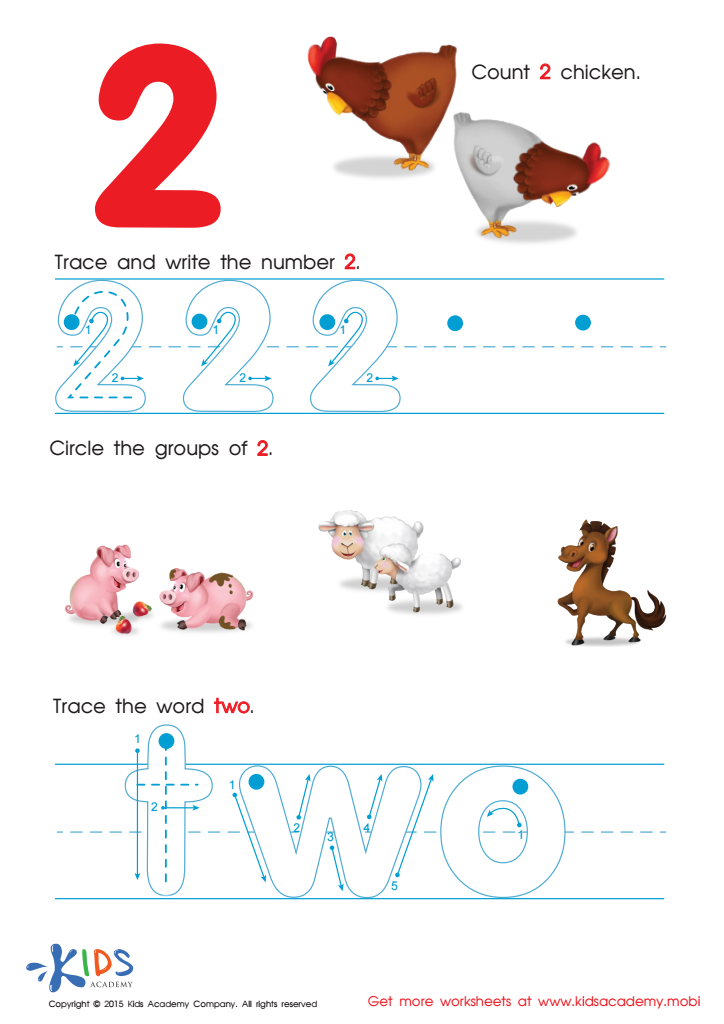
Learn to Write the Number 2 Worksheet
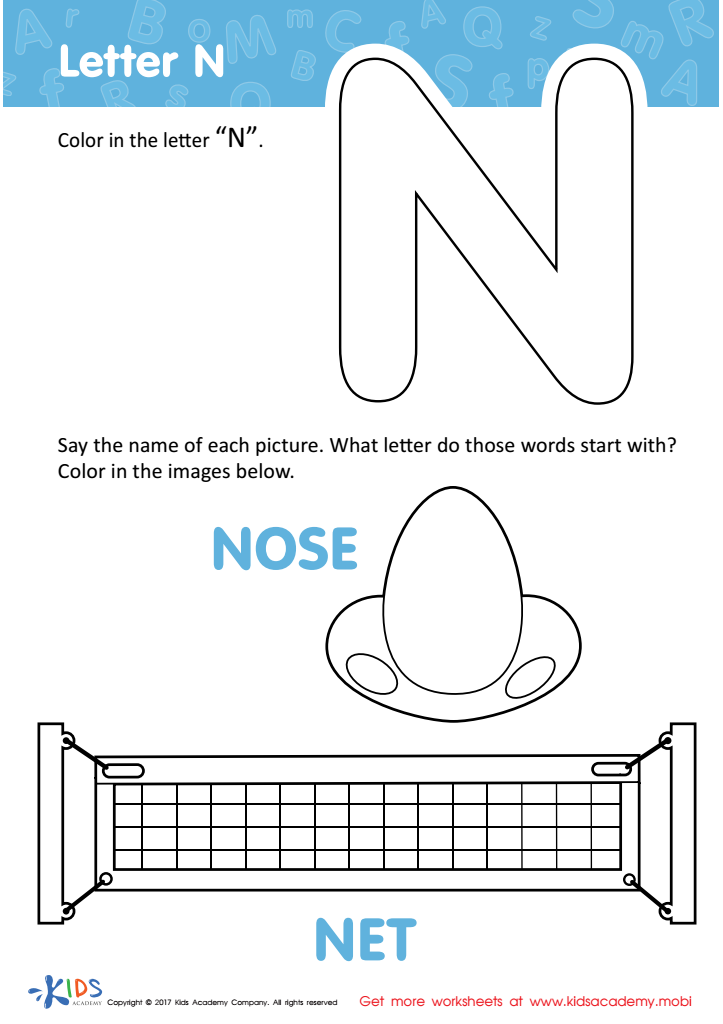
Letter N Coloring Sheet
 Assign to My Students





Handwriting practice for 3-year-olds is essential for several reasons. Firstly, developing handwriting skills enhances fine motor development, which is crucial for young learners. These skills form the foundation for more complex tasks like drawing or using scissors, promoting overall agility and coordination.
Secondly, early handwriting practice fosters self-expression. At this age, children are eager to convey their thoughts and ideas. Learning to write even simple letters or shapes provides them with the tools to communicate, boosting their self-confidence and creativity.
Moreover, engaging in handwriting activities introduces children to the concepts of letters, words, and sounds, laying the groundwork for literacy skills. Familiarity with letters aids in recognizing them in spoken language, making the transition to reading much smoother.
Additionally, practicing handwriting can be a fun and enjoyable bonding experience between parents and children. Through playful activities like tracing letters in sand or using colorful markers, learning becomes a positive and enriching experience for young learners.
In short, investing time in handwriting practice helps in developing vital motor skills, fosters communication, supports literacy, and strengthens family connections, making it a valuable activity for any child's early education journey.