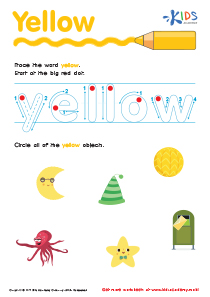
Handwriting Skills Normal English for Beginners Worksheets for 3-Year-Olds
5 filtered results
-
From - To
Unlock the joy of writing with our "Handwriting Skills Normal English for Beginners" worksheets, specially designed for 3-year-olds! These engaging and interactive resources help young learners cultivate essential handwriting skills while exploring basic English vocabulary. Each worksheet features playful activities and characters to make learning fun and effective. Children will practice letter formation, stroke techniques, and coordination in a supportive environment. Perfect for early childhood educators and parents, our worksheets encourage creativity and confidence in building foundational literacy skills. Set the stage for lifelong learning and bright futures with these specially crafted handwriting worksheets tailored for little hands and curious minds!
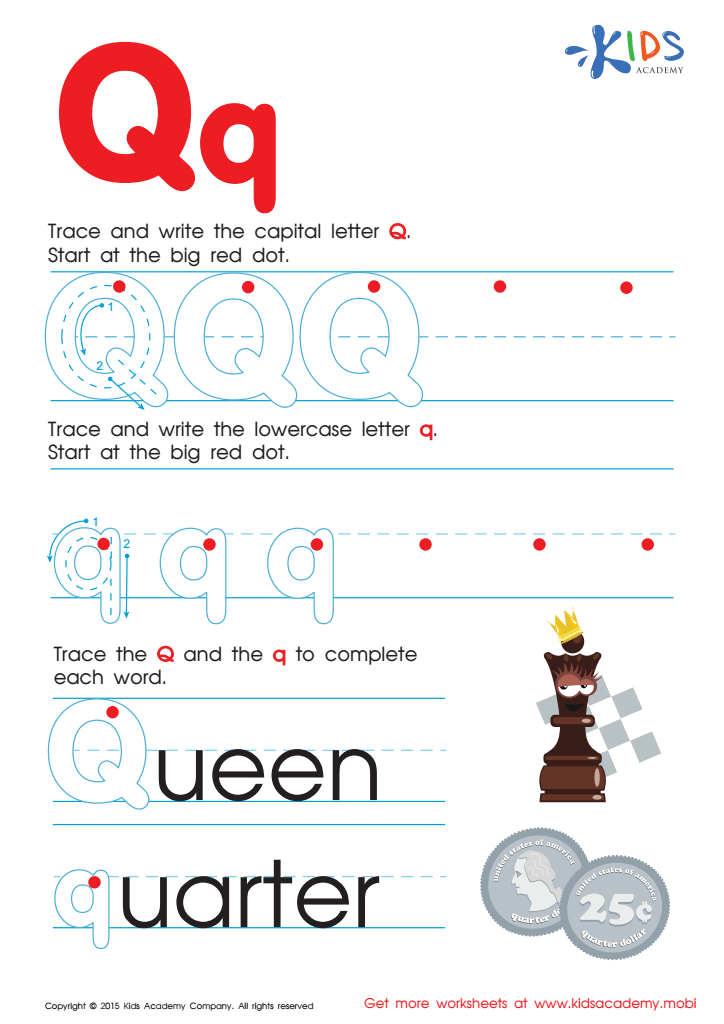
Letter Q Tracing Page
 Assign to My Students
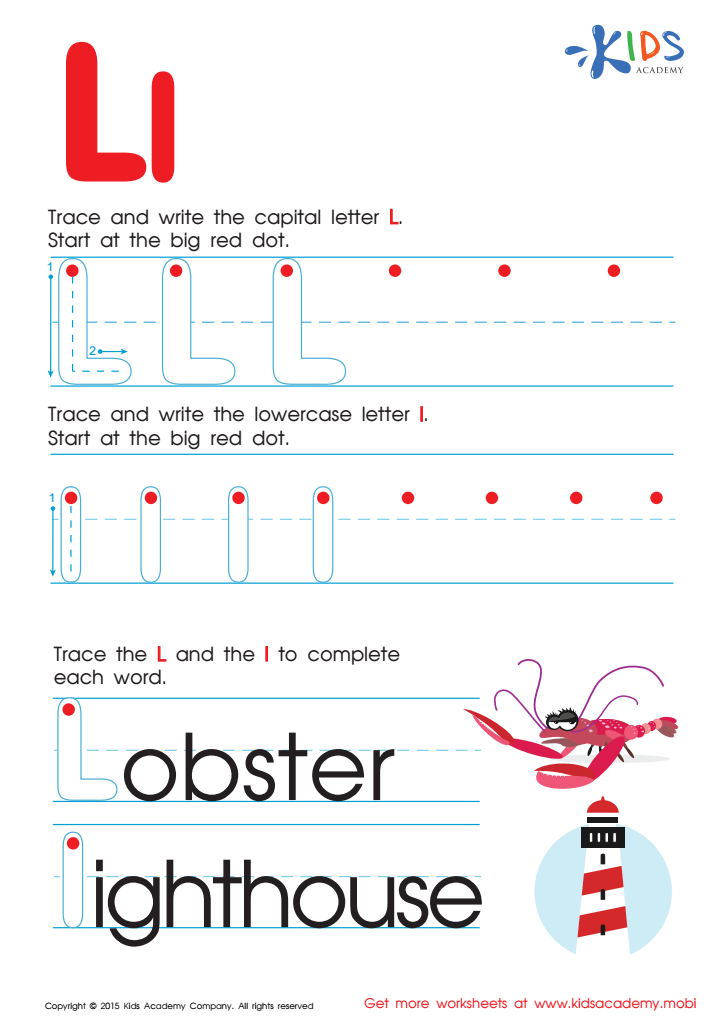
Letter L Tracing Page
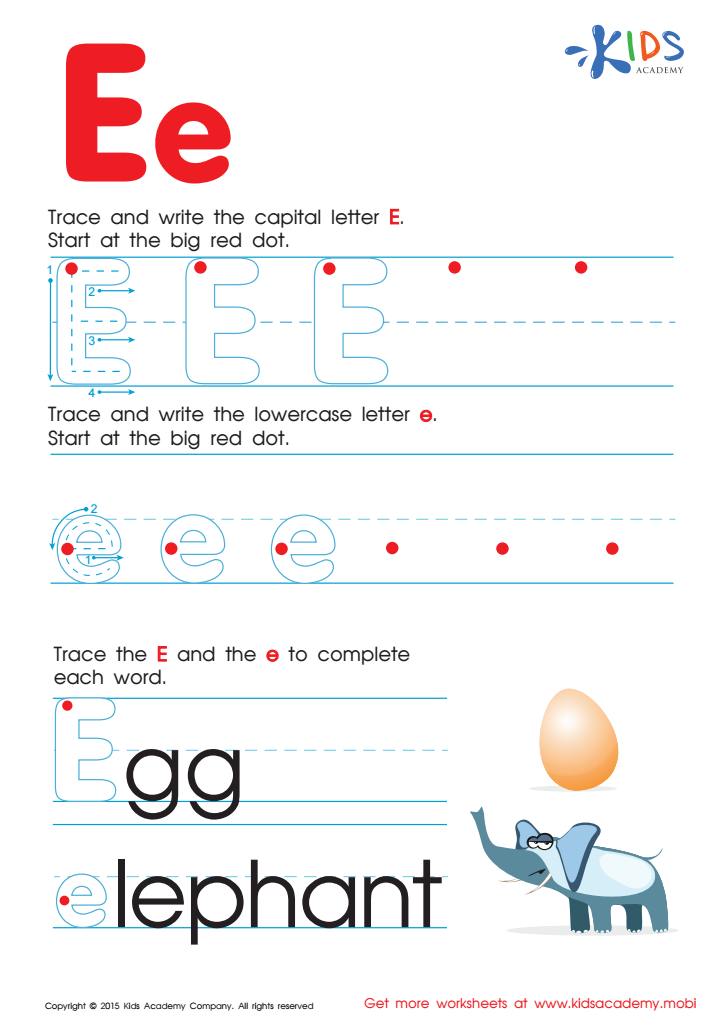
Letter E Tracing Page
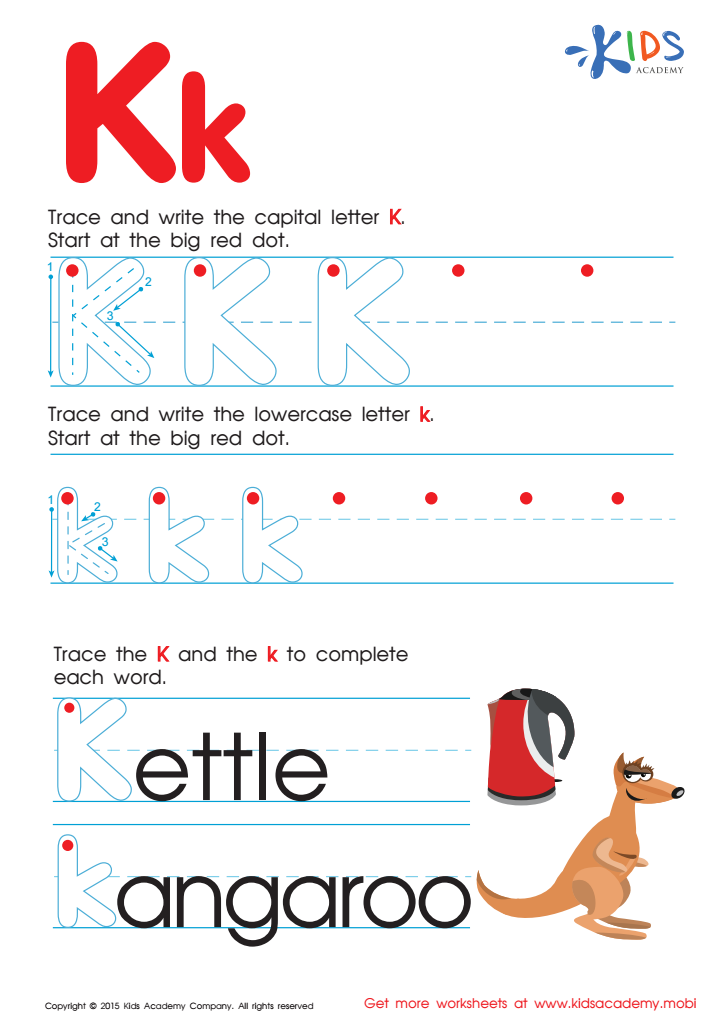
Letter K Tracing Page
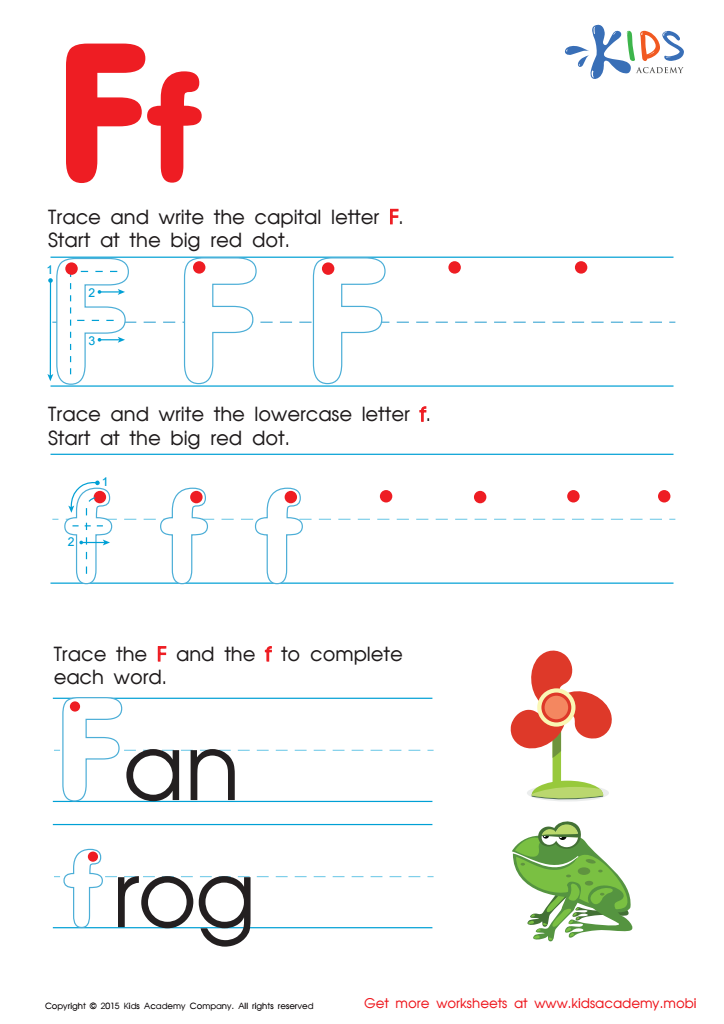
Letter F Tracing Page




Handwriting skills are crucial for young children, particularly as they begin their educational journey. For 3-year-olds, developing these skills goes beyond merely learning to form letters; it lays the foundation for effective communication, self-expression, and academic success.
First, engaging in handwriting activities helps improve fine motor skills, which are essential for tasks such as buttoning clothes and using utensils. As children learn to hold crayons or pencils, they also strengthen their hand-eye coordination. These skills can positively impact their overall physical development.
Furthermore, handwriting fosters cognitive development by enhancing memory and learning. The process of forming letters can reinforce language acquisition and promote early literacy concepts. By practicing writing in a fun and accessible way, children retain information better and show an increased interest in reading.
Additionally, writing provides children with a sense of accomplishment and boosts their confidence. As they sculpt their abilities, they gain pride in their work, encouraging a lifelong love for learning.
For parents and teachers, nurturing handwriting skills in early childhood is an investment in a child's future. It paves the way for future academic challenges, social interactions, and creative expression—all vital to holistic development and success.