Fine motor skills development Normal Worksheets for 3-Year-Olds
3 filtered results
-
From - To
Discover our engaging Fine Motor Skills Development Worksheets designed specifically for 3-year-olds! These age-appropriate worksheets aim to strengthen your child's hand-eye coordination and tactile skills through fun, interactive exercises. From tracing and cutting out shapes to coloring activities, these resources promote dexterity and control while providing a solid foundation for future learning. Perfect for both home and classroom settings, our worksheets encourage creativity and focus, making practice enjoyable! Boost your child's confidence and skills in their early developmental stages with our curated selection of fun-filled activities. Explore our printable worksheets today and watch your little one's fine motor abilities flourish!
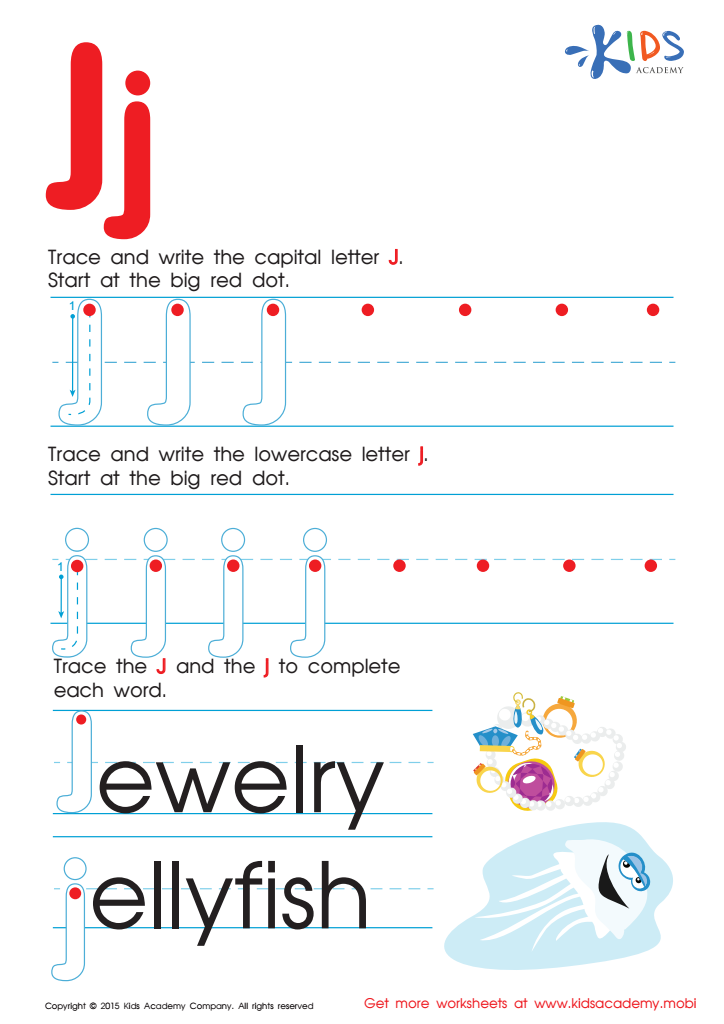
Letter J Tracing Page
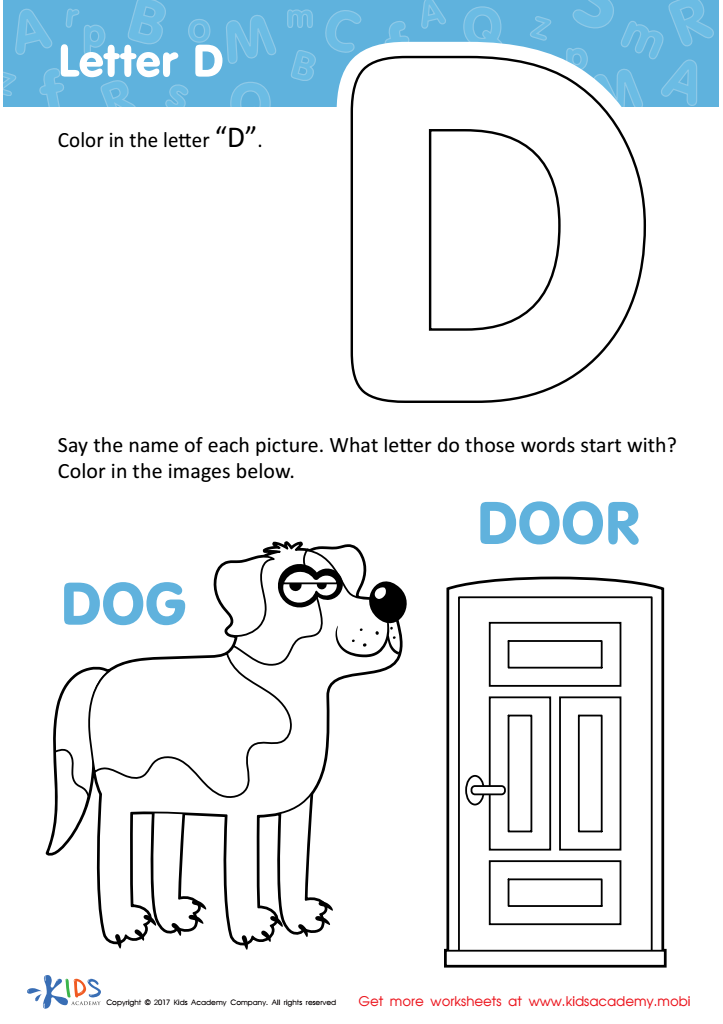
Letter D Coloring Sheet
 Assign to My Students
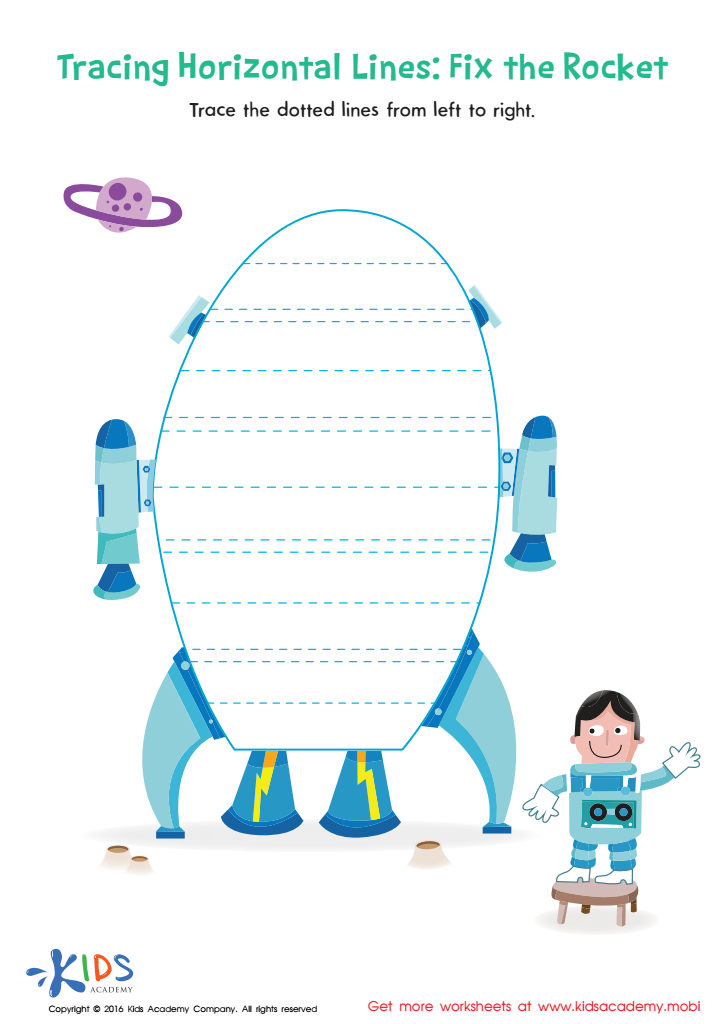
Tracing Horizontal Lines Worksheet







Fine motor skills development is crucial for 3-year-olds as it forms the foundation for a range of everyday activities and learning competencies. At this age, children's fine motor skills enable them to manipulate smaller objects, which is essential for tasks like buttoning clothing, tying shoelaces, and using utensils during mealtime. These skills also play a pivotal role in their ability to engage in creative activities such as drawing, painting, and crafting, all of which foster imagination and self-expression.
Parents and teachers should care about fine motor skills development because these skills directly impact a child's academic journey. Proficient fine motor skills are essential for writing, an important part of early education; children struggle with letter formation and controlling writing instruments if their fine motor skills are underdeveloped. Engaging children in activities that promote fine motor skills, such as puzzles, beads, and arts and crafts provides opportunities for cognitive development and spatial awareness. Furthermore, well-developed fine motor skills contribute to building a child's confidence and independence in completing tasks, which positively influences their overall emotional and social well-being. By prioritizing this developmental area, parents and teachers can set a solid groundwork for lifelong learning and self-efficacy.








