Visual discrimination Normal Matching Worksheets for 3-Year-Olds
3 filtered results
-
From - To
Enhance your child's visual discrimination skills with our engaging Normal Matching Worksheets designed specifically for 3-year-olds. These worksheets are crafted to help young learners identify similarities and differences in shapes, colors, and patterns, fostering critical cognitive development. Each worksheet includes fun and age-appropriate activities that promote focus and attention to detail, essential for early learning. Perfect for home or classroom use, these resources ensure that children enjoy learning while sharpening their observational skills. Encourage creativity and enhance your child's educational journey with our visually stimulating matching activities today! Download and explore a variety of worksheets that make learning fun and effective.
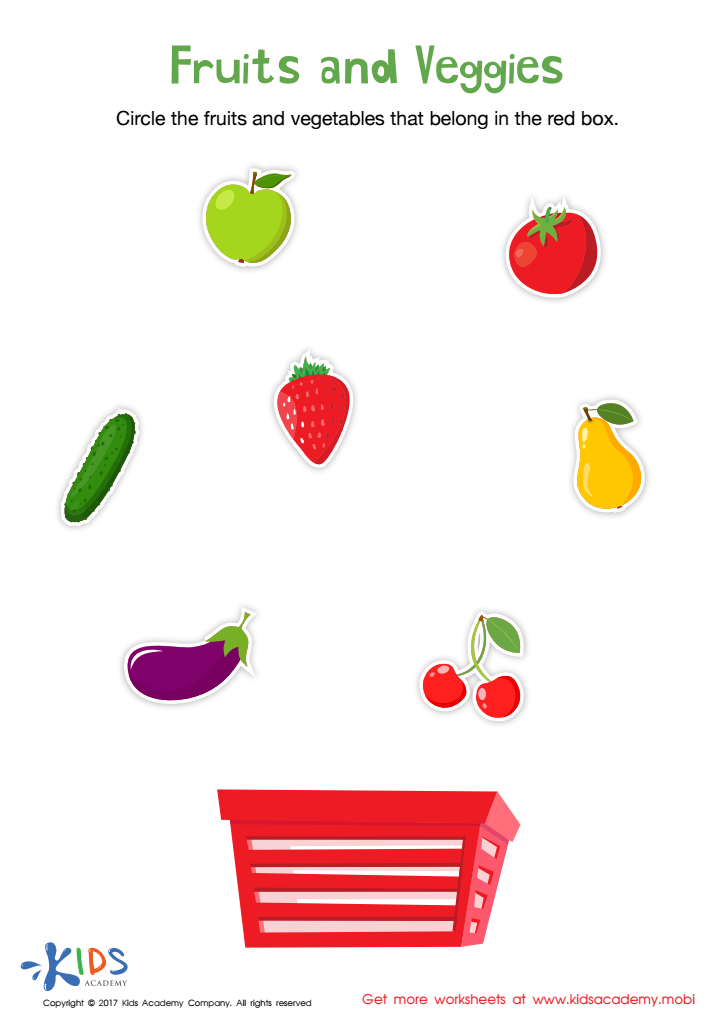
 Assign to My Students
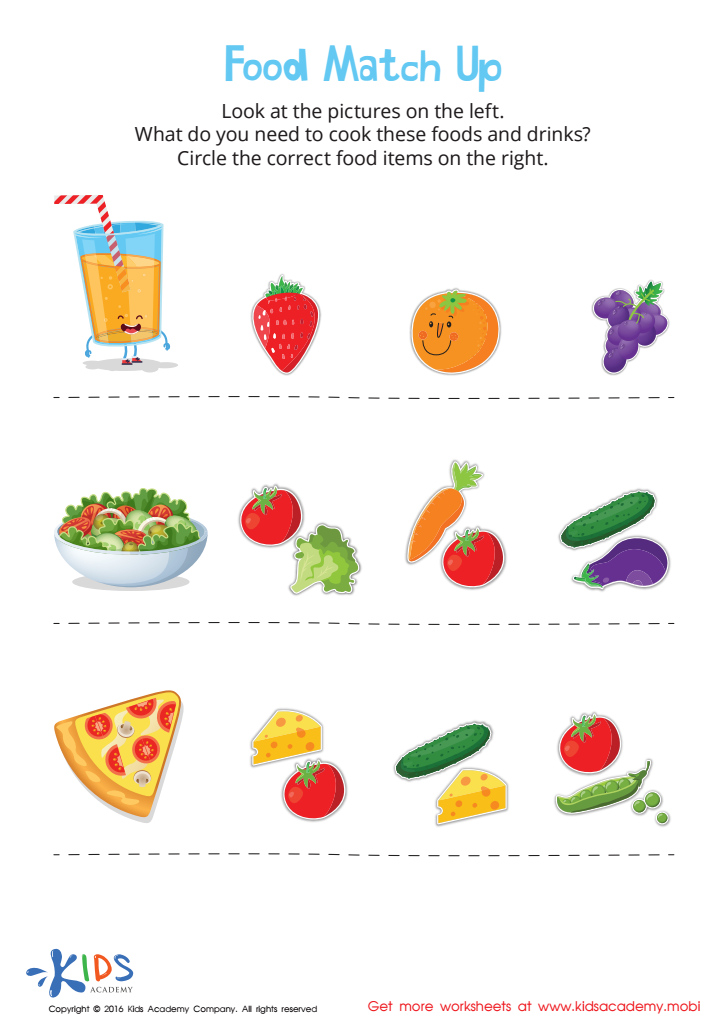
Food Match Up Worksheet
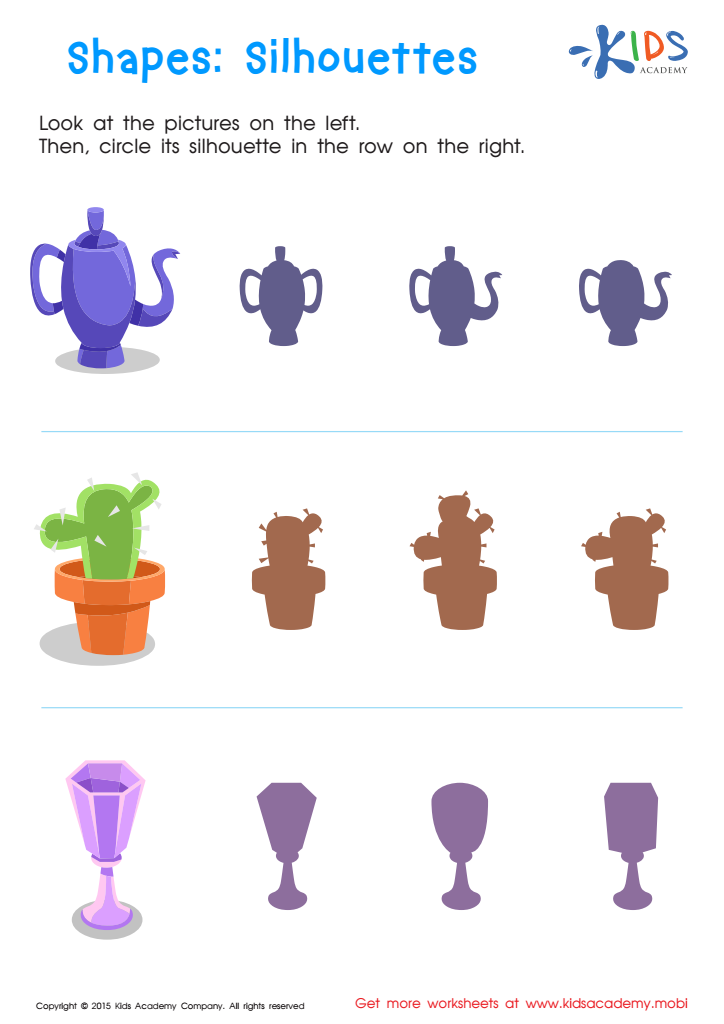
Silhouettes – Shapes Worksheet


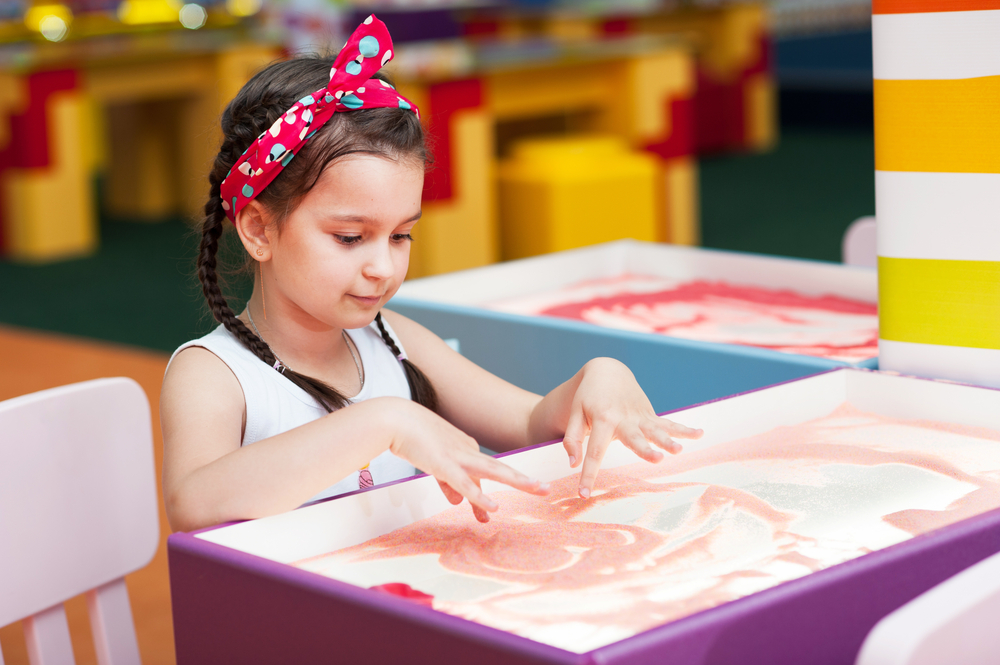



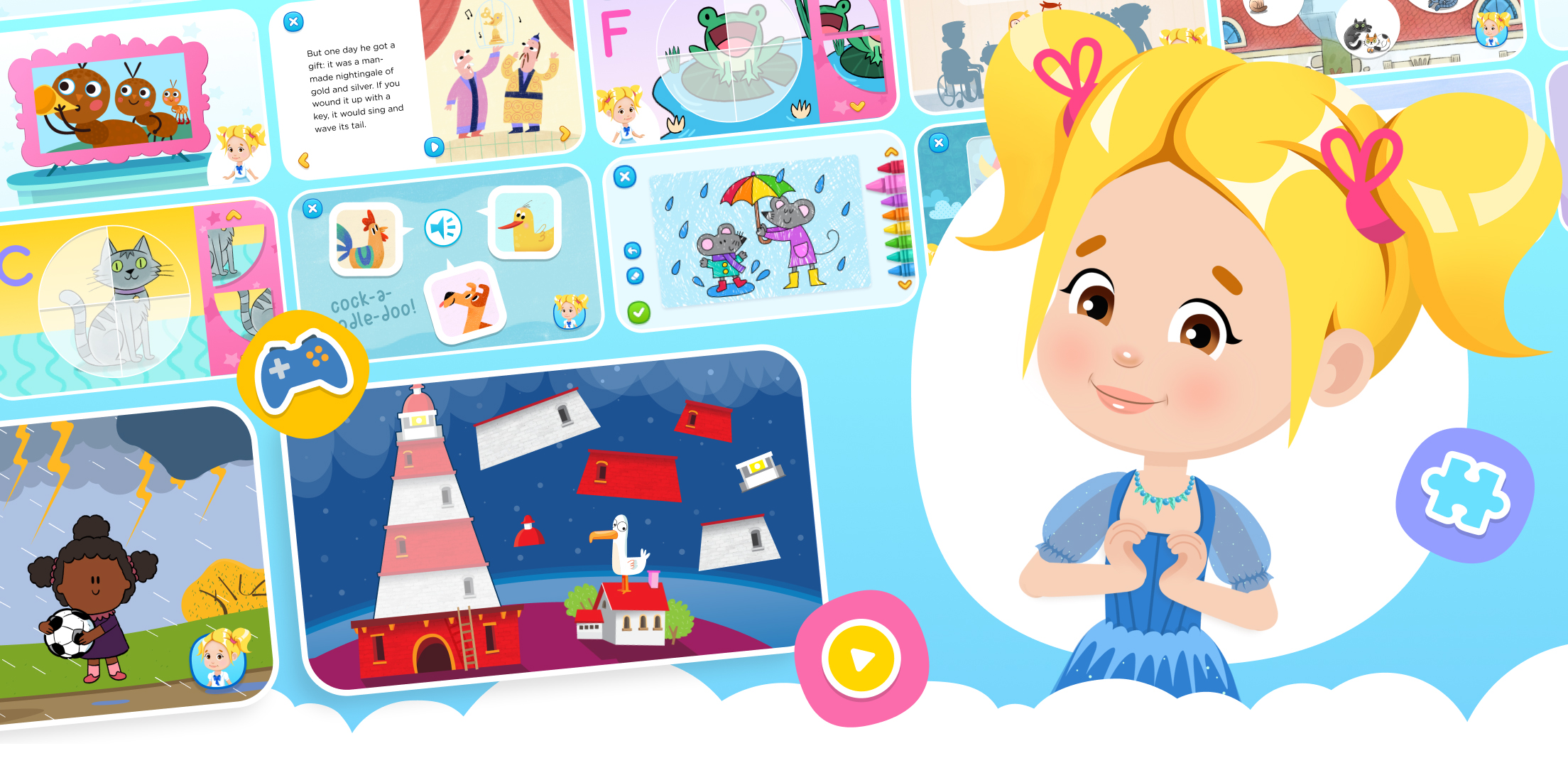

Visual discrimination is a crucial skill for 3-year-olds, enabling them to differentiate between similar shapes, colors, and sizes. Normal matching activities, which involve identifying and pairing items based on visual attributes, are fundamental for early childhood development. Parents and teachers should care about this skill because it lays the groundwork for a myriad of learning experiences and cognitive tasks later on.
First, visual discrimination contributes significantly to children’s literacy and numeracy skills, as they learn to recognize letters, numbers, and patterns. These foundational skills promote future academic success. Additionally, enhancing visual discrimination helps children develop attention to detail, promoting critical thinking and problem-solving abilities.
Engaging in normal matching activities also encourages fine motor skills as young children manipulate objects, enhancing their hand-eye coordination. Furthermore, such activities foster social skills, as children often collaborate with peers or parents, sharing ideas and learning from each other.
Ultimately, supporting the development of visual discrimination through matching activities equips children with the tools necessary for successful learning experiences. By investing time and resources in these fundamental skills, parents and teachers can help ensure that children are prepared to navigate the complexities of their evolving world.








