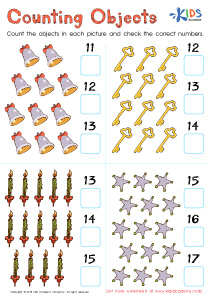
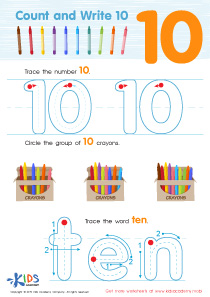
Basic Math Skills Normal Numbers 0–10 Worksheets for 3-Year-Olds
6 filtered results
-
From - To
Introduce your little ones to the world of numbers with our engaging "Basic Math Skills Normal Numbers 0–10 Worksheets" designed specifically for 3-year-olds. These worksheets offer a fun and interactive way to help young learners recognize and understand numbers from 0 to 10. Featuring colorful illustrations and age-appropriate activities, each worksheet promotes essential math skills through counting, number association, and number writing practice. By using these worksheets, children can build their confidence and lay a strong foundation for future math success. Perfect for at-home learning or preschool activities, our resources support early childhood education while making math enjoyable!
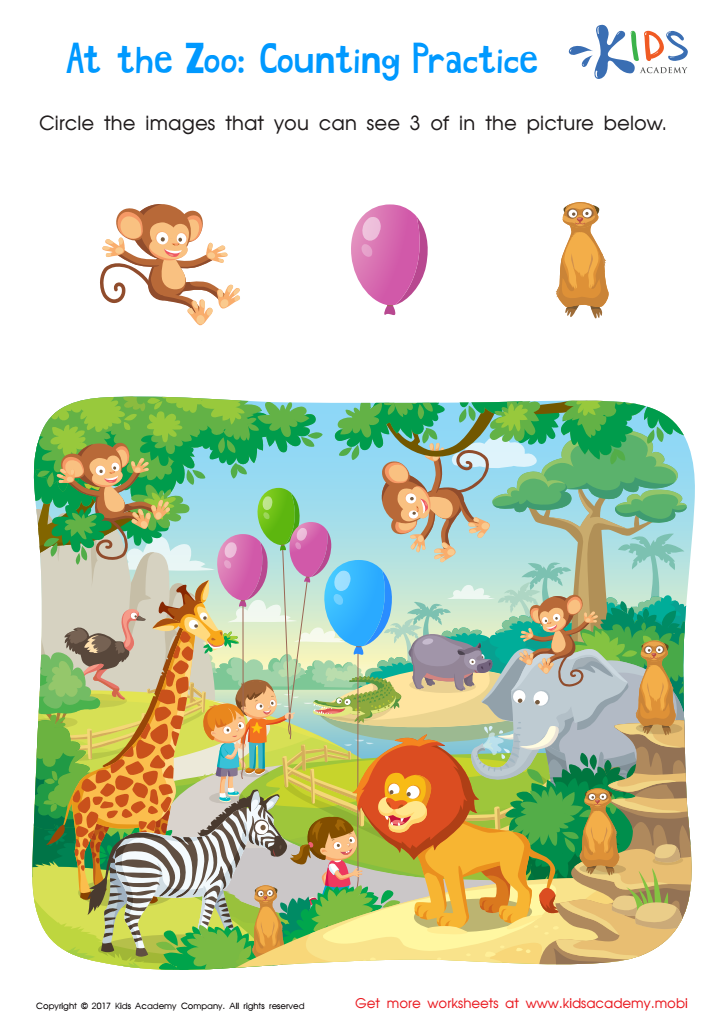
At the Zoo: Counting Practice Worksheet
 Assign to My Students
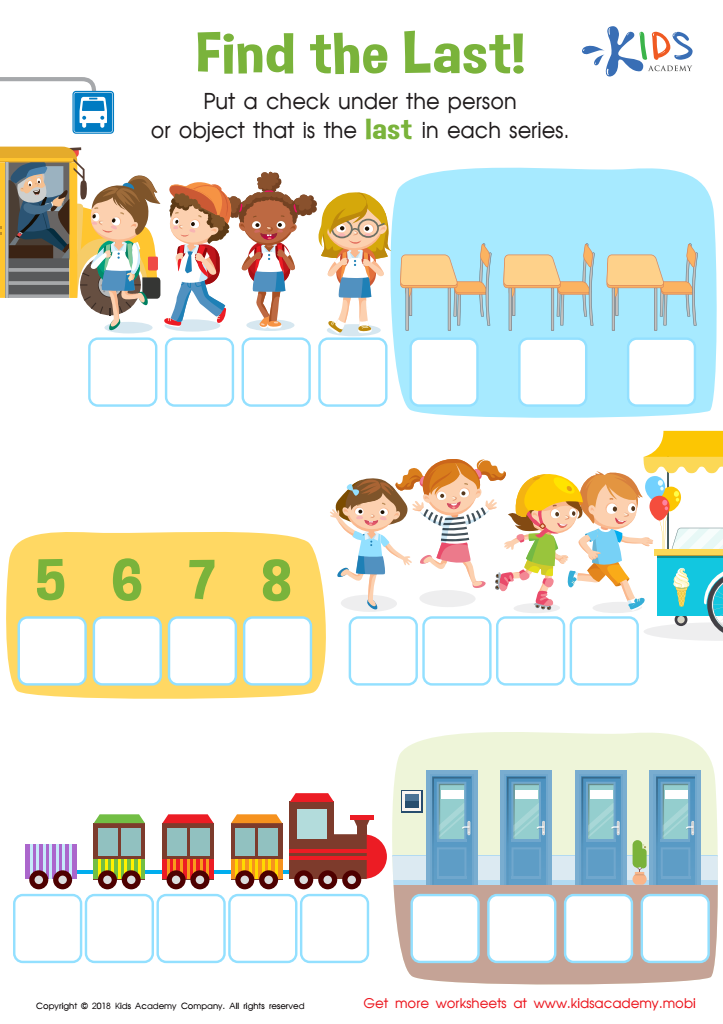
Find the Last! Worksheet
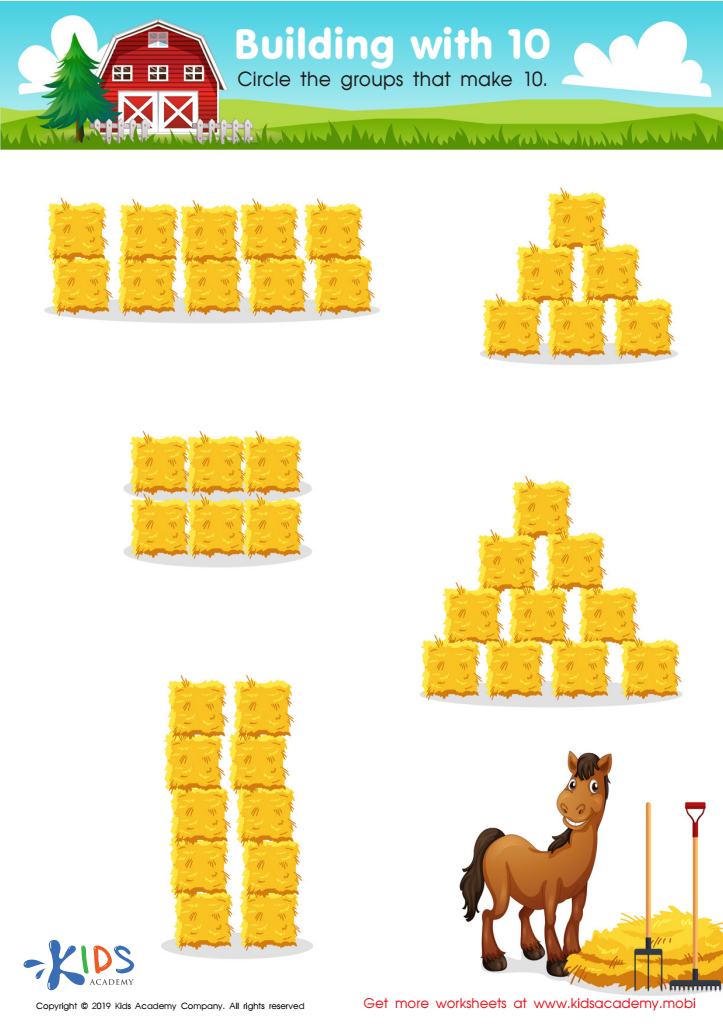
Building with 10 Worksheet
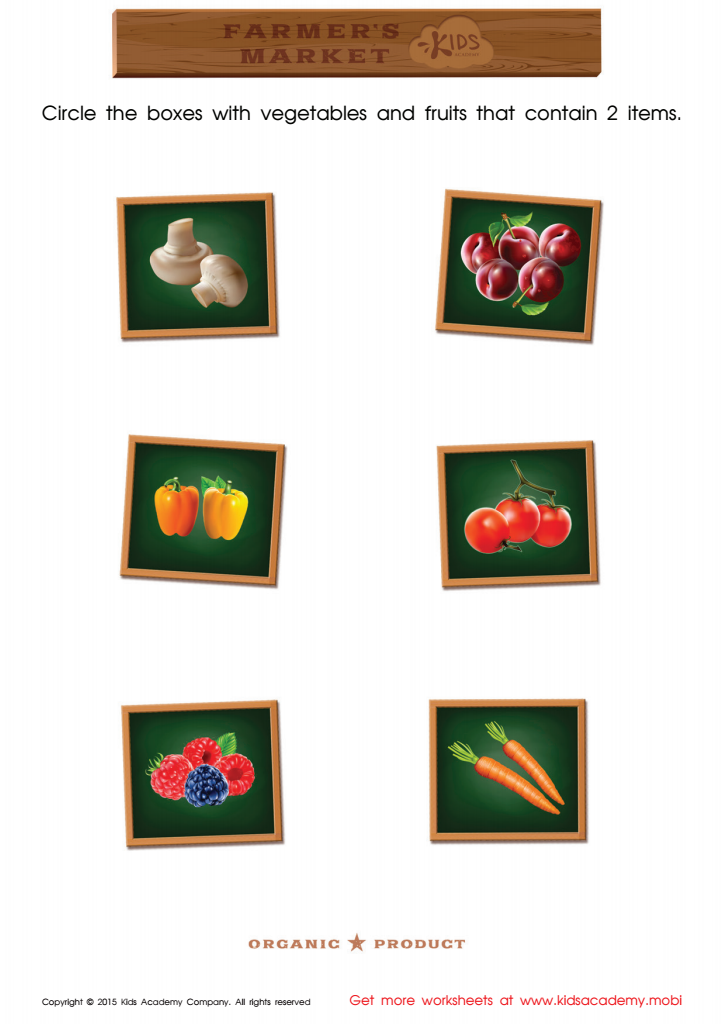
Count and Match Vegetables and Points Math Worksheet
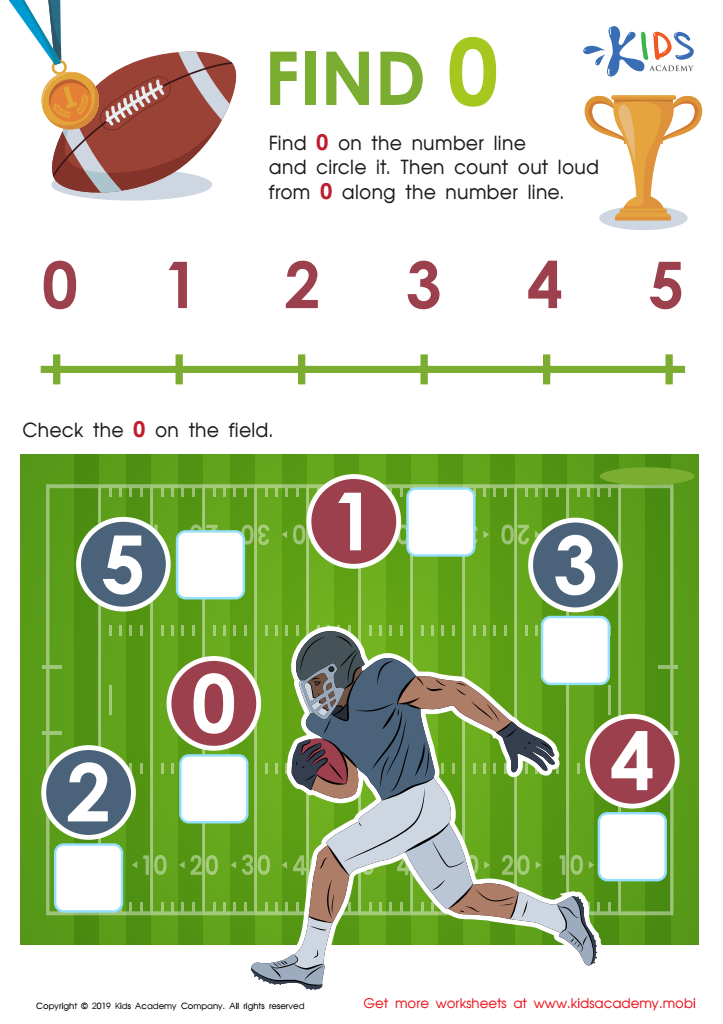
Find 0 Worksheet
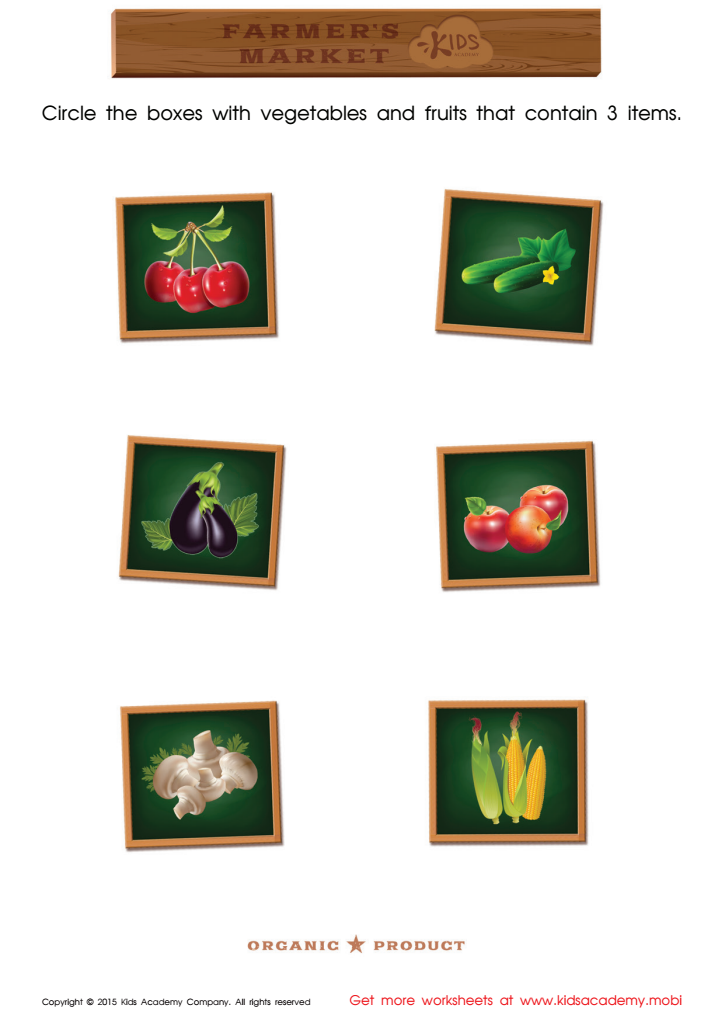
Count and Match Vegetables 1 – 5 Math Worksheet








Teaching basic math skills—particularly normal numbers from 0 to 10—is crucial for 3-year-olds for several reasons. First, early exposure to numerical concepts lays a strong foundation for future math understanding. At this age, children are naturally curious, and introducing them to numbers can spark an interest in math that lasts a lifetime.
Understanding numbers from 0 to 10 helps kids develop essential skills such as counting, measuring, and categorizing objects. These skills are not only vital for future academic success but also for daily life experiences. When children learn to recognize and understand numbers, they gain the ability to recognize patterns, which is a key component of problem-solving.
Moreover, reinforcing these skills promotes fine motor development through hands-on activities such as counting blocks, drawing shapes, or using number games. Such activities can also foster social interaction, as children often learn better in cooperative settings.
Lastly, developing basic math skills from an early age nurtures critical thinking abilities and promotes cognitive development. Parents and teachers can play a vital role in this early learning phase, making math enjoyable and accessible for young learners, which is essential for building confidence and positive attitudes toward the subject.