Hand-eye Coordination Normal ABC Order Worksheets for Ages 4-5
4 filtered results
Difficulty Level
Grade
Age
-
From - To
Subject
Activity
Standards
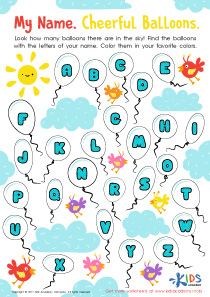
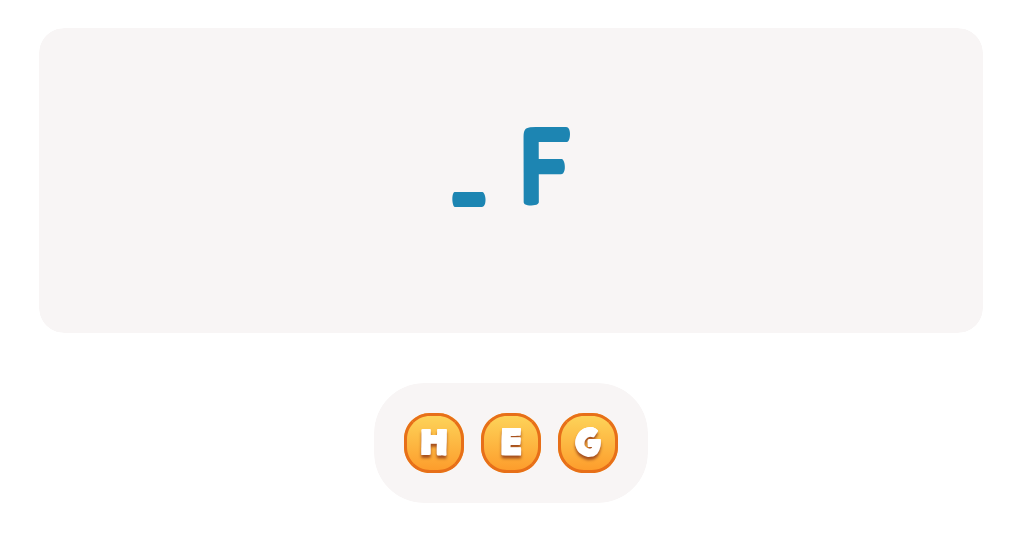
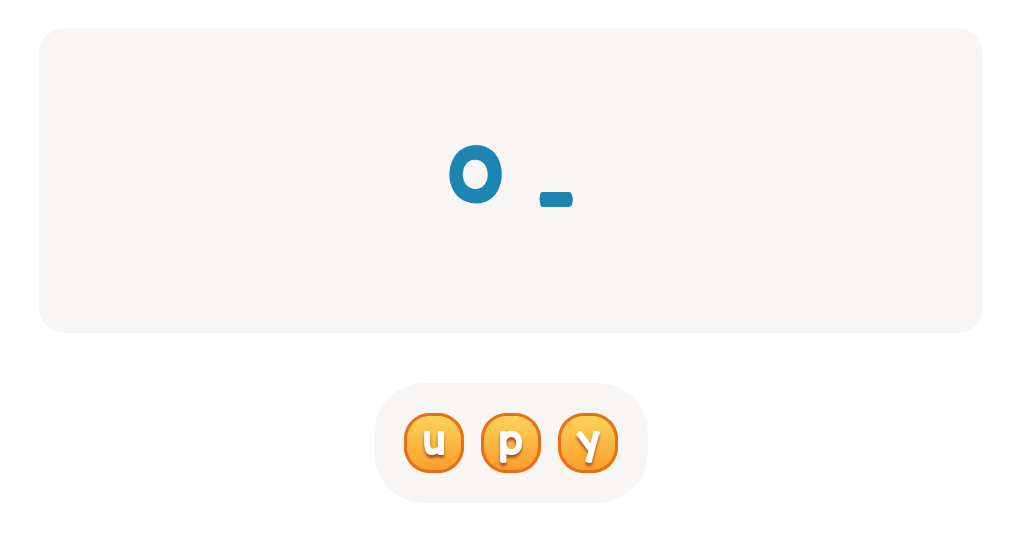
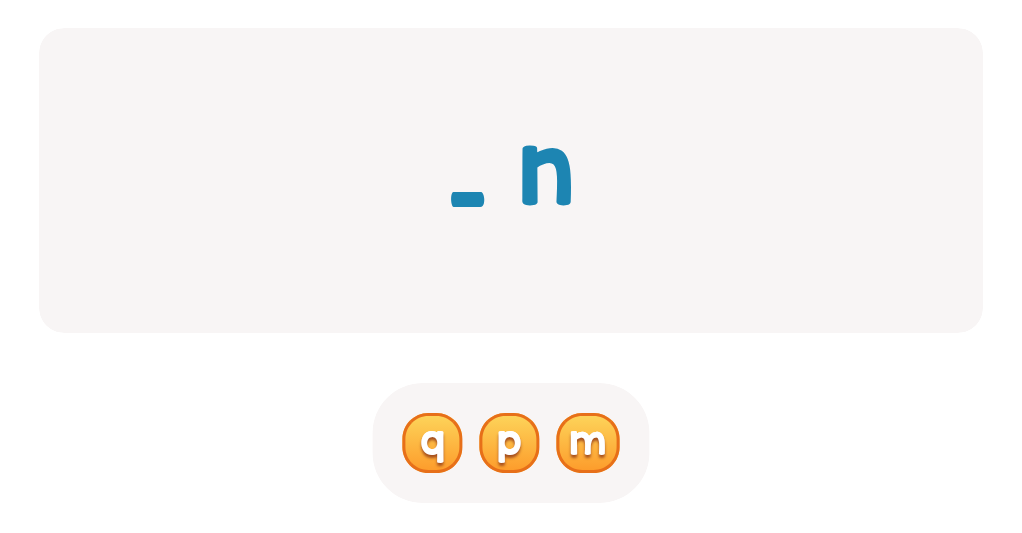
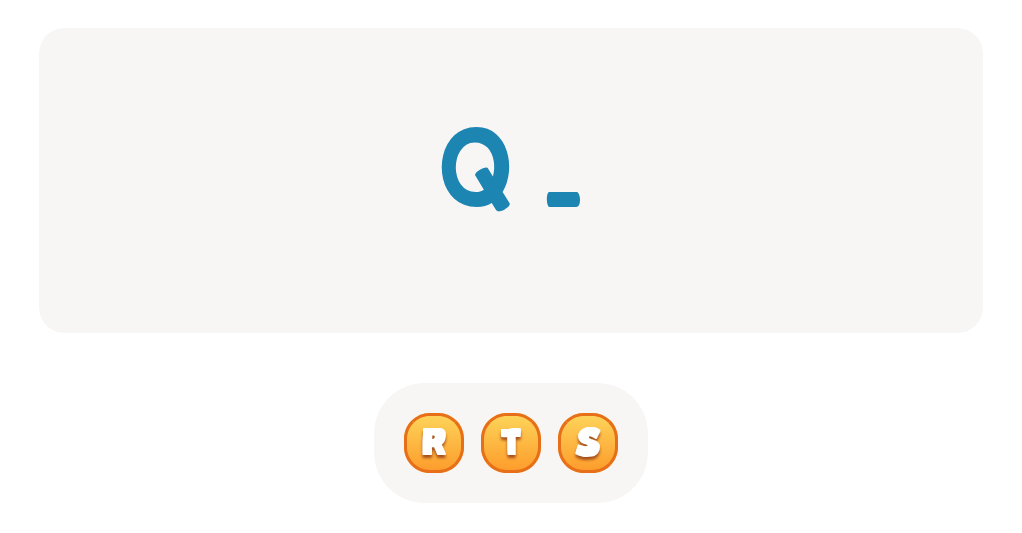
Enhance your child's hand-eye coordination and alphabetical skills with our engaging Normal ABC Order Worksheets designed specifically for ages 4-5! These interactive resources provide a fun way for young learners to practice recognizing and organizing letters while developing fine motor skills. Each worksheet features colorful illustrations and hands-on activities, making learning enjoyable and effective. Perfect for home or classroom use, these worksheets encourage critical thinking as children place letters in the correct order, improving both their coordination and literacy foundations. Explore our collection today and support your child's early learning journey with the right tools for success!
Favorites
With answer key
Interactive
Letter O Tracing Page
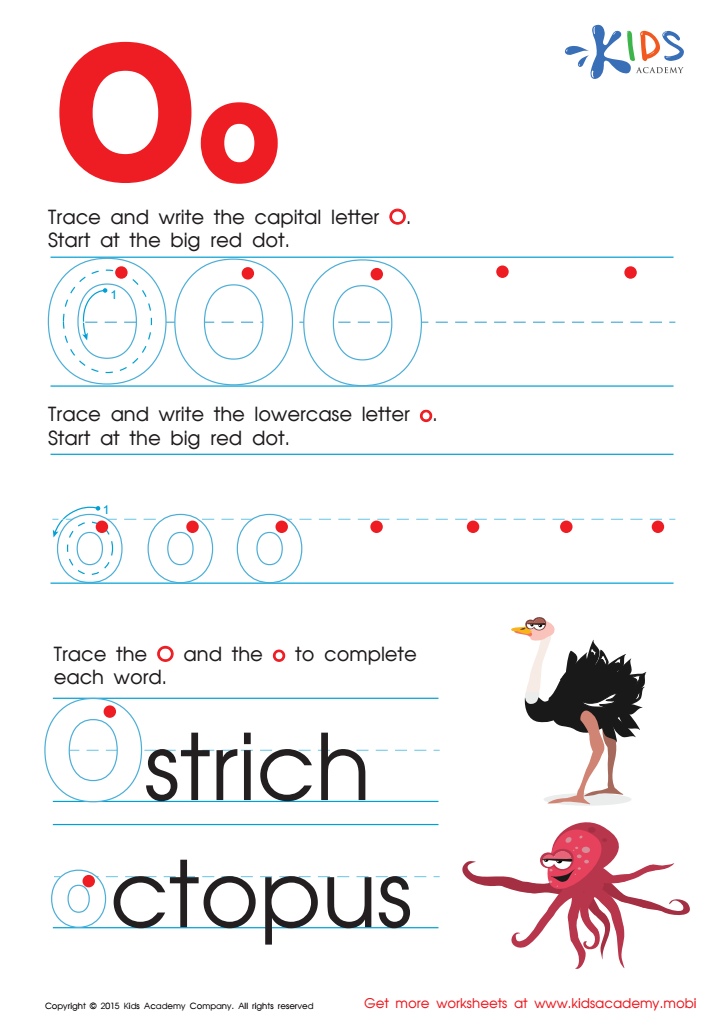
Practice writing the letter "O" with our new worksheet. Trace and write the letter several times, starting at the red dot. First do the uppercase letter, then the lowercase. Use the pictures to complete the words "Ostrich" and "octopus". Kids Academy offers more fun alphabet worksheets.
 Assign to My Students
Letter O Tracing Page
Worksheet

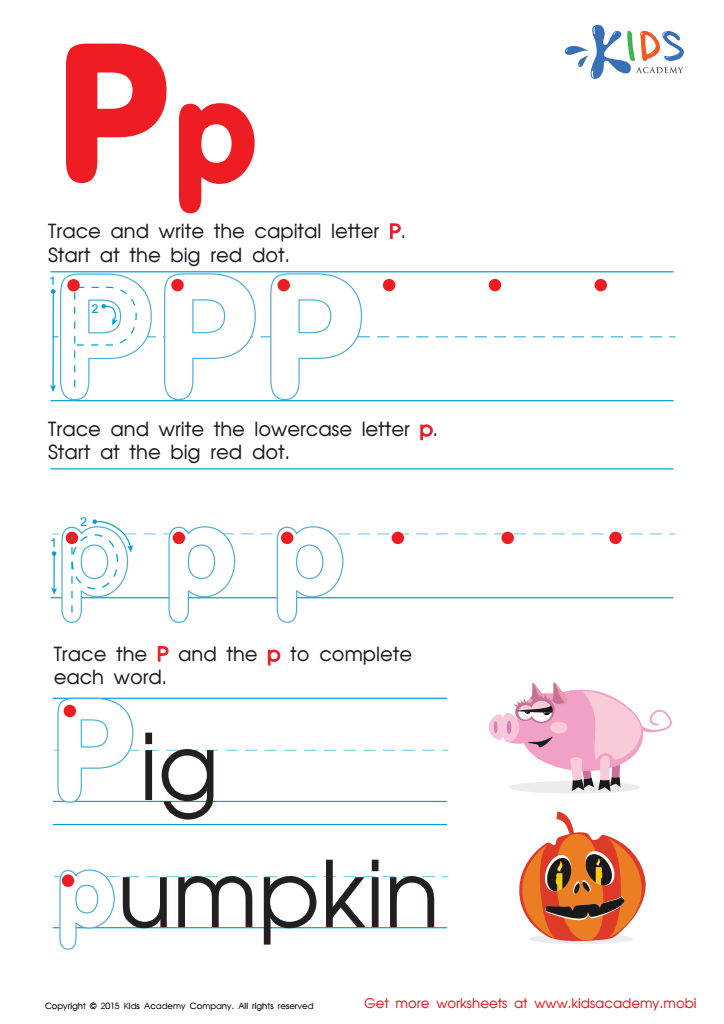
Letter P Tracing Page
Trace the lines from the red dot to learn to write "P"! Then practice this letter with the fun activities: complete the word "Pig" and "Pumpkin". Check out Kids Academy to get more free ABC worksheets.
Letter P Tracing Page
Worksheet

Letter H Tracing Page
Trace the letter "H", then practice writing its lowercase form. Finally, choose your favorite form of transport and ride away! Get our worksheets to make learning fun and easy.
Letter H Tracing Page
Worksheet

Letter D Tracing Page
Trace and write capital and lowercase letter "D" with our free printable alphabet worksheet! Be careful not to mix up "b" and "d" - just look at the ducks and write their first letter. The dolphin wants to join the fun too - do you like dolphins? Get more fun worksheets and activities at Kids Academy!
Letter D Tracing Page
Worksheet
Join Kids Academy for Free
Who is primarily going to use this learning content?







Hand-eye coordination is a crucial skill for children aged 4-5, serving as a foundation for developing more complex motor skills and cognitive functions. Parents and teachers should particularly care about fostering this skill, as it directly impacts a child’s ability to engage in everyday activities—ranging from simple tasks like picking up toys to more complex ones like writing letters or performing arts and crafts.
At this age, children are exploring their environment and refining their movements. Promoting hand-eye coordination not only aids in physical development but also enhances concentration and attention span. Engaging in activities that involve catching, throwing, or stacking helps children improve their ability to coordinate visual information with physical actions. Furthermore, as children gain proficiency in hand-eye coordination, they build confidence, which can positively influence their social interactions and academic readiness.
In addition, reinforcing skills like hand-eye coordination can help prepare children for learning the alphabet in normal ABC order. As they master these foundational skills, they become more prepared to engage with letters, leading to improved literacy milestones. Ultimately, supporting hand-eye coordination among young learners lays the groundwork for a variety of future skills, making it a critical focus for parents and educators alike.