Alphabetical order understanding Normal ABC Letters Worksheets for Ages 4-5
3 filtered results
-
From - To
Our Alphabetical Order Understanding Normal ABC Letters Worksheets for ages 4-5 are designed to help young learners develop their foundational literacy skills. These engaging and colorful worksheets introduce children to the concept of alphabetical order, enabling them to recognize and sequence letters confidently. Each activity promotes cognitive skills through fun exercises and is tailored to their learning pace. Perfect for preschool and kindergarten students, these worksheets provide an interactive way to enhance letter recognition and ABC order knowledge. Parents and educators can use these resources to build a strong reading and writing foundation in an enjoyable way. Start learning today!
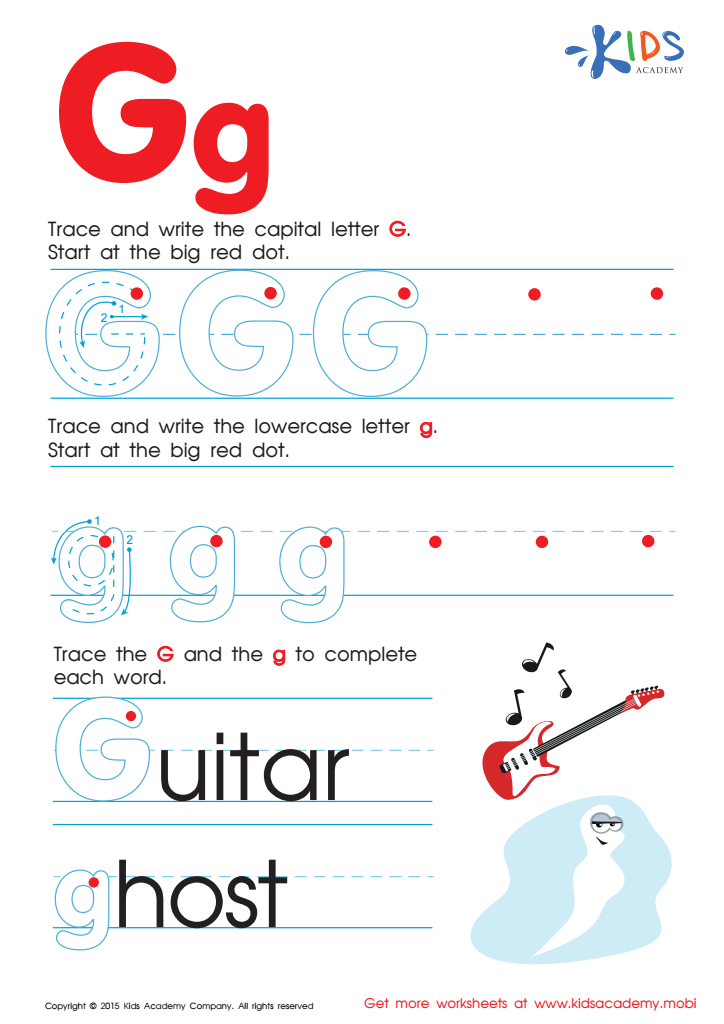
Letter G Tracing Page
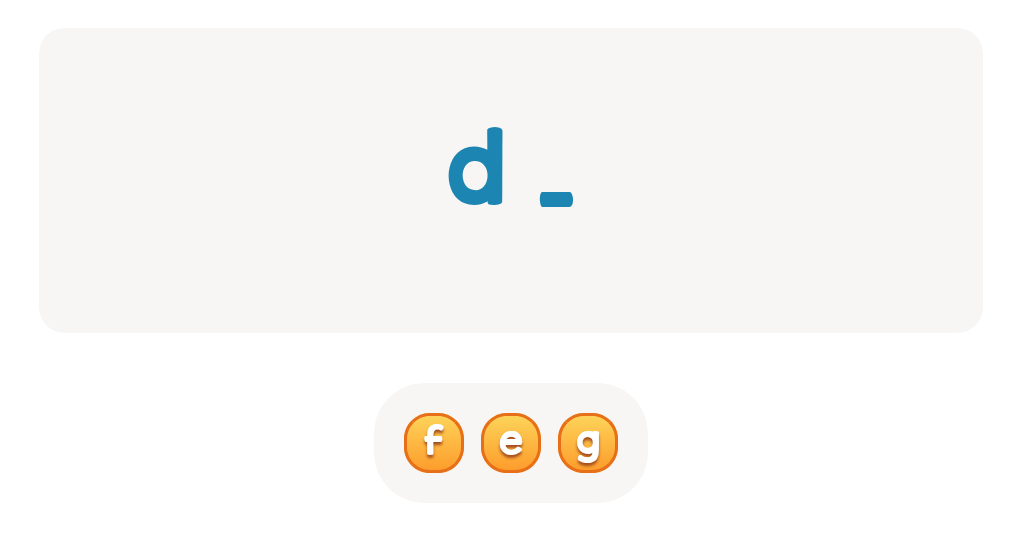

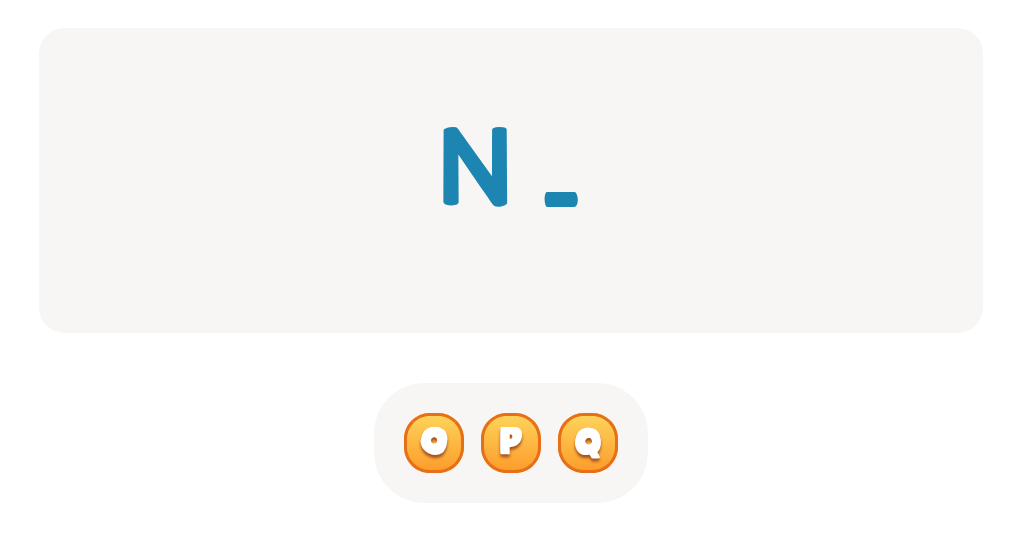
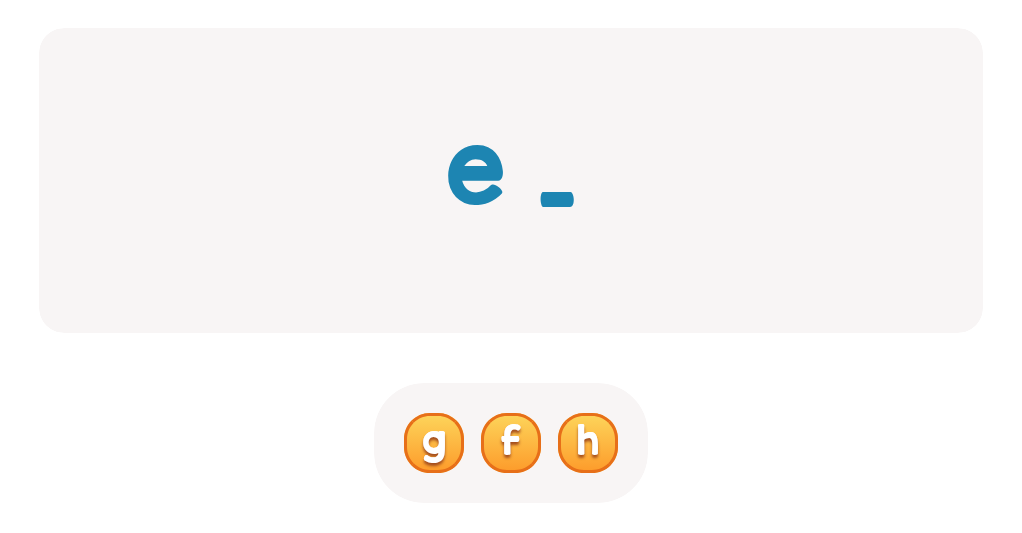

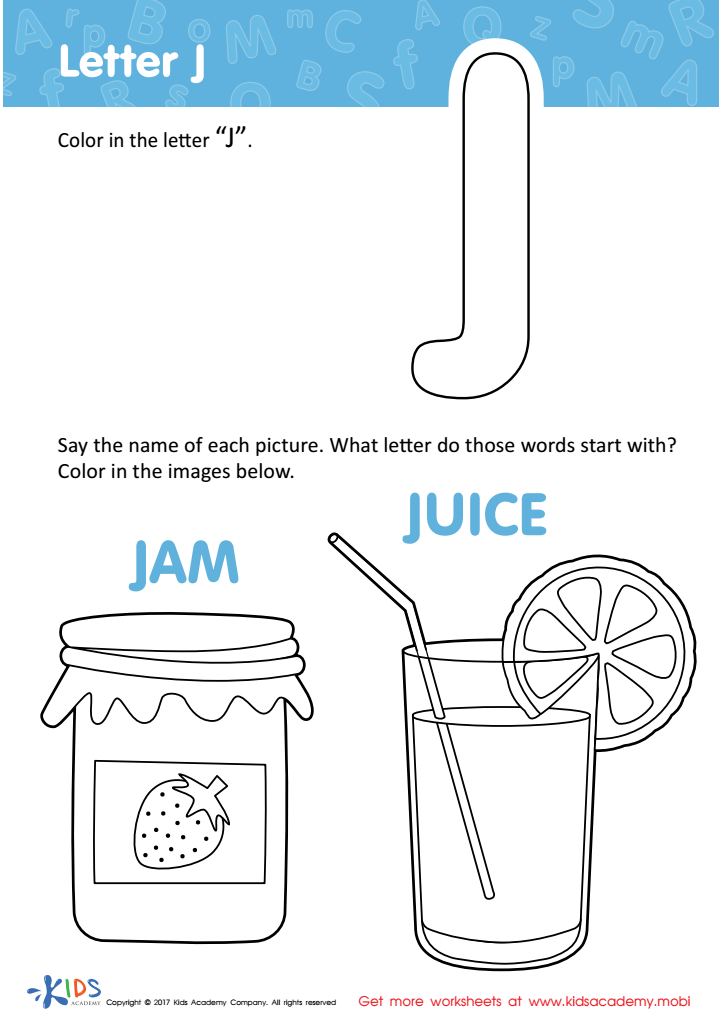
Letter J Coloring Sheet
 Assign to My Students
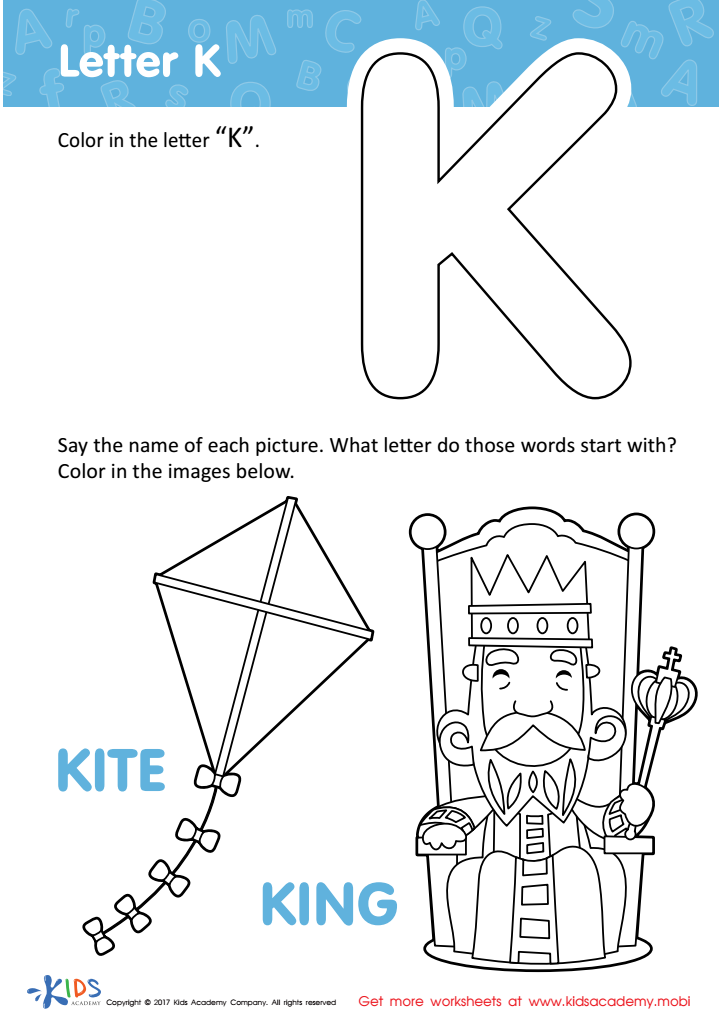
Letter K Coloring Sheet
Assign to My Students








Understanding alphabetical order is a foundational skill for children aged 4-5 that paves the way for early literacy and cognitive development. At this age, children begin recognizing letters and sounds, which are crucial for reading and writing. Knowing the order of the alphabet helps them navigate books, understand words systematically, and enables efficient dictionary usage later in life.
Familiarity with alphabetical order aids in memory retention and organization skills. When children recite or sing the alphabet song, they're building neural connections that boost their ability to recognize patterns, an essential cognitive skill. This fundamental knowledge also supports their learning of more complex language tasks, such as alphabetizing words in lists, which enhances their critical thinking and problem-solving capacities.
For teachers and parents, reinforcing alphabetical order ensures children are better prepared for school routines where such knowledge is applied frequently. For instance, in classroom settings, alphabetical order is often used for classroom management tasks such as sorting names or organizing materials, creating a familiar structure that helps children feel more organized and confident.
In essence, understanding alphabetical order is more than memorizing ABCs; it equips young minds with the essential tools for academic success and everyday life organization, fostering both literacy and cognitive development early on.







