Alphabet Recognition Normal Alphabet Worksheets for Ages 4-5
40 filtered results
-
From - To
Jumpstart your child's reading journey with our Alphabet Recognition Normal Alphabet Worksheets for ages 4-5! Specifically designed for preschoolers, these engaging worksheets help young learners master letter identification and memory skills. Each sheet features colorful and fun activities, ensuring your child enjoys the learning process. With a combination of tracing, matching, and coloring exercises, children will develop confidence in recognizing both uppercase and lowercase letters. Perfect for parents and teachers seeking a comprehensive and enjoyable learning tool for early education. Set your child on the path to literacy success with our expertly crafted resources!
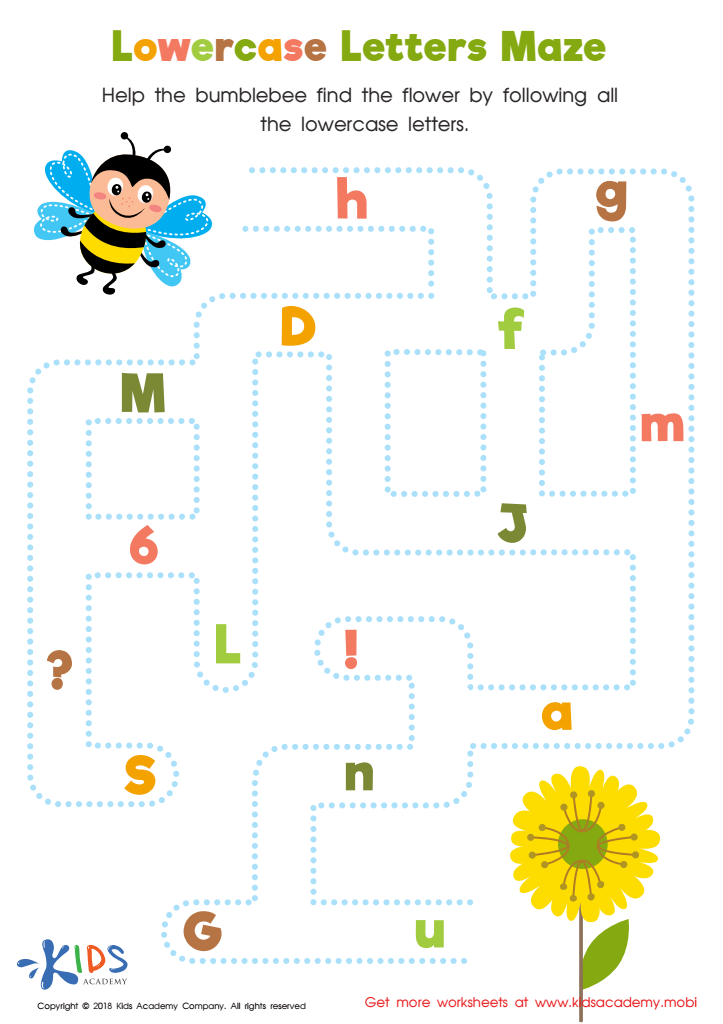
Lowercase Letters Maze Worksheet
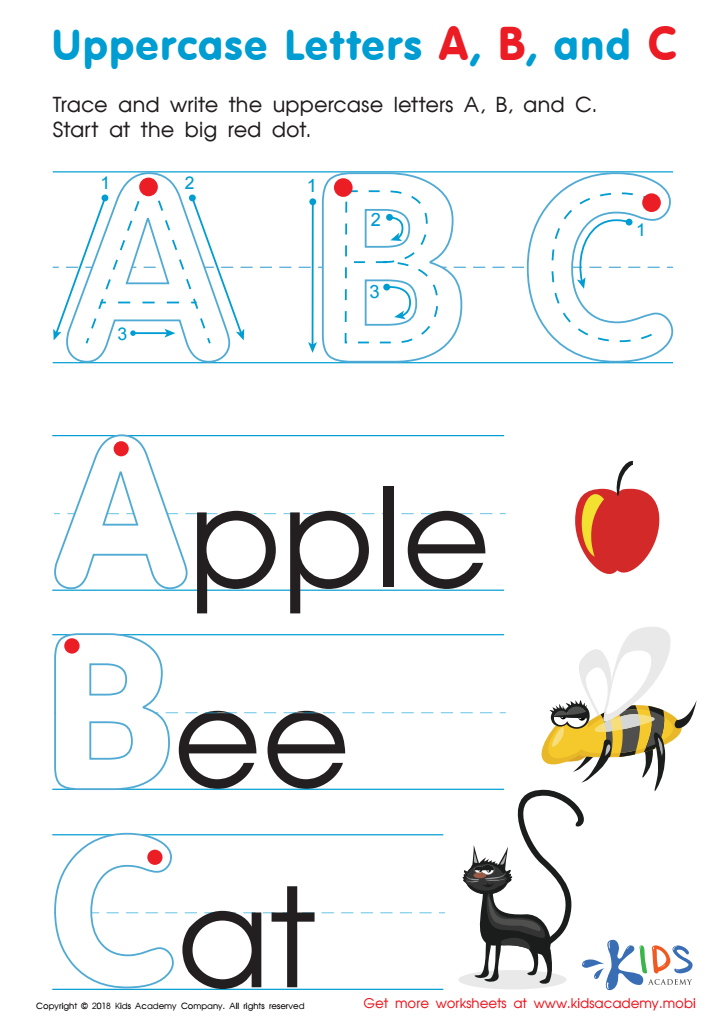
Uppercase Letters A, B, and C Worksheet
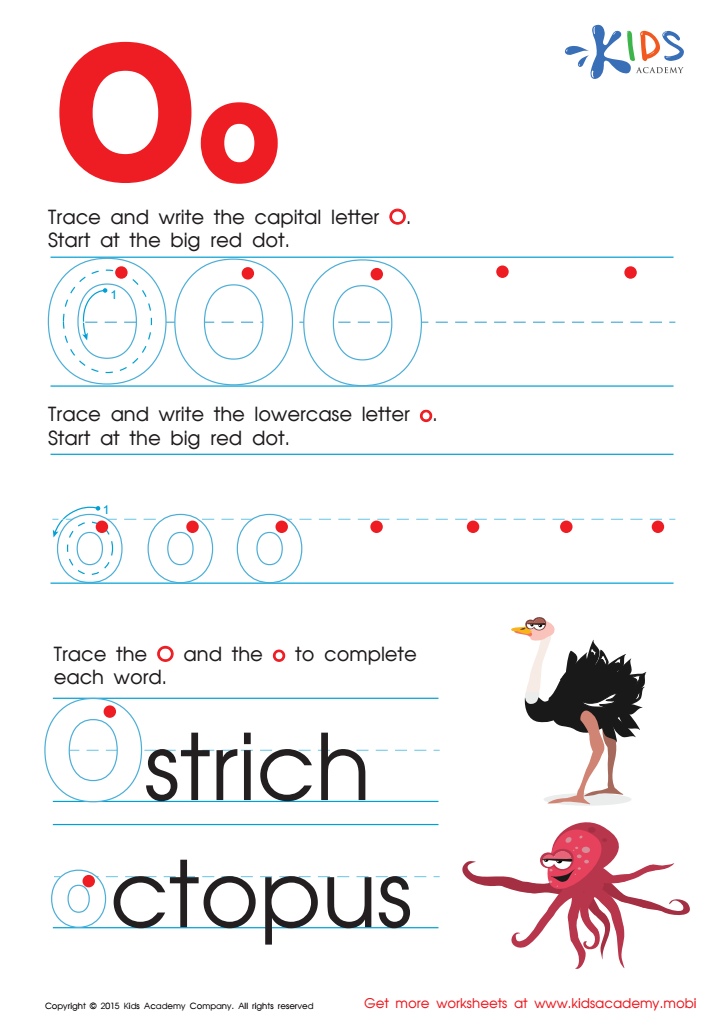
Letter O Tracing Page
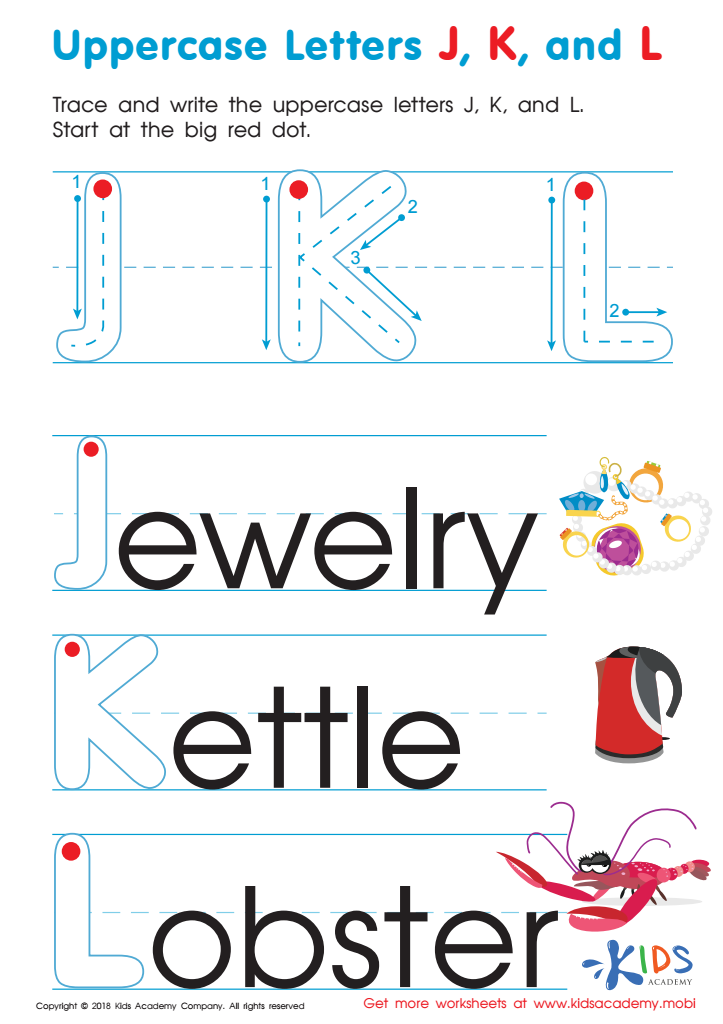
Uppercase Letters J, K, and L Worksheet
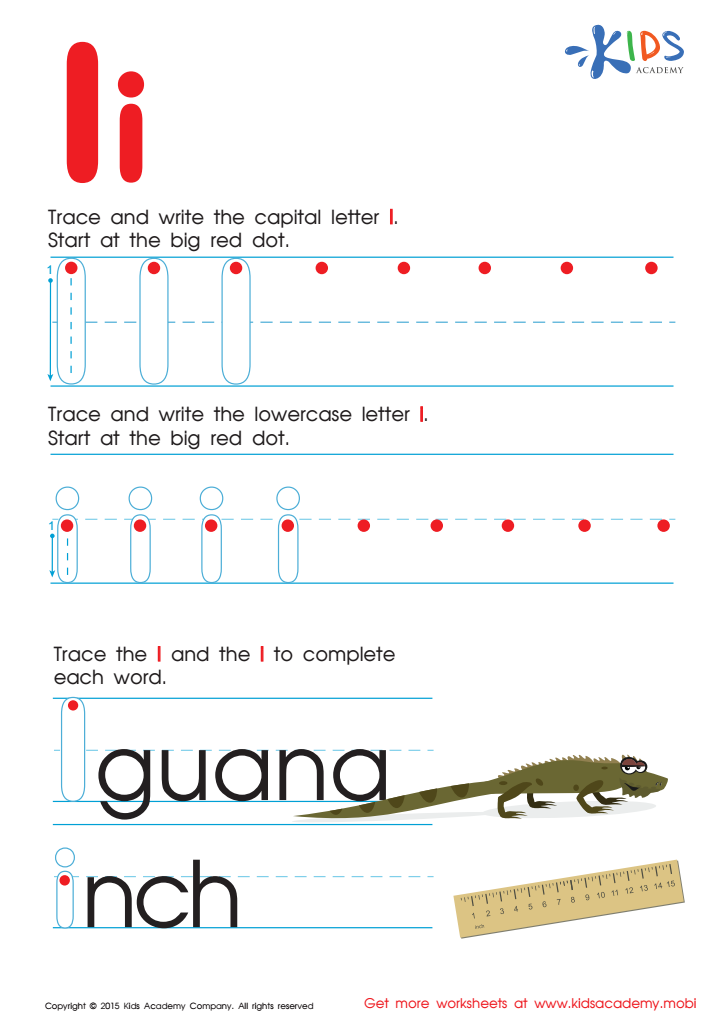
Letter I Tracing Page
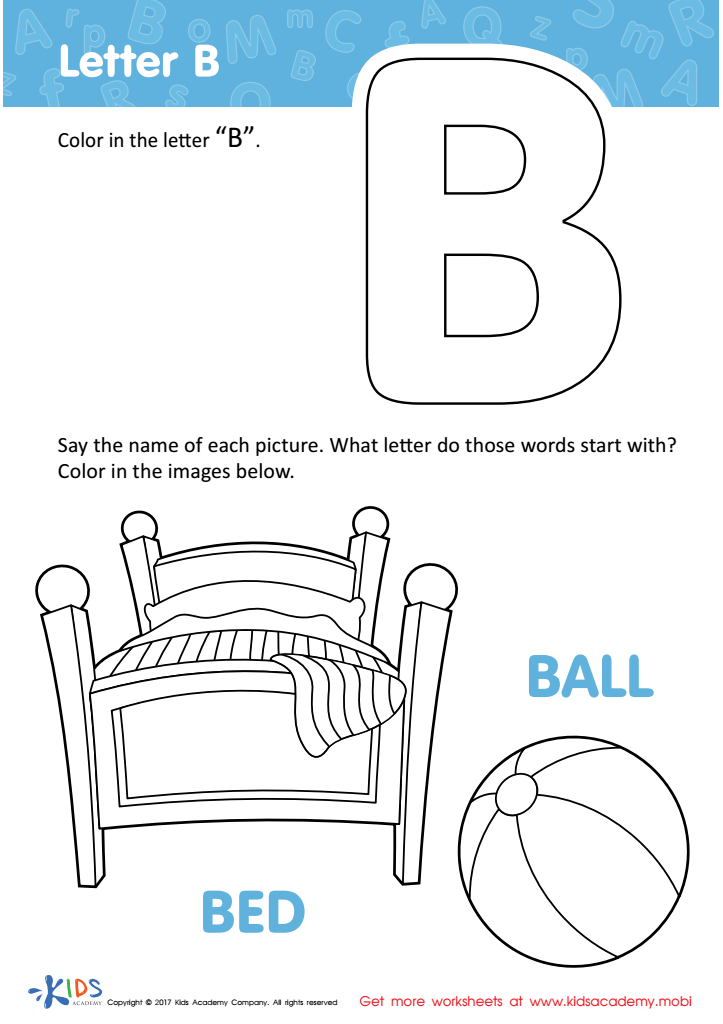
Letter B Coloring Sheet
 Assign to My Students
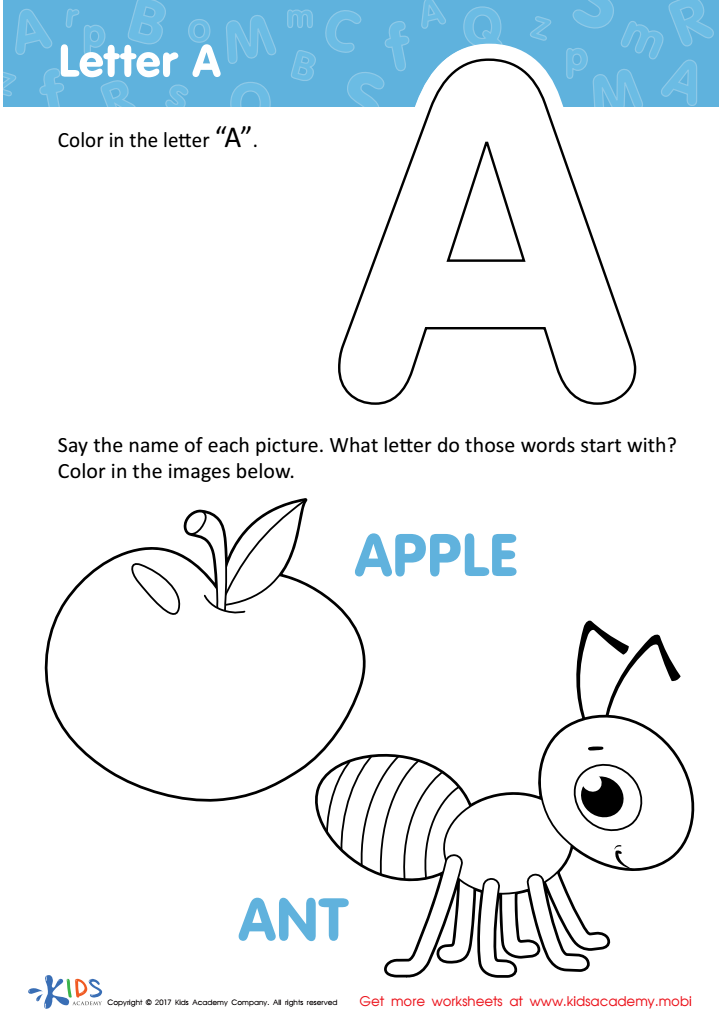
Letter A Coloring Sheet
Assign to My Students
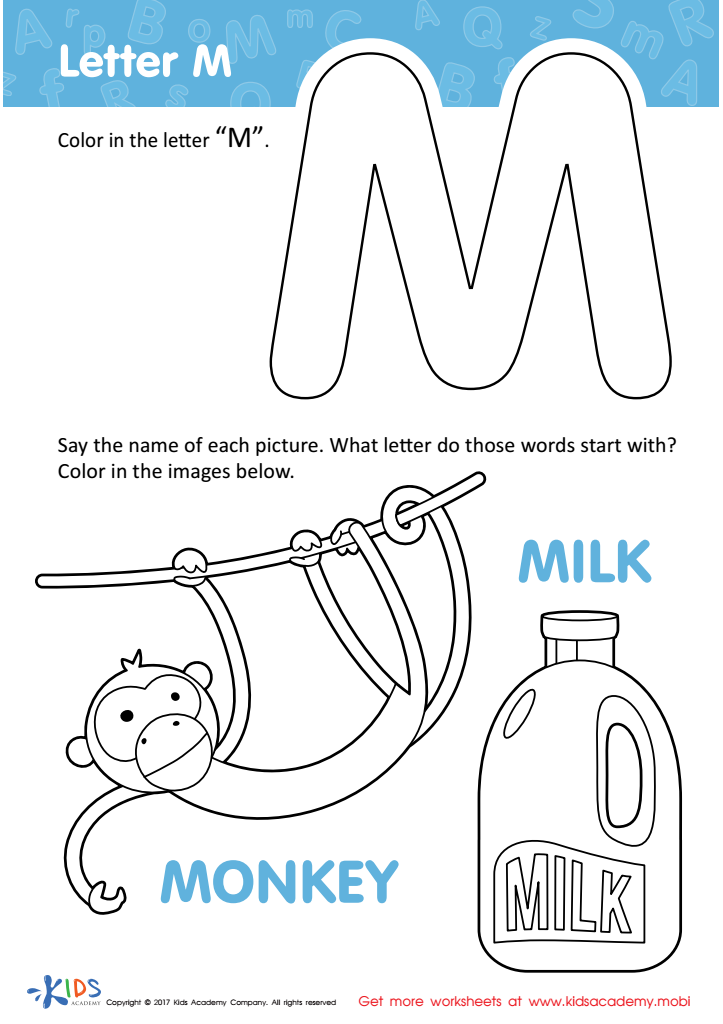
Letter M Coloring Sheet
Assign to My Students
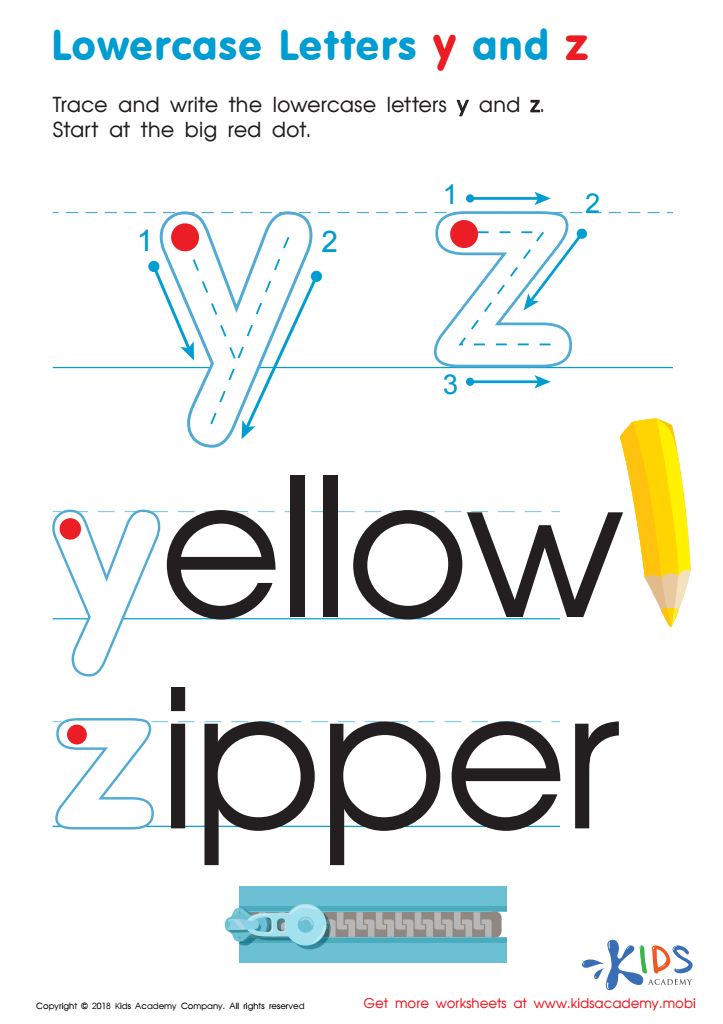
Lowercase Letters y z Worksheet
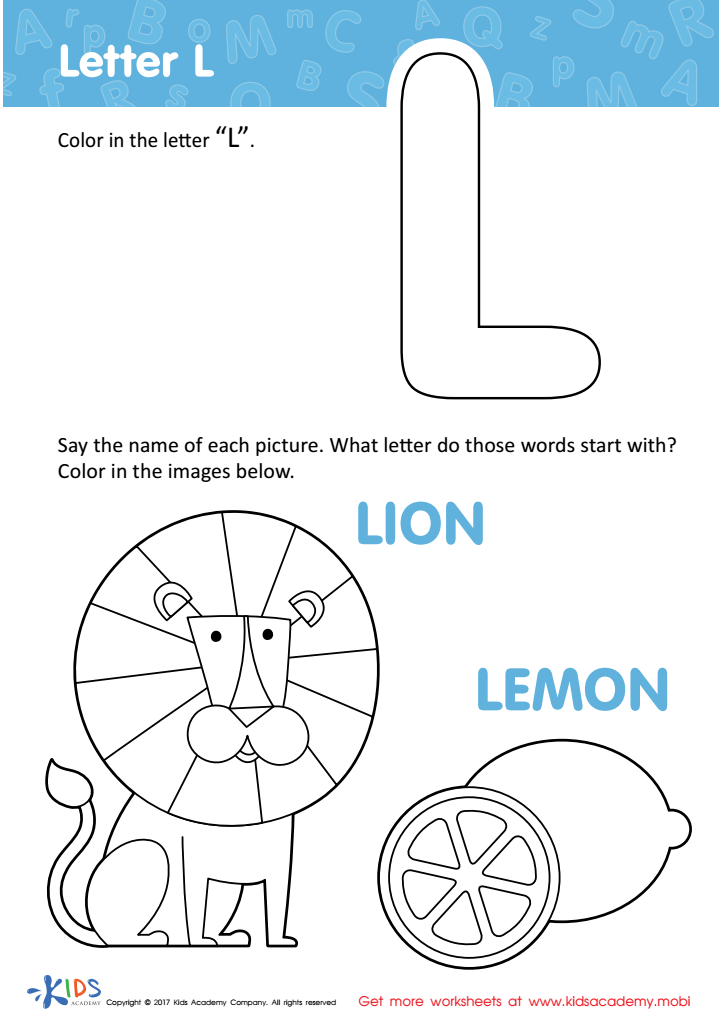
Letter L Coloring Sheet
Assign to My Students
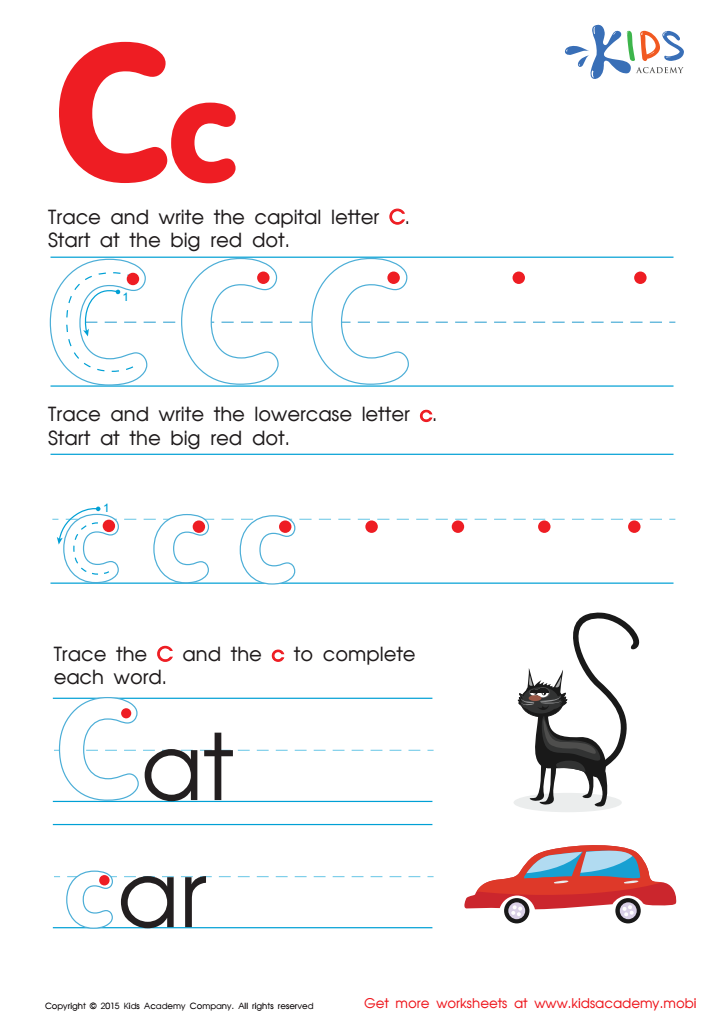
Letter C Tracing Page
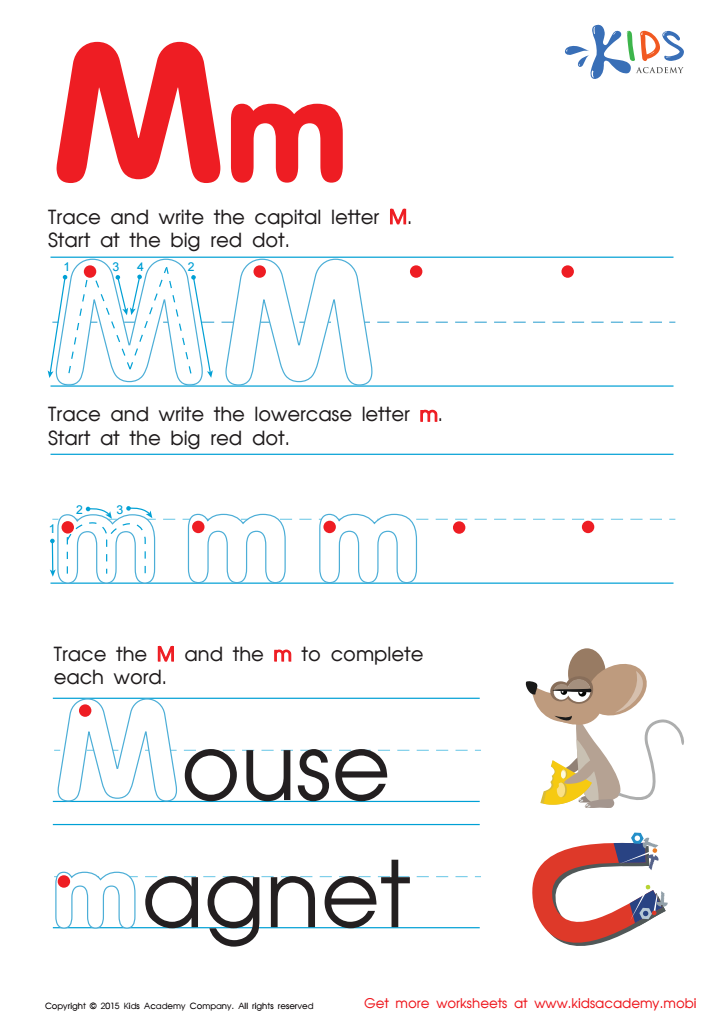
Letter M Tracing Page
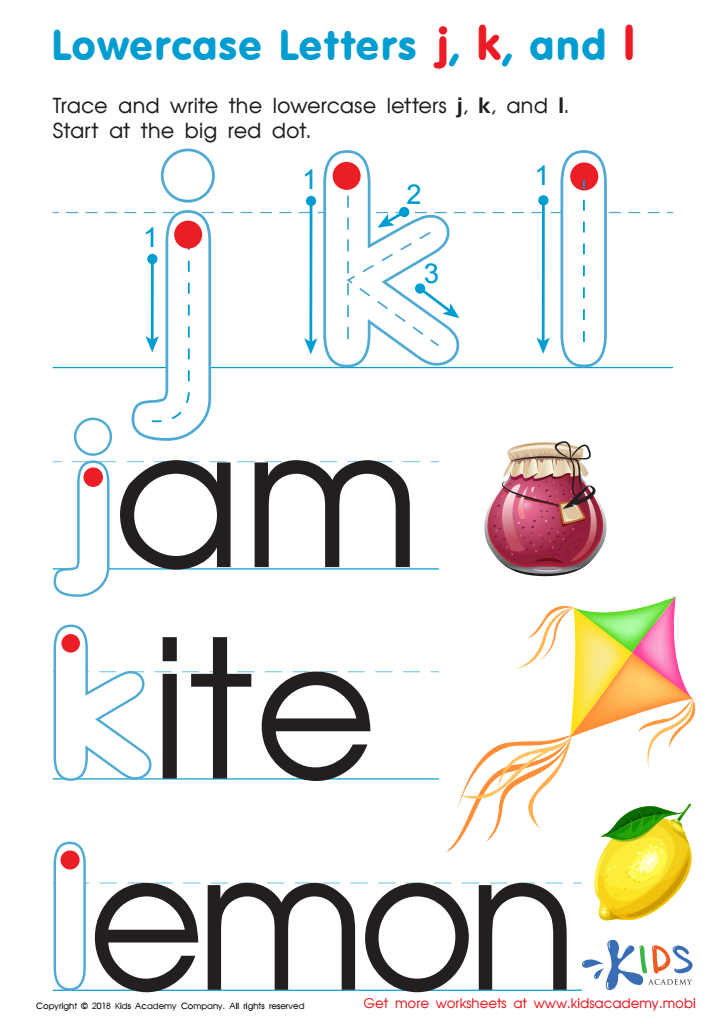
Lowercase Letters j k l Worksheet
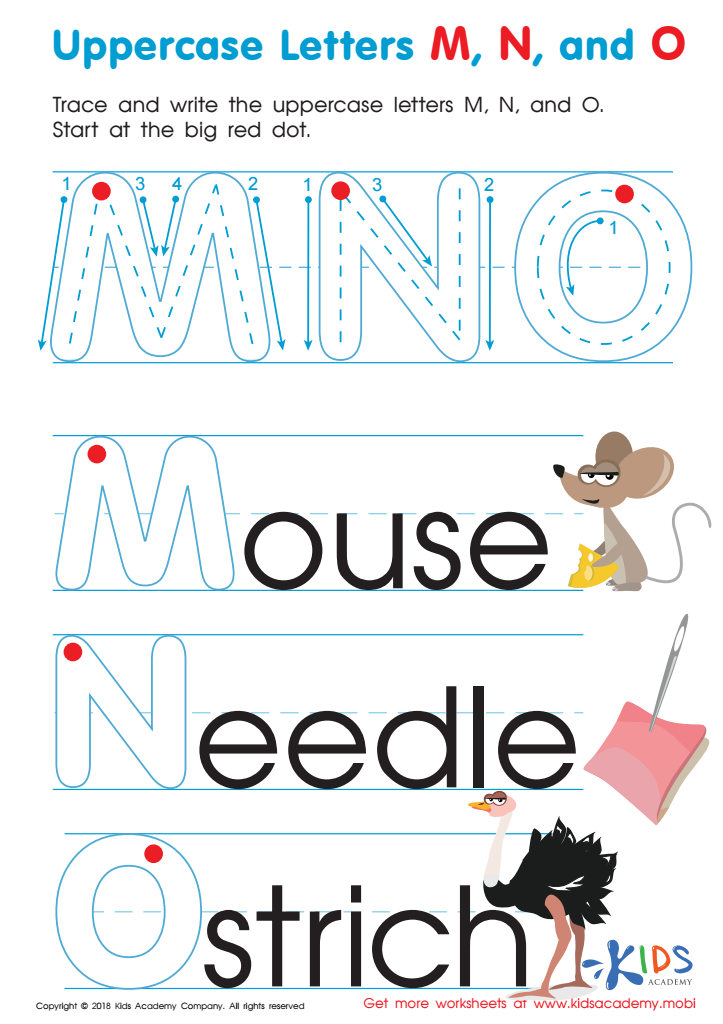
Uppercase Letters M, N, and O Worksheet
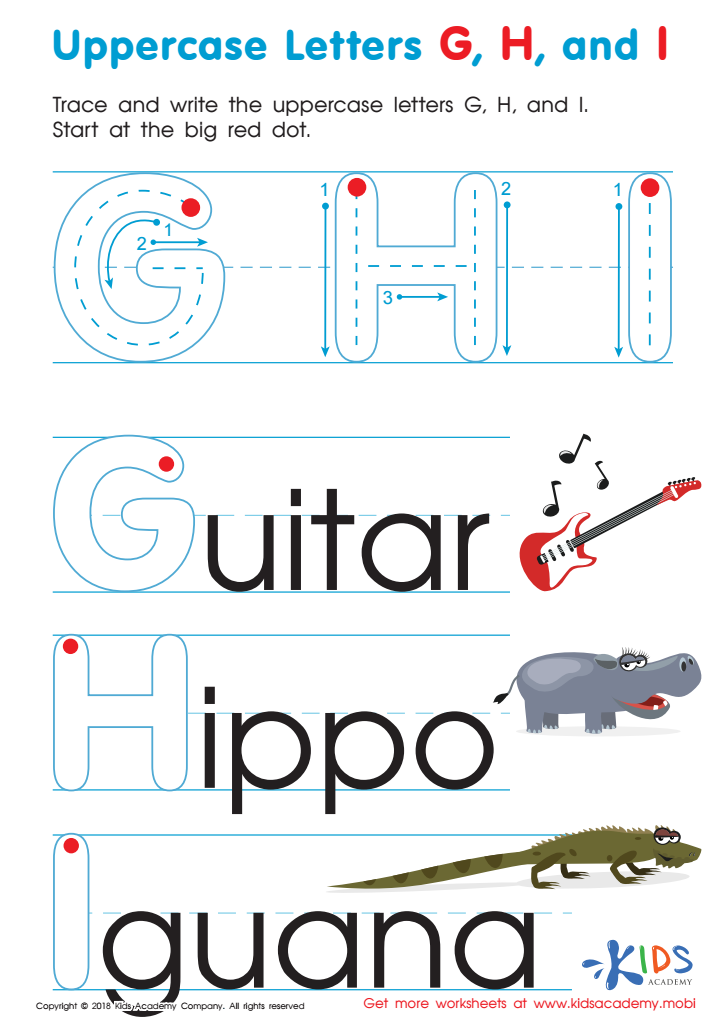
Uppercase Letters G, H, and I Worksheet
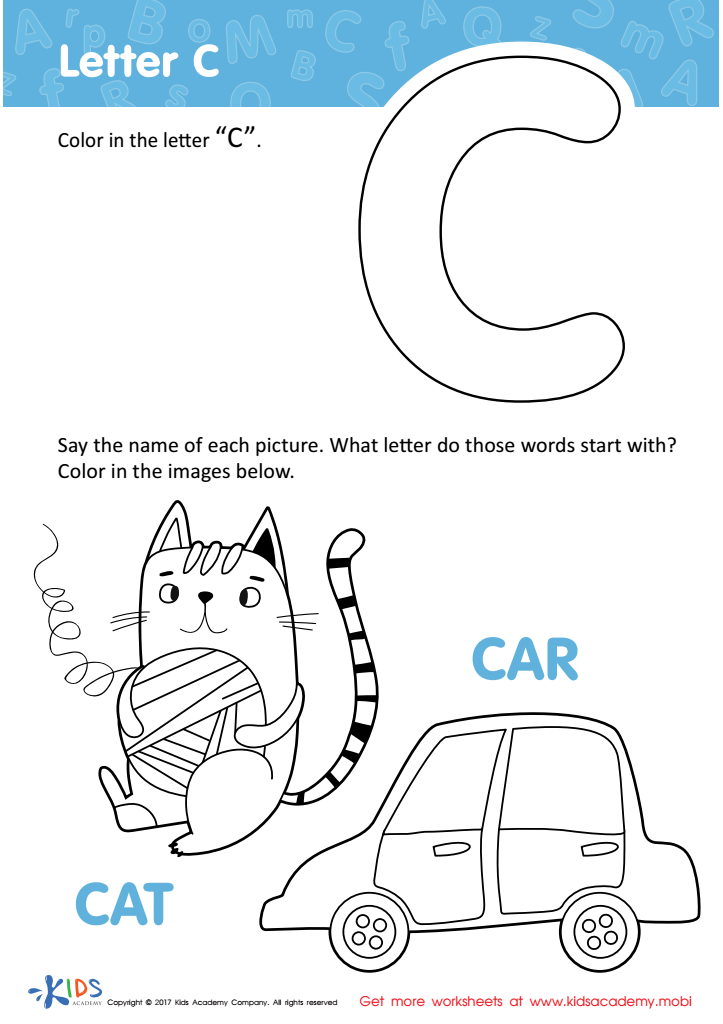
Letter C Coloring Sheet
Assign to My Students
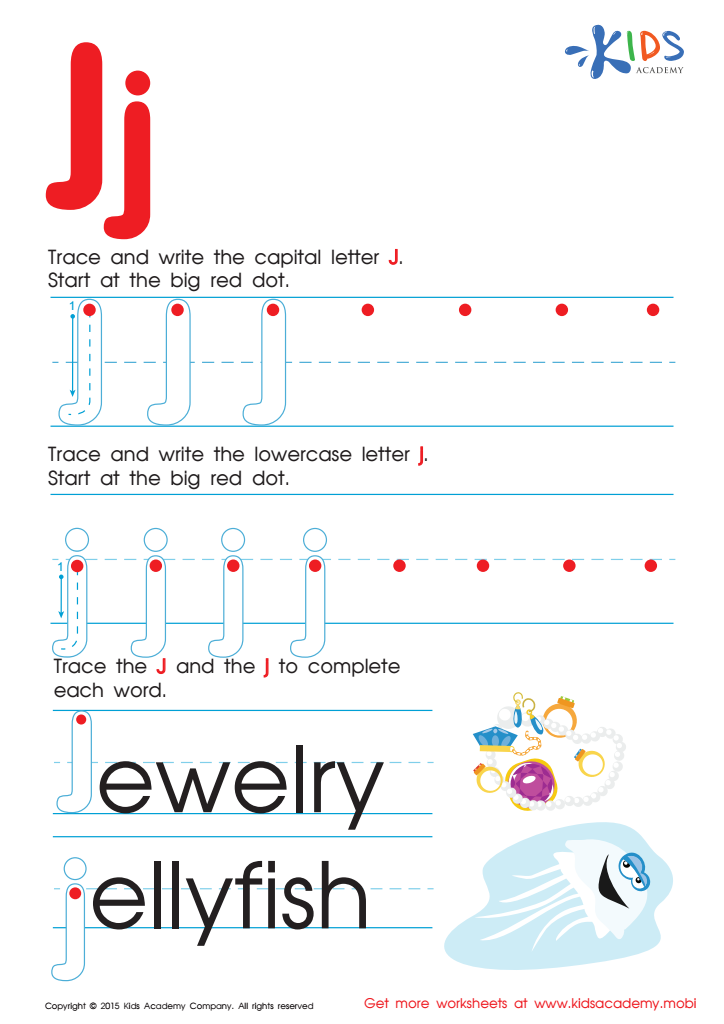
Letter J Tracing Page
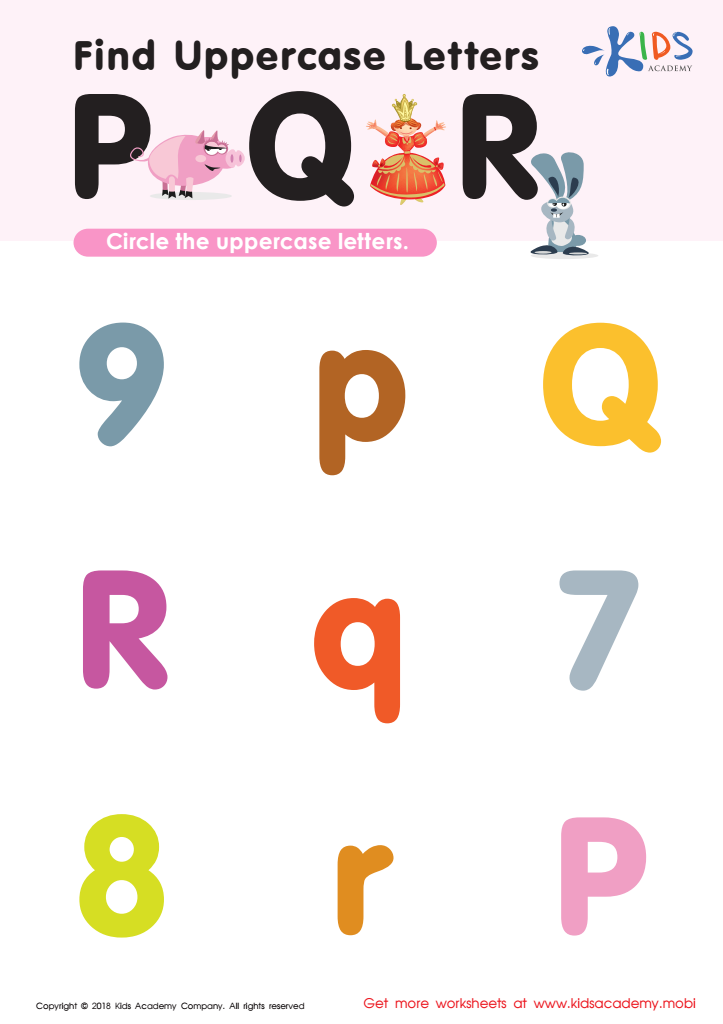
Find Uppercase Letters P, Q, and R Worksheet
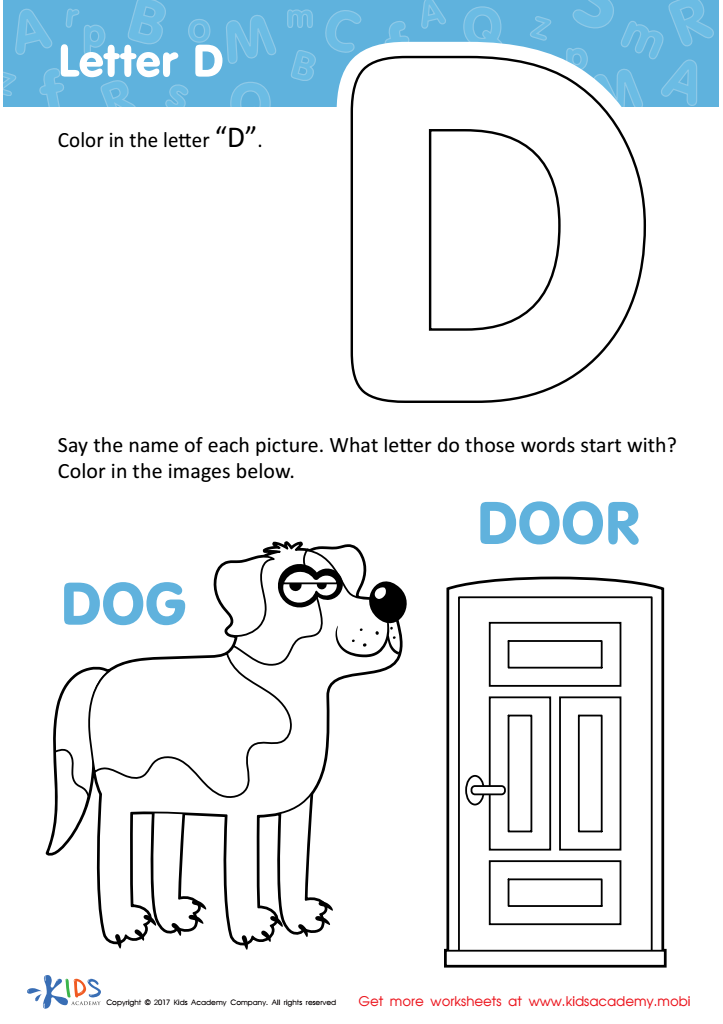
Letter D Coloring Sheet
Assign to My Students
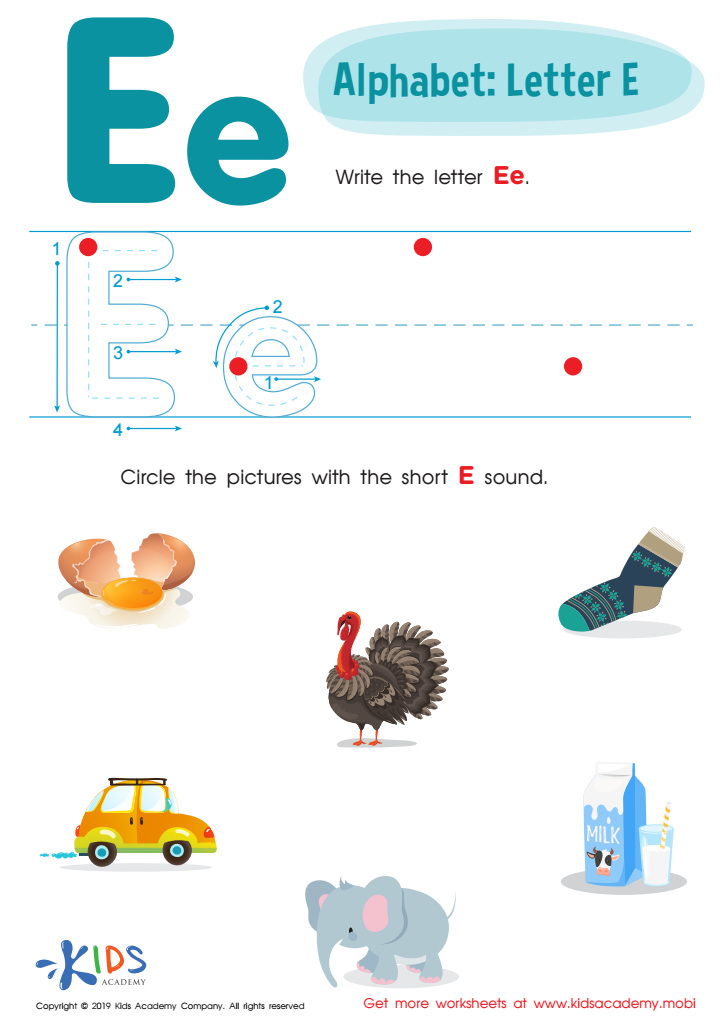
Letter E Tracing Worksheet
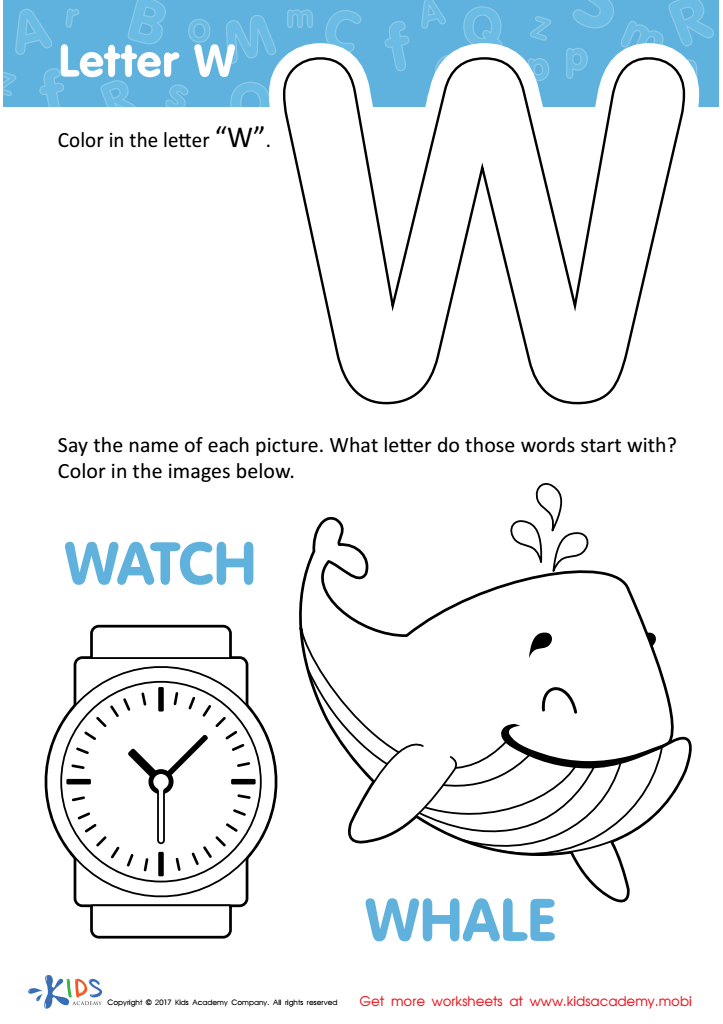
Letter W Coloring Sheet
Assign to My Students
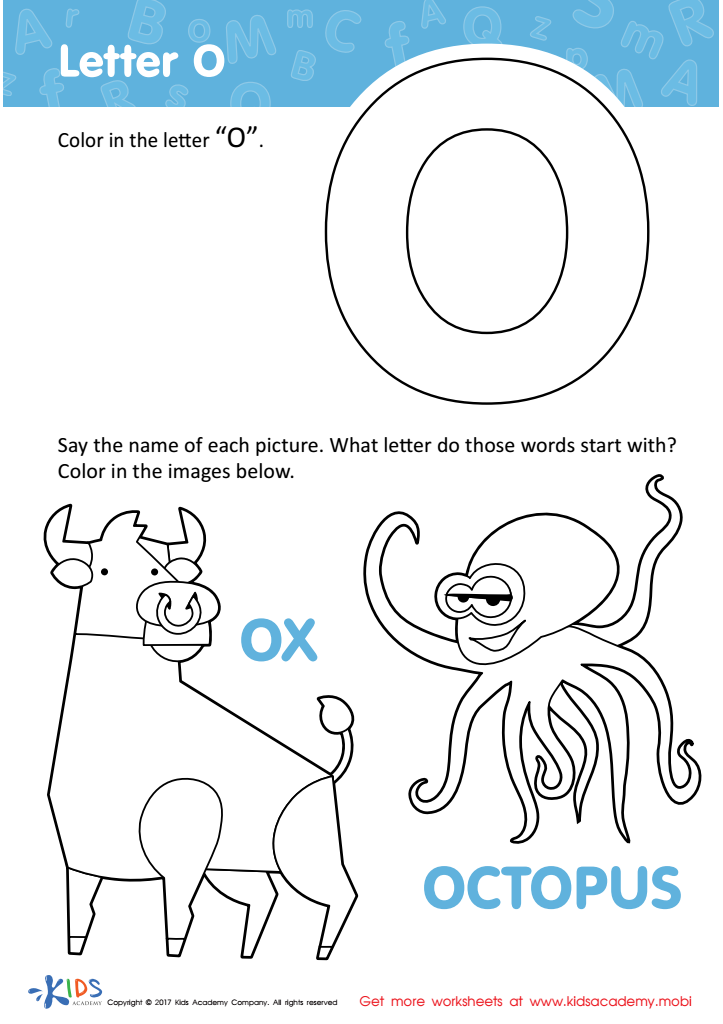
Letter O Coloring Sheet
Assign to My Students
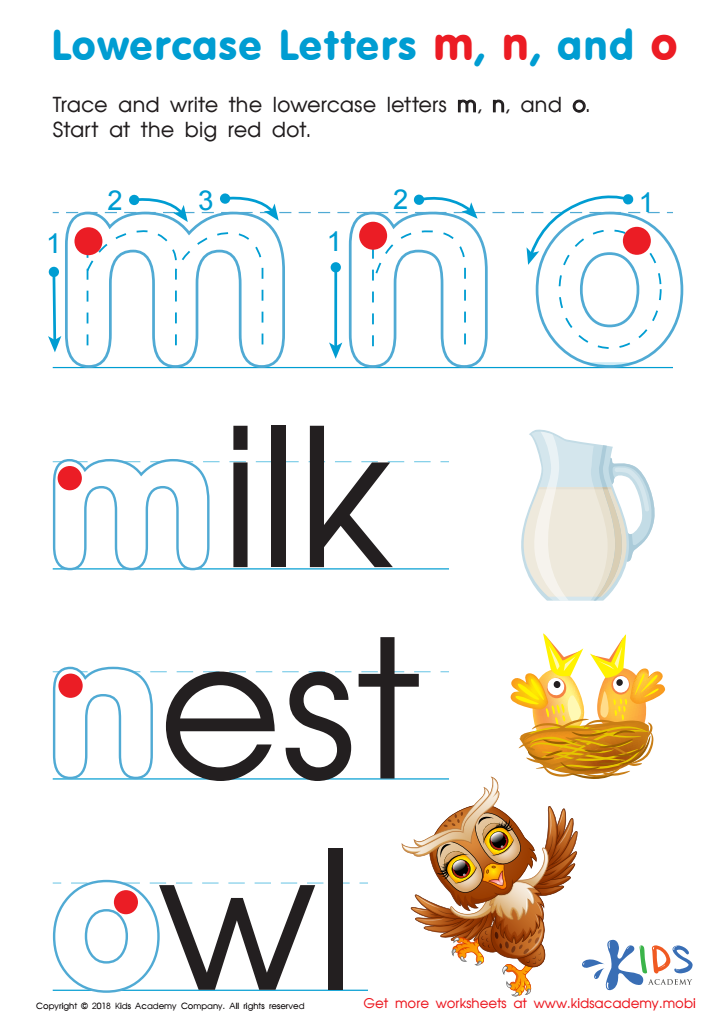
Lowercase Letters m n o Worksheet
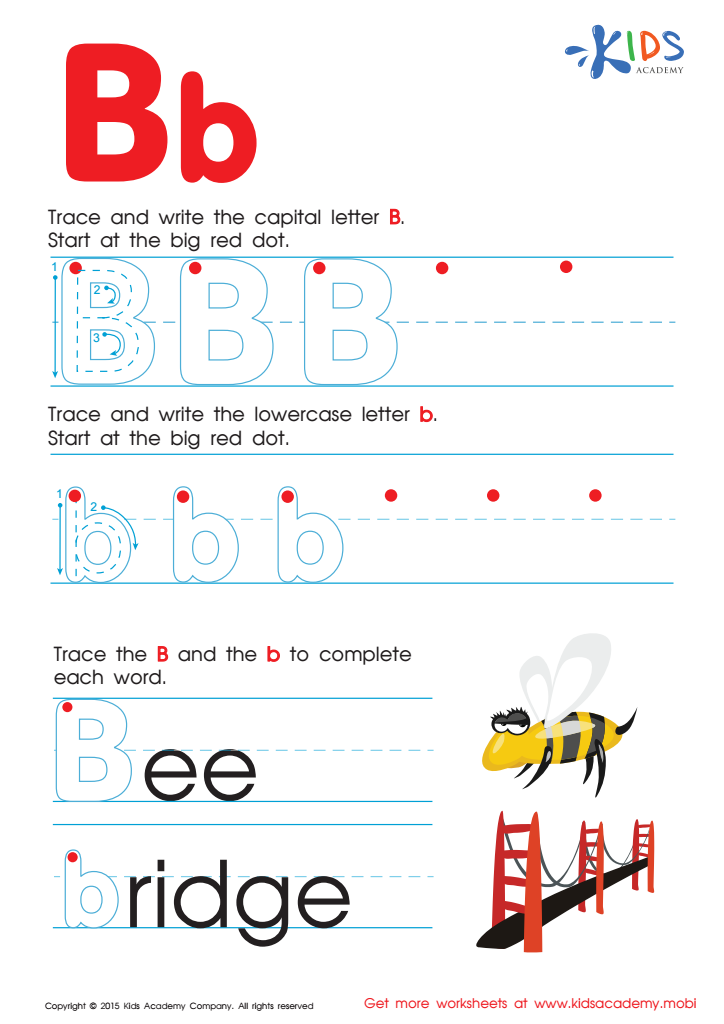
Letter B Tracing Page







.jpg)
Alphabet recognition is a crucial skill for children aged 4-5 as it serves as the foundational building block for literacy. Early recognition and familiarity with letters are vital for developing reading and writing proficiency.
At this age, children's brains are highly receptive and impressionable, making it the optimal period for absorbing new information. Recognizing letters helps them understand that symbols convey meaning, which is a fundamental concept in literacy. Mastery in alphabet recognition allows children to connect letters to sounds, aiding in phonetic understanding and contributing to smoother language acquisition.
For parents and teachers, facilitating alphabet recognition can significantly enhance a child's ability to succeed academically. Activities like singing the alphabet song, engaging in letter-related games, or reading alphabet books can make learning fun and engaging. This early literacy development translates to improved focus, enhanced vocabulary, and better communication skills, all of which are important for overall educational achievement.
In the grand scheme, ensuring children attain proficiency in alphabet recognition prepares them for more complex reading skills, fostering a lifelong love for learning and books. Given the critical nature of this developmental stage, parents and teachers should consciously encourage and nurture these early literacy skills to set children on a path for future academic and personal success.







