Fine Motor Skills Normal Letter Recognition Worksheets for Ages 4-5
41 filtered results
-
From - To
Enhance your child's fine motor skills and letter recognition with our engaging worksheets designed specifically for ages 4-5. These worksheets provide a fun and interactive way for young learners to practice identifying letters while developing crucial hand-eye coordination and dexterity. Featuring colorful illustrations and age-appropriate activities, your child will enjoy tracing, matching, and creating letters in a supportive learning environment. Perfect for preschool and kindergarten readiness, these resources ensure that your little ones build a solid foundation in literacy and motor development. Access our comprehensive selection of printable worksheets today and watch your child's confidence soar as they master the alphabet!
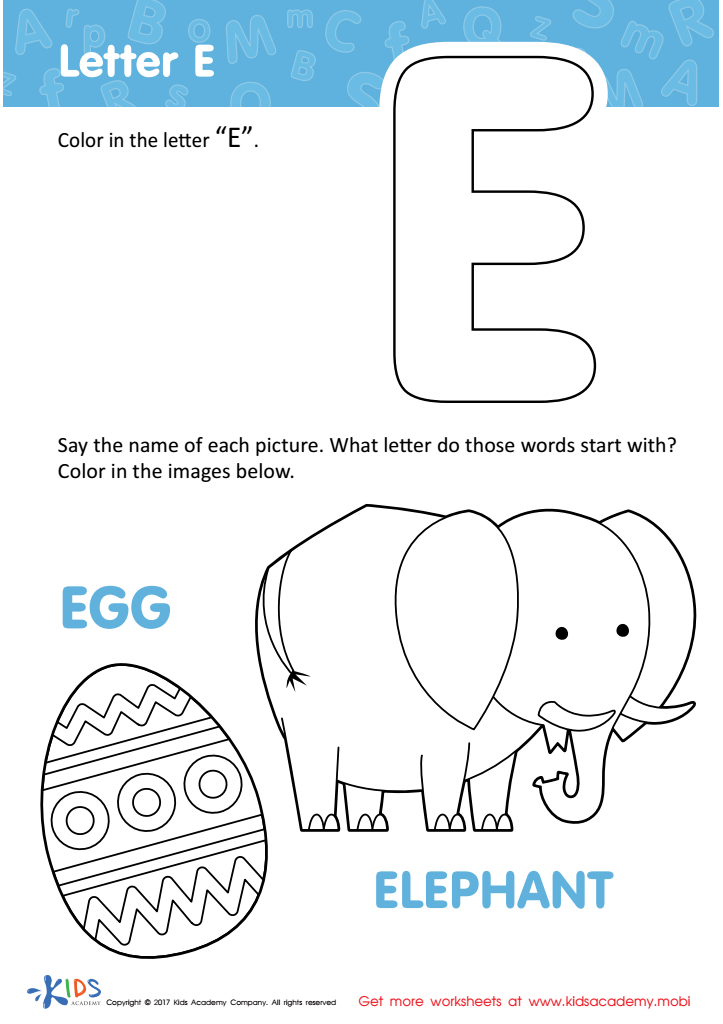
Letter E Coloring Sheet
 Assign to My Students
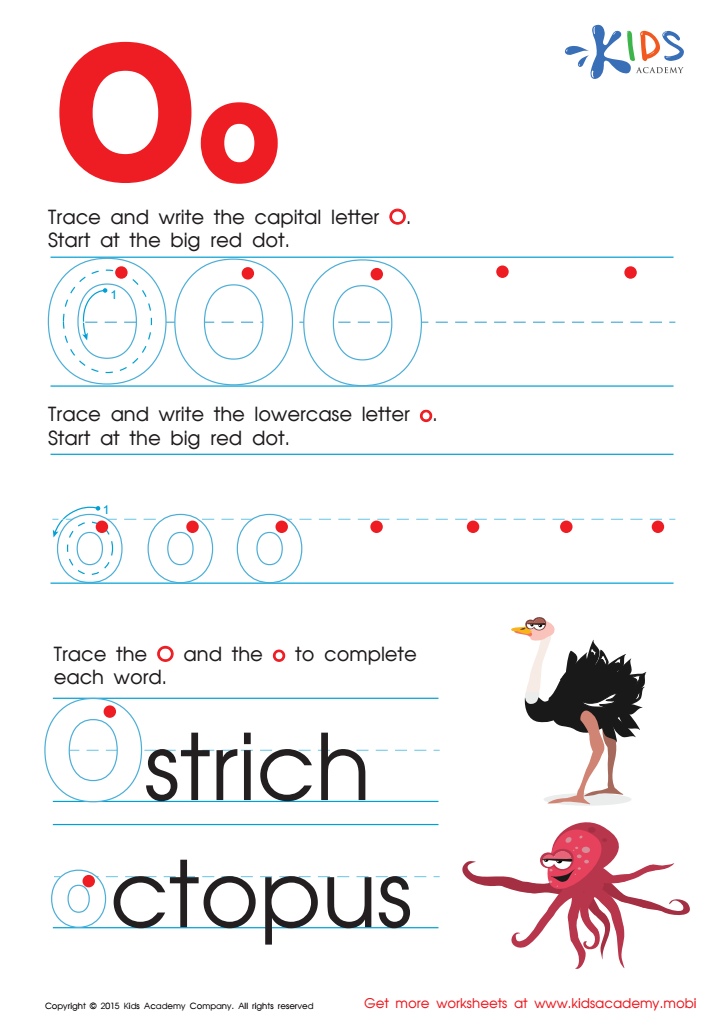
Letter O Tracing Page
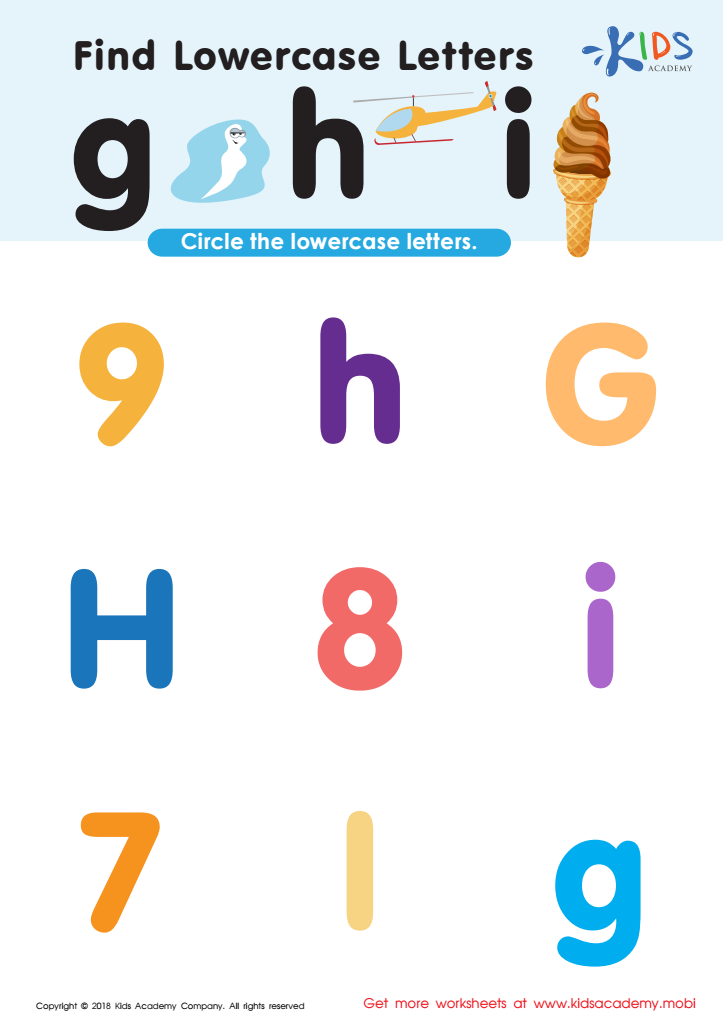
Find Lowercase Letters g h i Worksheet
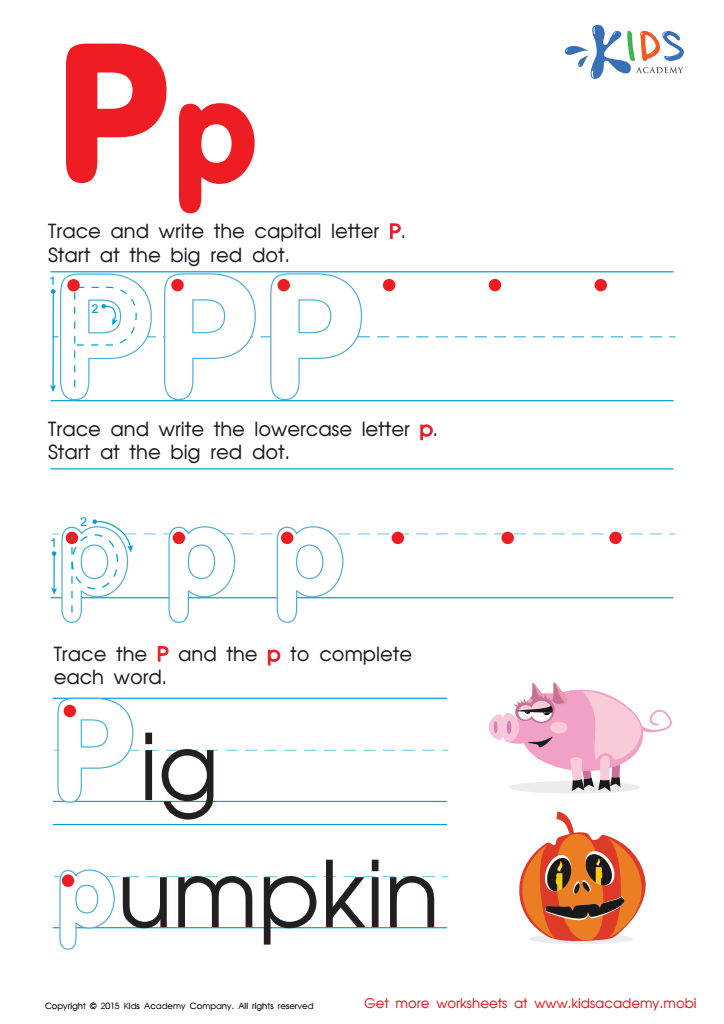
Letter P Tracing Page
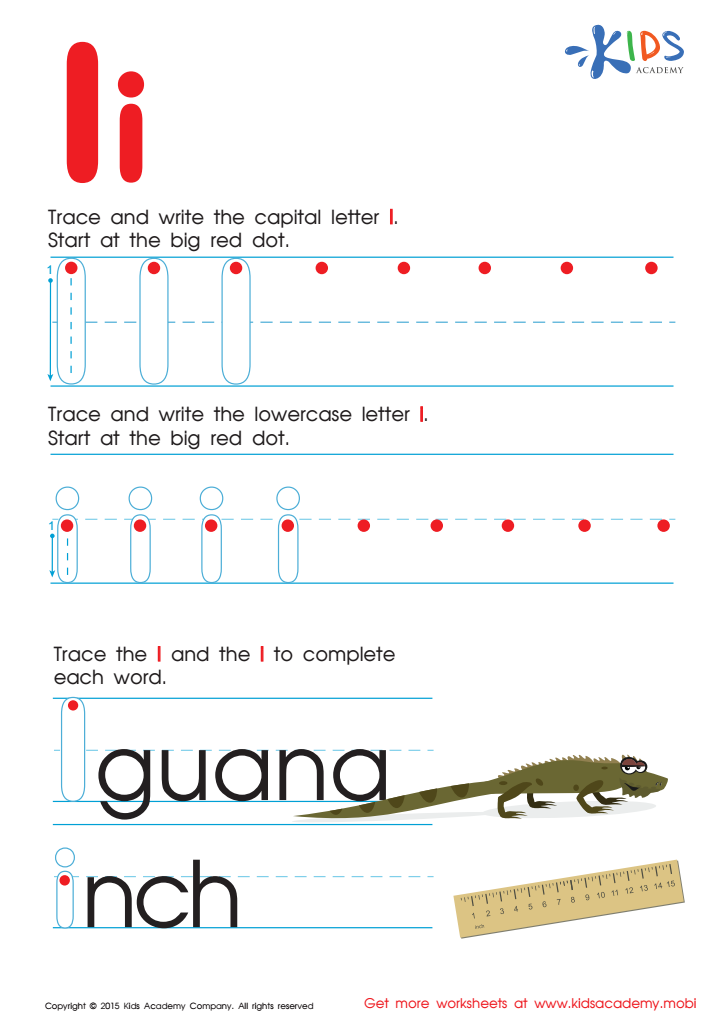
Letter I Tracing Page
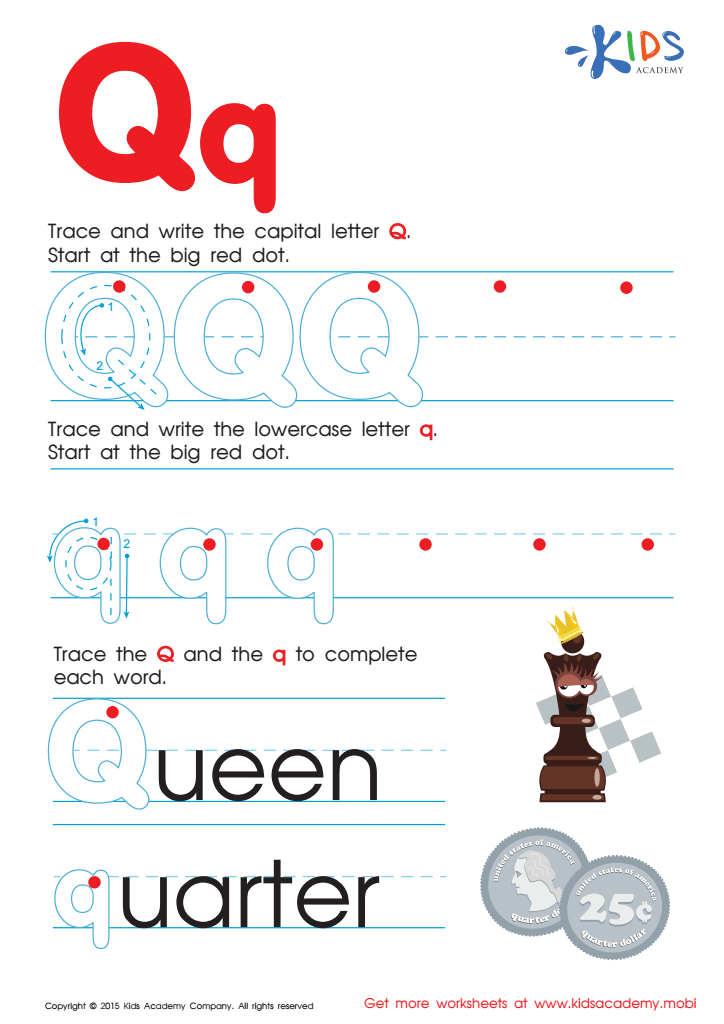
Letter Q Tracing Page
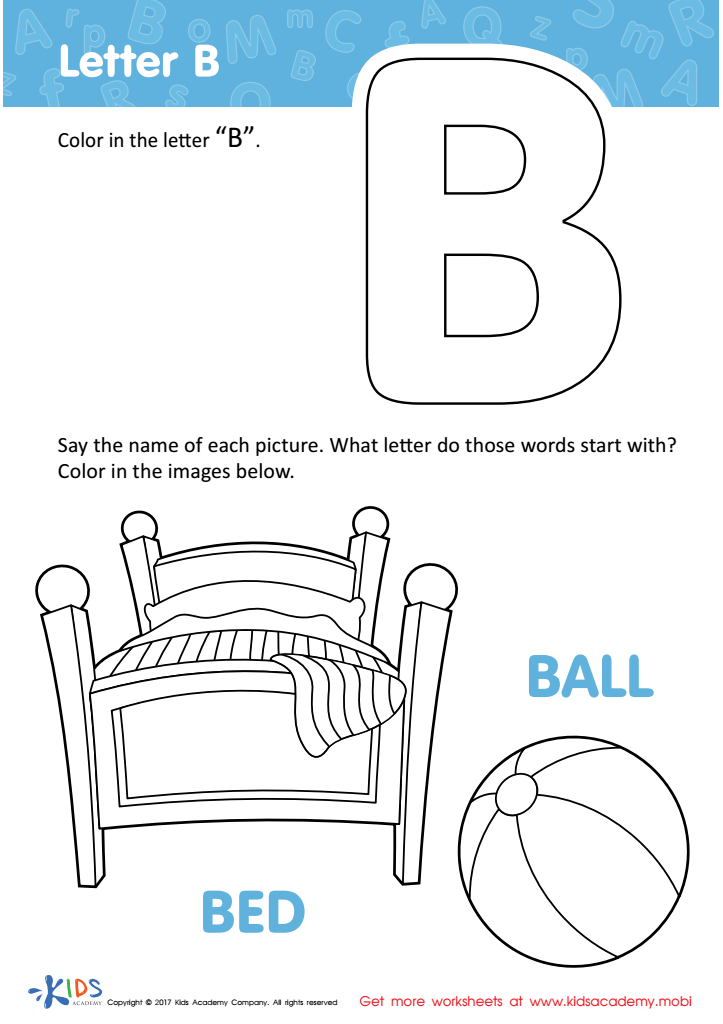
Letter B Coloring Sheet
Assign to My Students
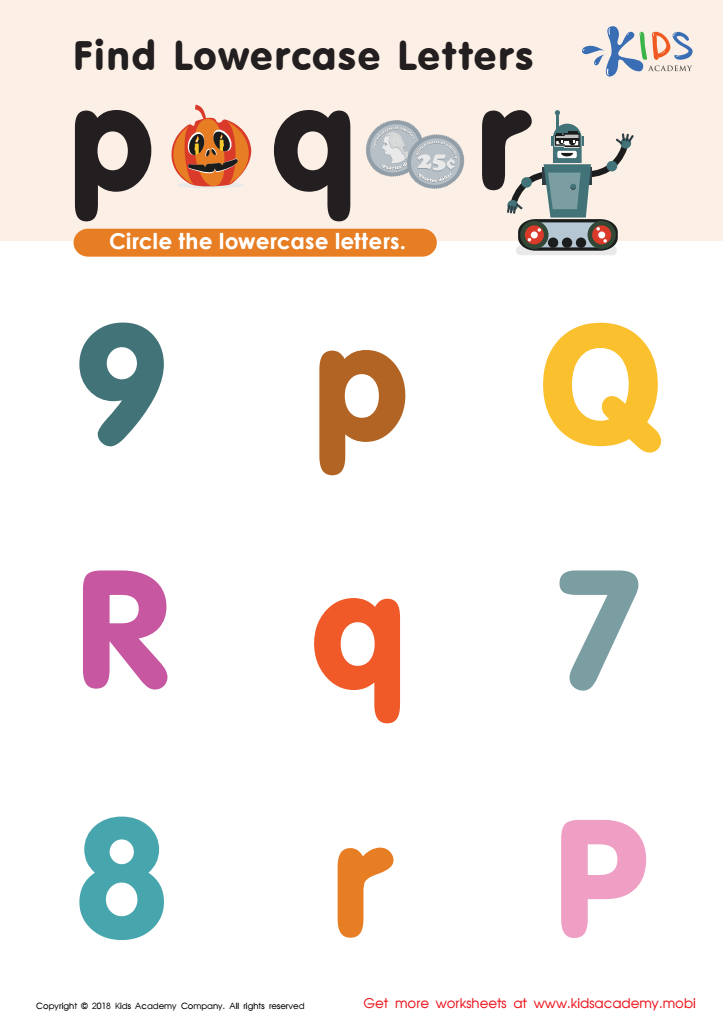
Find lowercase Letters p q r Worksheet
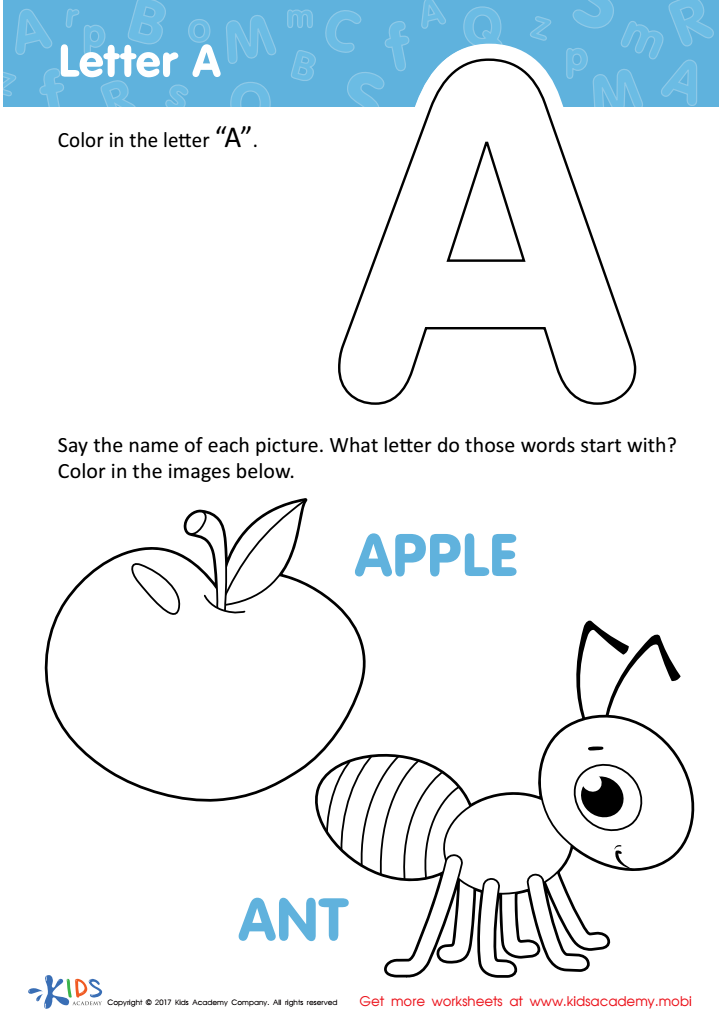
Letter A Coloring Sheet
Assign to My Students
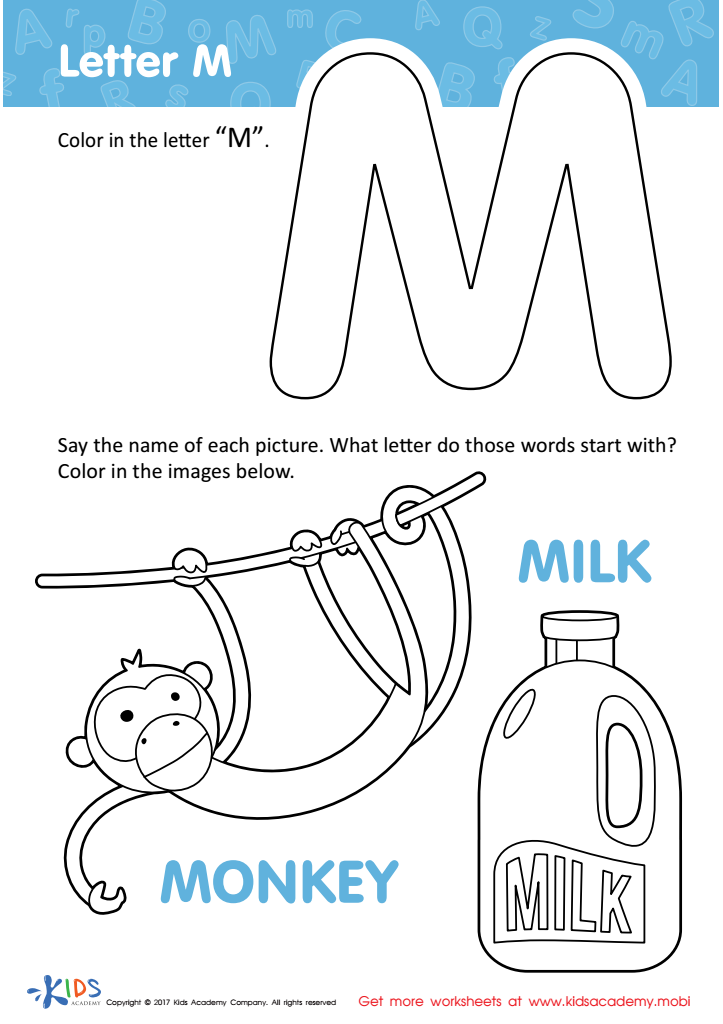
Letter M Coloring Sheet
Assign to My Students
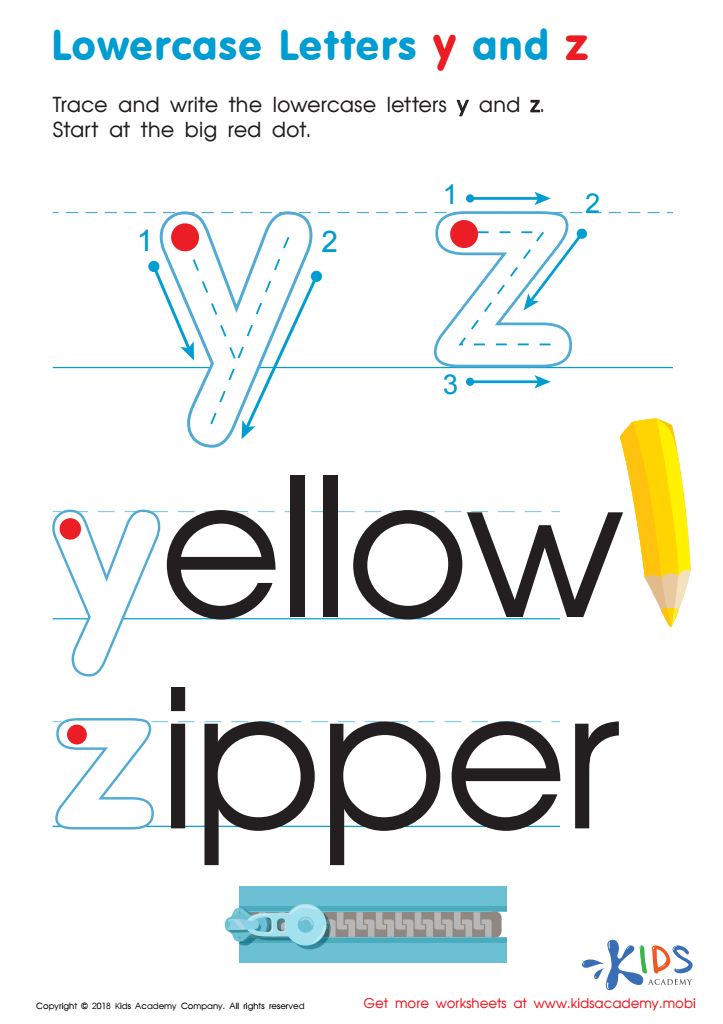
Lowercase Letters y z Worksheet
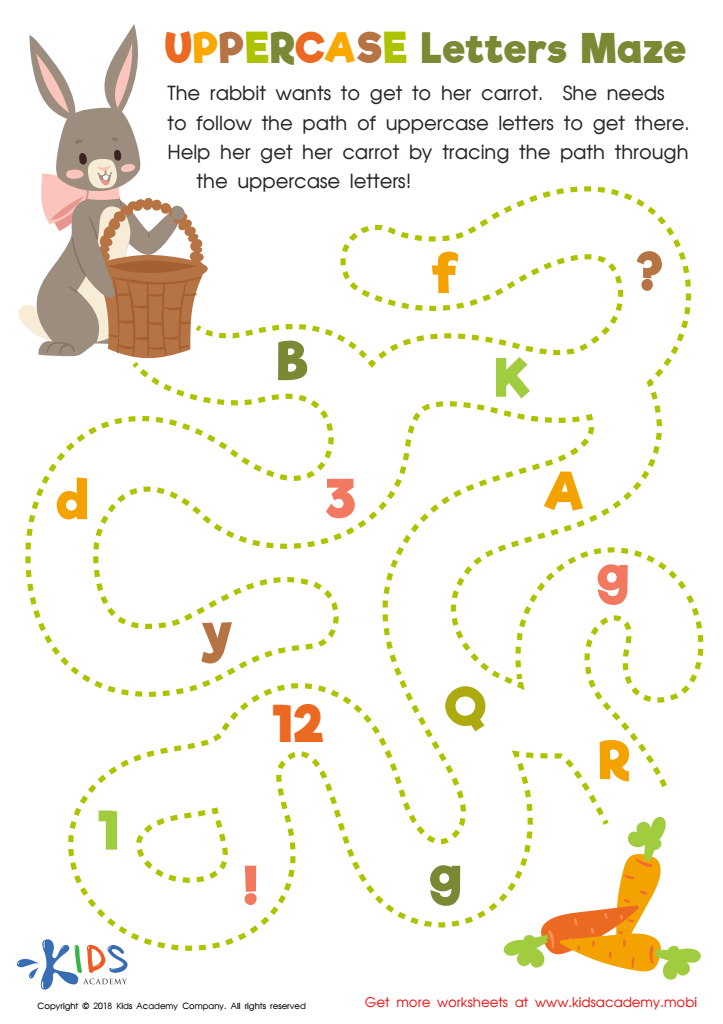
Uppercase Letters Maze Worksheet
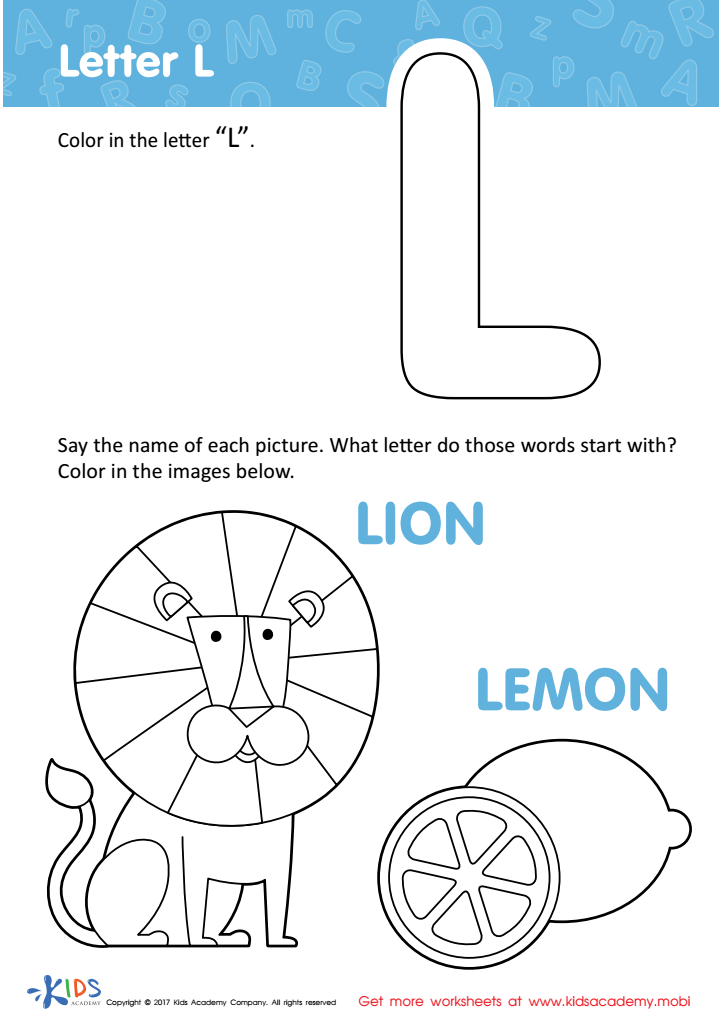
Letter L Coloring Sheet
Assign to My Students
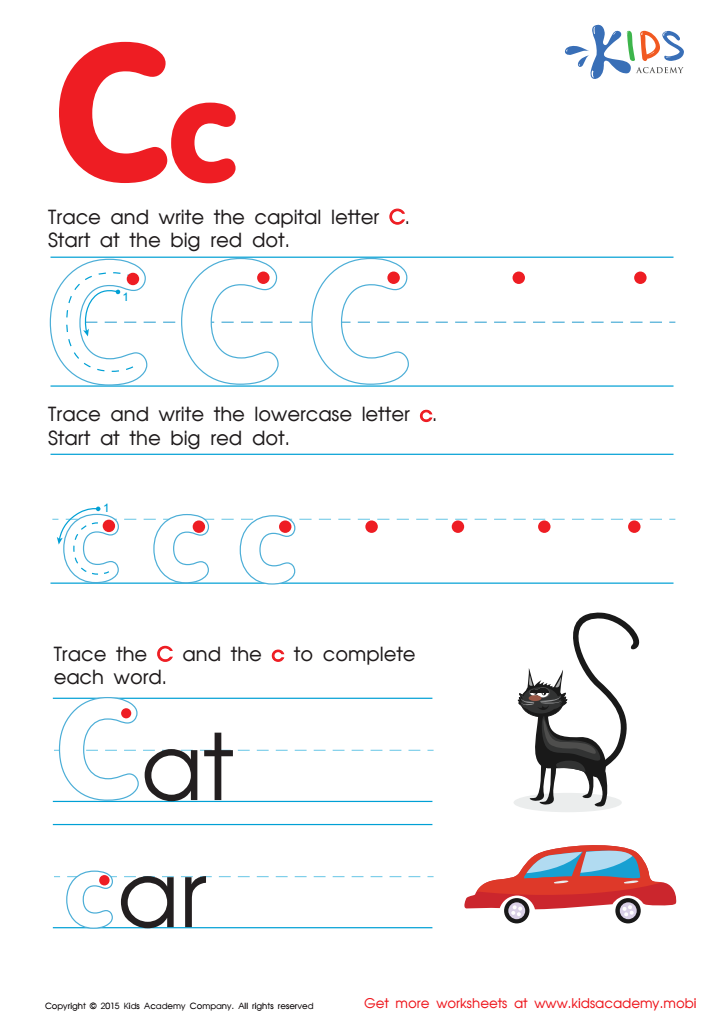
Letter C Tracing Page
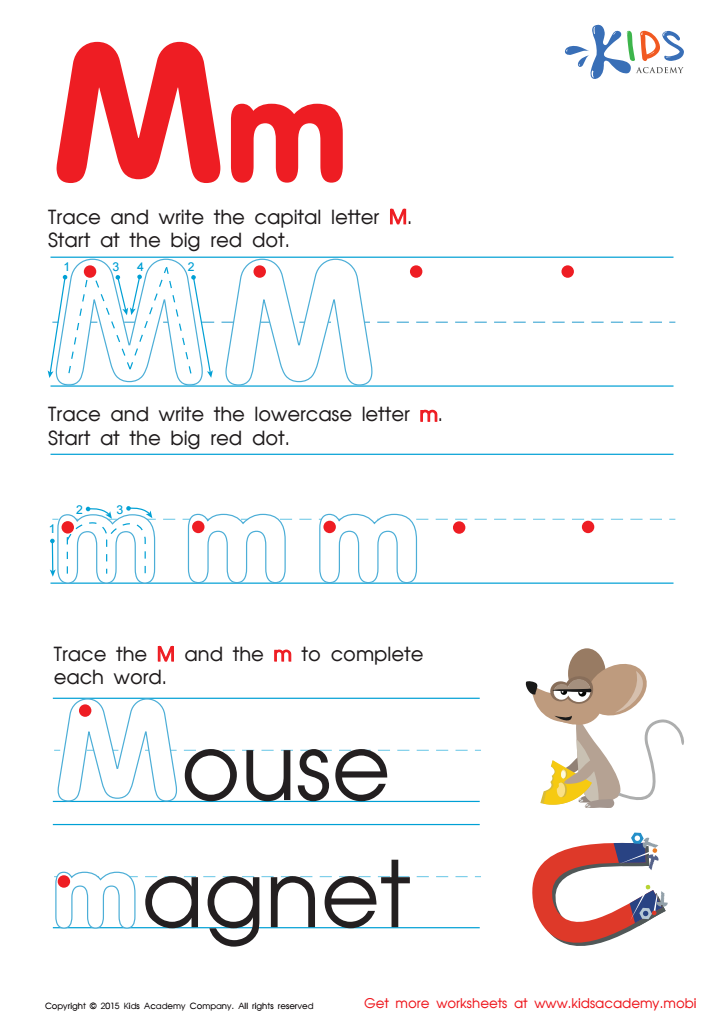
Letter M Tracing Page
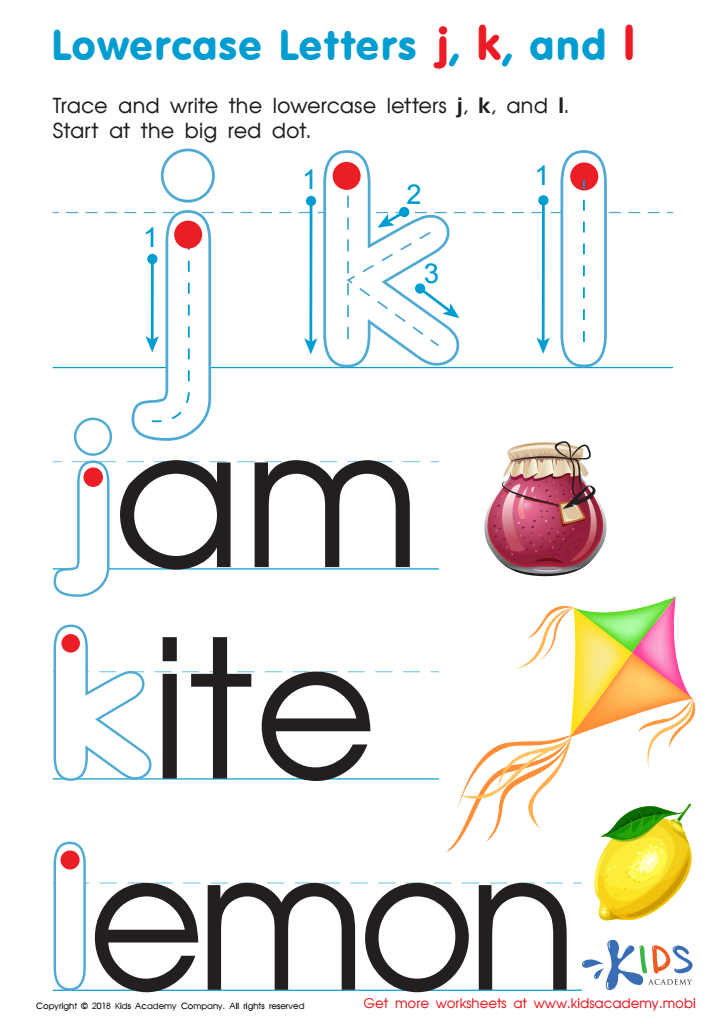
Lowercase Letters j k l Worksheet
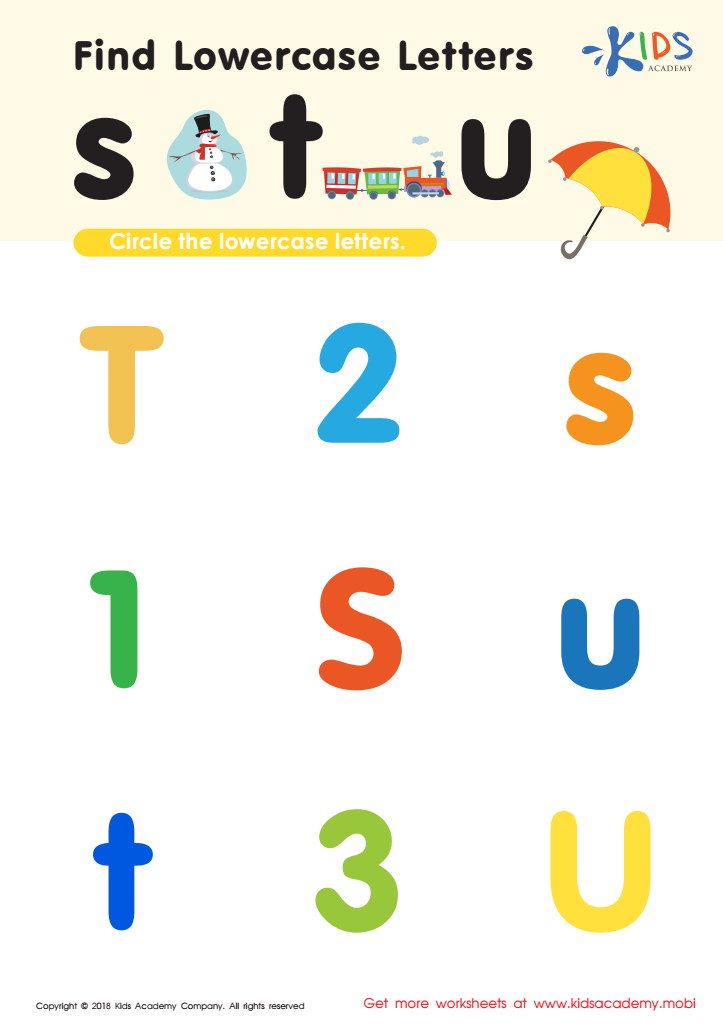
Find lowercase Letters s t u Worksheet
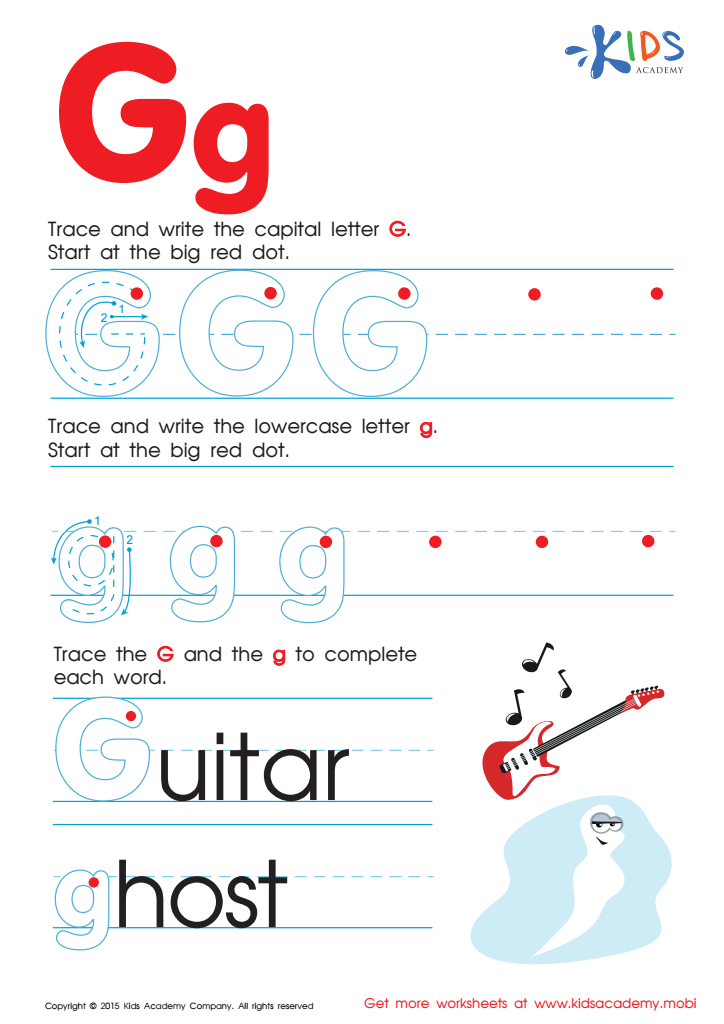
Letter G Tracing Page
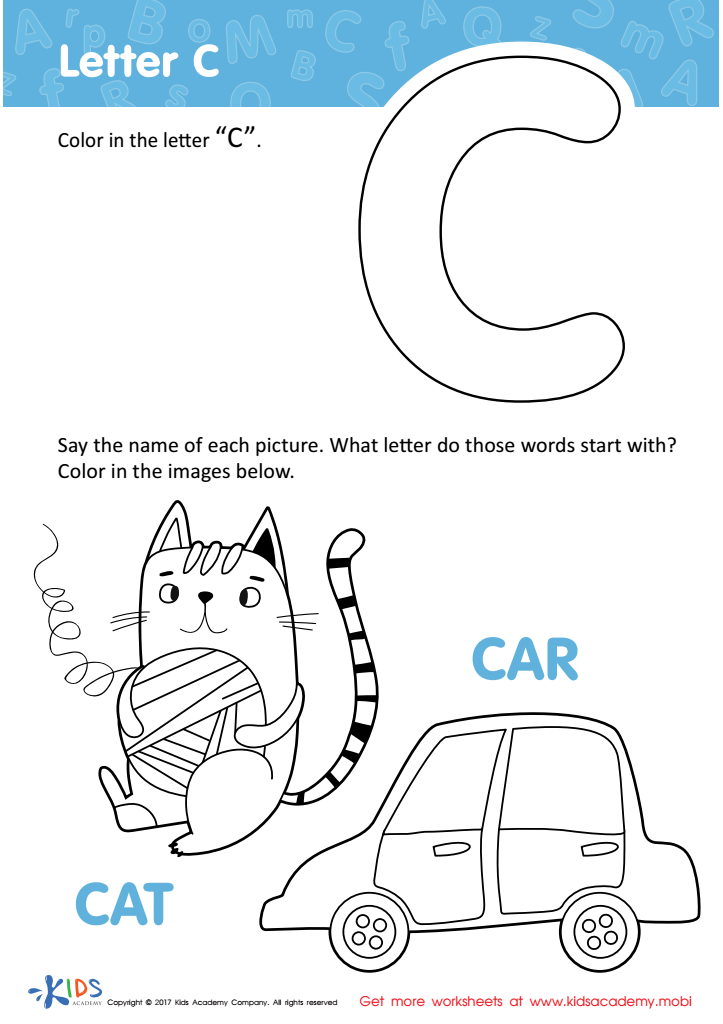
Letter C Coloring Sheet
Assign to My Students
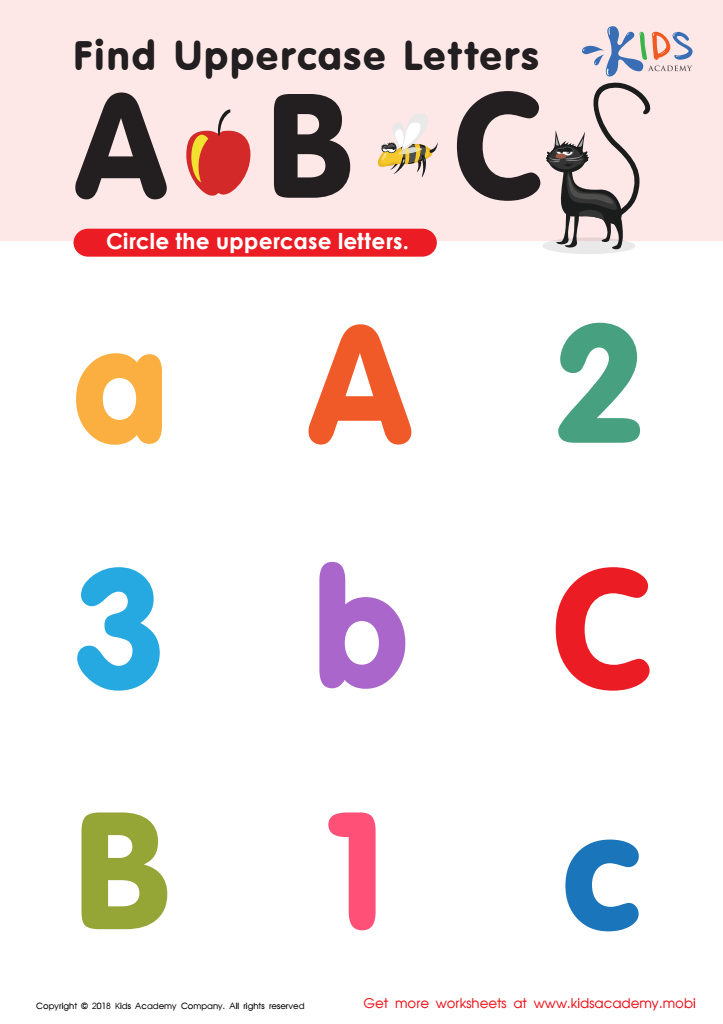
Find Uppercase Letters A, B, and C Worksheet
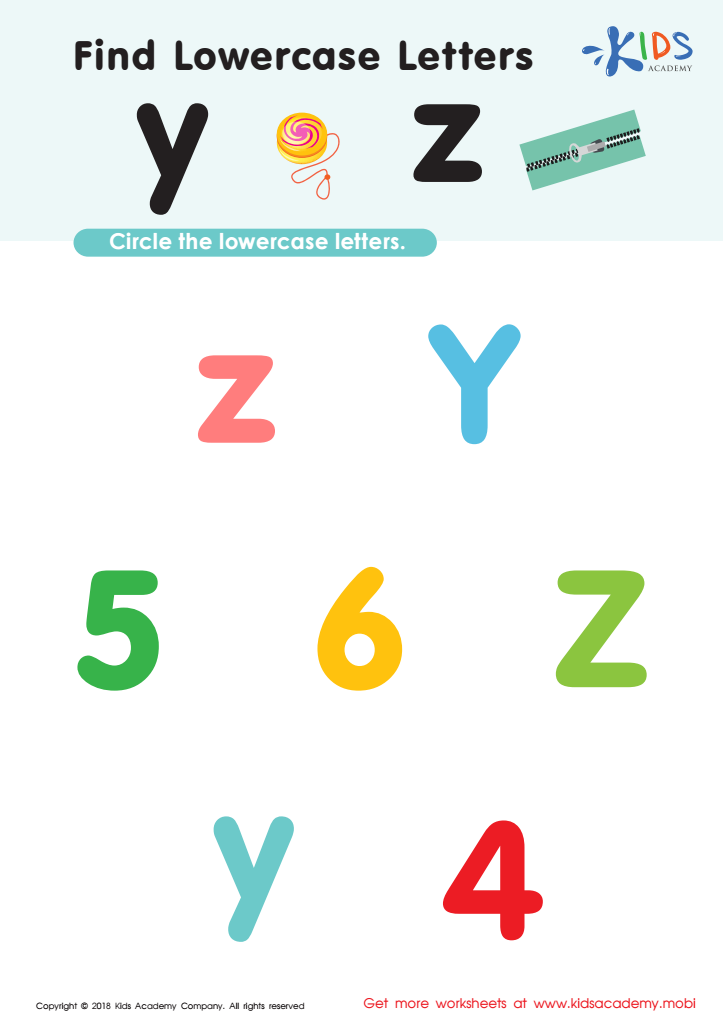
Find Lowercase Letters y z Worksheet
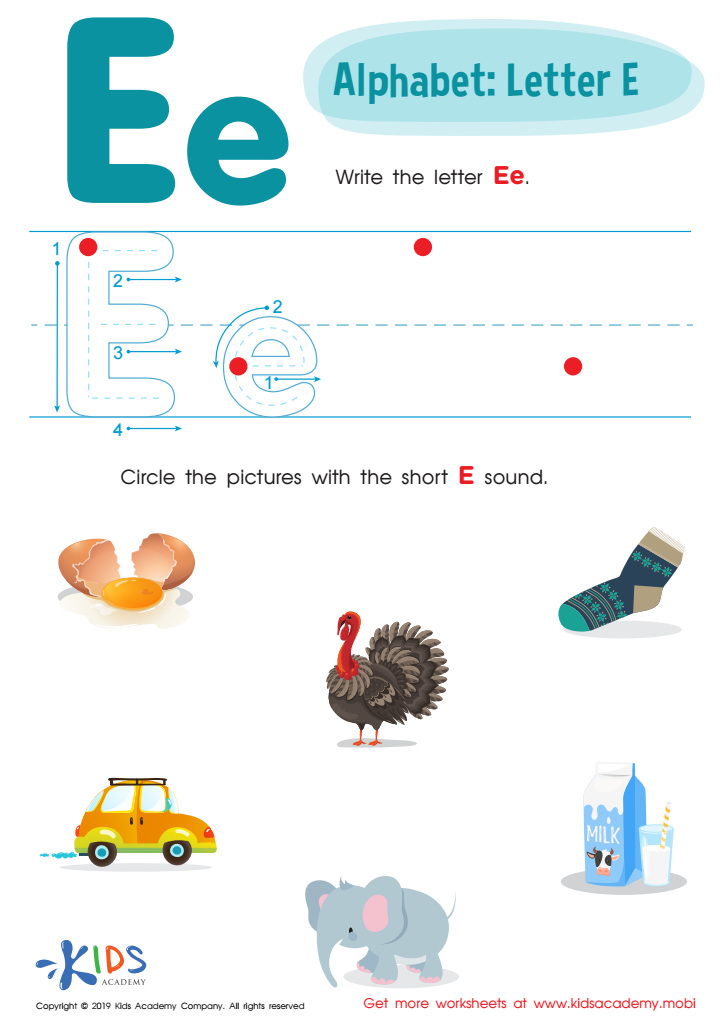
Letter E Tracing Worksheet
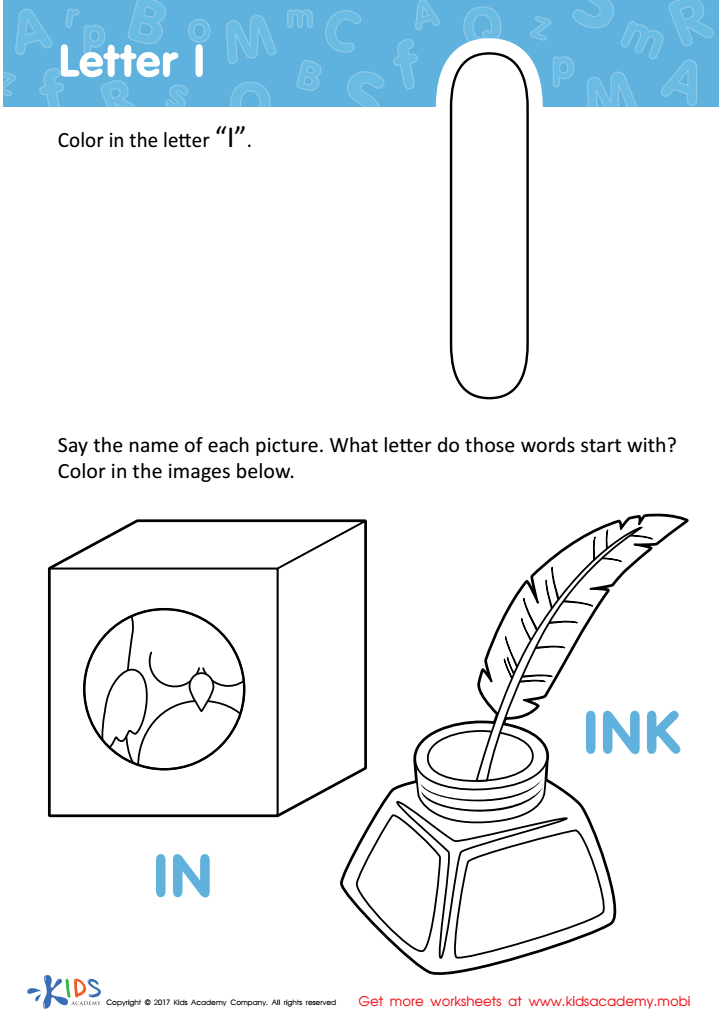
Letter I Coloring Sheet
Assign to My Students
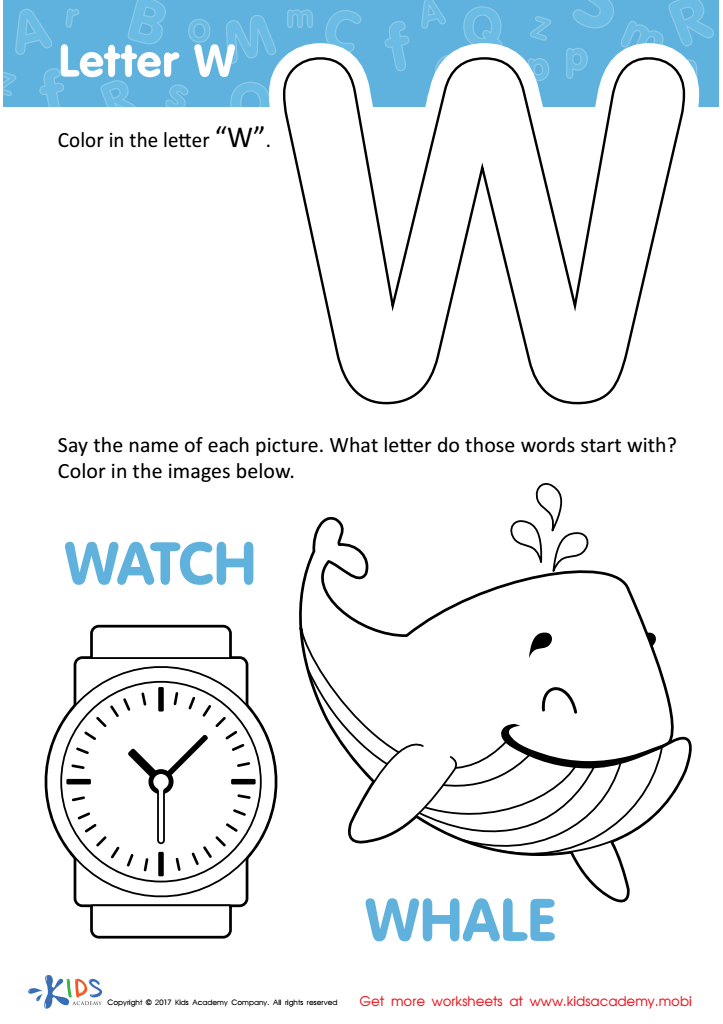
Letter W Coloring Sheet
Assign to My Students








Fine motor skills and normal letter recognition are essential developmental benchmarks for children aged 4-5. Fine motor skills involve the coordination of small muscles, particularly in the hands and fingers, which are crucial for daily tasks such as writing, cutting with scissors, and using small objects. Developing these skills helps children gain independence and confidence in their abilities, which can foster a positive attitude toward learning.
Normal letter recognition complements fine motor development by supporting early literacy skills. Recognizing letters is foundational for reading and writing, and children who develop this skill early tend to perform better academically as they progress through school. When children can successfully identify letters, they can also begin to understand phonics, enhancing their ability to decode words.
Parents and teachers play a pivotal role in supporting these developments. Engaging children in play-based activities—like puzzles, drawing, and bead-stringing—can significantly boost fine motor skills, while exposure to books and interactive letter games can promote letter recognition. By prioritizing these skills, parents and teachers can set the groundwork for successful literacy and overall academic achievement, leading to long-term benefits for the child's educational journey. Promoting fine motor skills and letter recognition is key to nurturing a well-rounded and capable learner.








