
Vocabulary Building Normal Phonics Worksheets for Ages 4-5
4 filtered results
Difficulty Level
Grade
Age
-
From - To
Subject
Activity
Standards
Discover our engaging vocabulary building normal phonics worksheets designed specifically for children aged 4-5. These printable resources help young learners enhance their phonetic awareness and expand their vocabulary through fun, interactive activities. Our worksheets incorporate colorful illustrations and relatable themes to capture children's interest, making learning an exciting adventure. Each activity is crafted to strengthen phonemic skills while introducing new words in a playful context. Perfect for preschool classrooms or at-home learning, these worksheets promote early literacy skills and foster a love for reading. Empower your child’s language development today with our expertly designed phonics worksheets!
Favorites
With answer key
Interactive
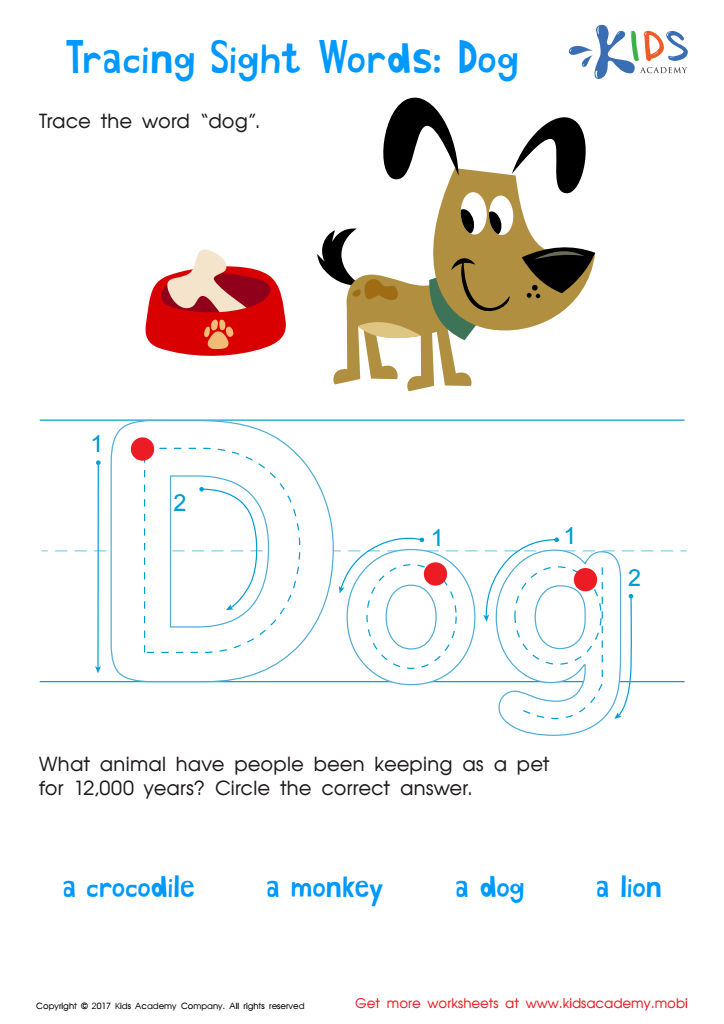
Dog Worksheet Sight Words Worksheet
Get your kids excited to read with our dog-themed sight words worksheet!
Excite your child to read with our sight words worksheet: dog edition! Featuring a lovable dog character to put a smile on any kid's face, this worksheet helps kids practice reading and writing the word "dog". Build a library of words they can read quickly and promote increasing literacy skills with early fluency! Get them ready for reading with our dog-themed sight words worksheet!
 Assign to My Students
Dog Worksheet Sight Words Worksheet
Worksheet
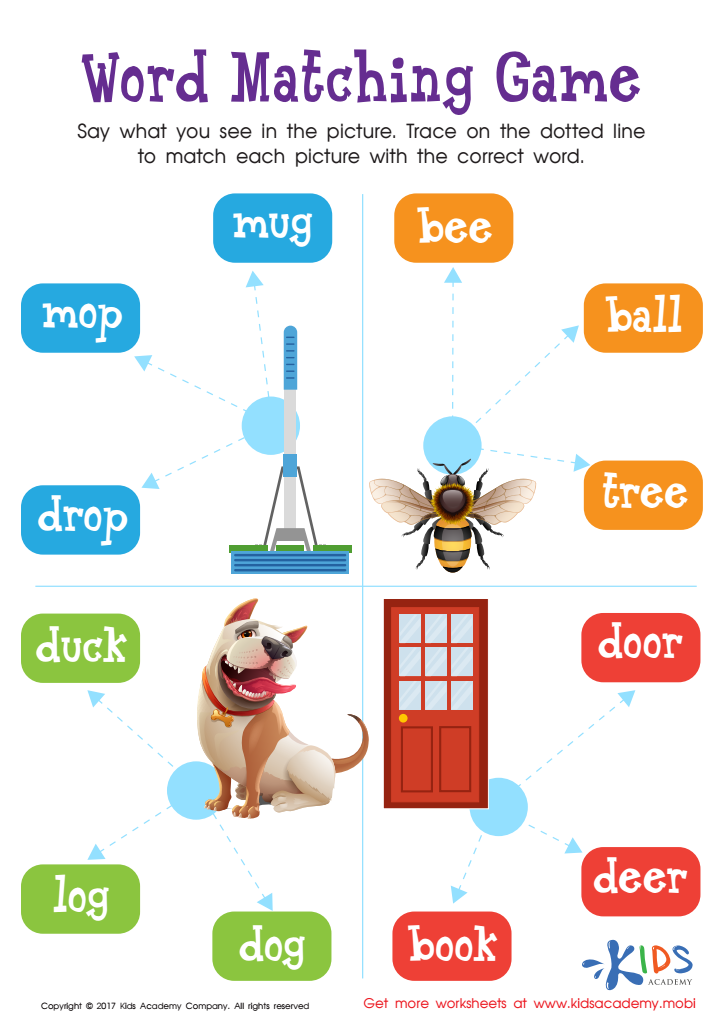
Word Matching Game Worksheet
Help your early reader develop prereading skills with this fun matching worksheet! Visual cues help them learn sight words, decode words in word families, and identify phonetic patterns. They'll practice discerning sounds past initial consonants while saying the name of the picture and finding the matching word - and reading at the same time!
Word Matching Game Worksheet
Worksheet
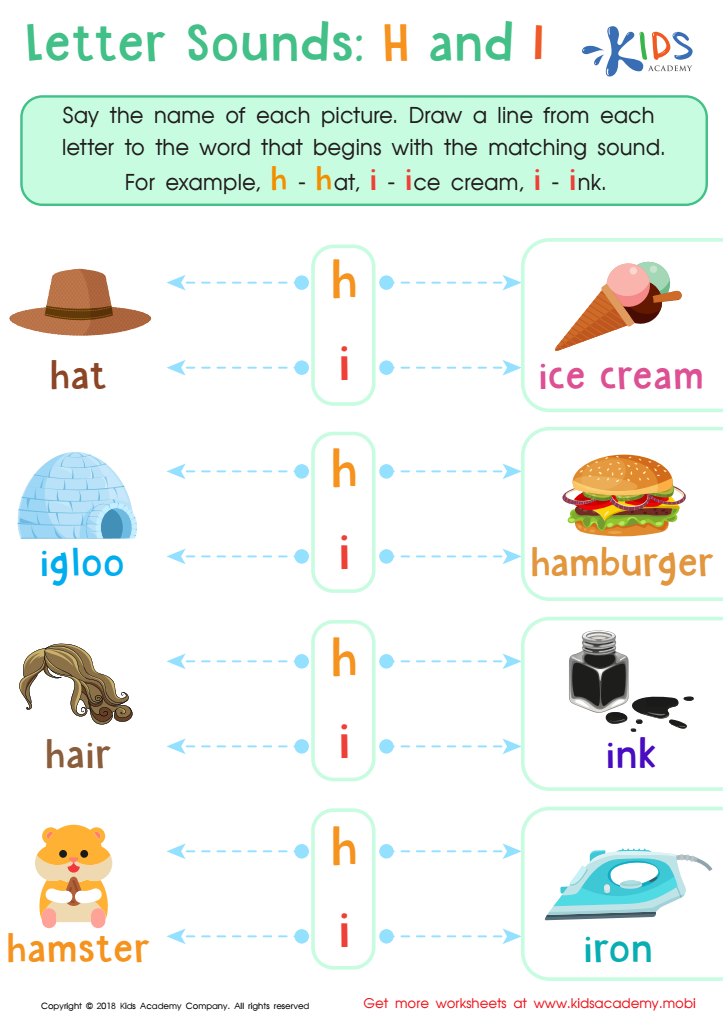
Letter H and I Sounds Worksheet
Preschoolers will have fun and develop reading and writing skills at the same time! They'll use pictures to recognize familiar words and differentiate between 'H' and 'I' sounds. Then they'll trace lines to connect each sound to the picture, improving their fine-motor skills. Bright and cheerful visuals make learning a breeze!
Letter H and I Sounds Worksheet
Worksheet
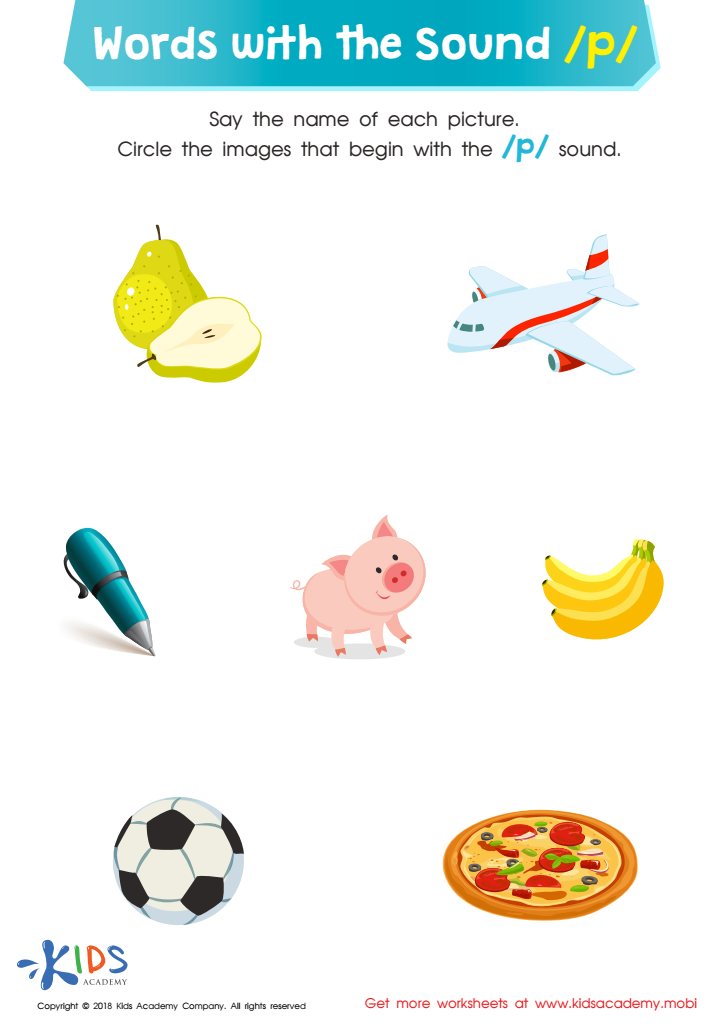
Words with sound p Reading Worksheet
Working on this fun worksheet? Name each picture aloud and listen carefully before circling those that start with the letter «p»! Pizza, pig, plane, or banana - practice phonics to help your child recognize the letter «p» sound for successful early reading and decoding!
Words with sound p Reading Worksheet
Worksheet
Join Kids Academy for Free
Who is primarily going to use this learning content?








Vocabulary building through normal phonics is crucial for children aged 4-5 as it lays the foundation for their literacy skills and overall academic success. At this age, children are starting to understand how words work, and effective phonics instruction helps them connect sounds to letters, leading to improved reading and writing abilities.
Teachers and parents should care about this developmental phase because early literacy skills significantly influence a child’s future learning potential. A rich vocabulary enhances listening comprehension, fosters effective communication, and stimulates critical thinking skills. Phonics provides kids with tools to decode new words, and a strong vocabulary helps them feel more confident as they tackle reading materials.
Moreover, engaging children in vocabulary building activities promotes a love for reading and learning. When children understand the sounds that letters create and are encouraged to explore new words, they develop a lifelong passion for literacy that can spark creativity and a greater understanding of the world around them. Overall, investing time in phonics and vocabulary building is essential for cultivating young learners’ cognitive and linguistic abilities, ensuring they are well-prepared for future academic challenges.







