Hand-eye Coordination Normal Worksheets for Ages 4-5 - Page 2
26 filtered results
-
From - To
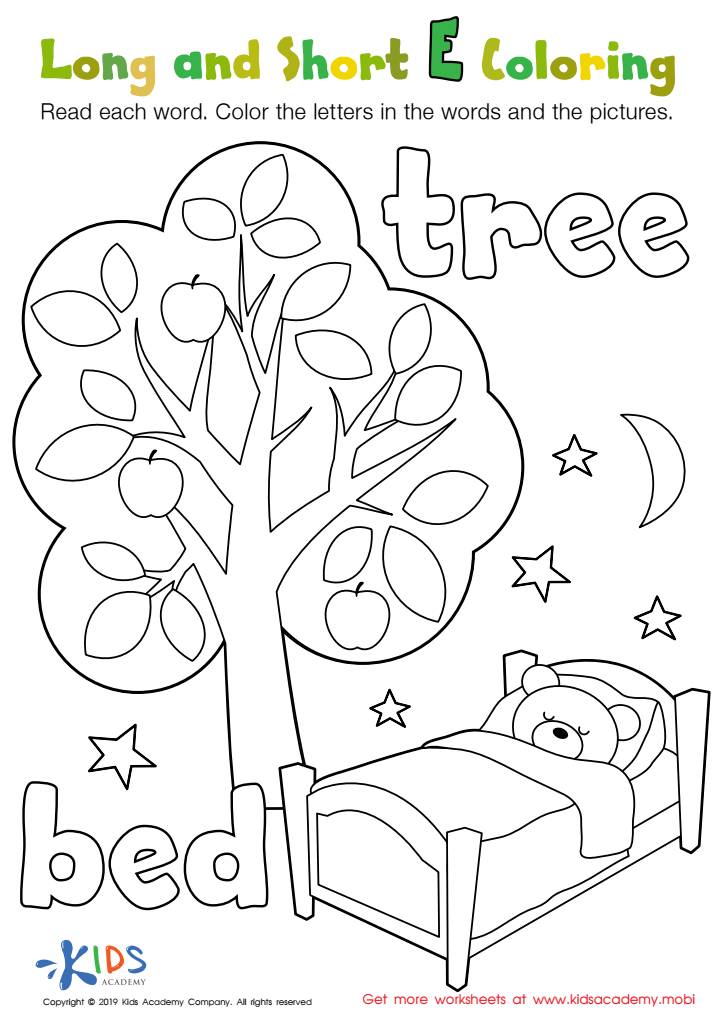
Long and Short E Worksheet
 Assign to My Students

Letter D Tracing Page




.jpg)


Hand-eye coordination is critically important for young children, particularly those aged 4-5, because it serves as a foundation for a variety of essential skills that they will use throughout their lives. At this age, children are rapidly developing their motor skills, and hand-eye coordination is a key part of this development. Good hand-eye coordination allows children to perform tasks that require the simultaneous use of their hands and eyes, such as drawing, writing, cutting with scissors, catching a ball, and buttoning clothes.
These activities are not only essential for their daily living but also directly impact their readiness for school. For instance, the ability to draw and write is fundamental in an academic setting, promoting literacy and the ability to communicate effectively. Moreover, tasks like catching a ball or climbing playground equipment can bolster physical health, social interactions, and self-esteem.
Additionally, hand-eye coordination activities engage the brain, thus aiding cognitive development. When children successfully coordinate their movements with what they see, they build neural connections that enhance problem-solving skills and spatial awareness.
From a safety perspective, good coordination helps prevent accidents and injuries, as children are better able to navigate their environment. Therefore, parents and teachers should nurture and monitor hand-eye coordination to support overall child development and prepare them for future success.








