Number Sequencing Normal Worksheets for Ages 4-5
6 filtered results
-
From - To
Discover our engaging Number Sequencing Worksheets designed for children aged 4-5! These printable resources help young learners master essential counting and sequencing skills in a fun and interactive way. Each worksheet features colorful illustrations and age-appropriate activities that capture children's attention while promoting early math skills. Students will practice arranging numbers in order, enhancing their logical thinking and number recognition abilities. Perfect for home or classroom use, these worksheets also support the development of fine motor skills as kids practice writing numbers. Foster a love for learning with our number sequencing activities that make math enjoyable and accessible for your little ones!
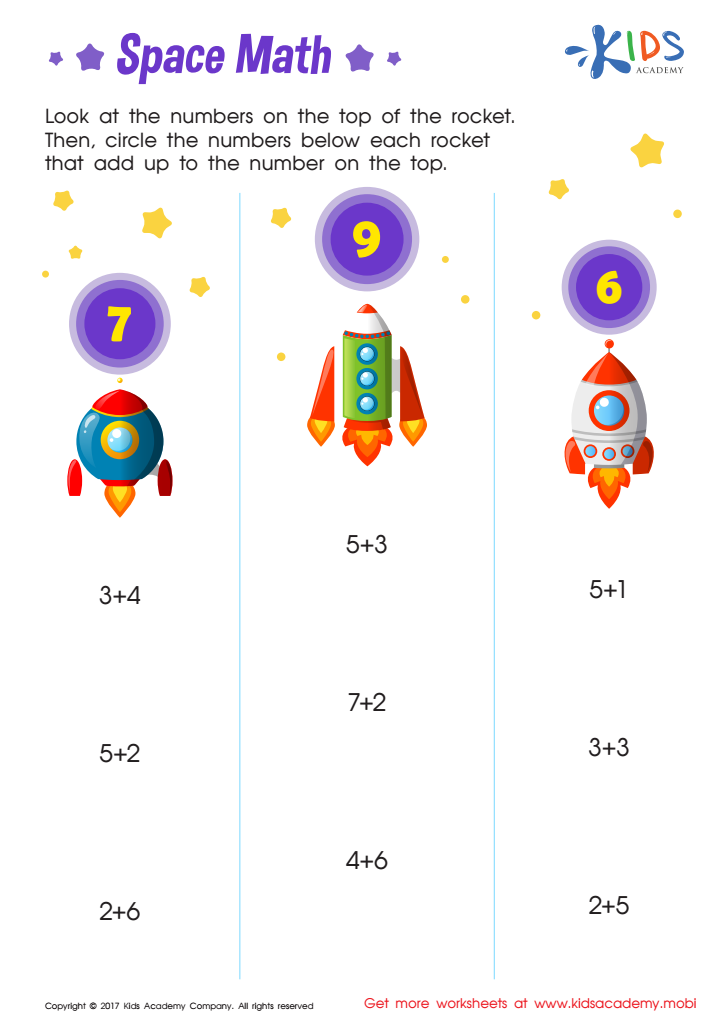
Addition: Space Math Worksheet
 Assign to My Students
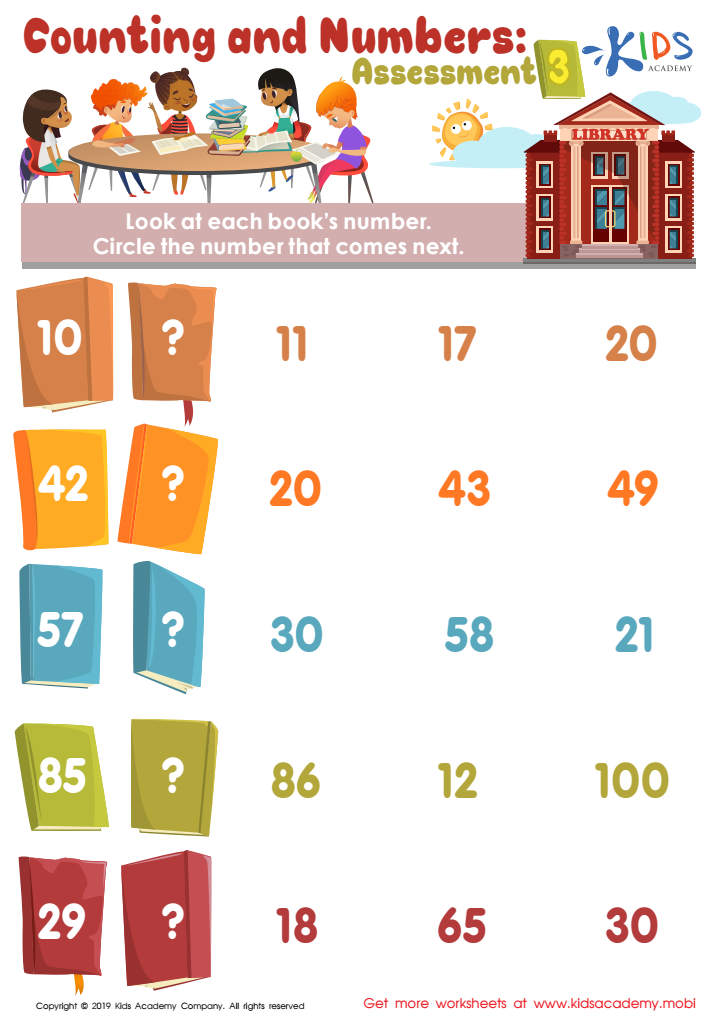
Counting and Numbers: Assessment Worksheet
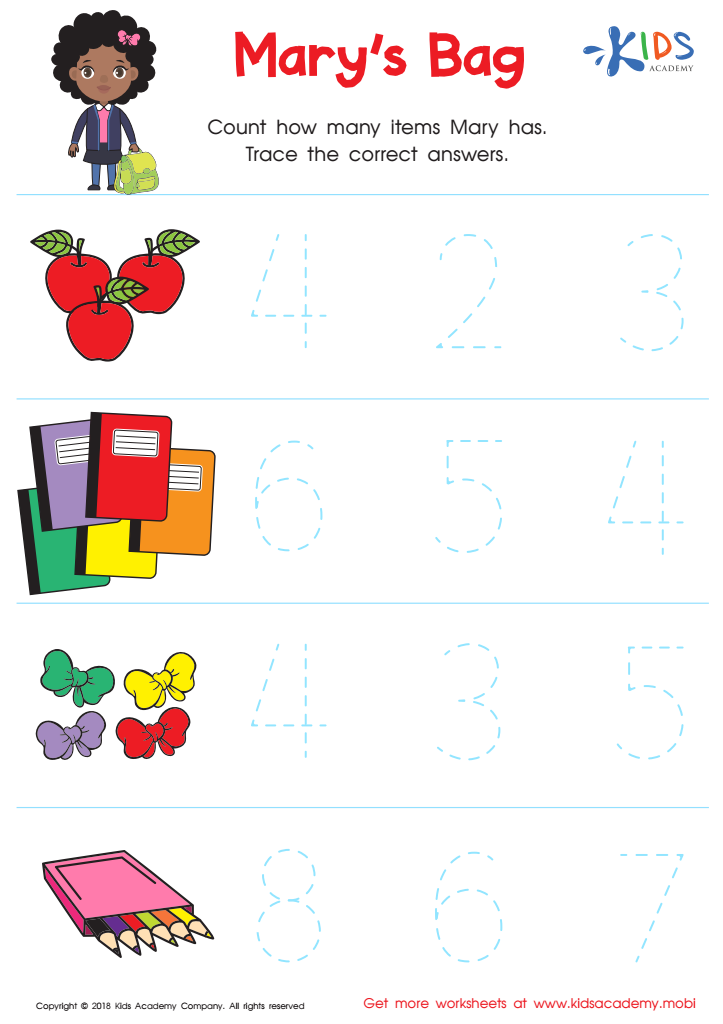
Kindergarten Number Tracing: Mary's Bag Worksheet
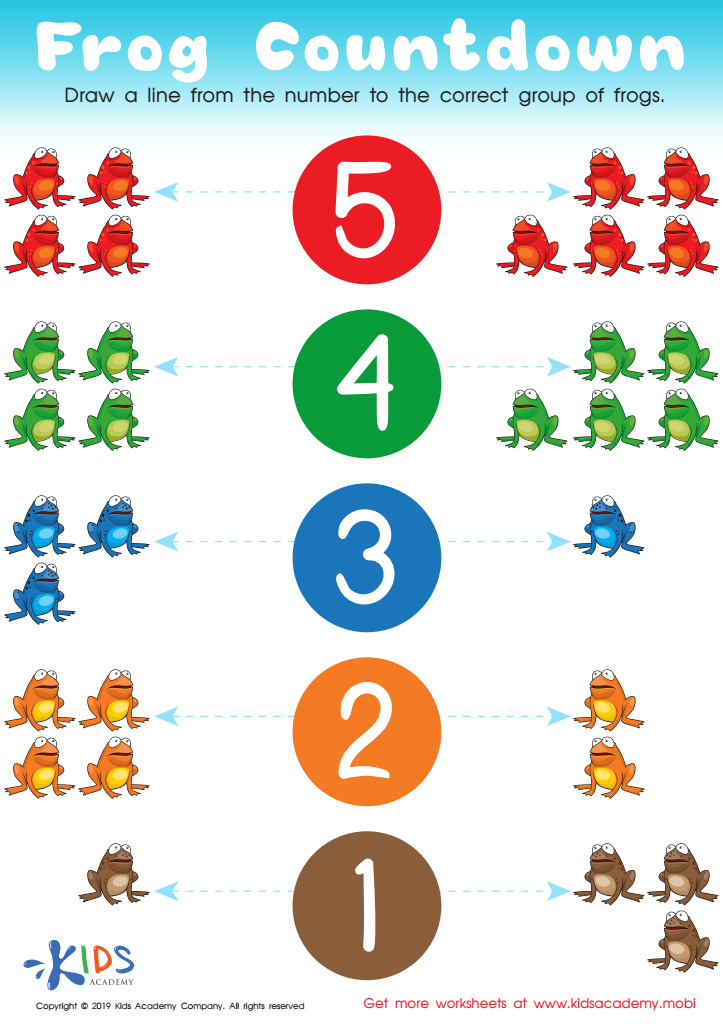
Frog Countdown Worksheet
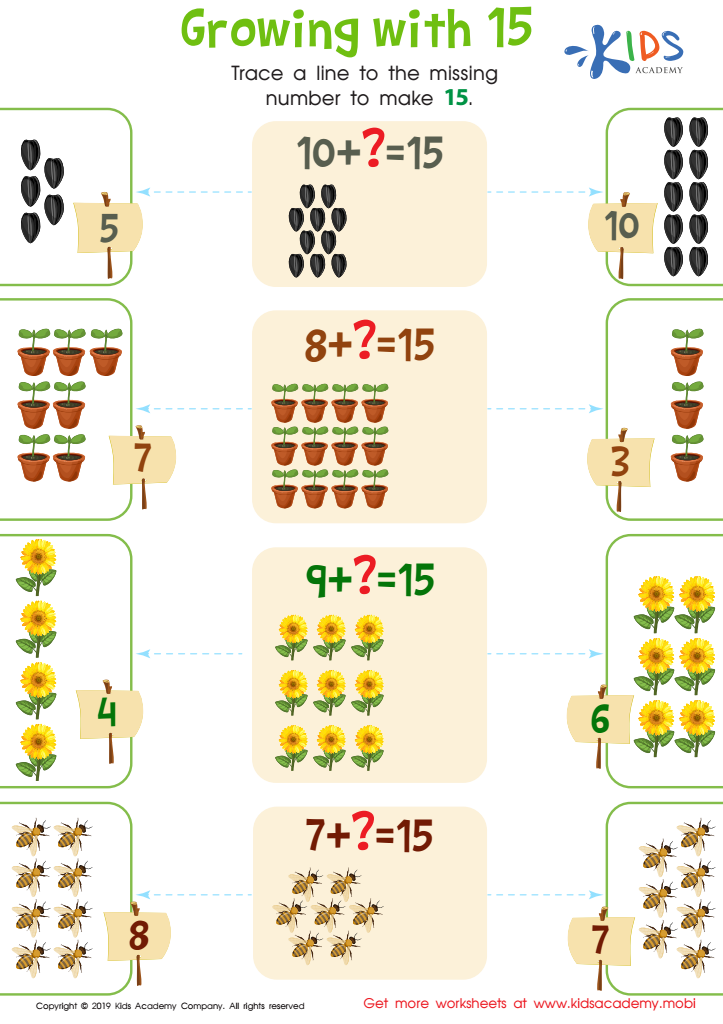
Growing with 15 Worksheet
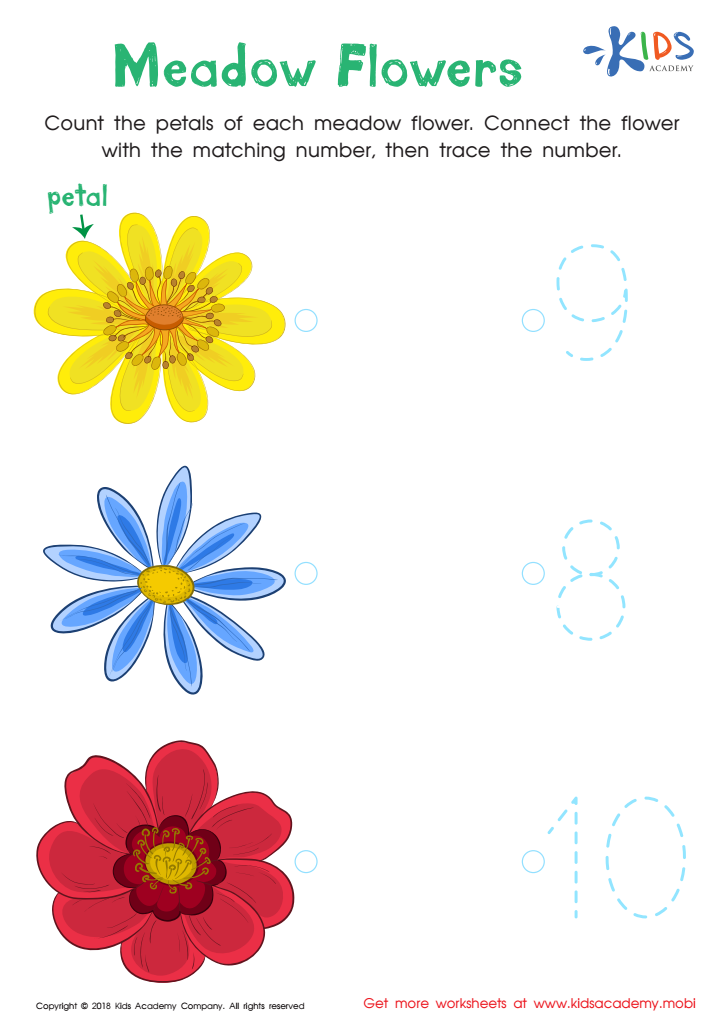
Kindergarten Number Tracing: Medow Flowers Worksheet






.jpg)
Number sequencing is a fundamental skill for young children, particularly for those aged 4-5. It serves as a building block for future mathematical understanding and is critical for developing cognitive abilities. When children can sequence numbers, they learn to recognize patterns and understand the concept of order, which enhances their problem-solving skills.
Parents and teachers should care about number sequencing because it forms the basis for more complex math concepts such as addition, subtraction, and numerical operations. Mastering number sequences helps children develop a solid foundation for their arithmetic skills, which will be essential as they progress through school.
Furthermore, early familiarity with number sequences can boost a child's confidence in math, making them more likely to engage in mathematical activities and discussions. This not only fosters a positive attitude toward learning but also mitigates future math anxiety.
By cultivating number sequencing skills, parents and teachers can prioritize early math literacy, paving the way for lifelong learning and academic success. Engaging children in these activities through games, stories, and interactive exercises can make the learning process enjoyable and effective, ensuring that children are well-prepared for future educational challenges.








