Visual discrimination skills Normal Worksheets for Ages 4-5
5 filtered results
-
From - To
Enhance your child's visual discrimination skills with our engaging and interactive worksheets designed for ages 4-5. These ready-to-use resources help young learners identify differences, similarities, and patterns through fun activities. Each worksheet is carefully crafted to promote critical thinking while making learning enjoyable. Ideal for home or classroom use, our Visual Discrimination Skills worksheets foster essential cognitive abilities that lay the foundation for lifelong learning. As children draw, color, and complete various fun tasks, they will build confidence and improve their attention to detail. Download these worksheets today and watch your little one flourish in their learning journey!
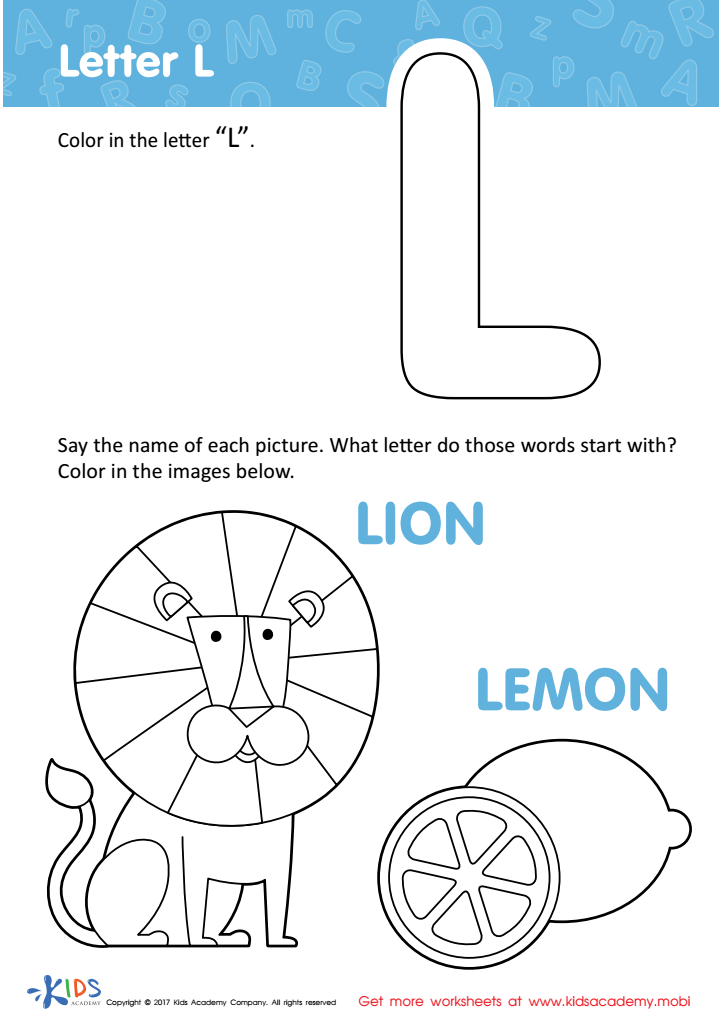
Letter L Coloring Sheet
 Assign to My Students
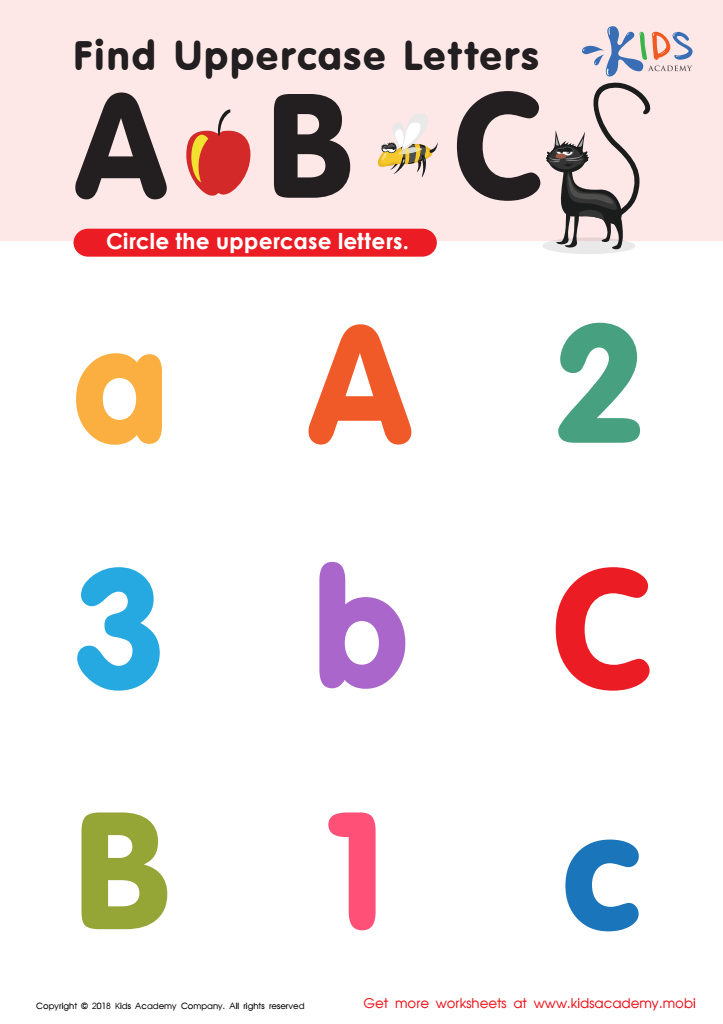
Find Uppercase Letters A, B, and C Worksheet
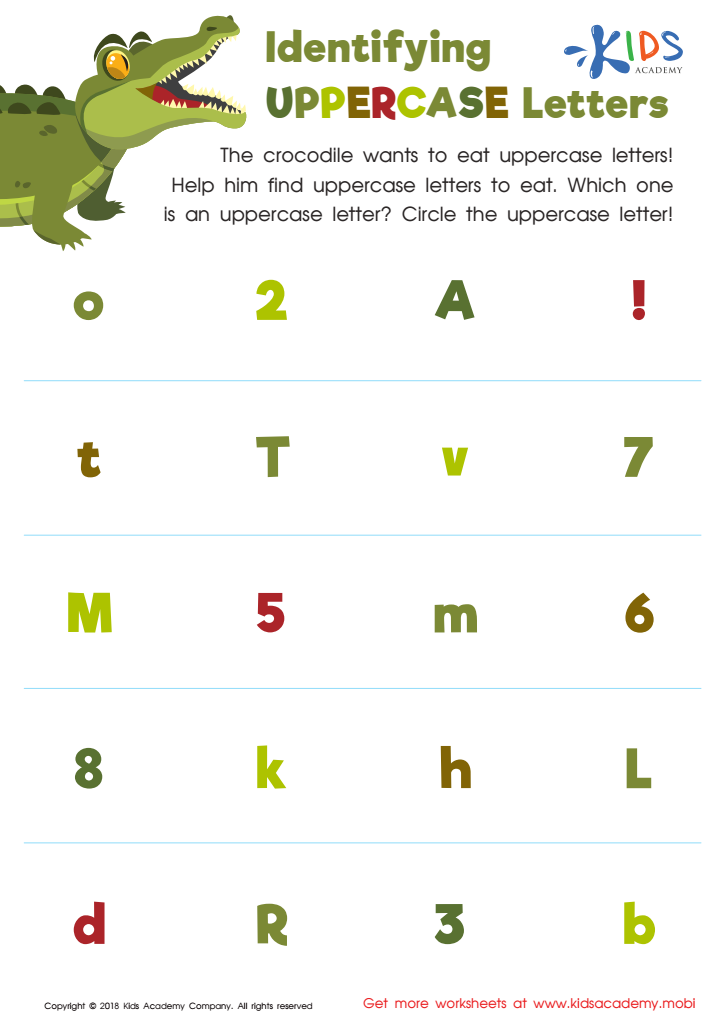
Identifying Uppercase Letters Worksheet
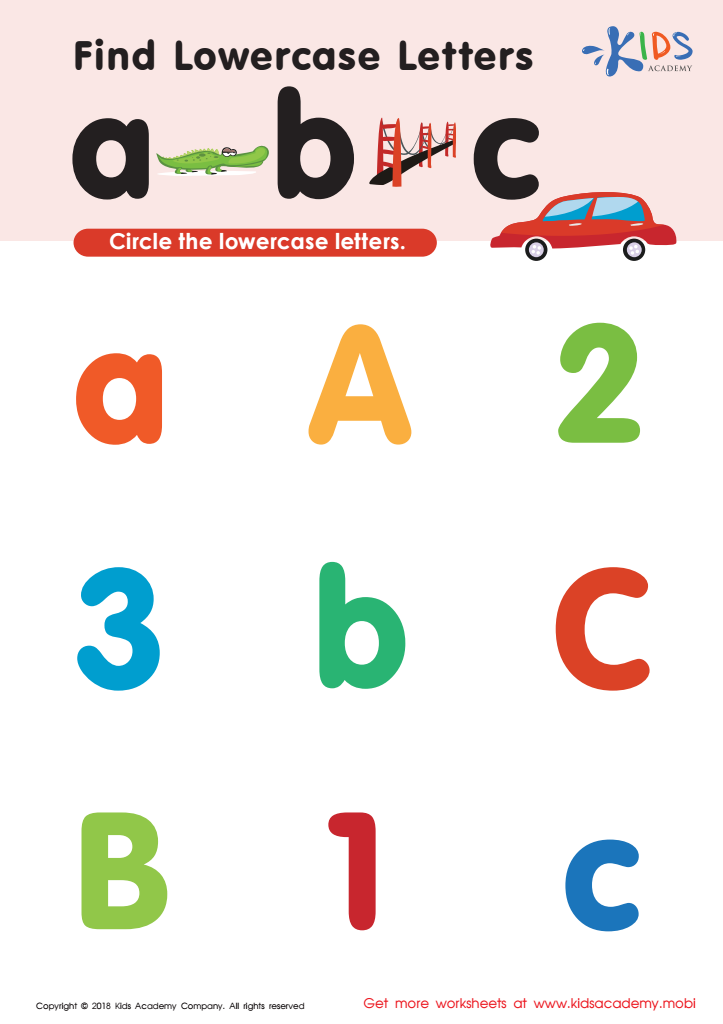
Find lowercase letters a b c Worksheet
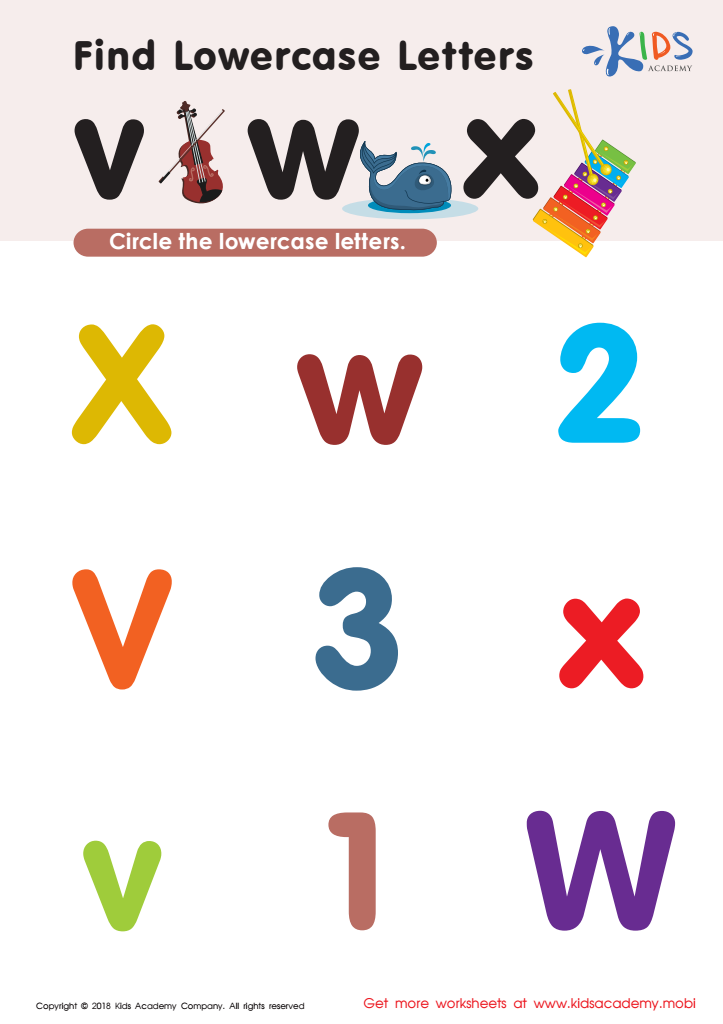
Find Lowercase Letters v w x Worksheet






.jpg)

Visual discrimination skills are vital for children ages 4-5 as they form the foundation for numerous developmental areas. These skills enable kids to differentiate between shapes, colors, sizes, and patterns, which are crucial for academic success, particularly in early literacy and mathematics. When children can recognize and distinguish information visually, they are better equipped to identify letters and numbers, an essential precursor to reading and writing.
Additionally, visual discrimination plays a significant role in a child’s social interactions and everyday skills. It helps them notice differences in objects or understand directions in games and activities. Developing these skills can enhance their problem-solving abilities and cognitive functions.
For parents and teachers, fostering visual discrimination can also lead to increased confidence and independence in young learners. Activities that engage these skills, like puzzles, matching games, and sorting tasks, not only make learning enjoyable but also strengthen attention and focus.
Overall, investing time in developing visual discrimination skills in preschoolers will reap benefits that extend well beyond the classroom, establishing a solid basis for future learning and life skills. This makes it crucial for both parents and teachers to pay attention to and nurture this aspect of early childhood development.








