Number Recognition Normal Addition Facts Worksheets for Ages 4-5
3 filtered results
-
From - To
Boost your child's math skills with our Number Recognition Normal Addition Facts Worksheets for Ages 4-5! Designed to make learning fun and engaging, these printable worksheets focus on essential number recognition and addition concepts. Young learners will enjoy a variety of exercises that build a strong foundation in mathematics through colorful activities and clear illustrations. These worksheets not only enhance counting and number identification but also introduce simple addition facts in an accessible way. Perfect for preschool and kindergarten students, our resources are ideal for classroom or home learning. Start your child's math journey today and watch them thrive!
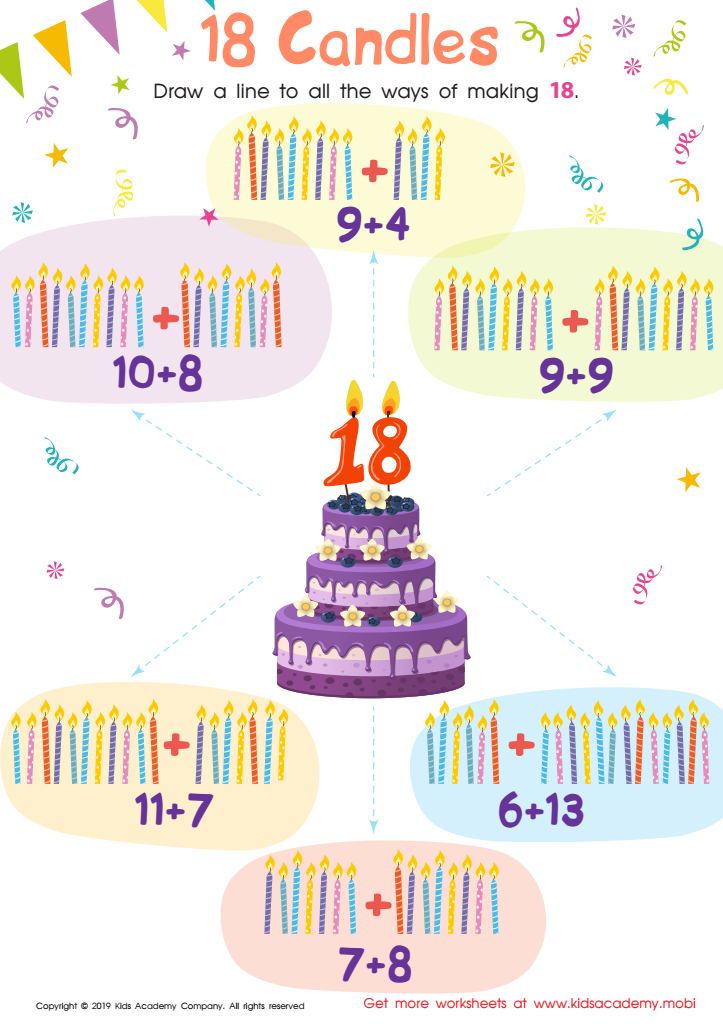
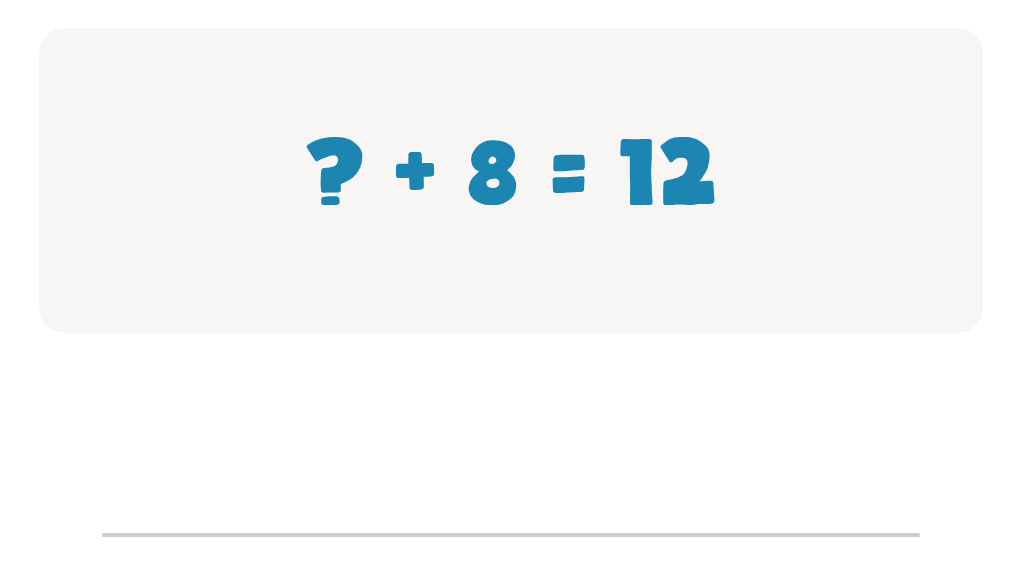
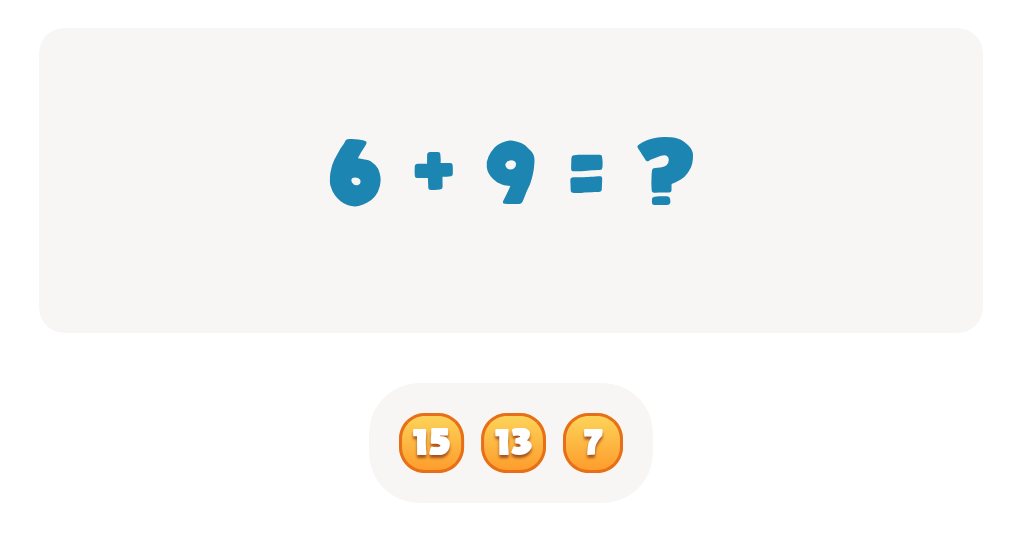
18 Candles Worksheet
 Assign to My Students
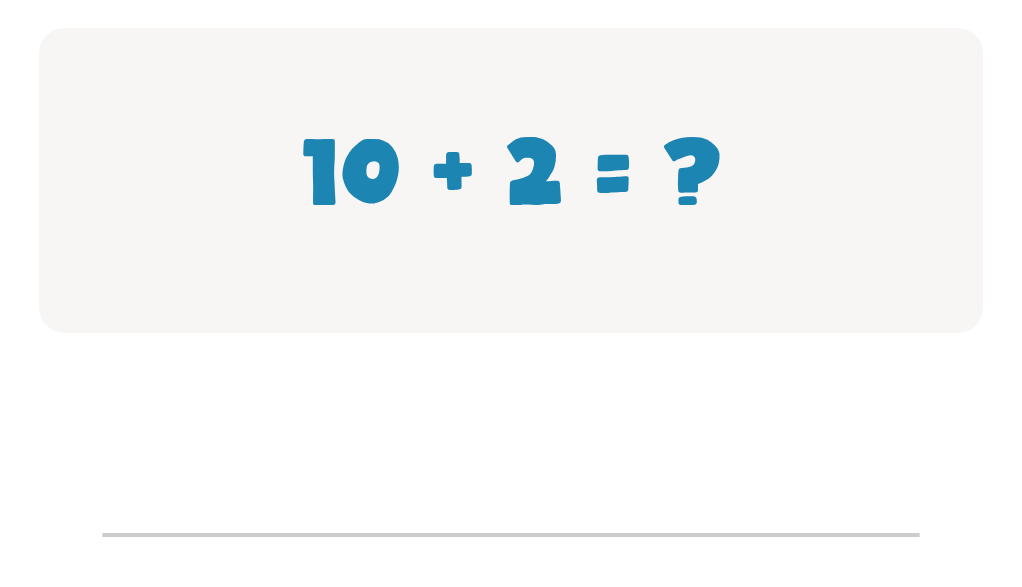

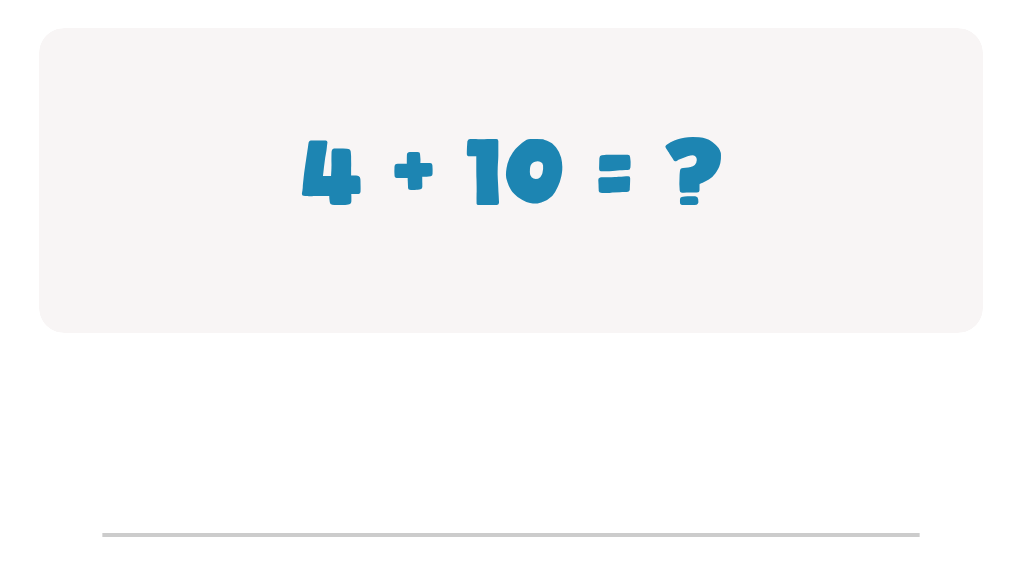
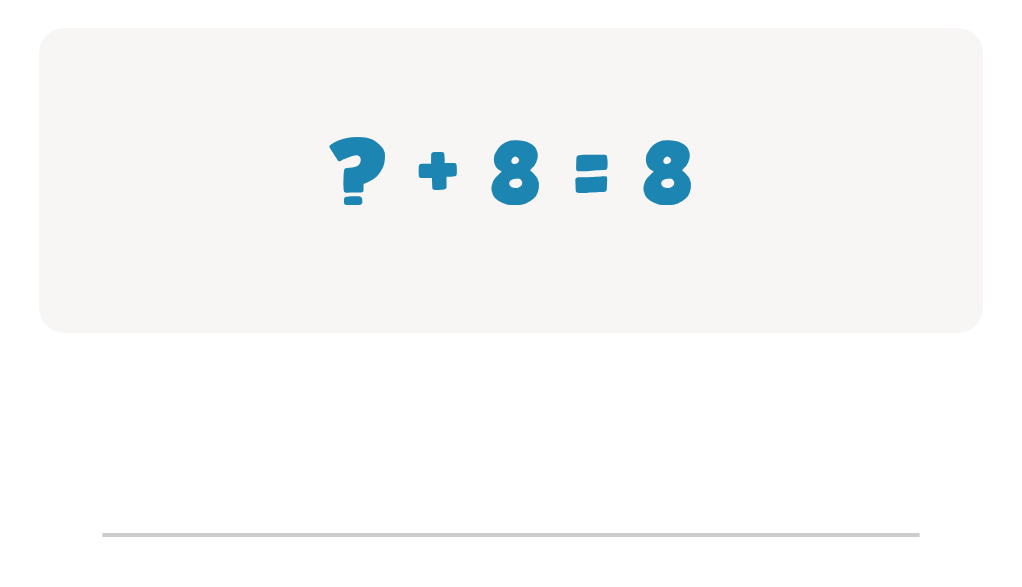

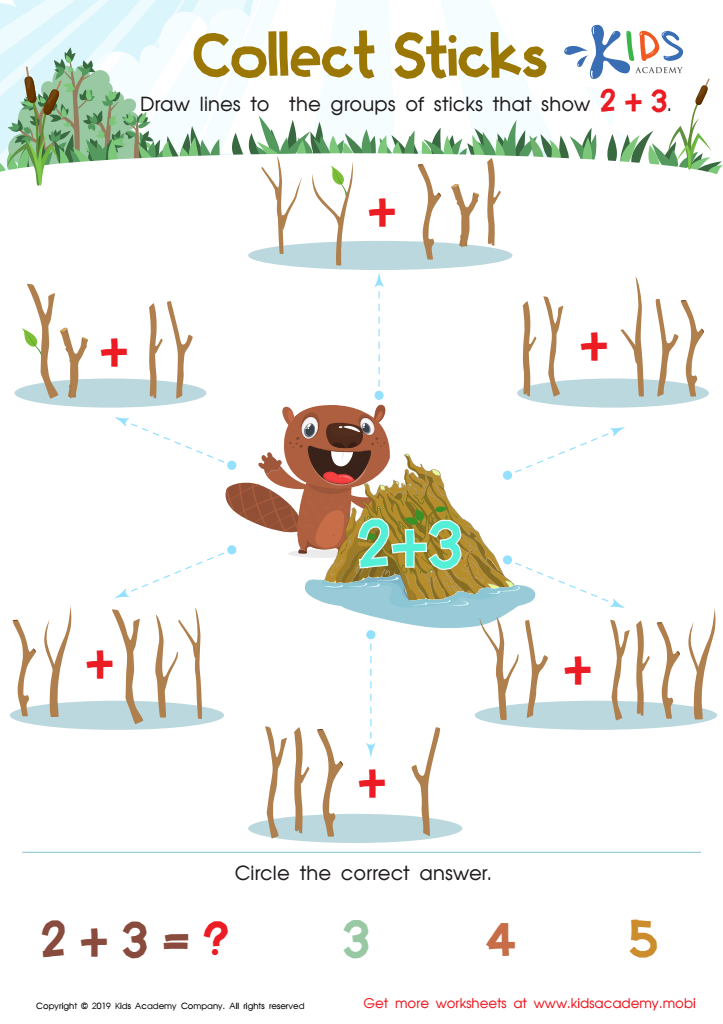
Collect Sticks Worksheet
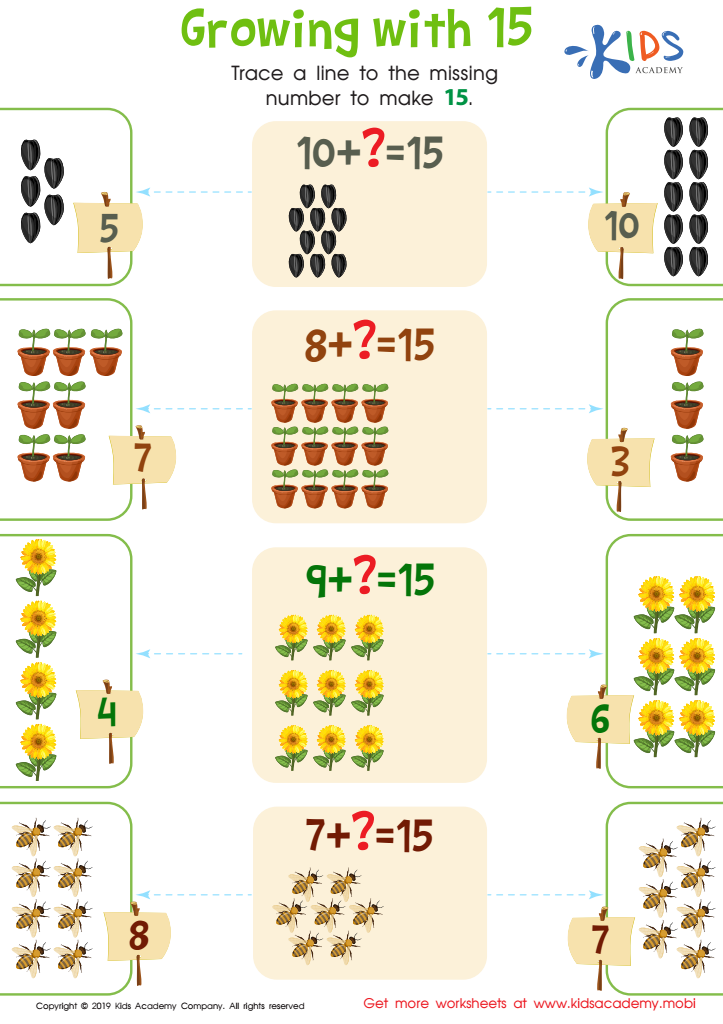
Growing with 15 Worksheet








Number recognition and basic addition facts are foundational skills crucial for young children's mathematical development. For children aged 4-5, these early concepts set the stage for their future academic success. When parents and teachers focus on number recognition, they help children identify numbers and understand their significance in everyday contexts, such as counting objects, recognizing prices, or telling time. This early awareness of numbers boosts confidence and encourages further exploration of mathematics.
Normal addition facts, or the basic sums that children are expected to learn, serve as a springboard for more complicated mathematical operations. Mastering these facts enables children to solve problems efficiently and form a solid understanding of mathematical concepts. It lays the groundwork for their understanding of more complex topics, such as subtraction, multiplication, and division.
Furthermore, engaging in number recognition and basic addition with young learners not only enhances cognitive skills but also fosters a positive attitude towards math. When parents and teachers prioritize these skills, they create a supportive environment that encourages curiosity and enjoyment in learning. This foundational mastery ultimately equips children with skills that extend beyond the classroom, helping to shape their analytical thinking and problem-solving abilities in the future.








