Number Recognition Normal Counting Worksheets for Ages 4-5
6 filtered results
-
From - To
Boost your child's number recognition skills with our engaging Number Recognition Normal Counting Worksheets, specially designed for ages 4-5. These fun and interactive worksheets help young learners identify and understand numbers through a variety of exercises. With colorful illustrations and age-appropriate challenges, children will enjoy practicing their counting skills while reinforcing their number knowledge. Each worksheet aims to foster a love for learning, making it easier for educators and parents to track progress. Perfect for home or school settings, our resources support early math development, ensuring your little one is ready for future academic success. Discover the joy of counting today!
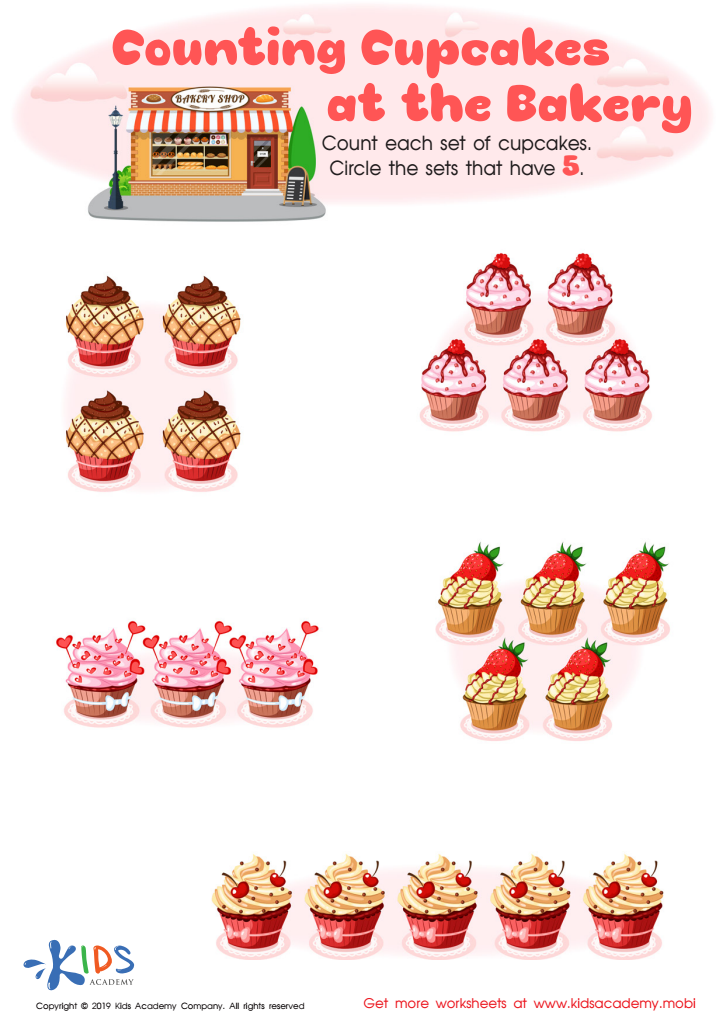
Counting Cupcakes Worksheet
 Assign to My Students


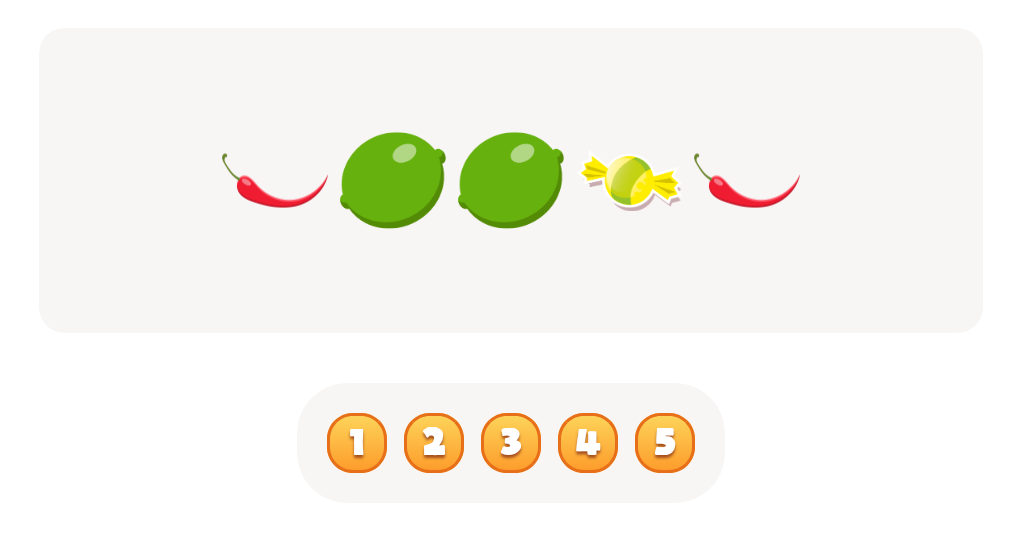
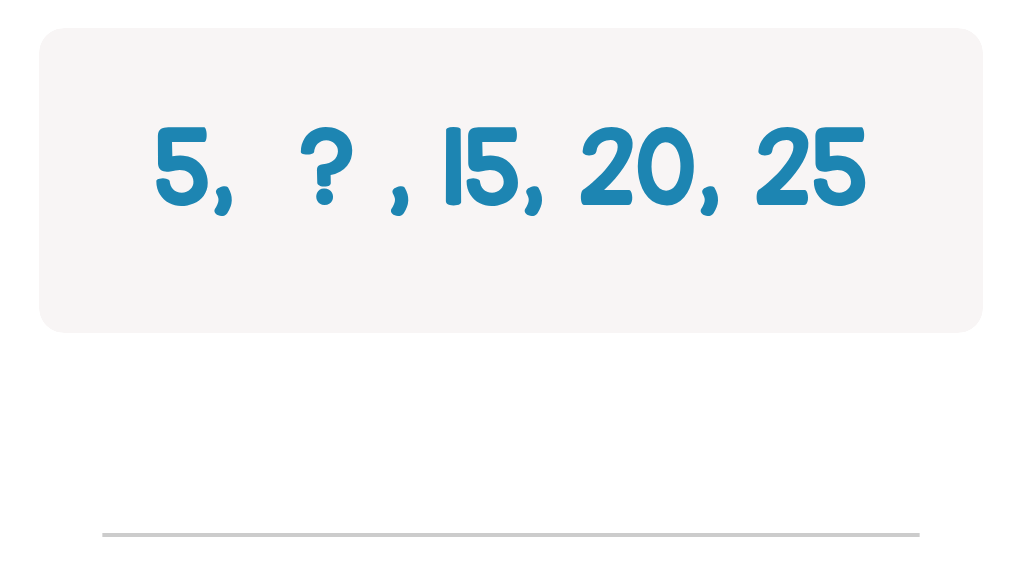
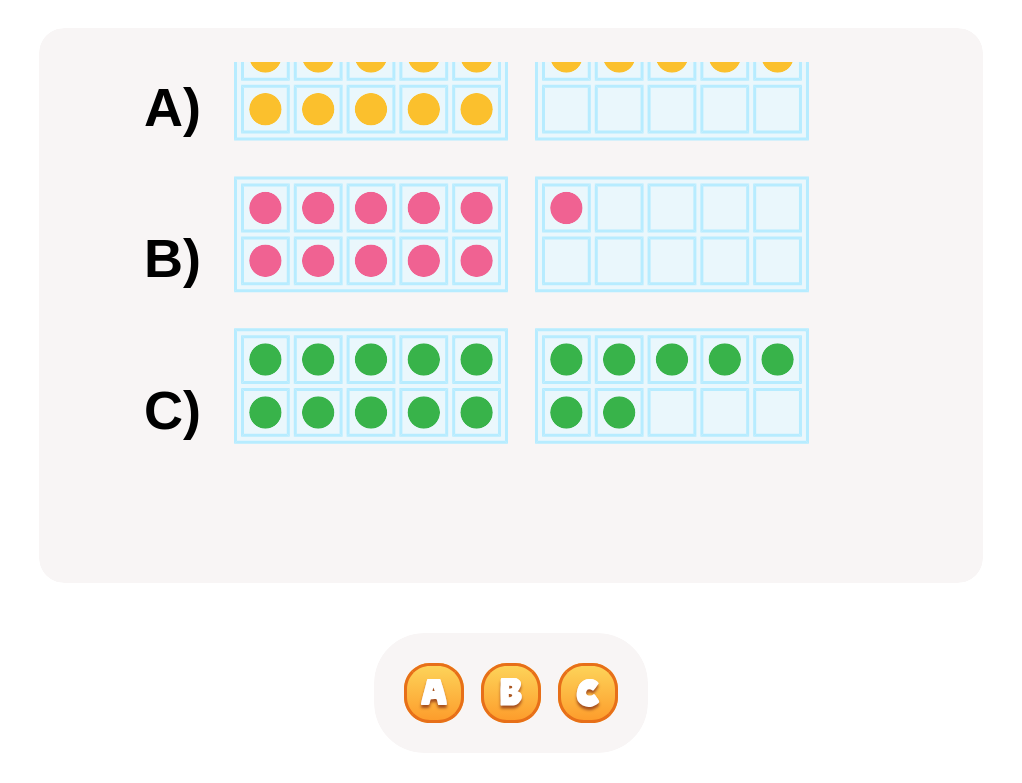
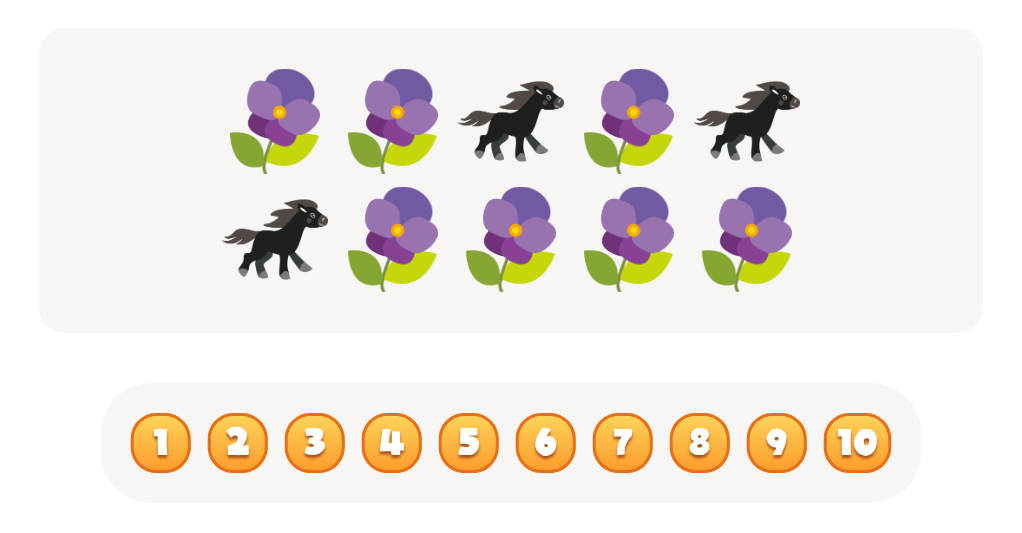
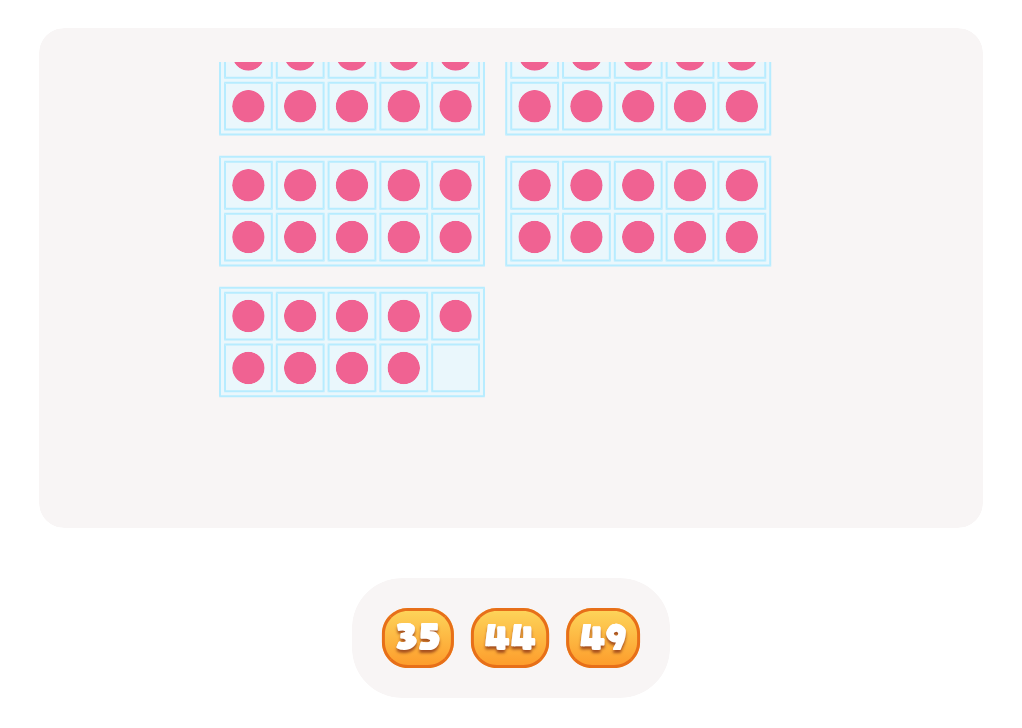
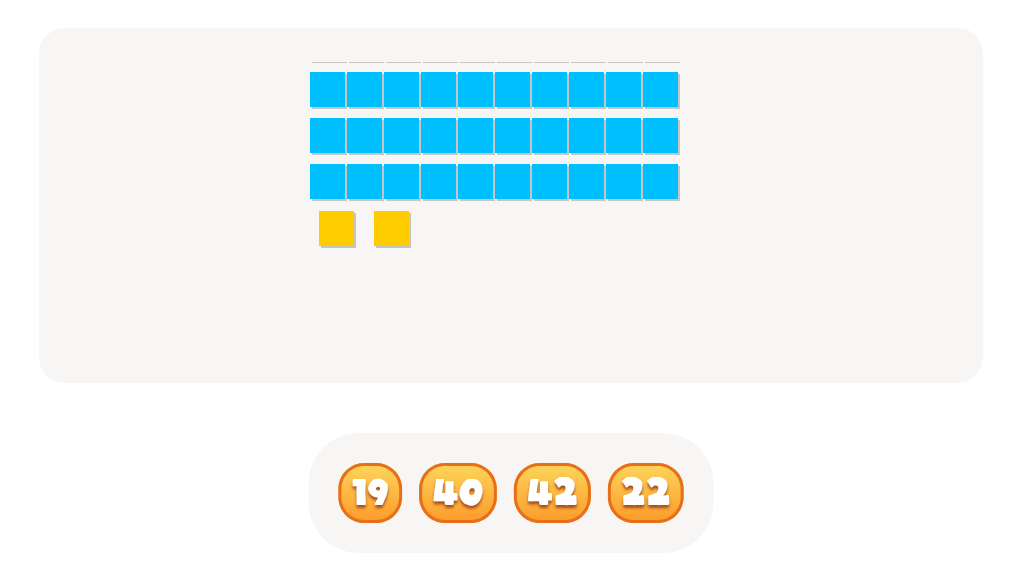

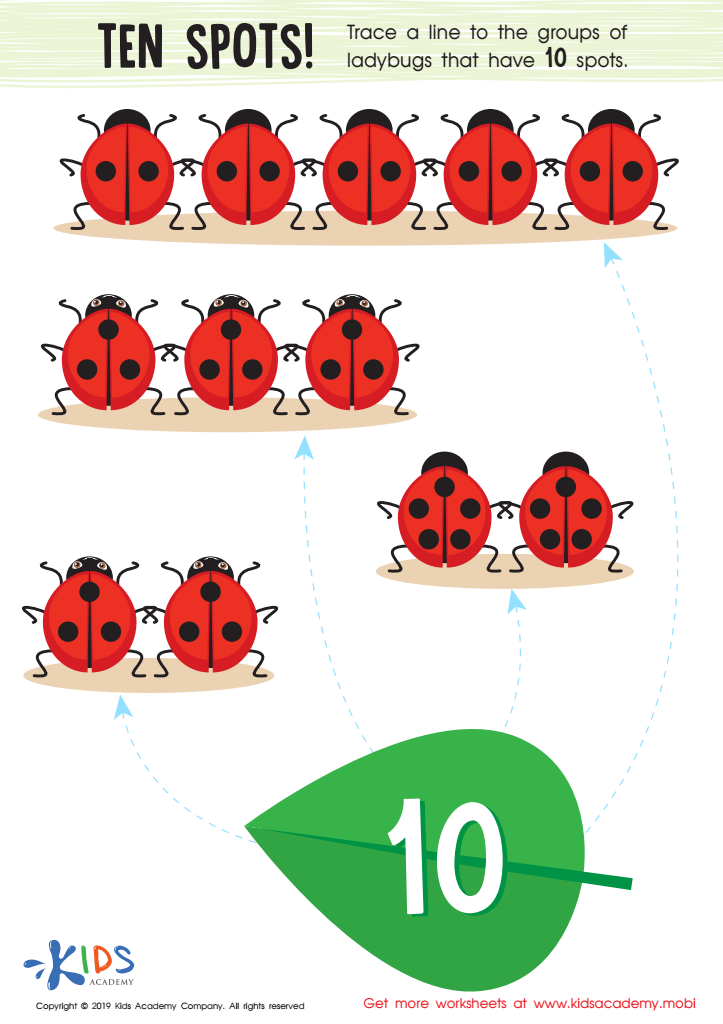
Ten Spots Worksheet
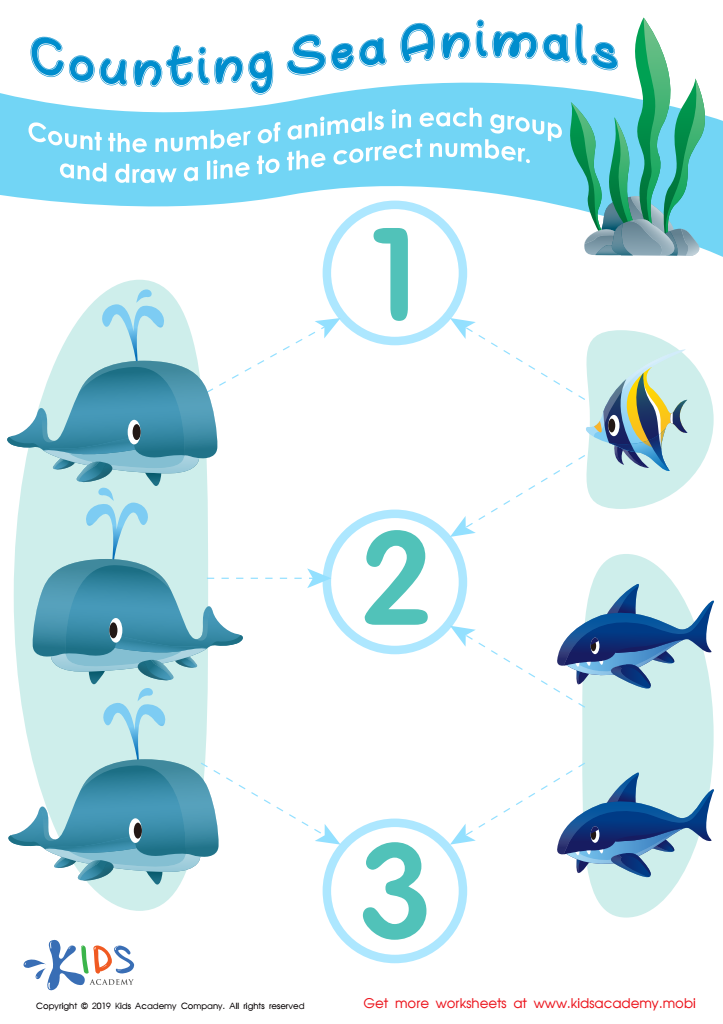
Counting Sea Animals Worksheet
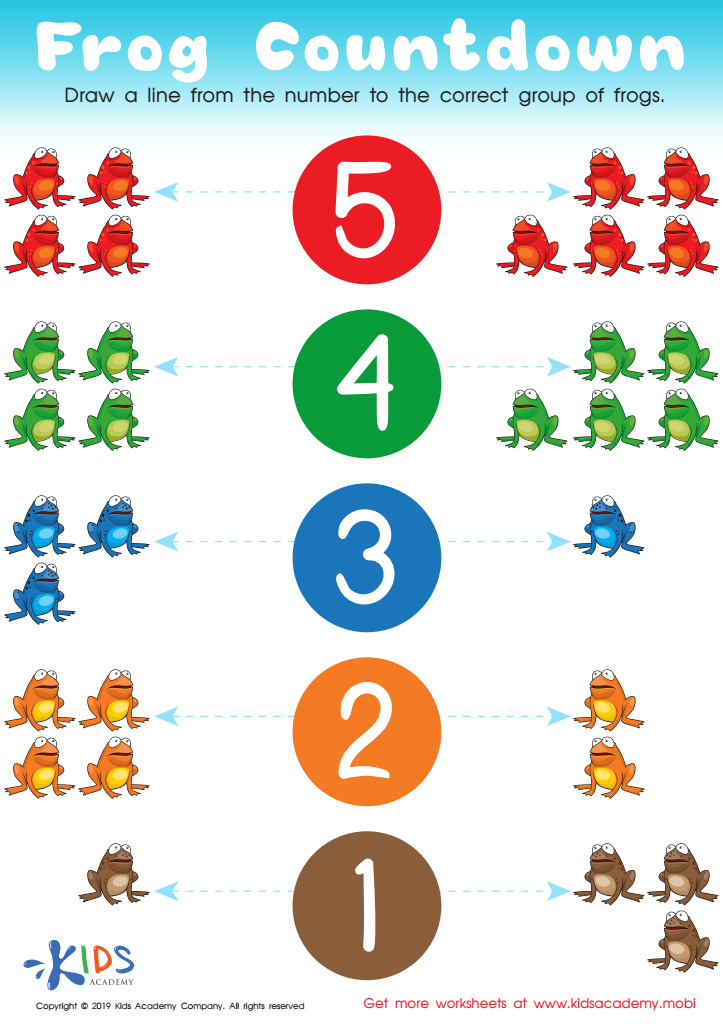
Frog Countdown Worksheet
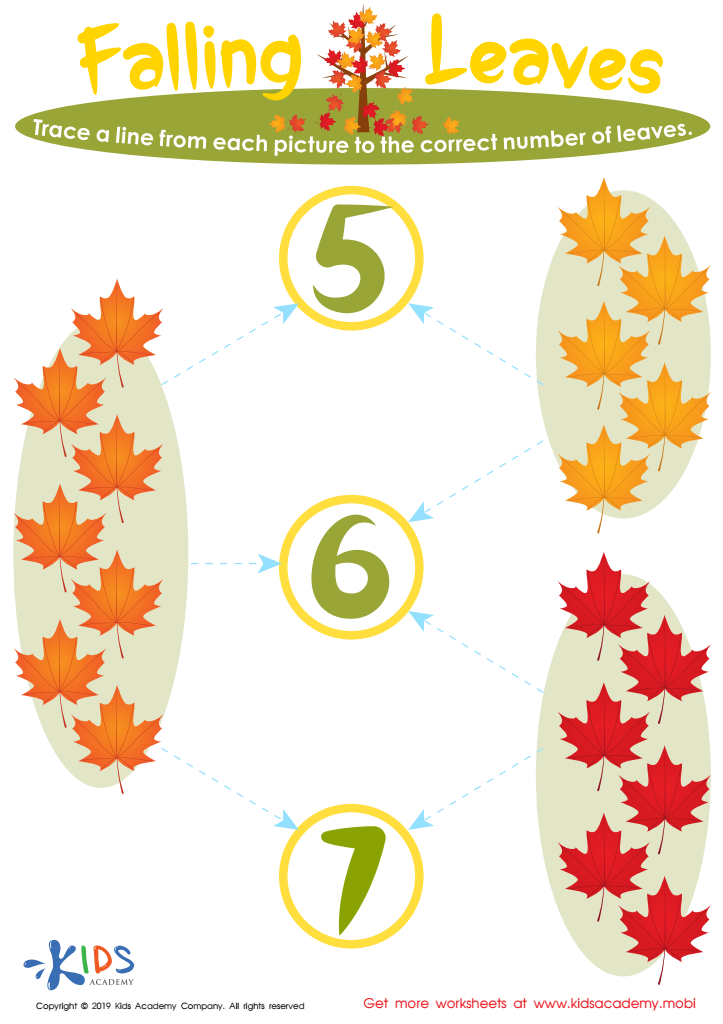
Falling Leaves Worksheet
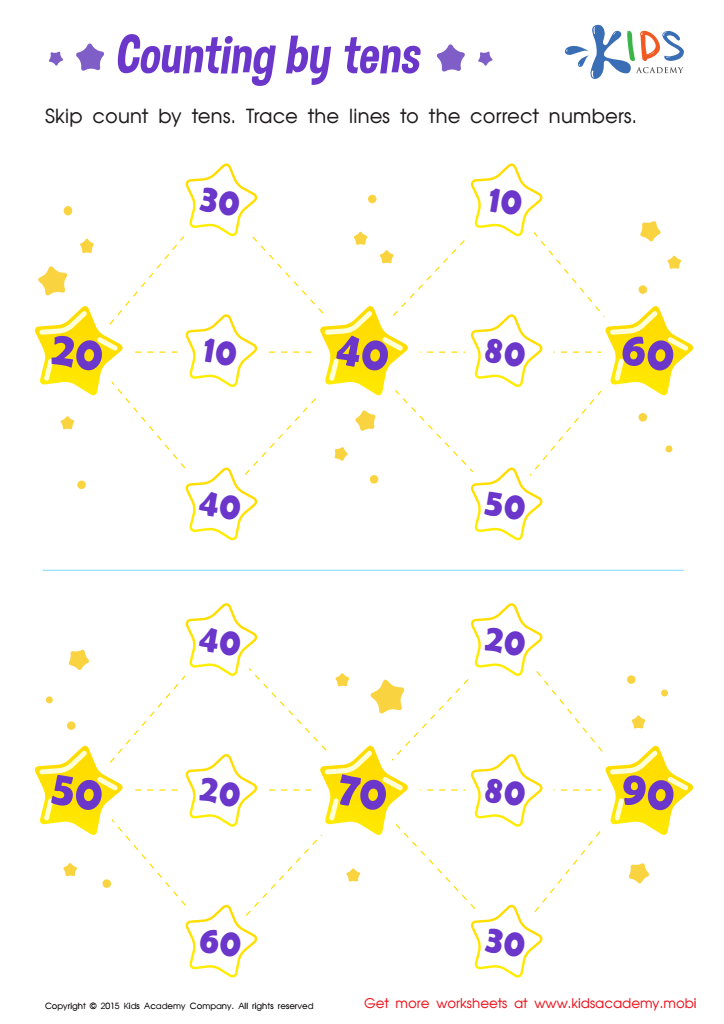
Learn Dozens: Counting by Tens Printable







Number recognition and normal counting are foundational skills that lay the groundwork for children's future mathematical understanding. For parents and teachers of children aged 4-5, supporting these skills is crucial for several reasons.
Firstly, number recognition enables children to identify digits and understand their significance in everyday life, from recognizing prices to understanding the concept of age. When children can recognize numbers, they can develop an intrinsic interest in learning math, fostering a positive attitude toward the subject.
Moreover, normal counting builds a child’s ability to quantify and compare objects, which is vital for cognitive development. This skill helps in everyday situations, such as counting toys, sharing snacks, or conducting simple measurements, facilitating their practical and social experiences.
Additionally, early mastery of these skills contributes to future academic success. Research shows that children with strong early numeracy skills are more likely to excel in mathematics later on. In this digital age, where STEM (Science, Technology, Engineering, Mathematics) skills are increasingly necessary, early math proficiency becomes even more critical.
By nurturing number recognition and counting skills, parents and teachers provide children with the tools needed not only for success in school but also for their lifelong problem-solving abilities.








