Visual discrimination Normal Math Worksheets for Ages 4-5
8 filtered results
-
From - To
Enhance your child's mathematical skills with our Visual Discrimination Normal Math Worksheets designed for ages 4-5! These engaging activities help young learners distinguish differences in shapes, sizes, and patterns, vital for early math proficiency. As children practice identifying and comparing various visual elements, they develop essential skills such as attention to detail, analytical thinking, and problem-solving. Each worksheet is thoughtfully crafted to be both fun and educational, making learning an enjoyable experience. Perfect for daily practice, our worksheets aim to build a strong foundation in math while honing visual discrimination abilities. Download today and watch your child's confidence grow!
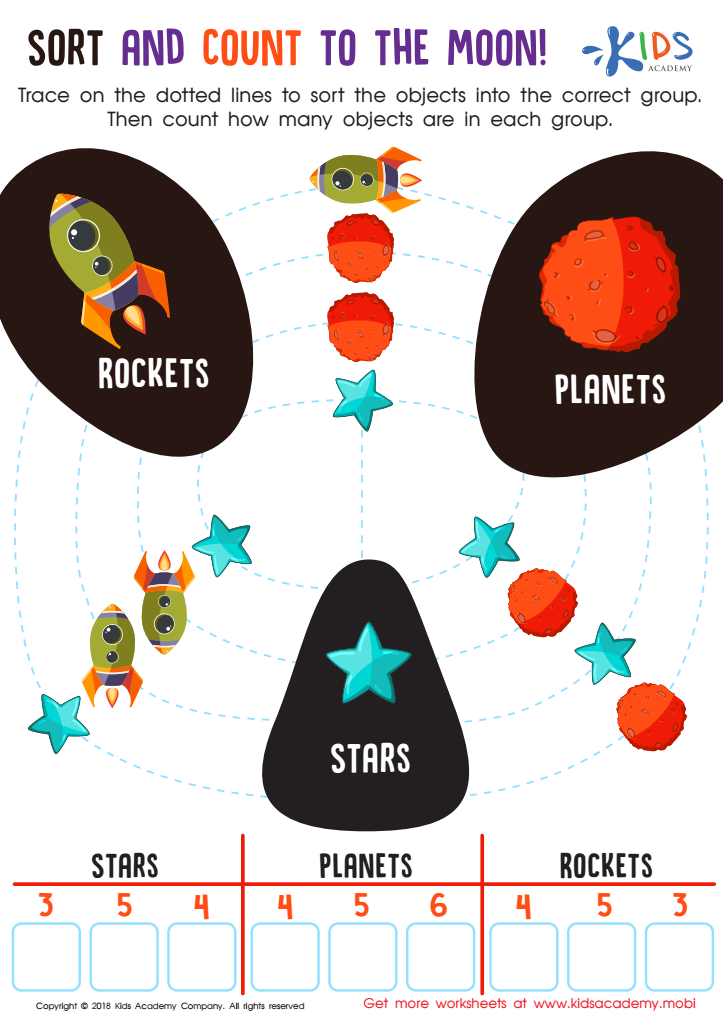
Sort and Count to the Moon Worksheet
 Assign to My Students
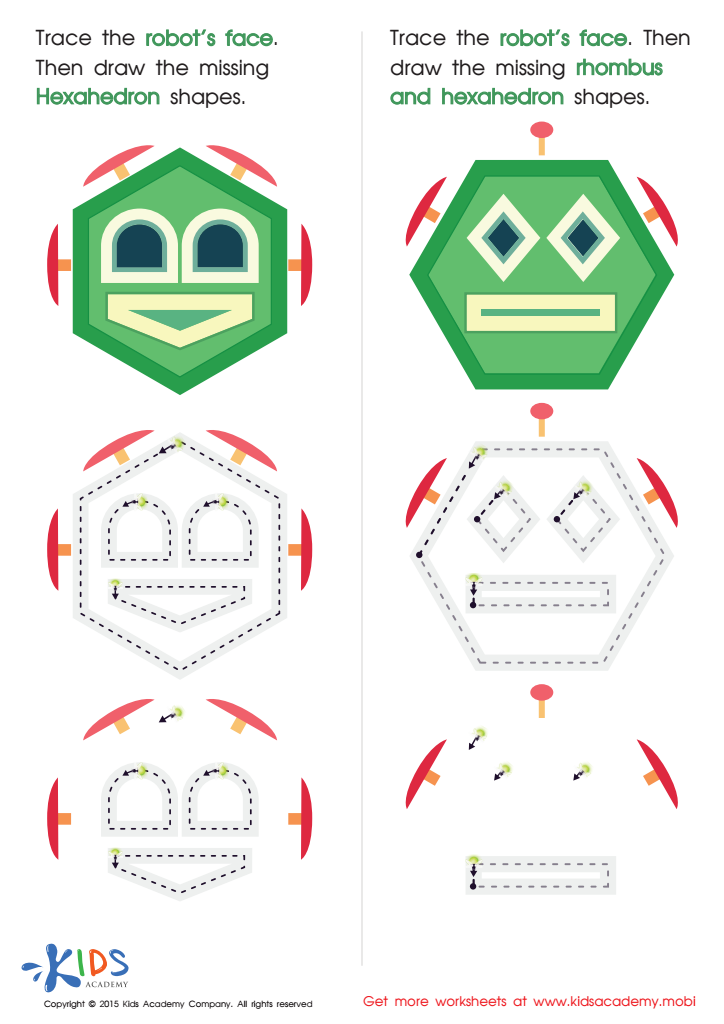
Practice Drawing Hexahedrons And a Rhombus Worksheet
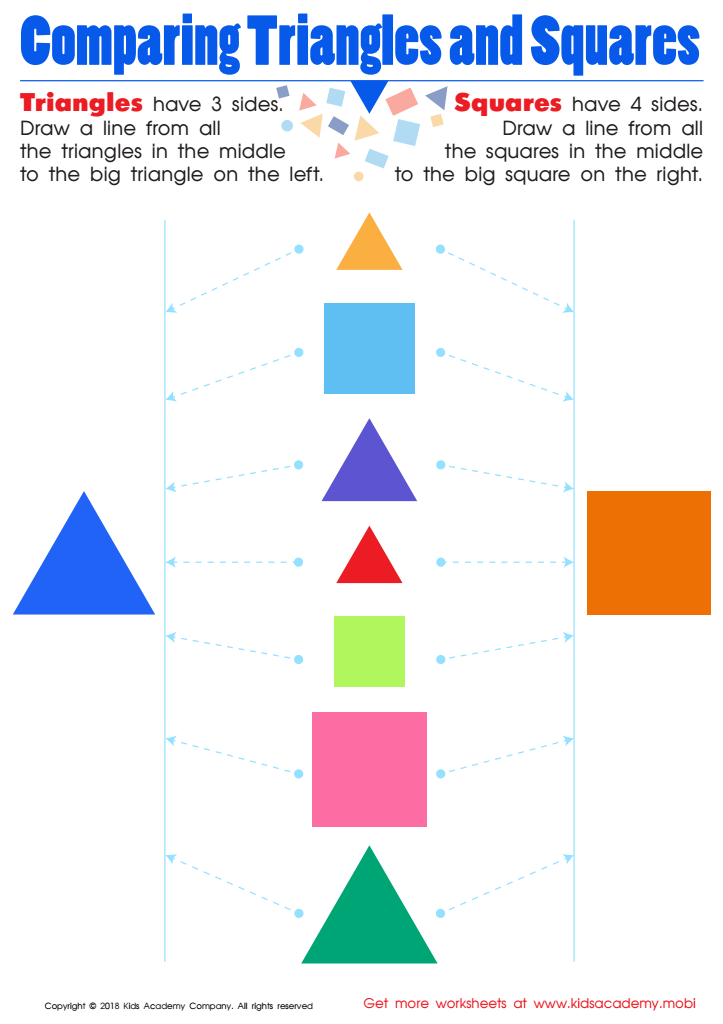
Comparing Triangles Squares Worksheet
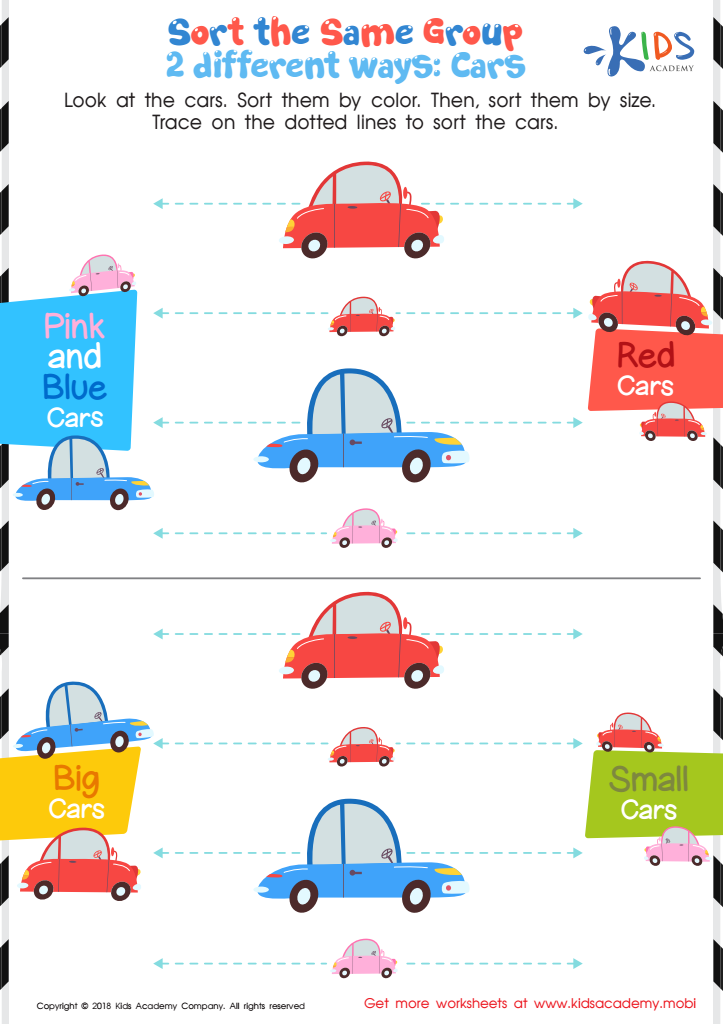
Sort the Same Group 2 Different Ways: Cars Worksheet
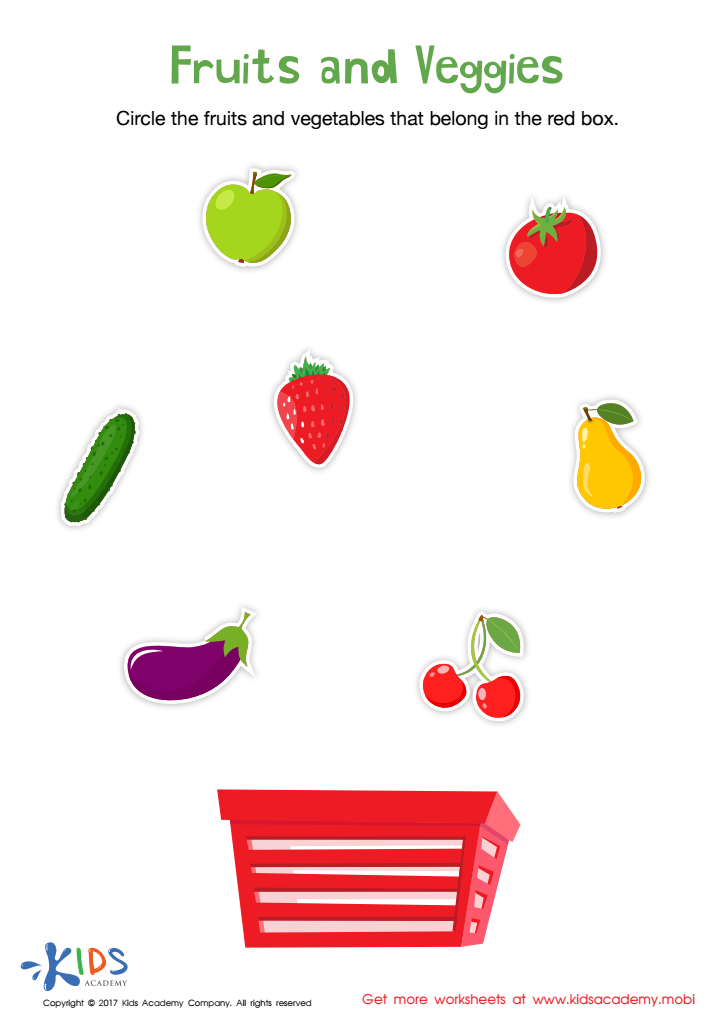
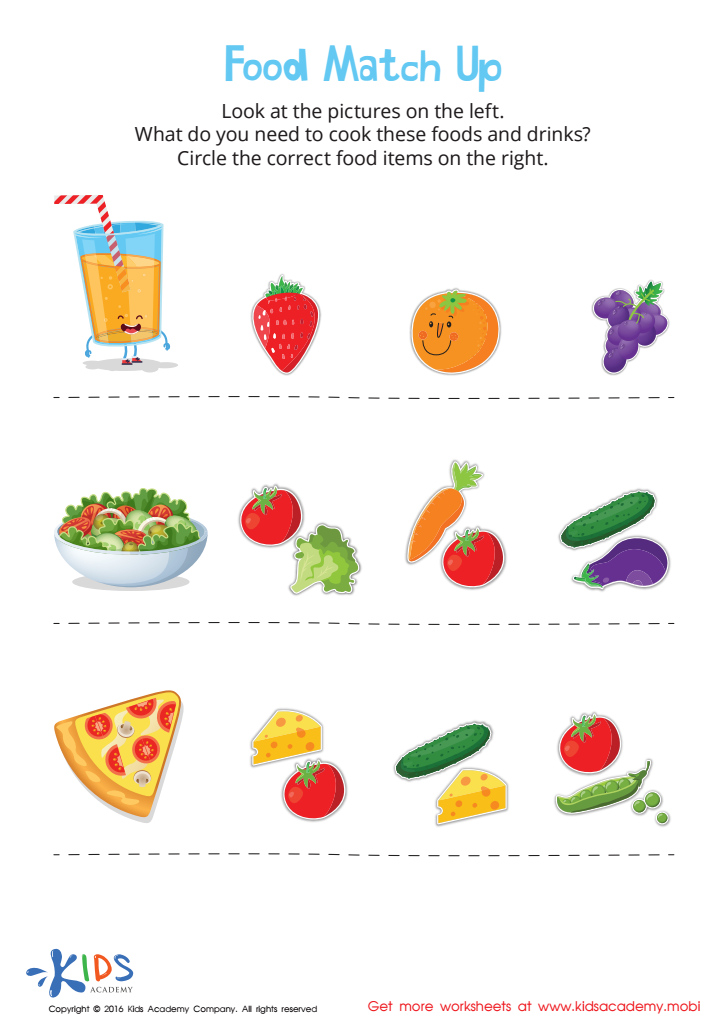
Food Match Up Worksheet
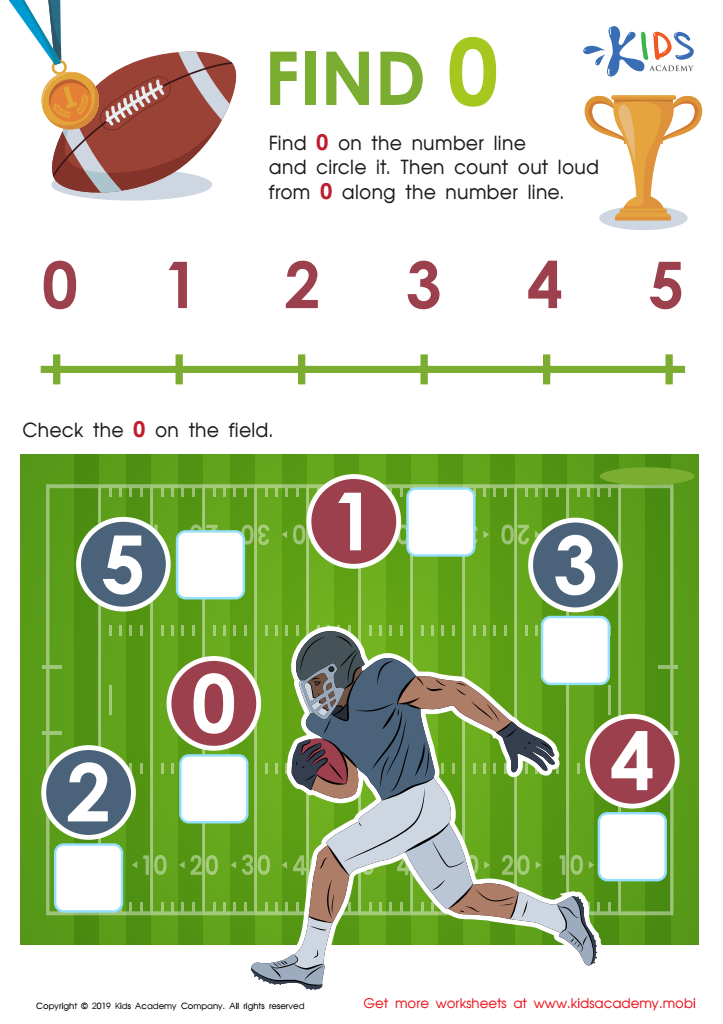
Find 0 Worksheet
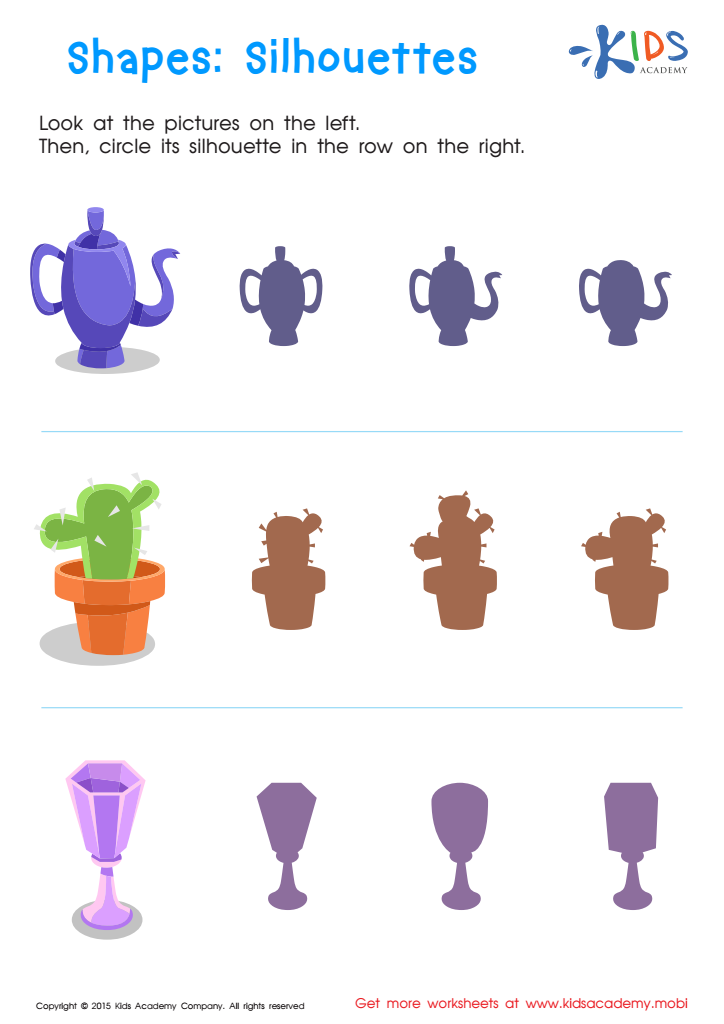
Silhouettes – Shapes Worksheet







.jpg)
Visual discrimination is a crucial skill for children aged 4-5 as it forms the foundation for future learning, particularly in reading and math. For parents and teachers, nurturing this ability is essential to support their child's development.
Visual discrimination in terms of math involves recognizing differences and similarities among shapes, sizes, patterns, and numbers. This skill enables children to distinguish between numbers and symbols, which is foundational for understanding and performing basic math operations. For instance, a child should be able to distinguish between shapes like circles and squares, and between numbers like 6 and 9.
When children refine their visual discrimination skills, they begin to understand numerical relationships and patterns, aiding in tasks such as sorting objects, identifying shapes, and composing simple puzzles. These activities enhance cognitive development and are stepping stones to more complex math concepts like addition and subtraction.
Moreover, effective visual discrimination fosters better problem-solving skills and boosts confidence. In classroom settings, children with strong visual discrimination can follow instructions more accurately and participate more actively in group activities. For parents, engaging in visual discrimination games and activities at home can create a supportive and enriching learning environment.
Thus, prioritizing visual discrimination practice for children aged 4-5 is an investment in their academic journey, ensuring they develop the necessary skills to excel in math and beyond.








