Analytical skills Normal Building Vocabulary Worksheets for Ages 4-5
4 filtered results
-
From - To
Empower your child's vocabulary development with our Analytical Skills Normal Building Vocabulary Worksheets for ages 4-5. Specifically designed to enhance young learners' language abilities, these worksheets offer engaging and fun activities to foster analytical thinking. Children will expand their word knowledge, improve comprehension, and cultivate critical thinking by exploring a variety of age-appropriate topics and challenges. These expertly crafted resources provide the perfect blend of education and entertainment, ensuring your child builds a strong vocabulary foundation. Unlock their potential today with our comprehensive and interactive worksheets tailored to eager young minds.
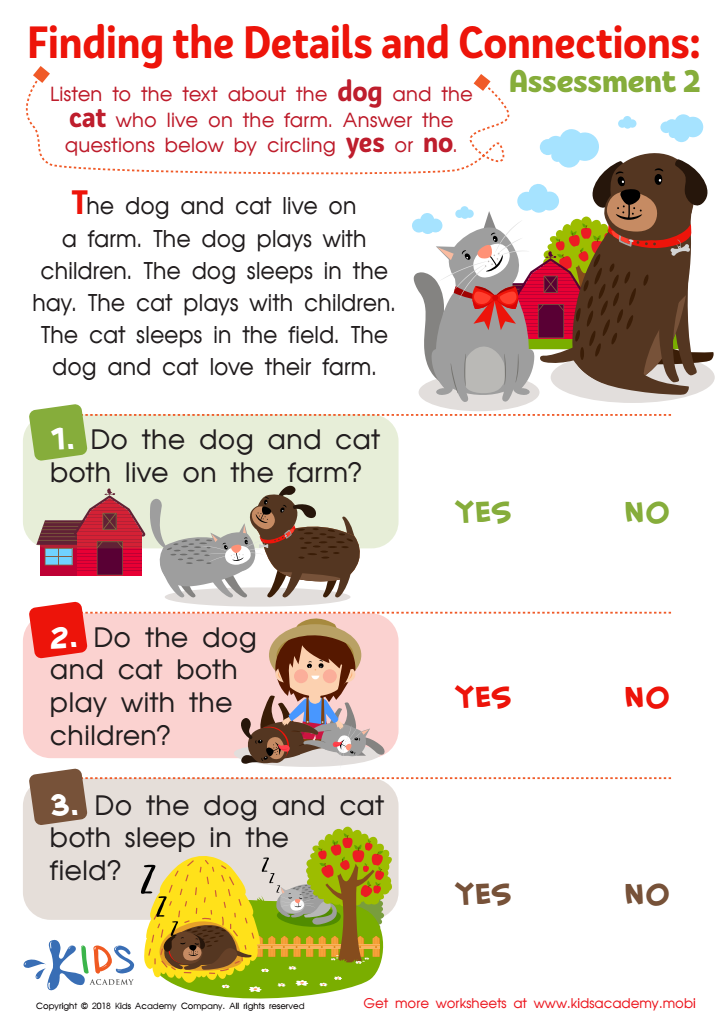
Finding the Details and Connections: Assessment 2 Worksheet
 Assign to My Students











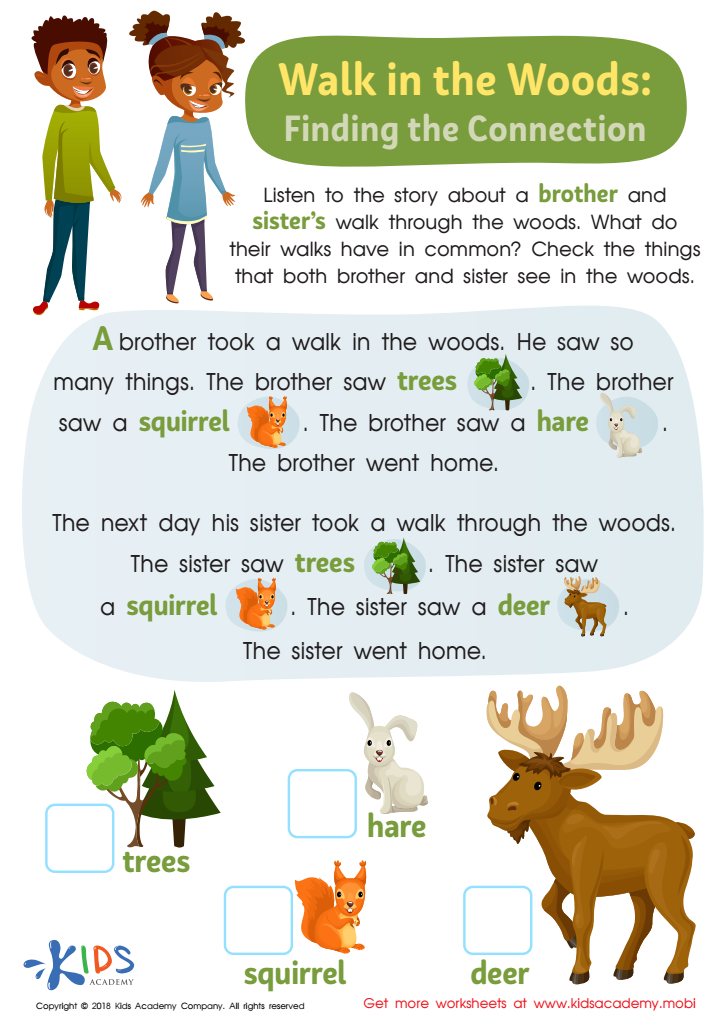
Walk In the Woods: Finding Connections Worksheet
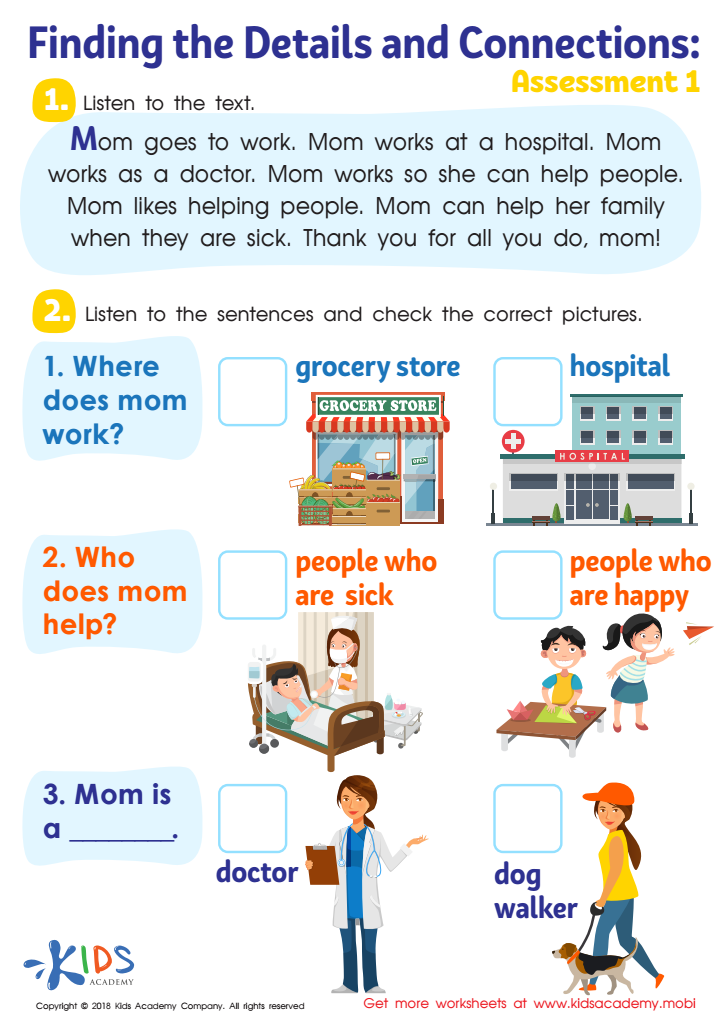
Finding the Details and Connections: Assessment 1 Worksheet
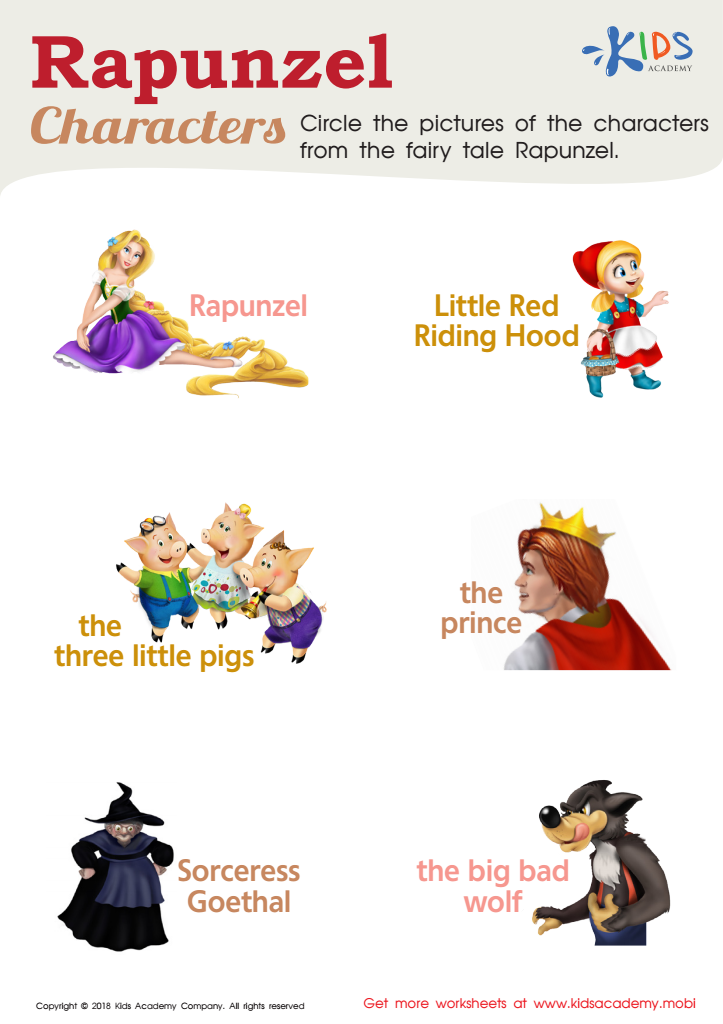
Rapunzel Characters Worksheet








Analytical skills and building vocabulary are crucial for children ages 4-5 as they form the foundation for future academic success and critical thinking abilities. At this pivotal developmental stage, young children are naturally curious, asking questions, and seeking to understand the world around them. Enhancing analytical skills allows them to make connections, develop problem-solving abilities, and apply logic. These skills are essential for all areas of learning, helping children understand complex concepts in mathematics, science, and even social interactions.
Building a robust vocabulary at this age is equally important because language is the primary medium through which knowledge is acquired and shared. A well-developed vocabulary enables children to express their thoughts clearly, ask questions, and understand instructions and storytelling. It also enhances their reading comprehension when they start formal schooling and engages them more deeply in the learning process.
Parents and teachers play a pivotal role by creating a rich, stimulating environment filled with conversations, stories, and activities that challenge a child's thinking. Encouraging curiosity, introducing new words through play and reading, and guiding children in observing patterns and outcomes promote these essential skills. Investing time and attention in these areas ensures that children are well-equipped for later academic challenges and can articulate their ideas and emotions effectively.








