
Hand-eye Coordination Normal Reading Worksheets for Ages 4-5
4 filtered results
Difficulty Level
Grade
Age
-
From - To
Subject
Activity
Standards
Our Hand-eye Coordination Normal Reading Worksheets for Ages 4-5 offer the perfect blend of fun and learning. Specially designed to enhance young learners' reading skills while improving their hand-eye coordination, these worksheets use engaging activities such as tracing letters, matching exercises, and drawing activities. Each worksheet is crafted to hold a child’s interest with colorful illustrations and age-appropriate challenges. By incorporating these worksheets into your child’s daily routine, you’ll foster critical developmental skills essential for their future academic success. Dive into a world where learning feels like play with our expert-designed resources.
Favorites
With answer key
Interactive
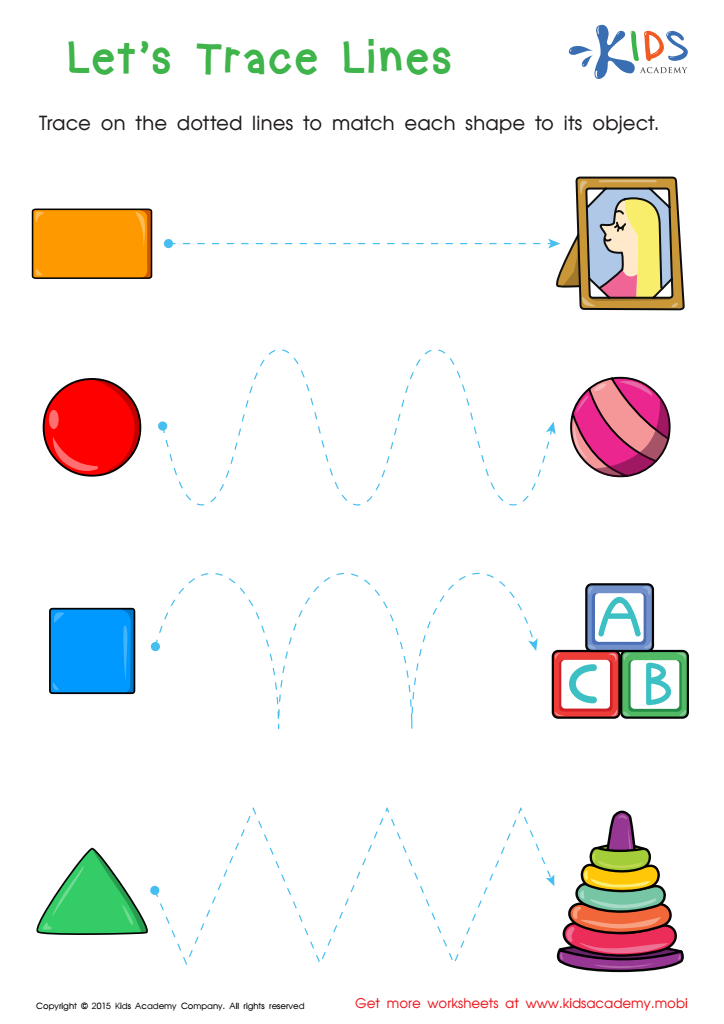
First Words: Let's Trace Lines Worksheet
Printable tracing lines for toddlers will provide your little one with the skills needed for future handwriting success. Proper grip, fine motor skills, and hand-to-eye coordination are key. Let's get their writing journey off to a great start!
First Words: Let's Trace Lines Worksheet
Worksheet

Long and Short U Worksheet
Revised: Spice up your lesson on long and short vowels with this fun printout! Kids read the words "tube" and "tub," then reinforce the sound by coloring in the words and pictures. It's a great way to make phonics class enjoyable!
Download (PDF)
 Assign to My Students
Assign to My Students
Long and Short U Worksheet
Worksheet
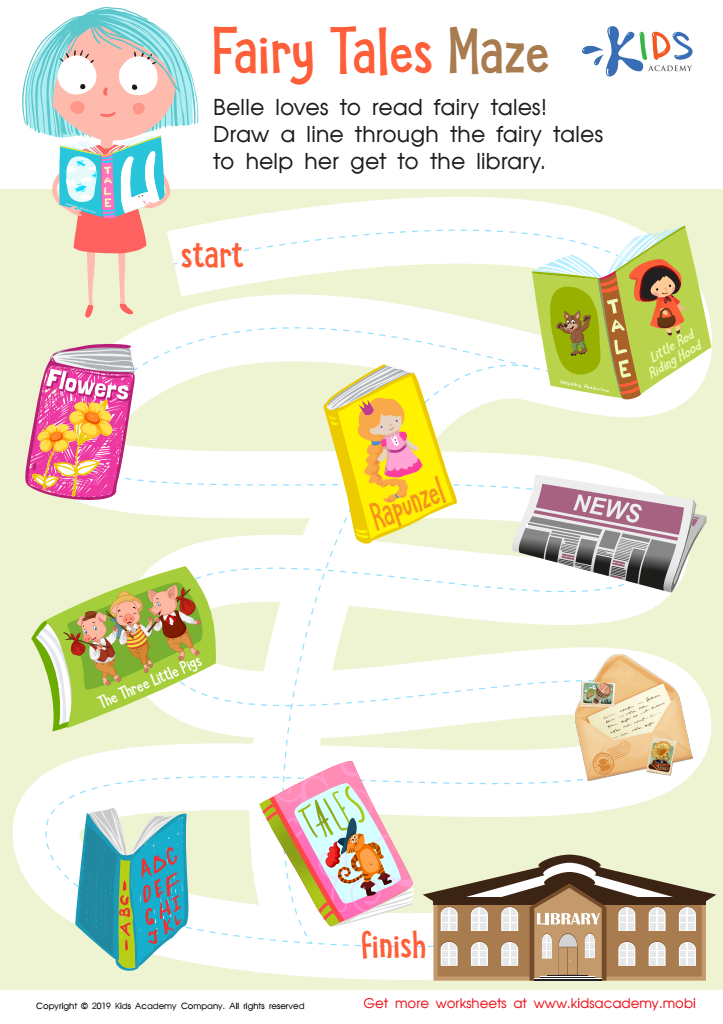
Fairy Tales Maze Worksheet
Kids love mazes and fairy tales, so this free worksheet is a great way to help teach young readers about familiar topics. They'll join Bella and use the traceable lines to travel through different reading genres, and find their way to the library for a nice reward!
Fairy Tales Maze Worksheet
Worksheet
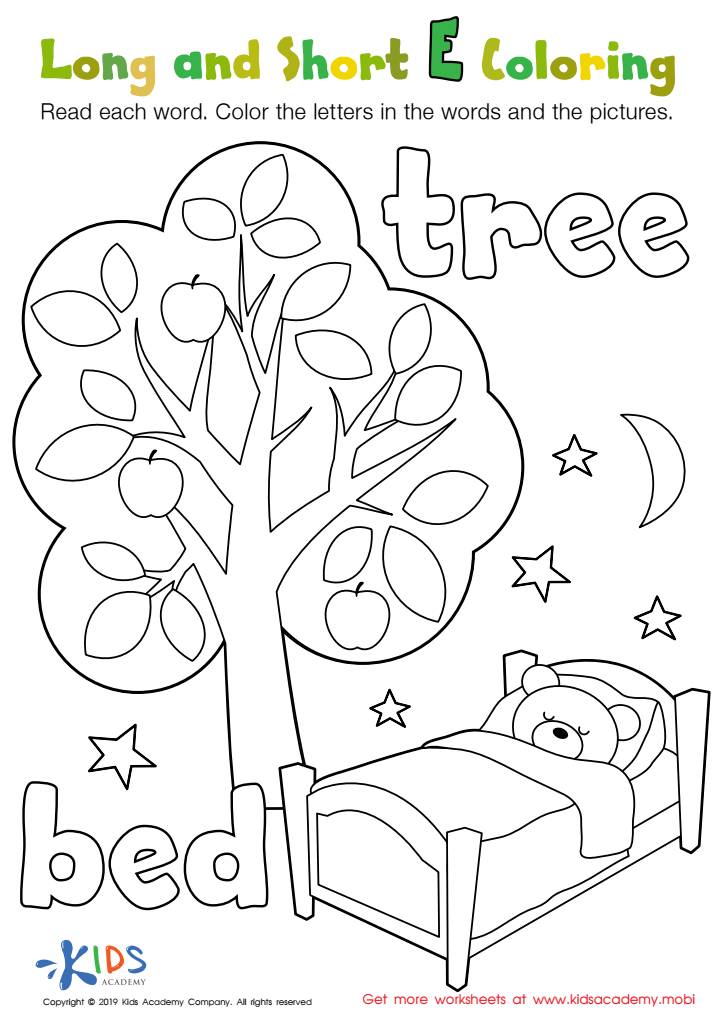
Long and Short E Worksheet
This fun printout makes learning phonics enjoyable for Grade 3 students. Get them to read the words “tree” and “bed” to recognize the different sounds of the letter “E”. After hearing the words they can color the words and the pictures to understand differences between long and short vowels.
Download (PDF)
Assign to My Students
Assign to My Students
Long and Short E Worksheet
Worksheet
Join Kids Academy for Free
Who is primarily going to use this learning content?








Hand-eye coordination and normal reading development are crucial, especially for children aged 4-5, as they lay the foundation for various essential life skills. At this age, children are developing rapidly, and their ability to coordinate their visual input with physical actions is a significant milestone. Effective hand-eye coordination is pivotal for tasks like writing, cutting with scissors, drawing, and buttoning clothes. By enhancing these skills early on, children can approach both academic and daily activities with greater competence and confidence.
Reading is equally essential. For ages 4-5, establishing a robust reading foundation supports language development, vocabulary growth, and comprehension skills. Early reading also stimulates cognitive processes, such as problem-solving and critical thinking. When children are exposed to books and storytelling, they learn to focus, cultivate imagination, and develop a love for learning.
Hand-eye coordination complements reading development by enabling children to track words and follow lines of text efficiently. Additionally, manipulating books, turning pages, and pointing to words can further strengthen fine motor skills.
Teachers and parents play a vital role in nurturing both these areas. Providing diverse activities that challenge and develop coordination, along with a rich, interactive reading environment, ensures holistic development. Ultimately, this prepares children for more complex tasks in their future educational journey and daily lives.








