Sentence construction Normal Reading Worksheets for Ages 4-5
4 filtered results
-
From - To
Give your child a head start in reading with our Sentence Construction Normal Reading Worksheets for Ages 4-5! Designed to develop early literacy skills, these fun and engaging worksheets help young learners understand sentence structure through age-appropriate exercises. By focusing on simple sentence creation, children enhance their vocabulary and comprehension. Each worksheet combines visual aids, writing prompts, and beginner reading tasks to make learning both effective and enjoyable. Perfect for classroom use or homeschooling, our worksheets ensure a solid foundation in early reading skills, setting children on the path to becoming confident and proficient readers. Download today for interactive language education!
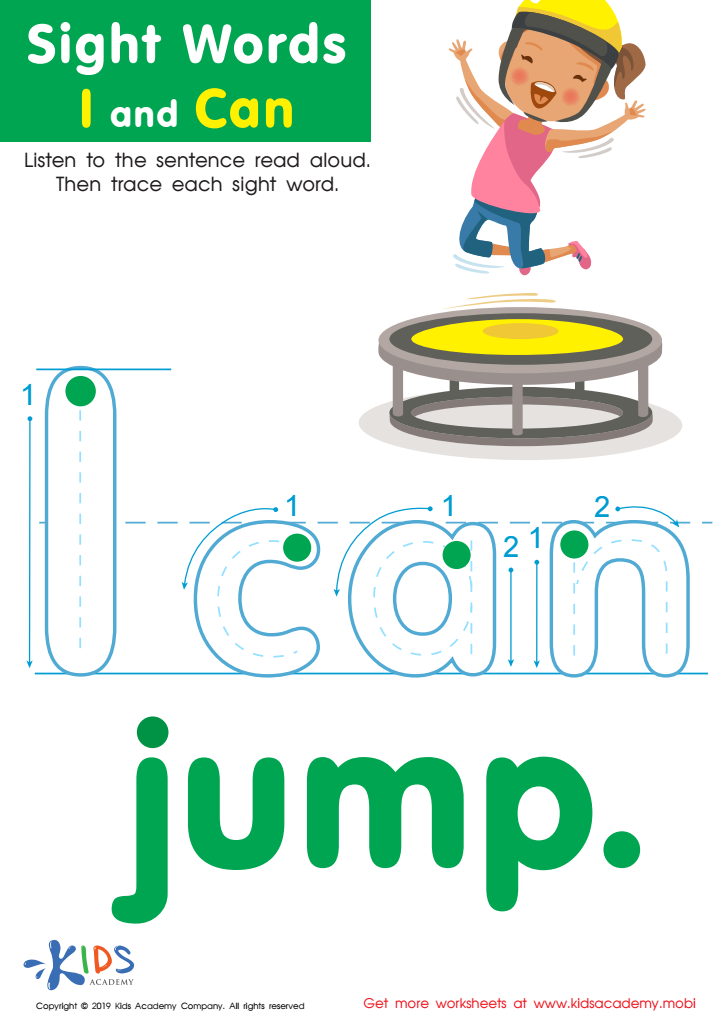
Sight Words I Can Worksheet
 Assign to My Students
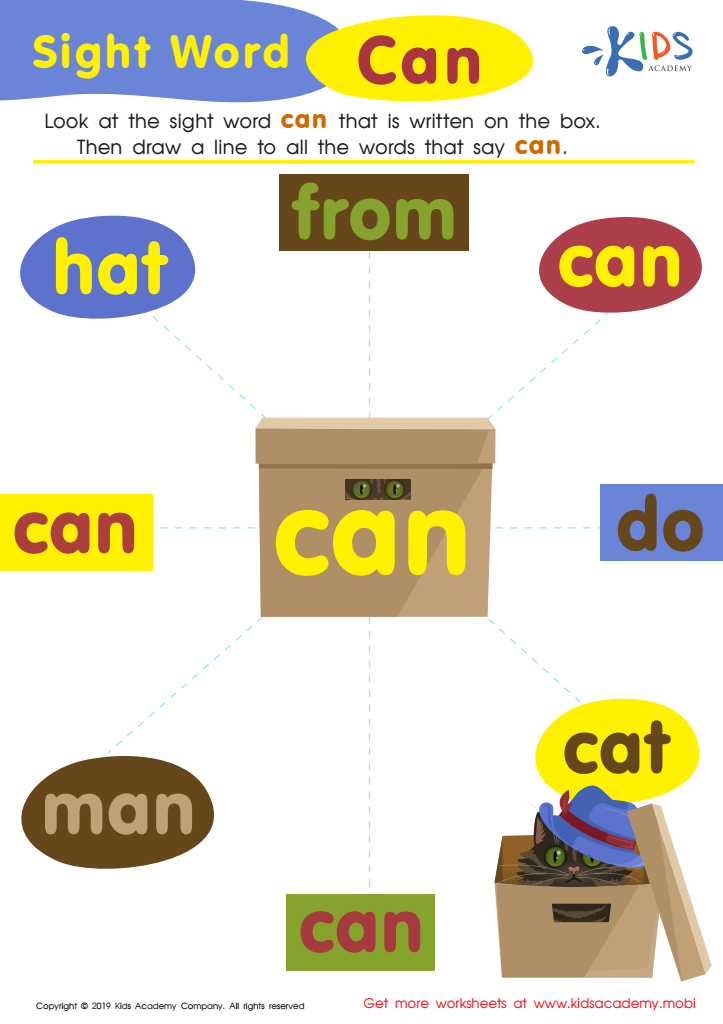
Sight Word Can Worksheet
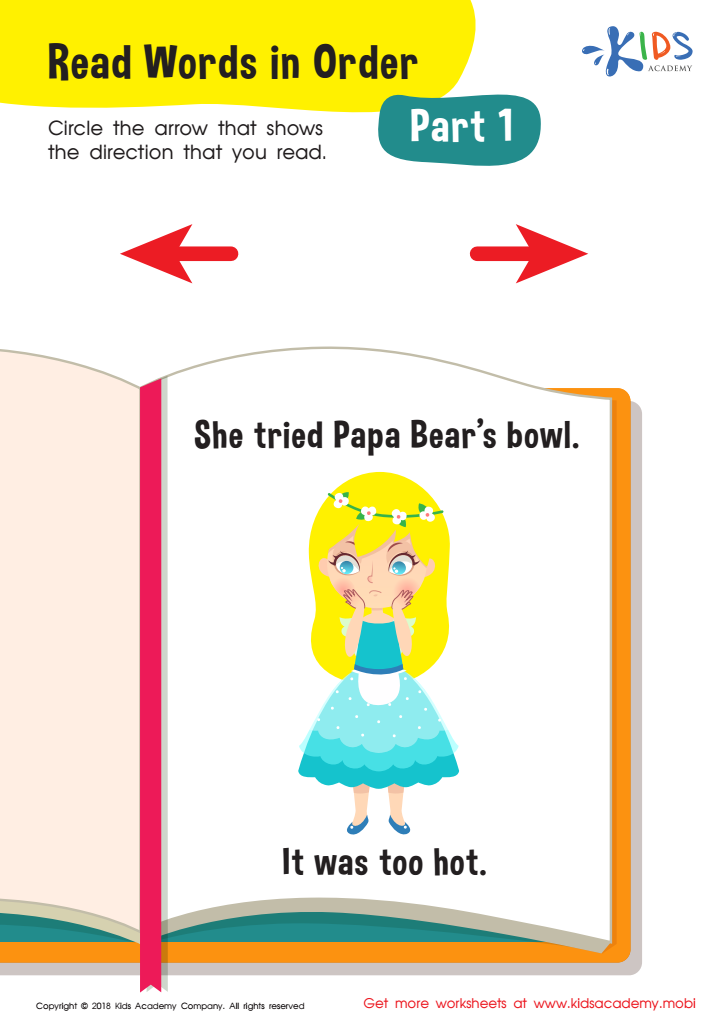
Read Words Order Part 1 Worksheet
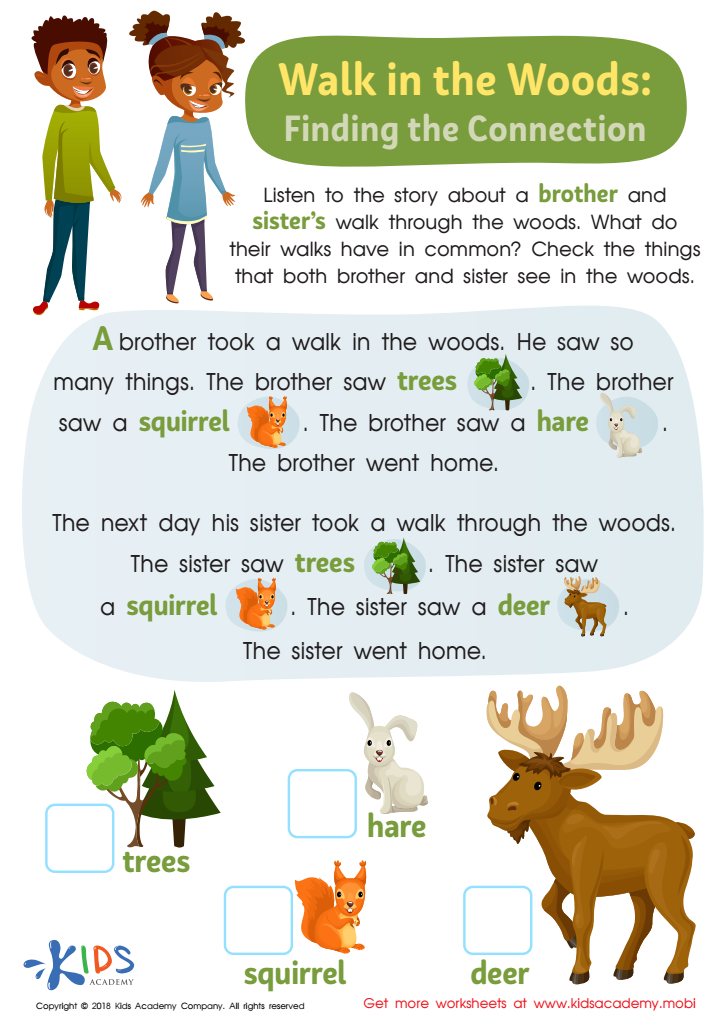
Walk In the Woods: Finding Connections Worksheet








Sentence construction and normal reading for ages 4-5 are foundational for a child’s educational journey, impacting almost all facets of their future learning. At this tender age, children's brains are exceptionally receptive to language acquisition. Encouraging proper sentence construction helps in their cognitive development, enabling them to express thoughts clearly and understand others better.
Reading proficiency at an early age opens doors to a world of knowledge and imagination. When children comfortably construct sentences and read proficiently, they enhance their vocabulary, comprehension, and critical thinking skills. These abilities are crucial for future academic success, from understanding instructions to problem-solving in varied subjects.
Moreover, early reading and sentence construction boost confidence and independence. Children familiar with these skills are more likely to participate actively in classroom discussions, increasing their engagement and enjoyment of learning. This active involvement lays the foundation for a lifelong love for reading and continuous intellectual growth.
For parents and teachers, investing time in developing these skills can prevent future academic struggles. Without a strong grasp of sentence construction and reading, children might face difficulties that extend beyond language arts, affecting their overall academic performance and self-esteem. Prioritizing these skills early sets children on a path to success, making them well-prepared for the structured learning in subsequent grades.








