Animal identification Normal Science Worksheets for Ages 4-5
3 filtered results
-
From - To
Explore our engaging Animal Identification Normal Science Worksheets designed specifically for children ages 4-5. These fun and interactive worksheets help young learners develop essential skills in recognizing and identifying various animals. Through vibrant illustrations and age-appropriate activities, children will boost their vocabulary, improve critical thinking, and enhance their understanding of the animal kingdom. Our thoughtfully crafted worksheets cater to early childhood education, making learning both enjoyable and effective. Perfect for classroom use or at-home learning, these resources encourage curiosity, exploration, and a love for science. Start your child's journey into the fascinating world of animals today!
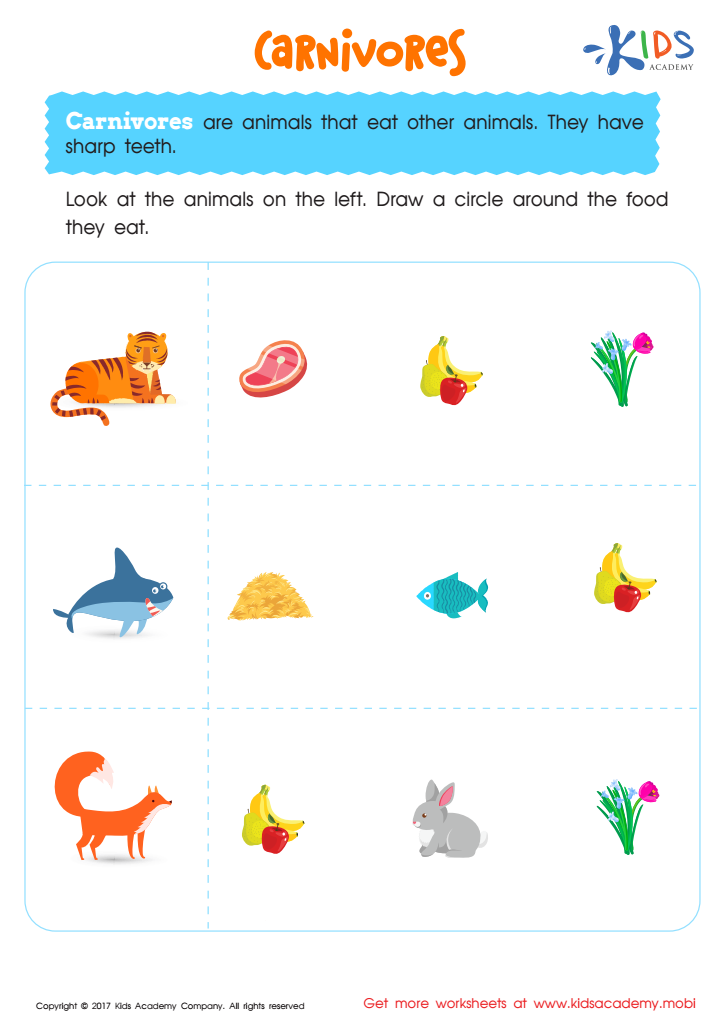
Carnivores Worksheet
 Assign to My Students
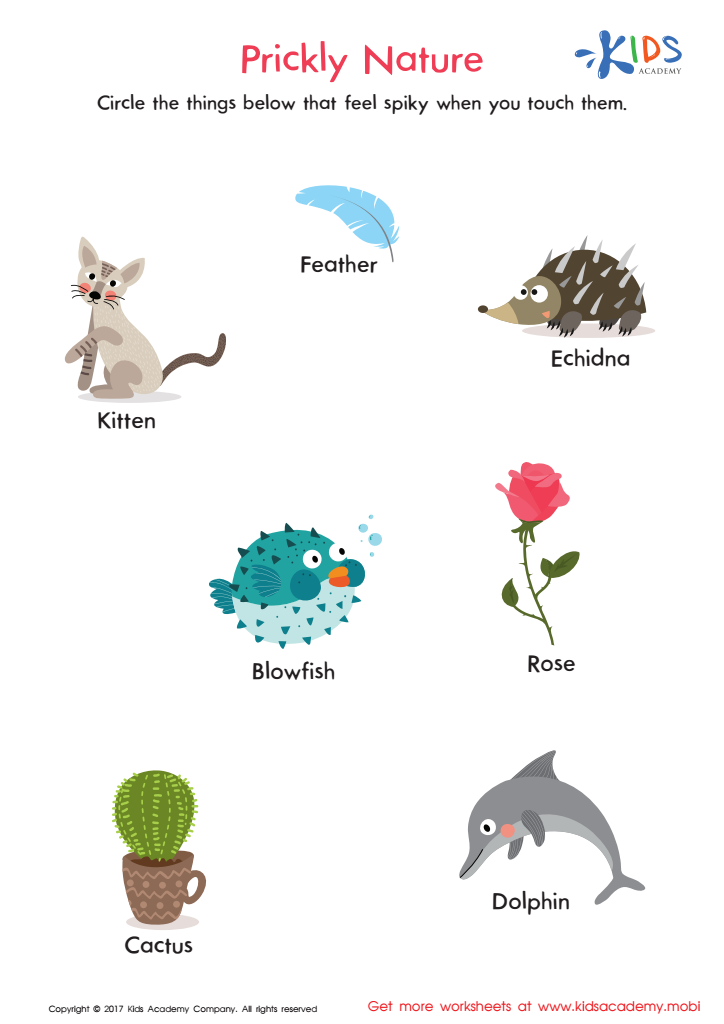
Prickly Nature Worksheet
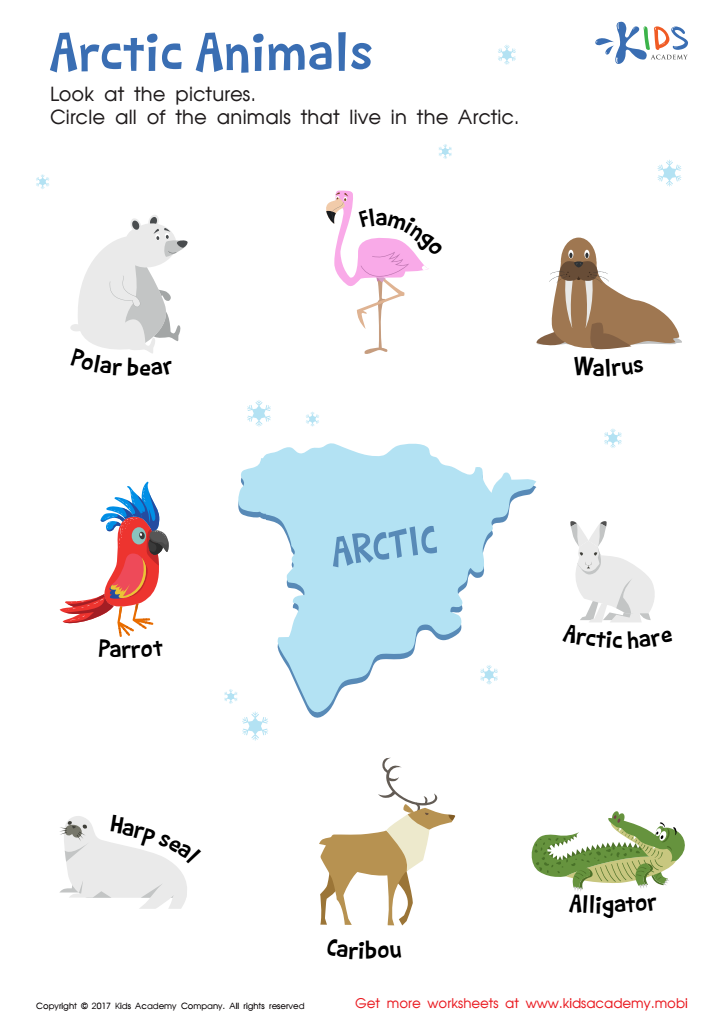
Arctic Animals Worksheet








Animal identification is an essential topic for young learners, as it fosters curiosity and lays the groundwork for developing critical thinking skills. For parents and teachers, focusing on this subject with children ages 4-5 encourages an appreciation for the natural world. Engaging kids in recognizing different animals helps them understand biodiversity, leading to a sense of responsibility towards wildlife and the environment.
When children learn to identify various animals, they also pick up on the names, characteristics, and habitats of these creatures. This knowledge aids in language development and enhances their vocabulary as they explore words related to animals. Moreover, it sparks their imagination, inviting them to share stories and ask questions about the animals they encounter.
Incorporating animal identification into early education can also support social skills as children work in groups or pairs, sharing observations and collaborating on projects. Activities like crafting, storytelling, or simple field trips further reinforce the learning process. Ultimately, the focus on animal identification during these formative years cultivates a sense of wonder, empathy, and appreciation for life, which can influence children's values and perspectives for years to come. Parents and teachers play a vital role in nurturing this awareness and shaping responsible future stewards of our planet.







