Logical Reasoning Normal Science Worksheets for Ages 4-5
4 filtered results
-
From - To
Welcome to our engaging collection of Logical Reasoning Normal Science Worksheets designed for children ages 4-5! These interactive activities foster essential cognitive skills while introducing young learners to exciting scientific concepts. Each worksheet encourages critical thinking through fun exercises, including pattern recognition, problem-solving tasks, and simple logical puzzles. As children navigate through colorful illustrations and relatable scenarios, they will build foundational reasoning skills necessary for academic success. Perfect for at-home learning or classroom reinforcement, our worksheets empower little minds to explore the world around them. Ignite curiosity and inspire scientific thinking with our thoughtfully created resources, tailored just for your youngster!
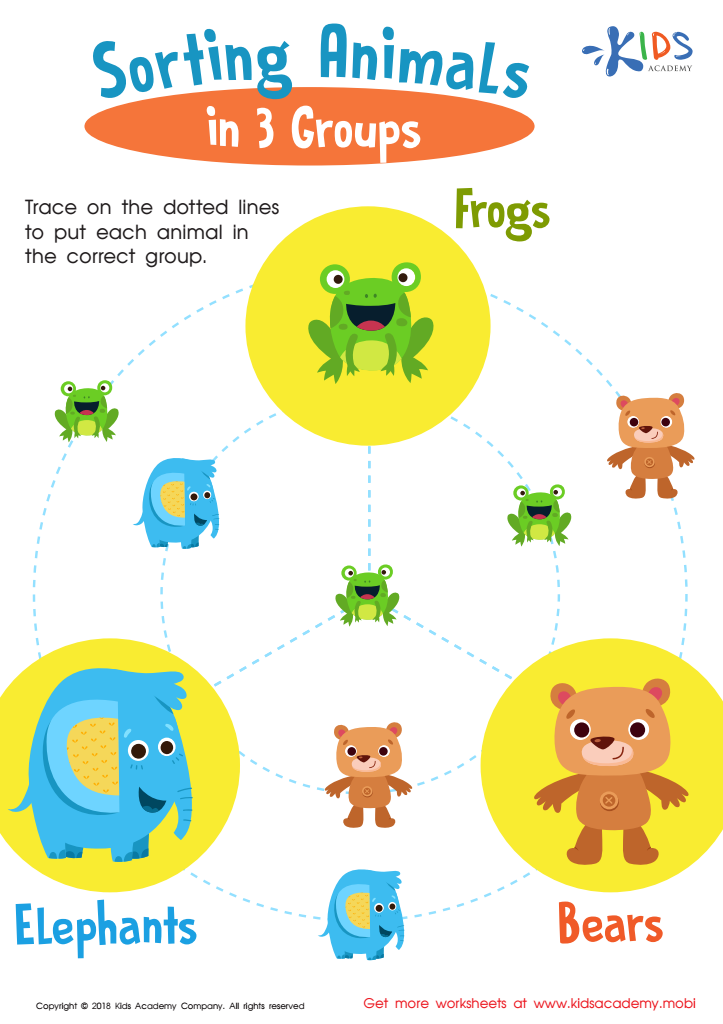
Sorting Animals in 3 Groups Worksheet
 Assign to My Students
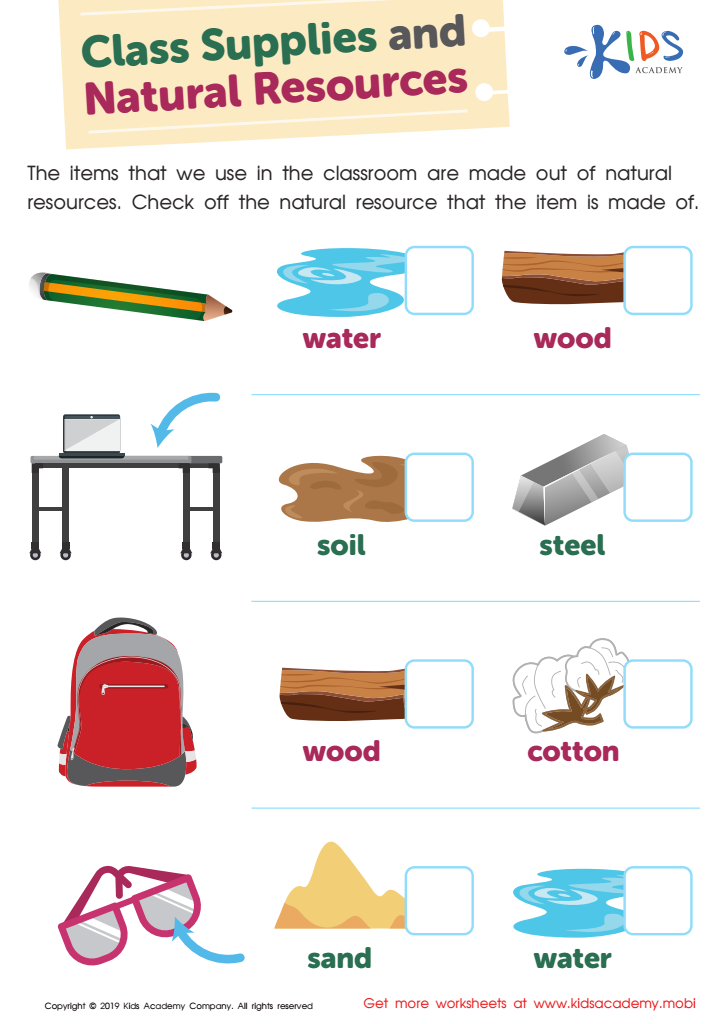
Class Supplies and Natural Resources Worksheet
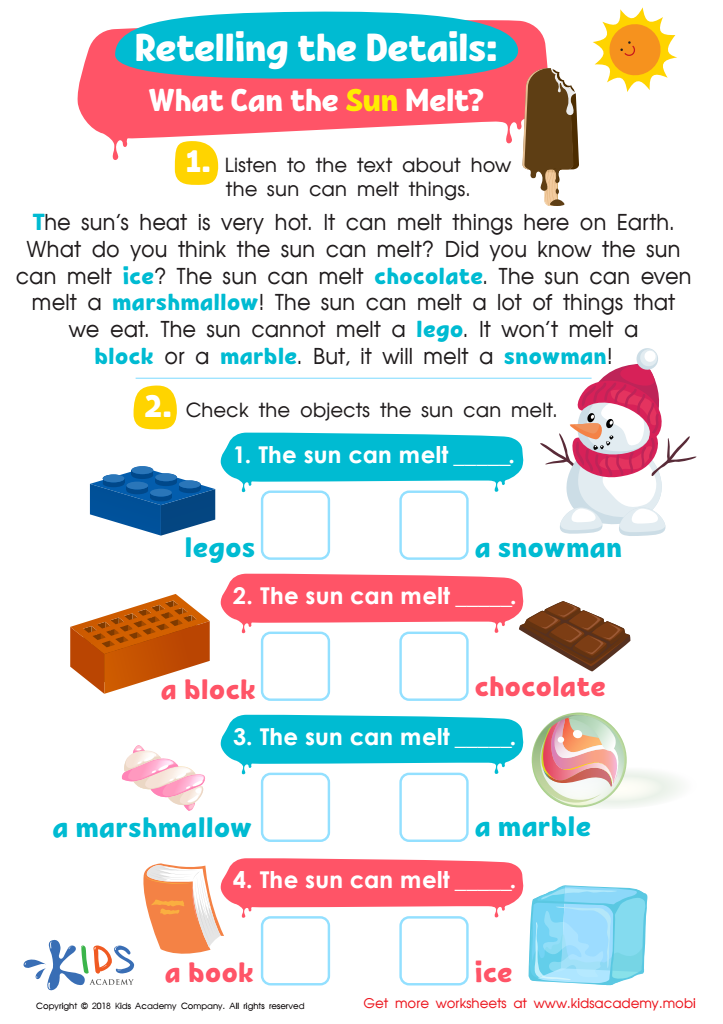
Retelling the Details: What Can the Sun Melt? Worksheet
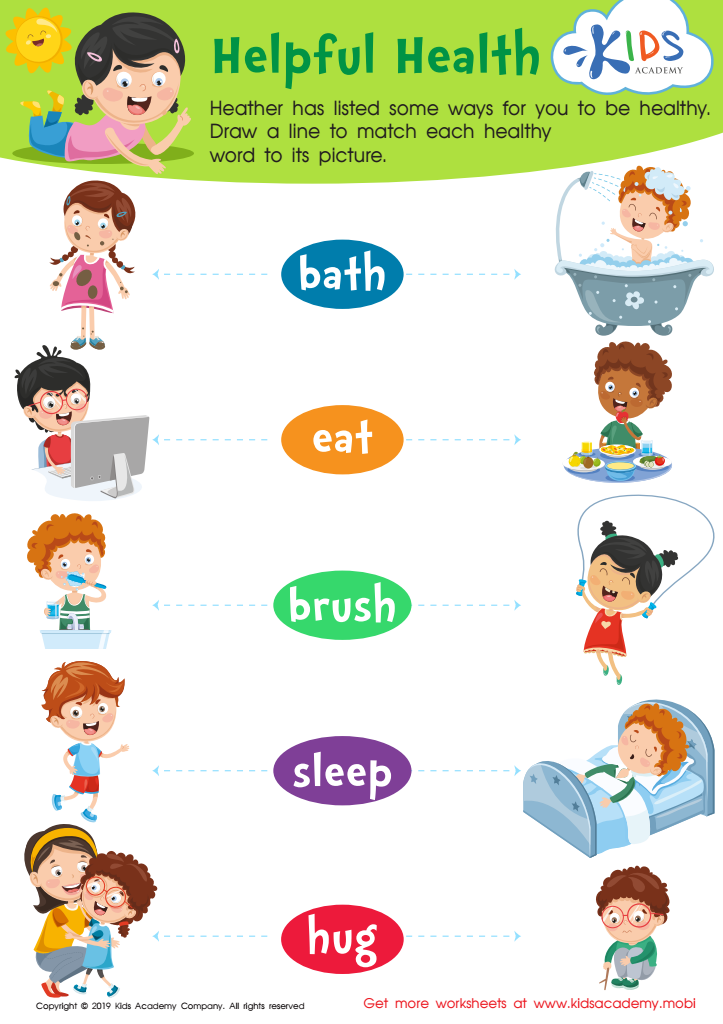
Helpful Health Worksheet








Parents and teachers should care about Logical Reasoning Normal Science for children ages 4-5 because it lays the foundation for critical thinking and problem-solving skills. During this developmental stage, children are naturally curious and eager to explore their surroundings. Engaging them in logical reasoning through normal science encourages their innate curiosity and helps them make sense of the world.
At this age, children are developing cognitive abilities, and introducing concepts like cause and effect, comparisons, and classifications fosters their analytical skills. Activities that involve logical reasoning in science can pique their interest in the natural world, encouraging them to ask questions and seek answers. This process not only builds their scientific knowledge but also enhances their communication and collaboration skills when working with peers.
Moreover, integrating logical reasoning in science education aligns with key developmental milestones in early childhood. By nurtured in a supportive environment, children develop perseverance and creativity. This early exposure translates into a stronger understanding of complex concepts in later years, reinforcing the importance of logical reasoning in overall academic achievements.
In summary, fostering logical reasoning through normal science at an early age cultivates lifelong learning habits, critical thinking, and a deeper understanding of the world around them.







