Geography knowledge Normal Social Studies Worksheets for Ages 4-5
7 filtered results
-
From - To
Explore our engaging Geography Knowledge Normal Social Studies Worksheets designed specifically for ages 4-5. These interactive resources introduce young learners to the basics of geography in a fun and accessible way. The worksheets include activities that teach children about maps, landforms, and their surroundings, fostering a foundational understanding of the world around them. Ideal for preschools and kindergartens, our expertly crafted worksheets promote critical thinking, problem-solving, and literacy skills while ensuring children learn through play. Download our Geography Knowledge worksheets today to inspire your little explorers and cultivate a lifelong love of learning about their world!
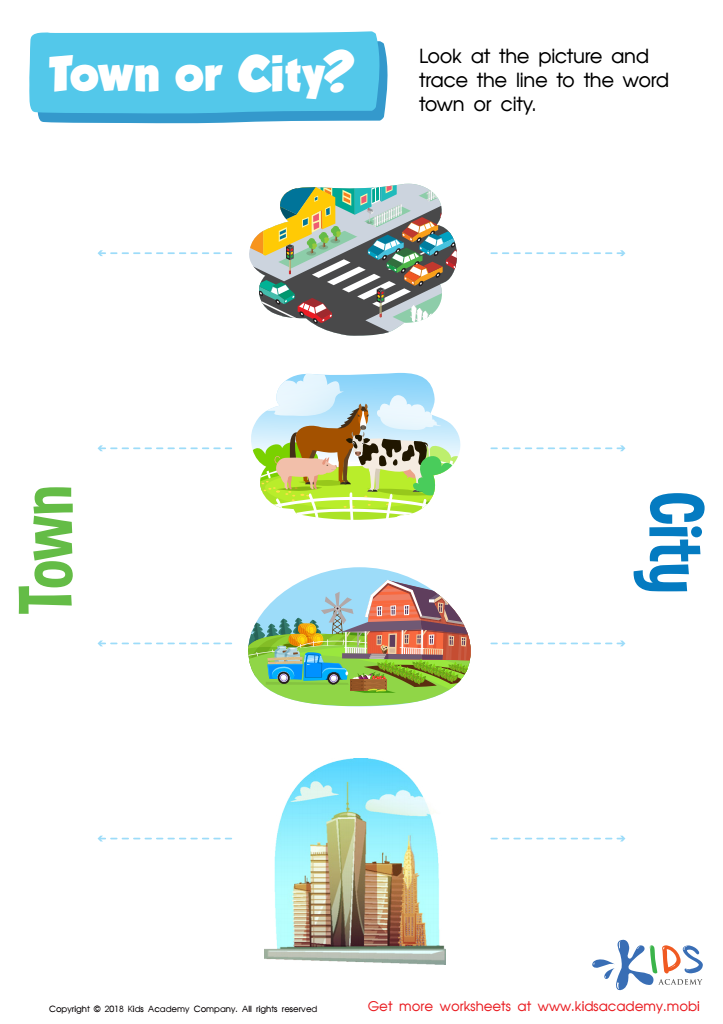
Town or City? Worksheet
 Assign to My Students
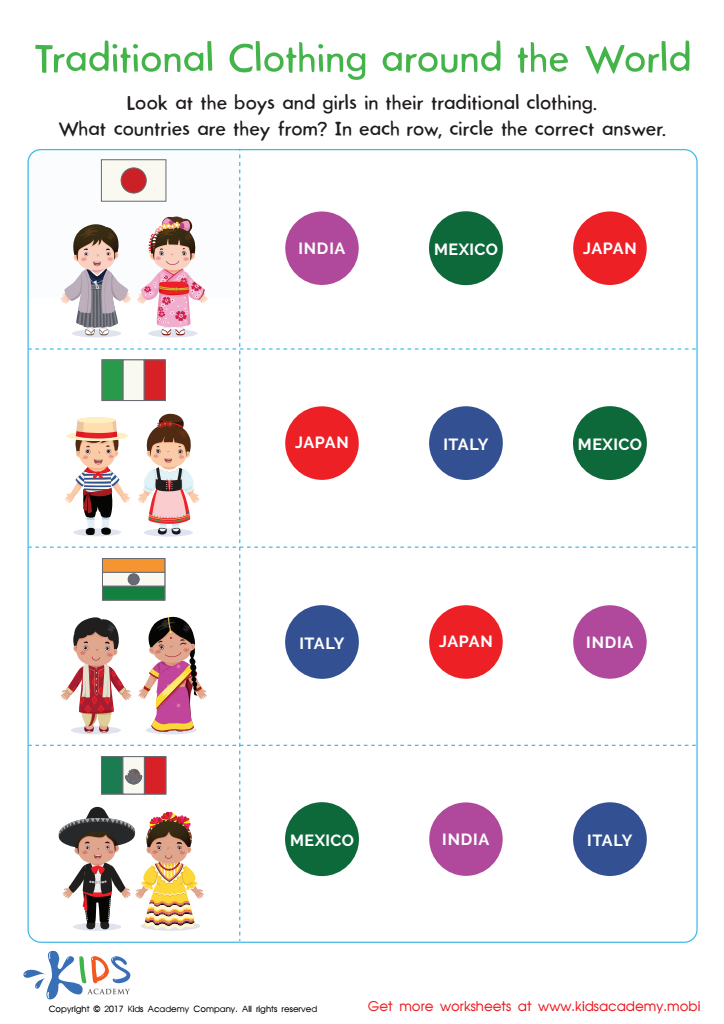
Traditional Clothing Worksheet
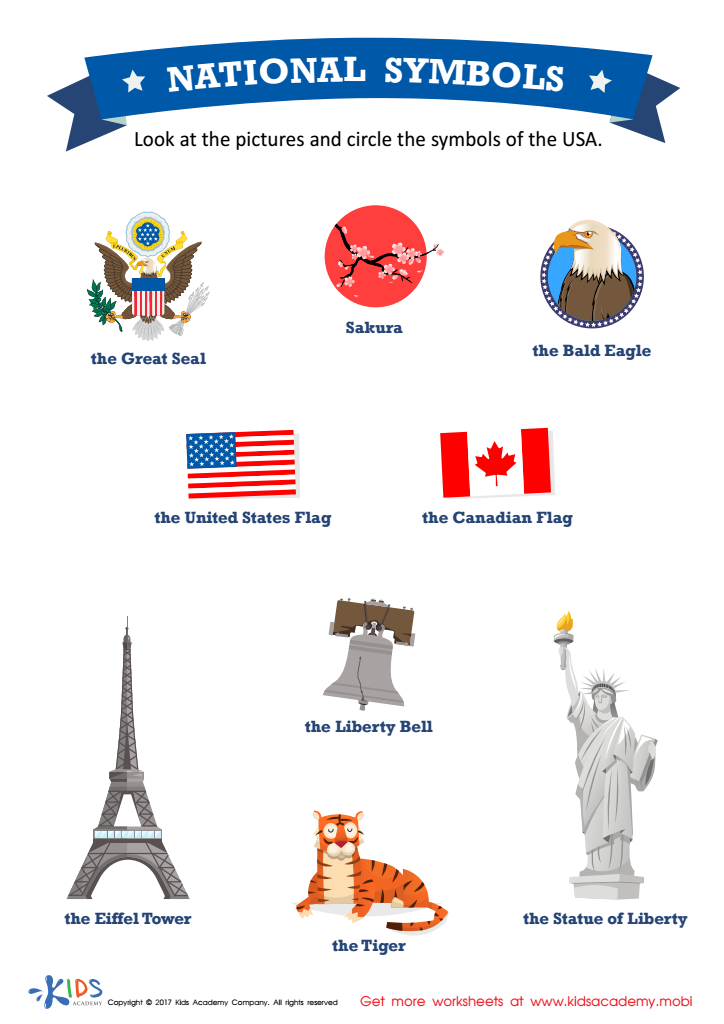
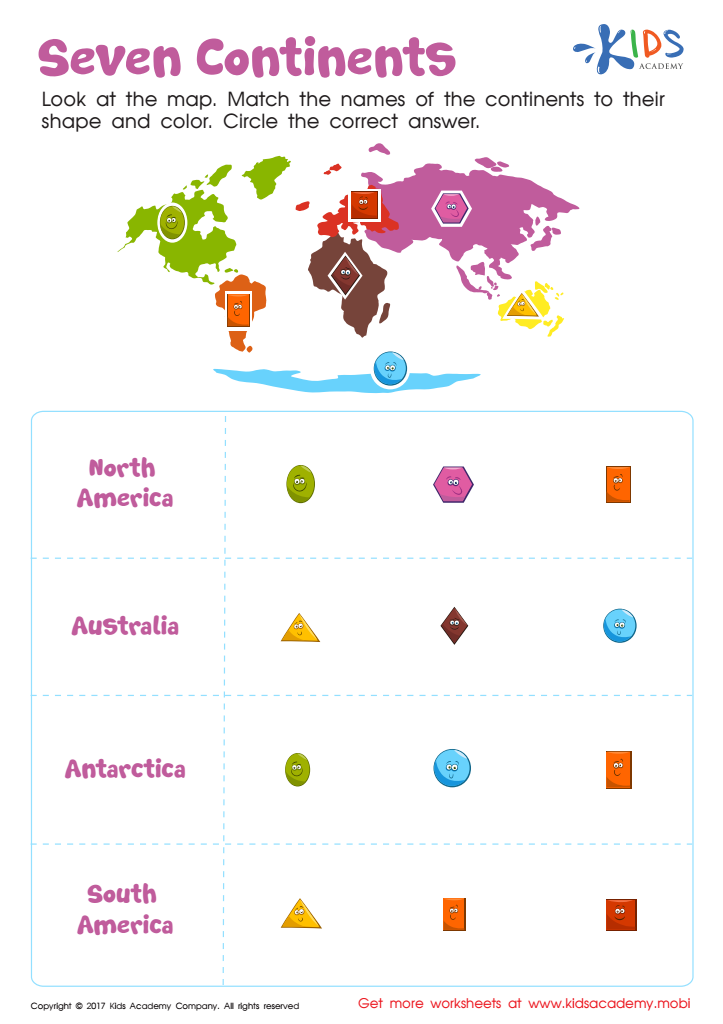
Seven Continents Worksheet
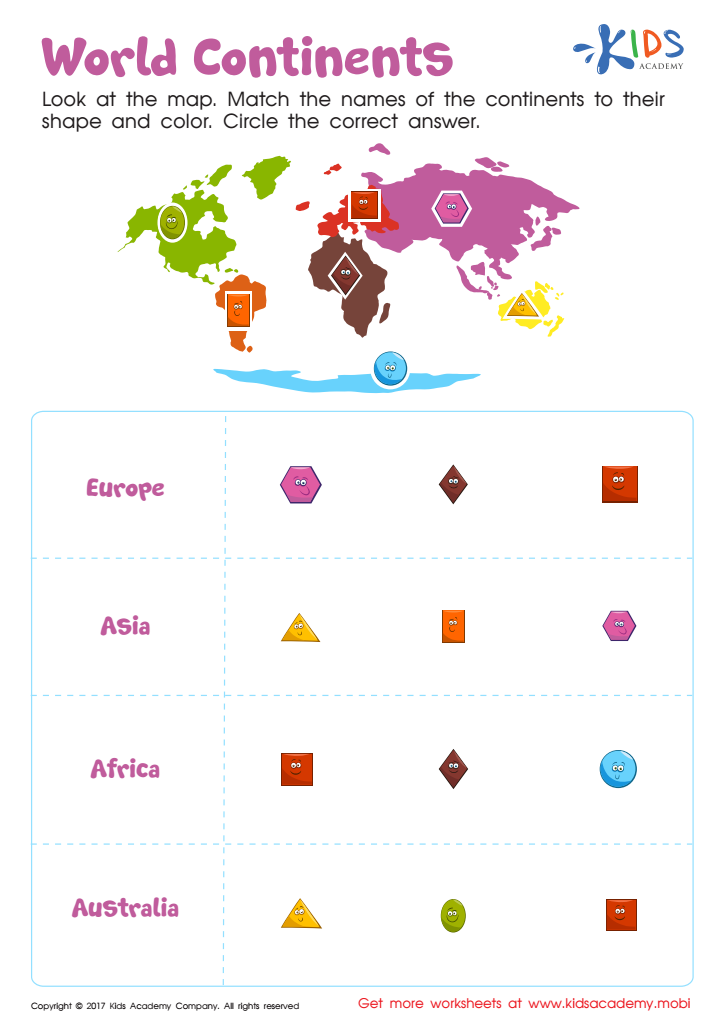
World Continents Worksheet
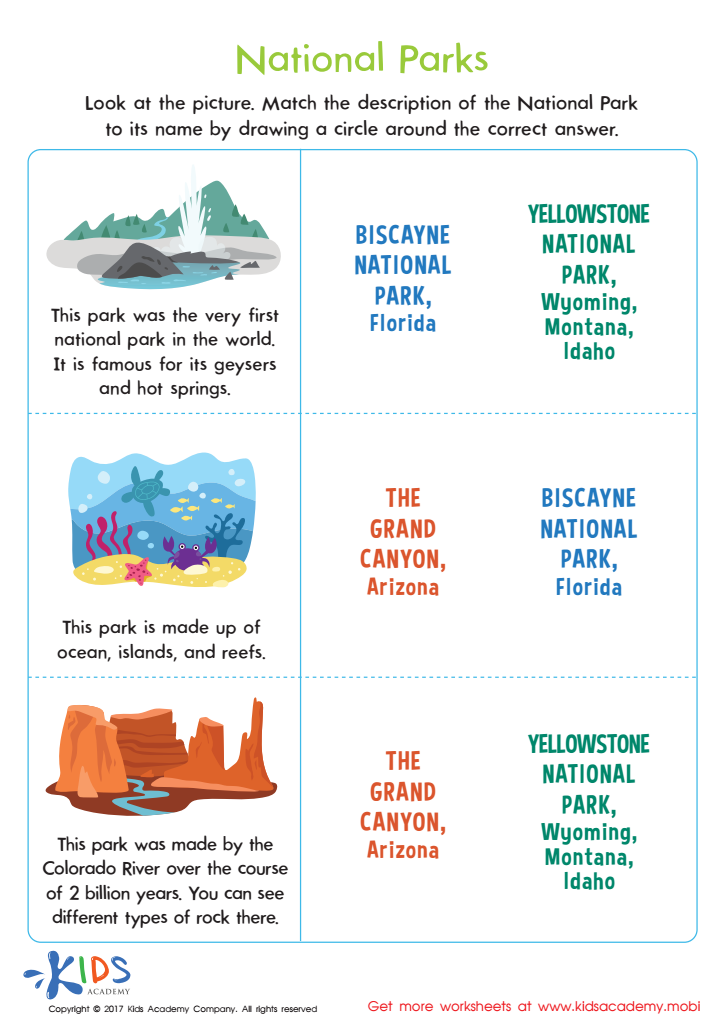
National Parks Printable

Towns Worksheet








Geography knowledge in early childhood education, particularly for ages 4-5, is crucial for developing a child's understanding of the world around them. Learning geography fosters curiosity about different places, cultures, and environments, laying the foundation for a sense of belonging and identity. By introducing children to maps, landforms, and communities, educators and parents help them recognize their position in the larger world and understand the diversity of human experiences.
At this age, children are naturally curious explorers. Engaging them with geography not only enhances their cognitive skills but also promotes critical thinking and problem-solving. Activities such as identifying continents, countries, or even local landmarks can improve their observational skills and global awareness.
Moreover, geography education promotes social skills. It encourages children to empathize with diverse cultures and traditions, fostering open-mindedness and respect for others. When children learn about different places, they also become more aware of environmental issues, promoting stewardship and responsibility for the planet.
By instilling a love for geography early on, teachers and parents help cultivate informed, compassionate citizens who appreciate diversity and understand the interconnectedness of communities across the globe. Ultimately, this knowledge empowers children to navigate and contribute positively to an ever-changing world.