Spelling practice Normal Writing Worksheets for Ages 4-5
11 filtered results
-
From - To
Boost your child's early literacy with our Spelling Practice Normal Writing Worksheets for Ages 4-5. Designed to enhance young learners' foundational skills, these engaging worksheets focus on spelling simple words, letter recognition, and penmanship development. By incorporating fun and interactive activities, children will build confidence in writing, improve their spelling accuracy, and develop essential fine motor skills. Perfect for at-home practice or as supplementary classroom material, our worksheets make learning enjoyable and effective. Start today to support your child's educational journey and watch their spelling and writing abilities flourish!
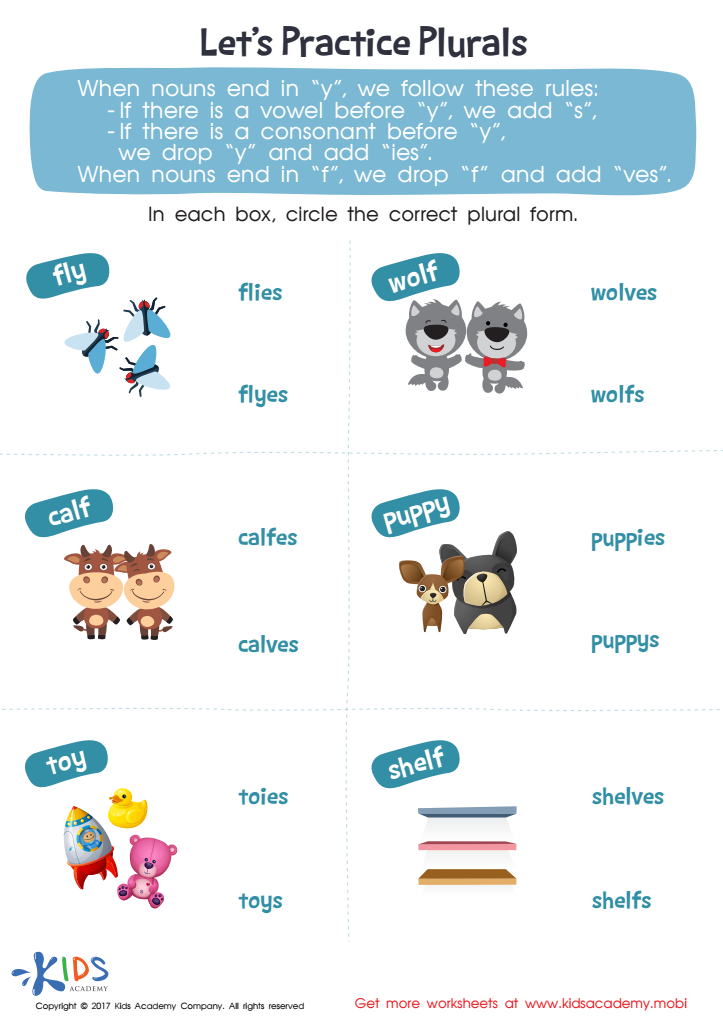
Let's Practice Plurals Word Structure Worksheet
 Assign to My Students
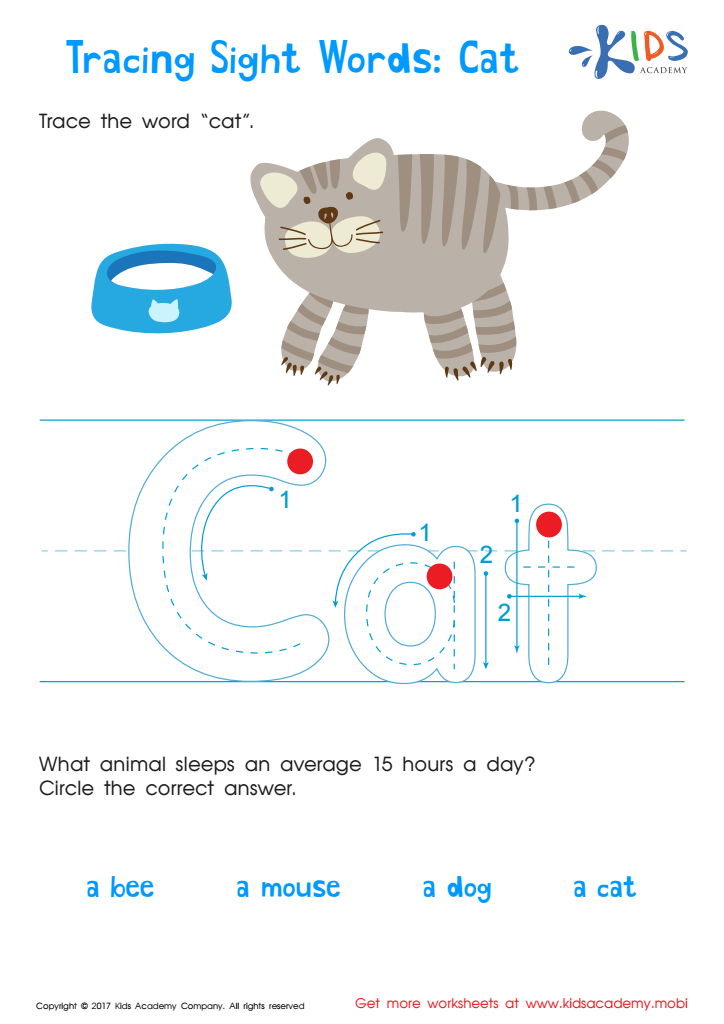
Cat Printable Sight Words Worksheet
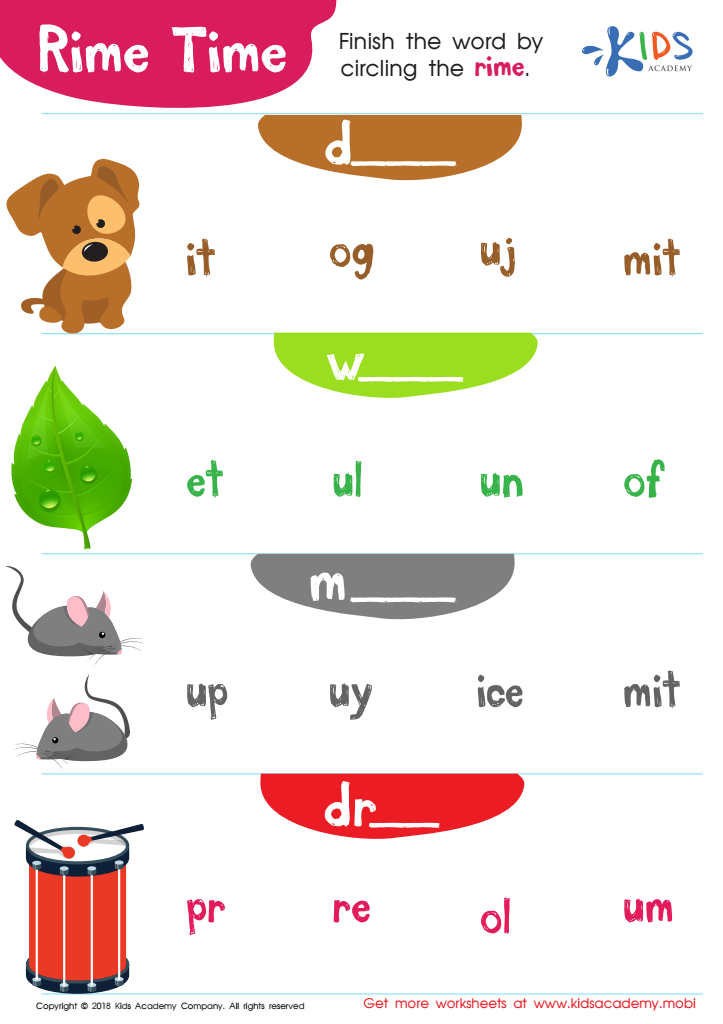
Rime Time Worksheet
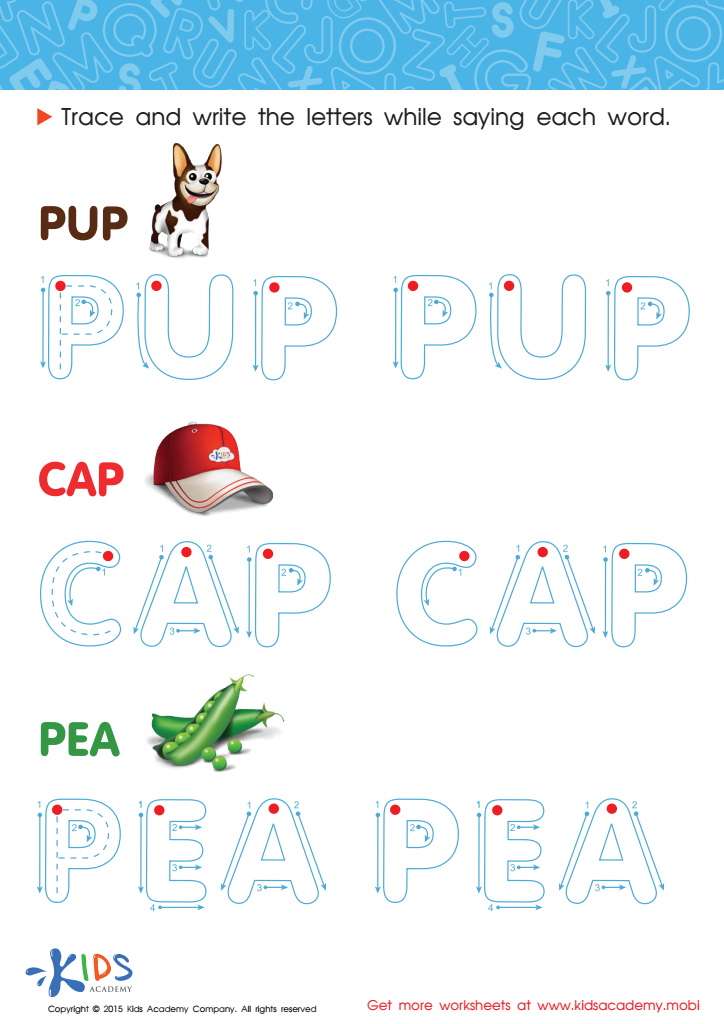
A Pup, a Cap and a Pea Spelling Worksheet
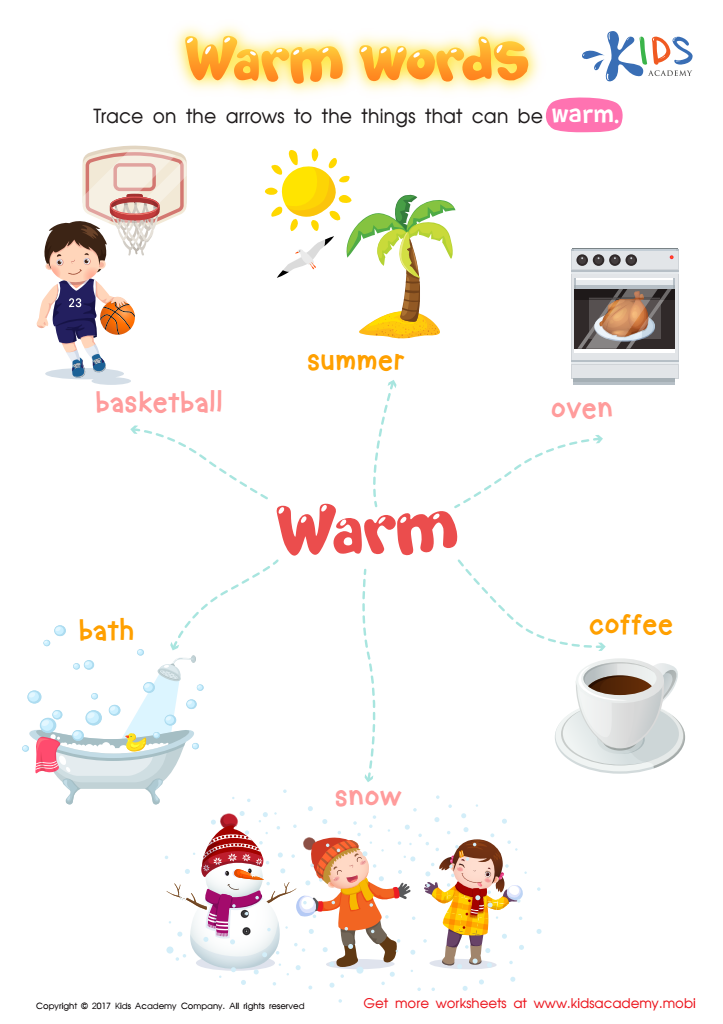
Warm Words Worksheet
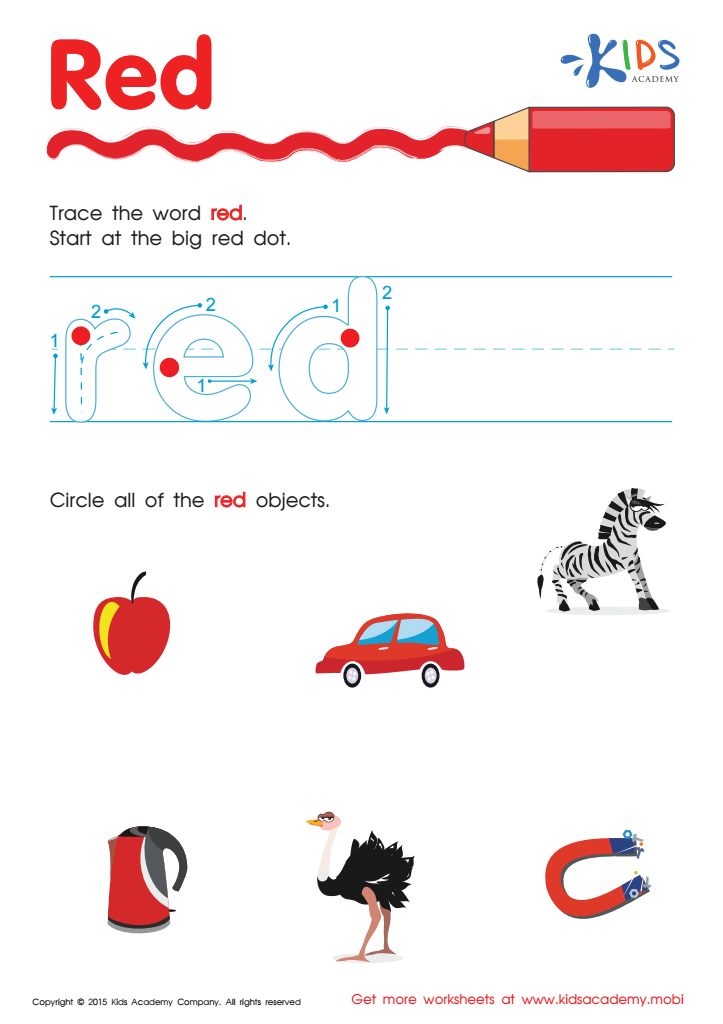
Red Tracing Color Words Printable
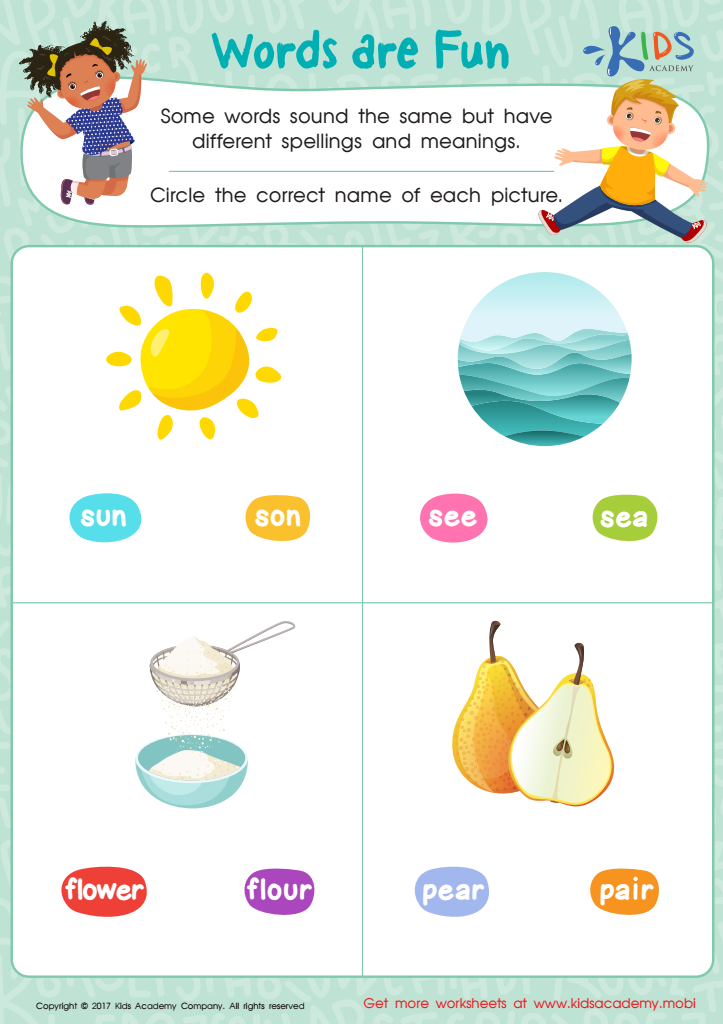
Words Are Fun Worksheet
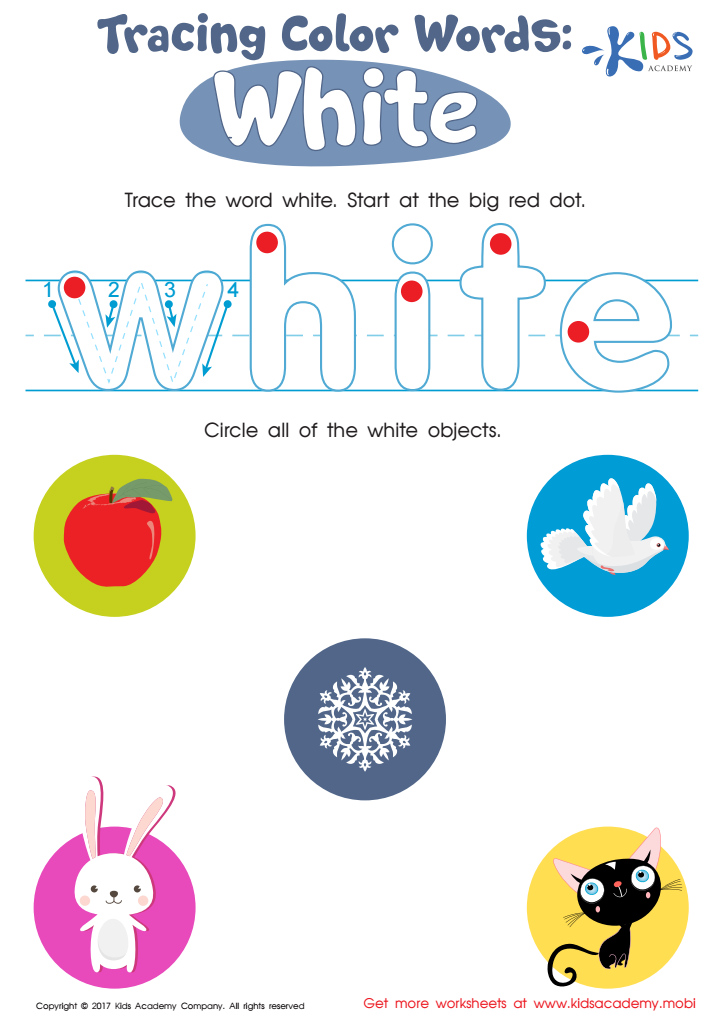
White Tracing Color Words Worksheet
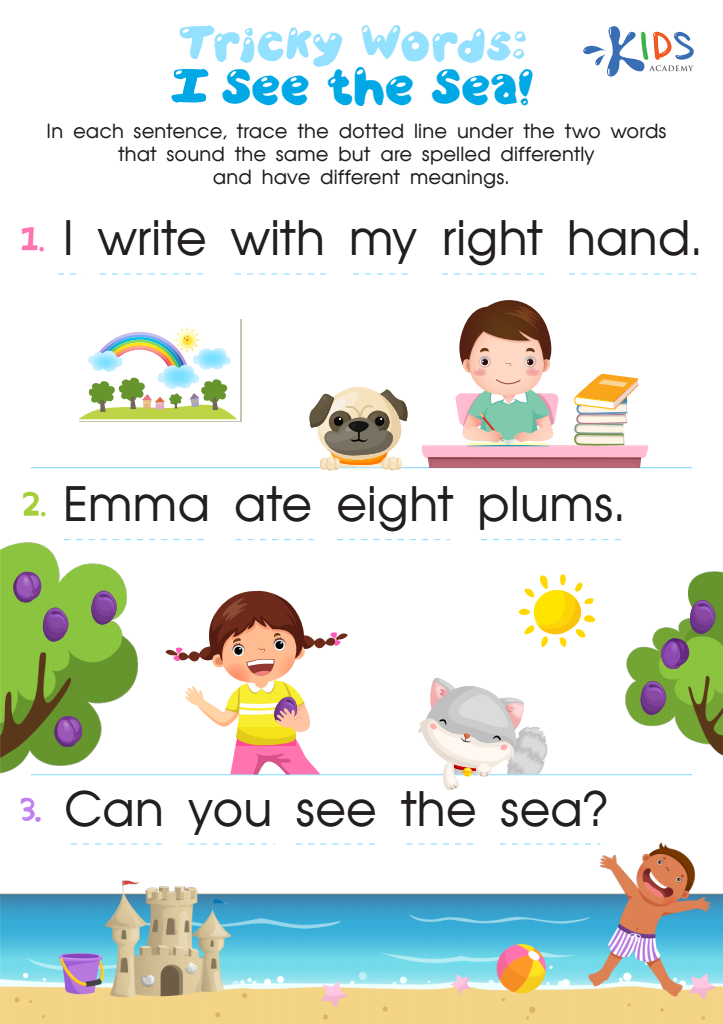
Tricky Words Worksheet
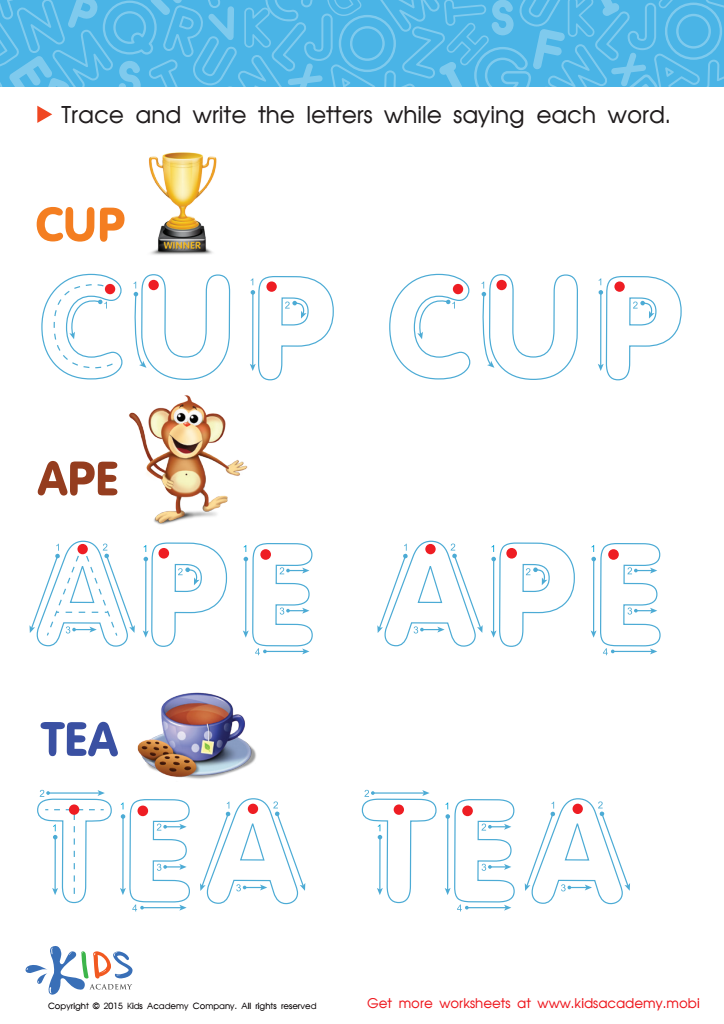
A Cup, an Ape and Tea Spelling Worksheet
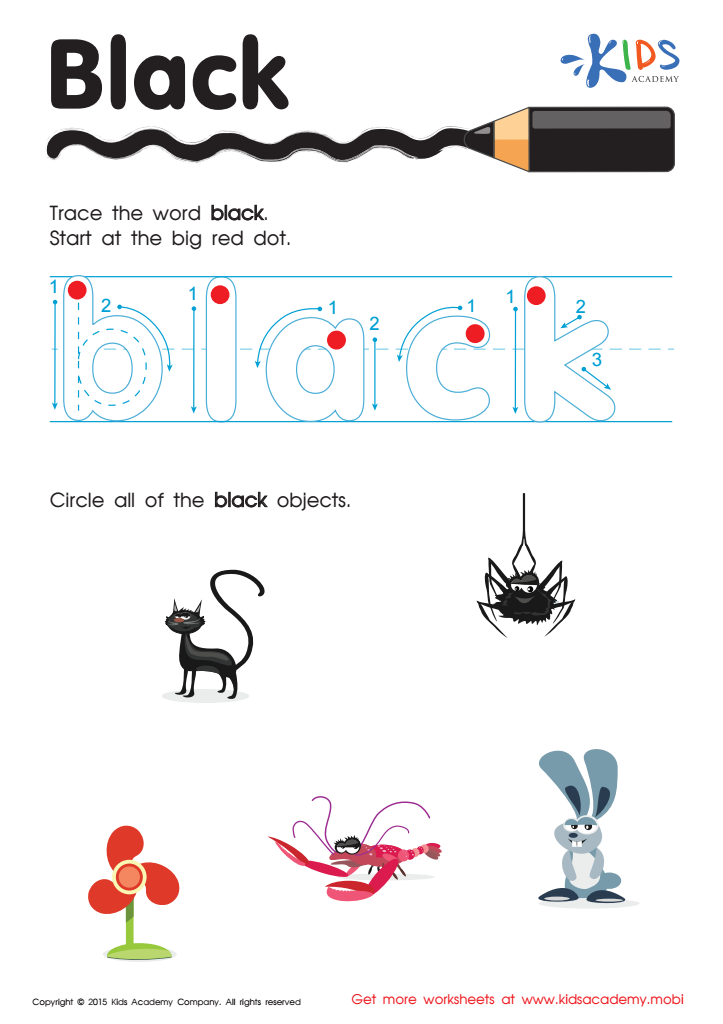
Black Tracing Color Words Printable







At ages 4-5, children are at a critical stage in their development where they begin to understand and utilize language more comprehensively. Ensuring they practice spelling during this time is essential for several reasons. Firstly, spelling practice reinforces their phonemic awareness, which is the ability to hear and manipulate sounds in words. This skill is a foundational element of both reading and writing.
Secondly, early spelling practice helps kids recognize patterns in words, which aids in decoding new words they encounter while reading. This not only improves their reading skills but also fosters a love for books and learning. Familiarity with word patterns reduces the cognitive load during reading, allowing them to focus more on comprehension rather than deciphering each word.
Moreover, spelling is closely tied to vocabulary development. As children learn to spell new words, they simultaneously expand their vocabulary, enabling them to express themselves more clearly and effectively. This is crucial for effective communication and building social skills.
Lastly, spelling practice at an early age boosts confidence. Accomplishing these small learning milestones can make children feel more capable and enthusiastic about school, creating a positive attitude towards learning overall. In essence, spelling practice lays the groundwork for future academic success and lifelong learning habits.